
Last Updated on April 25, 2025 by teamobn
Your bathroom can be one of the messiest parts of your home. Partly this is because it is normally the smallest room of the house. The other reason why our bathrooms get messy is because of the number of products and items that get used while we’re in there.
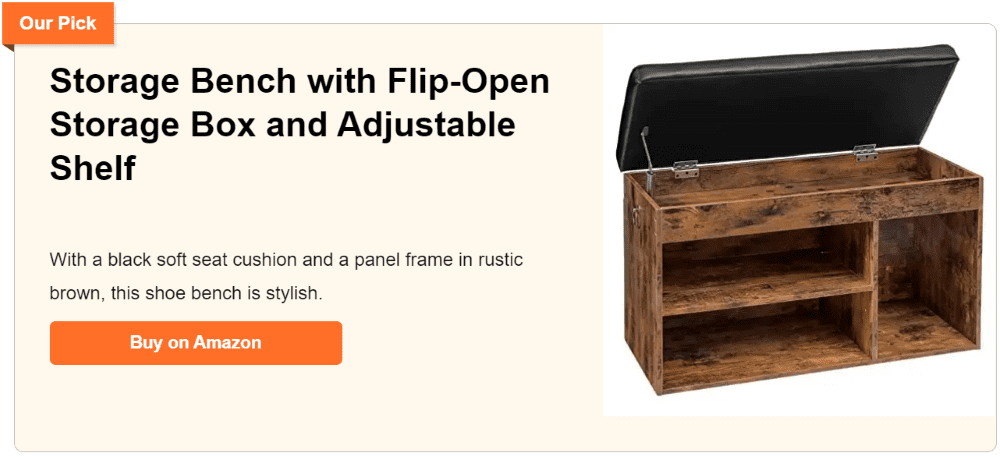
The best solution to keep your bathroom organized is with an efficient bathroom storage system.
Aside from storing bathroom items, it can also be used for decorative purposes. A way to get an organized look inside the bathroom is by matching the style of a storage system with its interior and decoration. This is another factor to consider when selecting storage.
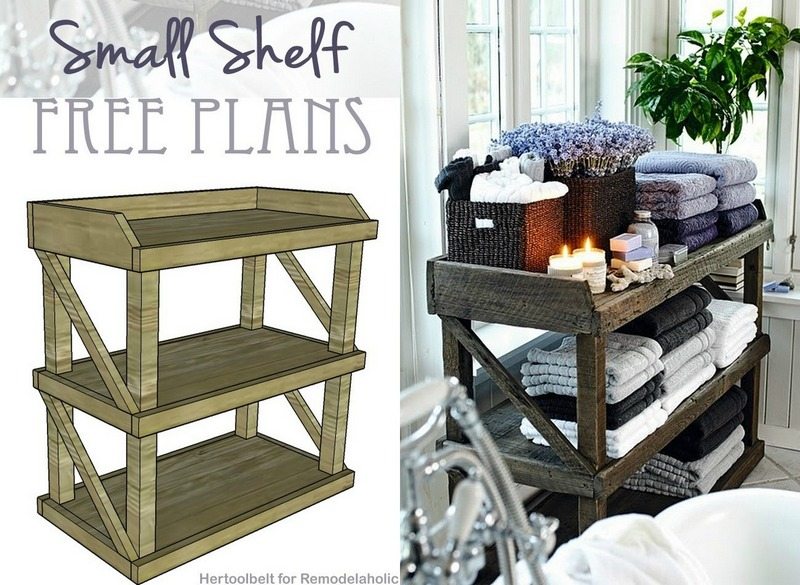
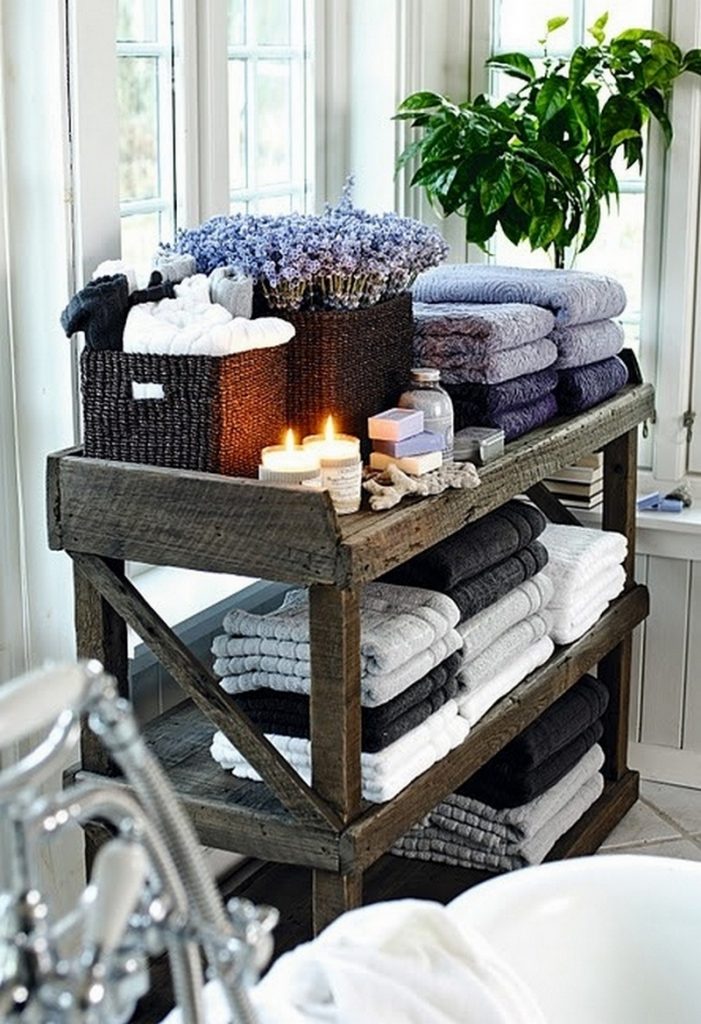
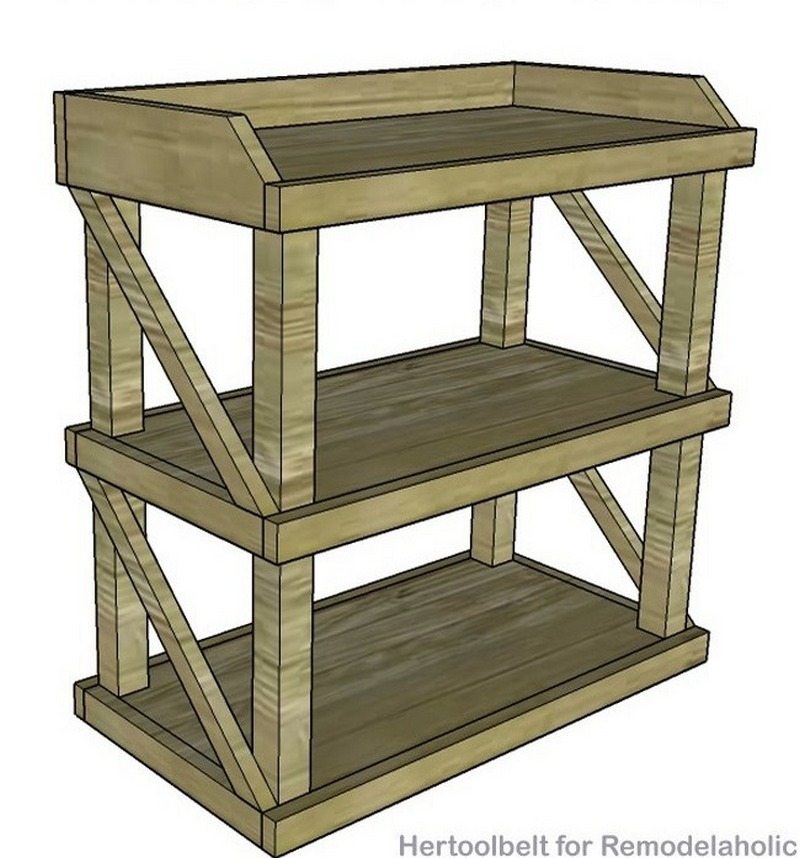
In this project, Amy of Hertoolbelt was on the lookout for a great bathroom storage solution. She came across this small rustic tub side storage shelf. We think it’s a great find as it has lots of storage space, and its rustic look is sure to fit in almost any style of bathroom.
If you already have a great bathroom storage system, you can use this for other storage purposes. This can serve as a shelf for storing shoes, boots, and other types of footwear. Take it to your garden shed and use it as a potting bench and storage for gardening equipment. Your imagination is the limit 🙂
Building a Small Open Shelf
Materials
- 2 – 2″ x 2″ x 8′ (actual 1 1/2″ x 1 1/2″)
- 2 – 1″ x 4″ x 8′ (actual 3/4″ x 3 1/2″ furring strip)
- 1 – 3/4″ x 2′ x 4′ plywood
- 8 – 1 1/2″ pocket hole screws
- 1 1/2″ minimum length brad nails
- wood glue
Steps
1. Measure and gather the materials
Determine the measurement of the size of your desired small open shelf. Collect all the materials you need based on the measurement you made for your shelf.
2. Divide the plywood
Divide the plywood into three 24” x 12” x ¾”, for the shelves, based on your measurement. Cut the corners of these two shelves equally, where we will connect the legs later.
3. Connect the legs
Attach the 4 legs (27 ¾” x 1.5” x 1.5”) on every corner of the shelves, using the 1.5” pocket hole screws and wood glue.
4. Attach the top shelf
Attach the top shelf (27 ¾” x 1.5” x 1.5”) on top of the legs, using the brad nails and wood glue.
5. Make a diagonal design
To make the diagonal cut design, rip a diagonal shape on the edge of small plywood (12” x 3 ½” x ¾”), make two pieces and attach them to both sides of the top shelf.
6. Make Small borders
For the small borders, cut the plywood into 24” x 12” x3/4”, equal to the length of the shelf. Then attach them to the shelves using the nails and wood glue. (24” x 12” x3/4”)
7. Make the slanted sides
To make the slanted (z-shaped) sides, cut the plywood with 17 1/2″ x 1 1/8″ x 4”. Then make a 49-degree angle. Glue and nail these diagonal cuts on the sides of the shelves.
8. Paint the shelf
After the assembly, now you can paint your shelf the colour that you want. Remember to apply a wood conditioner before painting. Let it dry. Finally, display it and fill them with your books, crafts or anything you want! 🙂
A great advantage of this project is that you can build it yourself without spending a fortune. The skills required to finish this project are quite basic, and you can build it out of reclaimed lumber.
Choosing the Best Wood for Your Open Shelf
Choosing the best wood for your open shelf can determine not only how it looks but also how long it lasts. The right type of wood provides strength, durability, and an appealing aesthetic that matches your room’s décor. Different woods offer varied benefits and appearances, from rustic charm to contemporary elegance. Before deciding, consider factors like durability, ease of work, finish, and budget. Here’s a detailed guide to help you select the most suitable wood for your open shelf project.
Hardwood vs. Softwood for an Open Shelf
When planning your open shelf, understanding the basic difference between hardwood and softwood is essential. Hardwoods, such as oak, walnut, cherry, and maple, offer unmatched strength and durability.
They’re typically denser, which means they’re less susceptible to dents and scratches. This makes hardwood an ideal choice for open shelf designs intended to carry heavy loads or frequent usage. Hardwoods also often feature appealing grain patterns, adding elegance and visual interest. However, hardwoods tend to be more expensive and require specialized tools or extra effort during cutting and sanding.
Softwoods, like pine, cedar, or spruce, are more budget-friendly and easier to work with. They’re lighter and softer, making them excellent for DIY enthusiasts or beginners creating their first open shelf. Pine, in particular, offers a smooth surface that’s ideal for painting or staining, providing versatility in achieving various finishes. Yet, because softwoods are more vulnerable to damage and wear, they’re better suited for decorative shelves holding lightweight items, rather than heavy-duty storage.
Durability and Strength Considerations
Durability should be a priority when selecting wood for your open shelf, especially if you’re placing heavier items like books, ceramics, or kitchenware. Hardwoods like oak and maple rank highly for strength and load-bearing capacity. Oak shelves, for example, withstand considerable weight and show minimal sagging over time. Walnut and cherry, while slightly less dense than oak, still provide ample durability and offer richer, darker color options to match sophisticated décor styles.
If your open shelf is more decorative or intended to display lighter items, pine or cedar can be sufficient. Cedar is particularly valued for its natural resistance to moisture and pests, making it ideal for shelves placed in humid environments such as bathrooms or kitchens.
Aesthetic and Finish Preferences
Wood choice significantly impacts the visual appeal of your open shelf. For a timeless, classic appearance, oak or cherry with clear varnish or a natural stain can complement traditional or rustic interiors beautifully. Walnut, prized for its rich, dark tones, is perfect for creating a luxurious, contemporary look. Maple offers lighter shades that enhance modern, minimalist spaces.
Softwoods, particularly pine, offer greater flexibility in customization. Pine’s naturally pale appearance makes it ideal for staining or painting, allowing you to match your open shelf precisely to your existing décor. Cedar, with its distinctive reddish-brown hue and aromatic scent, adds a unique touch to rustic or farmhouse-inspired settings.
Budget-Friendly Choices and Alternatives
Budget considerations can significantly influence the wood you choose for your open shelf. Hardwoods are generally pricier due to their superior durability and visual appeal. If cost is a significant concern, consider softwoods such as pine or spruce, which are readily available, affordable, and easy to work with.
Another economical option is engineered wood products, such as plywood or MDF (Medium Density Fiberboard). While not solid wood, quality plywood can provide excellent strength, stability, and resistance to warping. MDF is cost-effective, highly customizable, and works well for painted open shelf designs, though it has lower durability and is less resistant to moisture compared to solid wood.
Sustainability and Eco-Friendly Options
Choosing sustainable wood is increasingly essential for environmentally conscious homeowners. Bamboo, although technically grass, provides impressive durability, moisture resistance, and sustainability, making it a great eco-friendly alternative for your open shelf. Additionally, reclaimed wood sourced from old barns, pallets, or furniture offers a sustainable and character-rich option, perfect for creating unique open shelf designs with historical charm.
Selecting the best wood for your open shelf involves balancing durability, aesthetics, practicality, and budget. By considering these key factors, you can choose a material that not only suits your storage needs but also complements your home’s décor beautifully.
Open Shelf Gallery
Click on any image to start the lightbox display. Use your Esc key to close the lightbox. You can also view the images as a slideshow if you prefer 😎
Creative Ways to Decorate Your Open Shelf
Decorating your open shelf creatively can significantly enhance the aesthetic appeal and functionality of any room. Unlike closed storage units, an open shelf allows you to showcase personal style and treasured items, turning everyday storage into a focal point. Here are several creative ideas to inspire your open shelf décor, helping you achieve a balanced and appealing look effortlessly.
Group Items by Color or Theme
Grouping items by color is one of the simplest yet most impactful ways to decorate your open shelf. Select objects in similar or complementary hues to create visual harmony. For instance, arrange books in color-coordinated groups or stacks to form a striking rainbow effect.
You can also follow specific themes, such as vintage accessories, nautical elements, or natural textures, to lend cohesion and visual interest to your open shelf. This technique makes the shelf appear organized and intentional, ensuring your décor never feels cluttered.
Add Plants and Natural Elements
Introducing greenery and natural elements to your open shelf instantly breathes life and freshness into your space. Plants, especially trailing varieties like ivy or pothos, soften hard edges and create a relaxed, organic ambiance. Succulents, small ferns, or air plants are ideal choices because they require minimal maintenance yet offer significant visual appeal.
Combine plants with other natural materials such as wooden bowls, woven baskets, or stones to enhance the earthy, welcoming feel of your open shelf. This approach not only beautifies the shelf but also promotes a sense of tranquility and well-being within the room.
Mix Textures and Heights
A visually captivating open shelf relies heavily on diversity in textures and varying object heights. Mixing textures like ceramic vases, metallic frames, glass jars, or fabric-covered books can add depth and tactile interest.
To further enhance the visual impact, use height variation. Stack books horizontally to lift smaller objects, or place taller pieces like vases or sculptures next to shorter, wider items for contrast. Such strategic arrangements prevent monotony and give your open shelf a professionally styled, dynamic appearance.
Incorporate Personal Memorabilia
Displaying personal memorabilia adds warmth, charm, and individuality to your open shelf. Photographs, family heirlooms, travel souvenirs, or meaningful artwork make your shelf truly unique. Frame and display cherished family photos or postcards from memorable vacations alongside stylish decorative elements.
This personal touch can serve as a conversation starter, helping to tell your story while adding depth and authenticity to your décor. Incorporating memorabilia ensures your open shelf remains meaningful and deeply connected to your life’s experiences.
Use Decorative Containers for Storage
Practicality meets beauty when you use decorative storage containers on your open shelf. Stylish boxes, woven baskets, or decorative bins provide discreet storage while contributing aesthetically to your shelf’s décor. Containers help organize smaller items like stationery, electronics, craft supplies, or kitchen essentials.
Choose designs that complement your interior style—modern metallic bins, rustic woven baskets, or elegant glass jars—and arrange them thoughtfully to maintain an attractive, clutter-free appearance on your open shelf.
Play with Artwork and Books
Artwork and books are classic elements for styling shelves, bringing sophistication and interest to your open shelf. Display framed artwork leaning casually against the back of the shelf, layering pieces of varying sizes for depth and visual intrigue.
Books arranged vertically and horizontally not only create height variation but also serve as platforms to showcase smaller decorative items, sculptures, or candles. Combining art and literature reflects refined taste, transforming your open shelf into a curated display that evokes curiosity and admiration.
Lighting to Highlight Your Décor
Lighting can dramatically transform the look of your open shelf, adding atmosphere and highlighting specific décor pieces. Consider incorporating subtle LED strip lighting beneath shelves or small spotlight fixtures to illuminate decorative elements.
Soft lighting creates an inviting ambiance, especially in the evenings, drawing attention to your carefully arranged items and adding dimension. Properly lit shelves make a remarkable difference, enhancing the overall visual impact and warmth of your open shelf display.
Decorating your open shelf creatively involves thoughtfully blending aesthetics and functionality. By incorporating these strategies, you can turn an ordinary shelf into an engaging, personalized statement piece that reflects your style and enhances your home’s charm.
Conclusion
Creating an open shelf is a practical and stylish way to enhance any room’s functionality and aesthetic appeal. With thoughtful wood selection, creative decoration, and attention to detail, you can build an open shelf that showcases your personality and meets your storage needs. This simple yet rewarding DIY project transforms ordinary spaces into inviting, organized environments. Begin your open shelf today to bring beauty, functionality, and charm into your home.
If you liked this project, you might also like these shelves and bookcases…