Last Updated on October 22, 2026 by teamobn
You know the open home. Fresh white ceiling, a heavy hit of air freshener, the agent chatting at you right where you’re trying to look. Everything’s lovely. Then six months after settlement a brown ring creeps across the bedroom ceiling and you’d swear it wasn’t there before.
Fixer-uppers come with problems; that’s what the discount is for. You’ve probably sorted the obvious list already (kitchen, carpet, that bathroom), but it’s whatever isn’t on the list that blows the budget. Thermal imaging won’t catch all of it. What it can do is catch some of it while you can still walk away, which beats finding out after the contract’s signed.
So what does a thermal camera actually see?
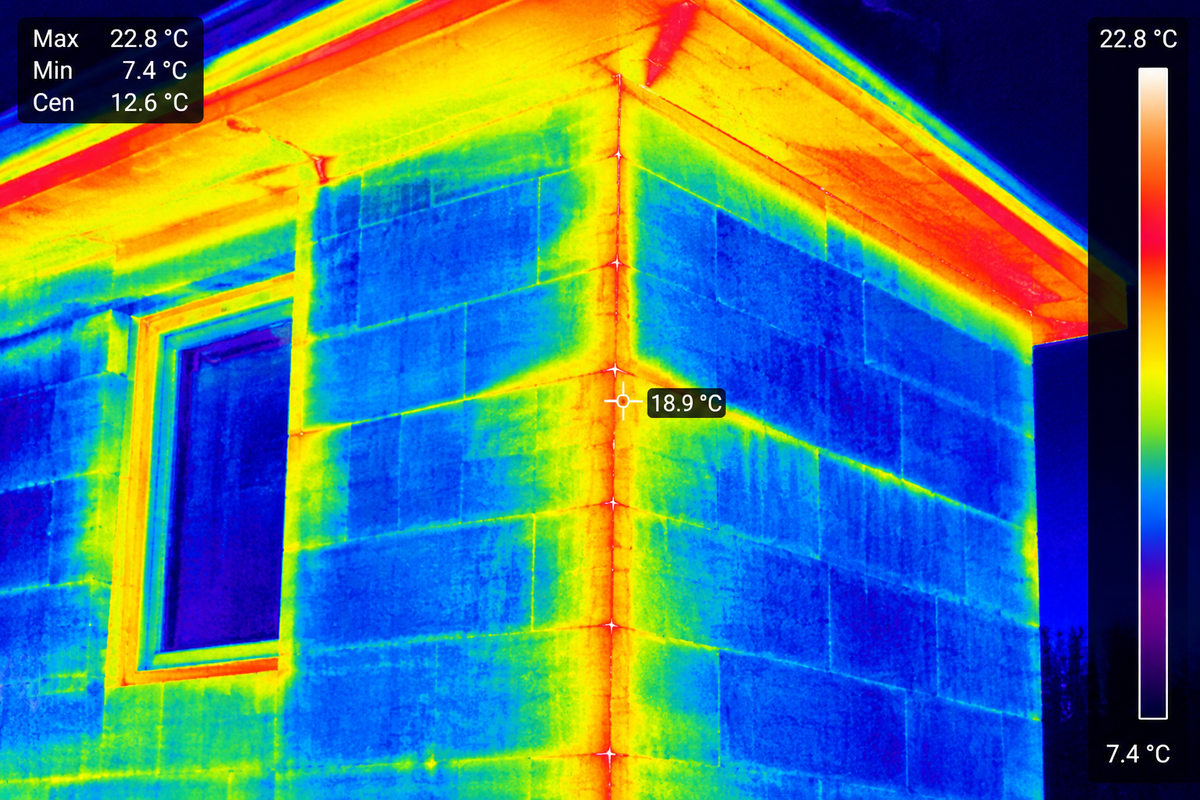
Disclaimer: AI-generated image
Not through walls, for a start. People picture an X-ray and it’s nothing like that. The camera reads surface temperature and turns it into colours, full stop. It helps because a damp patch, a damaged section or a gap in the insulation often sits at a different temperature from the wall around it, even when the paint looks the same everywhere.
One Sydney inspection firm sums it up like this: warm can mean an overloaded circuit or missing insulation, cool can mean moisture or a draught getting in. So the picture is a pointer, not a verdict. It tells the inspector where to start poking around.
It’s no longer a rarity, either. Realtor.com says infrared cameras used to be a perk for high-end buyers and are now turning up in ordinary inspections across the US. Thermal imaging isn’t only for fancy purchases anymore.
What thermal imaging is good at
Damp first, because in an old house it’s usually the big one. A roof can leak for years and look fine from the street. Wet material holds heat differently to dry material, so a scan can pick up a damp patch hiding behind paint that looks perfectly healthy; leaking plumbing shows up the same way. Realtor.com’s list of what the camera can reveal even includes a rat running through a wall, which you’d rather hear about before settlement than after.
Insulation is the next one. A lot of older places have batts that have slumped, or gaps where there’s nothing at all, usually in the corner of the roof space nobody wants to crawl into. You’d never see that on a walk-through. A scan will, and it gives you a rough feel for how miserable the house will be in January and July. Realtor.com also quotes an energy specialist who says a brand-new house can fail a thermal scan, so a quick cosmetic makeover proves nothing at all.
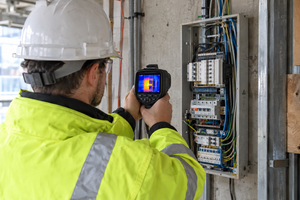
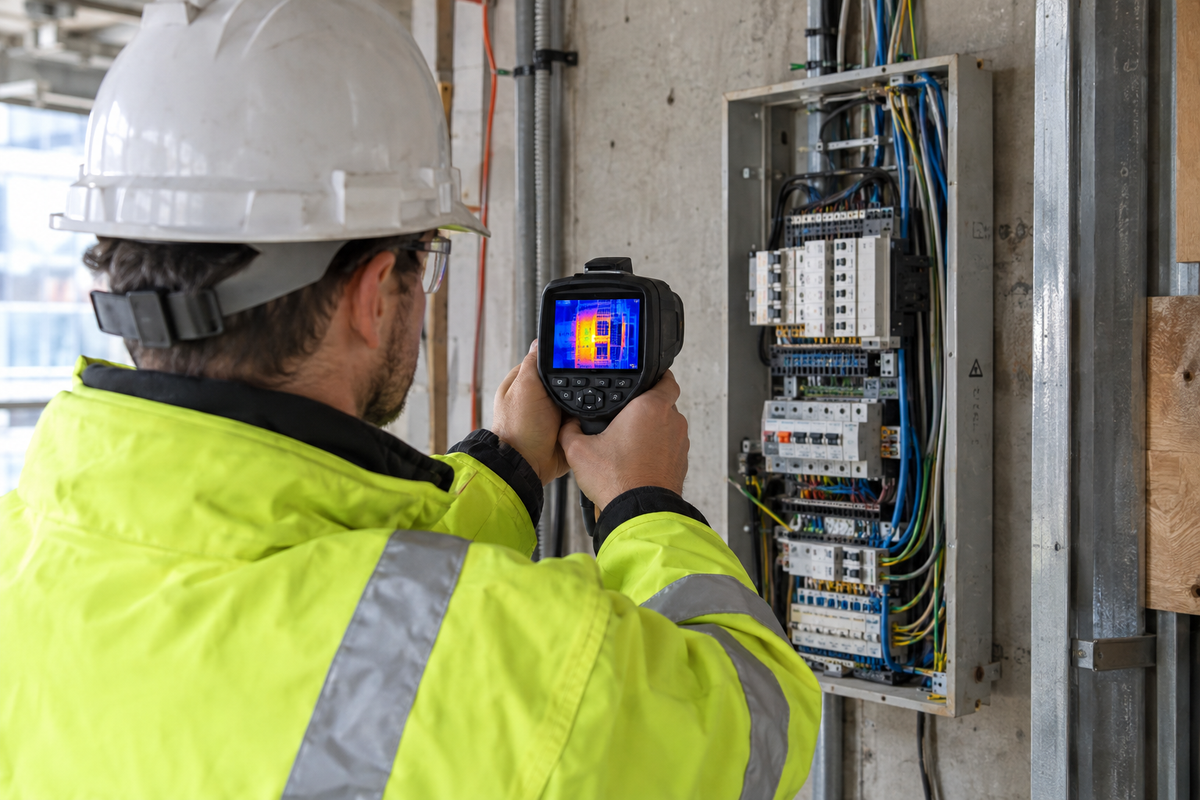
Wiring is the one to take most seriously. Zurich, the insurer, says thermal cameras are commonly used for electrical inspections because they show heat that could lead to a fire. If a scan flags a warm connection in the switchboard, ring a licensed electrician. Don’t have a go yourself.
Draughts show up as cool streaks around windows, doors and ceilings. Annoying, mostly harmless.
Where thermal imaging falls short
Here’s where people get ahead of themselves. The camera reads surfaces, and that’s all. A solar-industry inspection guide makes a good point on this: heat is only a symptom, and a physical defect can sit around for a while before it shifts the temperature enough to register. So a cracked pipe or a tired cable can look completely normal on the day.
Conditions play a part as well. A mild, still day can hide things that a cold morning would show up. And the camera’s only ever as good as whoever’s holding it.
Nor does it replace a building and pest inspection; it sits on top of one. It won’t tell you how to fix anything or what the repair will cost either. That’s for the right licensed tradie.
What to look for yourself at the open home
Your own eyes still count for a lot. Before anyone brings a camera, there’s plenty you can notice while you’re wandering around, and all of it is worth mentioning to the inspector.
Look for stains or bubbling paint on ceilings, and down near the bottom of walls. Sniff for mustiness in a closed-up room or the bathroom. Try the doors and windows and see whether they stick. Check if the switchboard looks like it’s from another era, or if any powerpoints are discoloured. And if you can get a look into the roof space, see whether the insulation seems thin or missing in patches.
None of that proves anything on its own. It tells you where to point the inspector, and it’s where thermal imaging earns its money, because it can show how far a problem reaches beyond the bit you can see. A small stain on a ceiling might be an old leak that was fixed years ago. Or it might not. The camera helps narrow that down before you’re the one paying to find out.
Reading the report without a degree
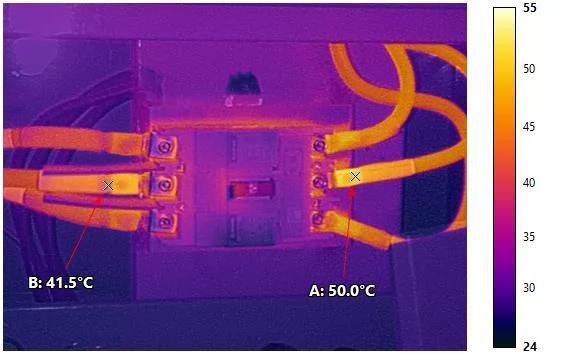
Image Source: https://thermalscanners.com.au/wp-content/uploads/2025/07/FLIR0056.jpg.webp
Open one up and it’s mostly pictures: a normal photo, the thermal version beside it, and a colour scale down the side. Red isn’t a disaster. It just means warmer than whatever’s next to it, and a warm patch over a stovetop is completely normal. A warm patch on a bare wall with nothing behind it? That’s a question for the inspector.
So ask. What’s this showing? What do you reckon is causing it? What should get checked next? A flagged patch is a lead, not a confirmed fault, and good operators will tell you where their confidence runs out. If someone quotes you a repair price off one photo, be wary.
Book the scan alongside the building and pest inspection, before you’re committed. And ring the agent beforehand about the switchboard and the roof hatch, since a scan can’t see what the operator can’t get to.
Using it to haggle
Say thermal imaging turns up damp in a bedroom ceiling and a cold patch by the bathroom wall. Now you’ve got something to hand a builder or plumber for a quote, rather than a bad feeling.
Picture two buyers looking at the same weatherboard cottage. One goes on the agent’s word and a quick lap of the house. The other has a scan showing a damp ceiling and a warm switchboard connection. Neither’s being difficult, but only one of them walks into the negotiation with evidence.
Money wise, one Sydney inspection firm puts drainage upgrades at $10,000 to $15,000 and a new bathroom at around $25,000. Rough figures, and prices differ by state, but a stain that looks cosmetic can turn into a rebuild very quickly.
Mind you, if you’re planning to gut the place anyway, a scan matters a lot less. Save the money for the walls that are staying.
Finding someone to do it
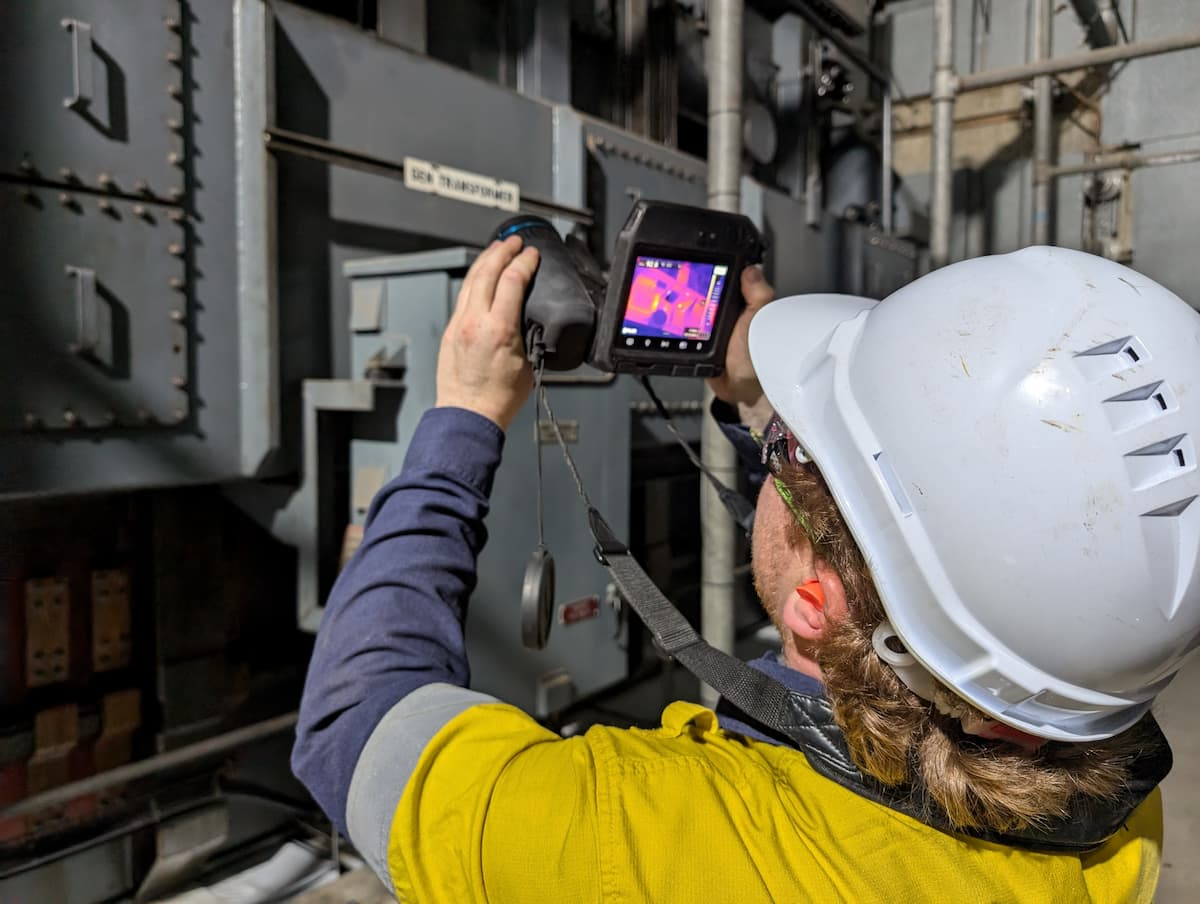
Image source: https://thermalscanners.com.au/wp-content/uploads/2025/06/electrical_thermal_imaging.jpg
Plenty of building inspectors can bring a thermal camera along, and a few businesses do almost nothing else. Ask for a sample report before you book. If the images aren’t labelled, or there’s no mention of the conditions on the day, move on. Same if it reads like a physics paper.
South Australian buyers have local options. Adelaide has loads of established suburbs full of older stone and brick homes, the sort of places where damp and ageing wiring tend to come up. If you’re eyeing one, ring a local provider who offers thermal imaging across Adelaide and ask whether they can look at the place before you go further.
Quick questions buyers ask
Can a thermal scan find everything wrong with a house?
No. Thermal imaging deals in heat patterns and that’s it. It won’t tell you whether the stumps are rotten or termites have been at the frame, and it can’t see the plumbing inside a wall. That’s what the building and pest inspection and the right tradie are for. Think of the scan as a second opinion on the things heat can show.
Is it worth it if the house looks fine?
Probably, and a clean-looking house is the best argument. Remember the energy specialist who told Realtor.com that a brand-new house can still fail a thermal scan? Paint and new carpet tell you nothing about what’s behind them. On a fixer-upper, a scan is a small extra next to the purchase price.
What happens if the scan flags something?
First, breathe. A flagged patch isn’t a diagnosis. Ask the inspector what they think is behind it, then get a quote from the right trade (a plumber for damp, an electrician for anything near the switchboard). With that in hand you can ask the seller to fix it, knock something off the price, or pull out.
Does the weather or time of year matter?
Sometimes. The solar-industry guide mentioned earlier lists temperature, wind and timing as things that change what a camera picks up. So ask the inspector what conditions they like to work in, and whether they’ll rebook if the day’s rubbish. A vague answer is another warning sign.
How much does it cost?
There’s no single price. Some inspectors tack a scan onto a building and pest inspection; others quote it as a separate job. Get the figure before you book, then hold it up against what a hidden problem could cost you (see the repair figures above).
Next step
When you book the building and pest report on your next fixer-upper, ask if a thermal scan can happen on the same visit. Then ask for a sample report. If either answer comes back vague, keep looking.