
Last Updated on December 16, 2025 by teamobn
Looking for unique bookshelves for your home?
This guide gives you:
- 7 creative bookshelf ideas with photos
- Tips on choosing the right bookshelf for your space
- The best materials for different needs and budgets
- Simple maintenance tips to keep your shelves safe and attractive
Whether you live in a small apartment or a large family home, you can find a unique bookshelf idea here that adds both storage and style.

Key Takeaways
- A unique bookshelf can act as storage and wall décor at the same time.
- For small rooms, tall or wall-mounted shelves save precious floor space.
- Solid wood and metal are best for heavy book collections.
- Glass and acrylic shelves are better for light books and décor items.
- Regular dusting, even weight distribution, and dry conditions help prevent sagging and warping.
What Is A Unique Bookshelf?
A unique bookshelf is more than a simple set of straight shelves. It is a storage piece that also acts as a design feature in your room.
Unique bookshelves can:
- Take unusual shapes such as circles, stars, or letters
- Combine seating and storage
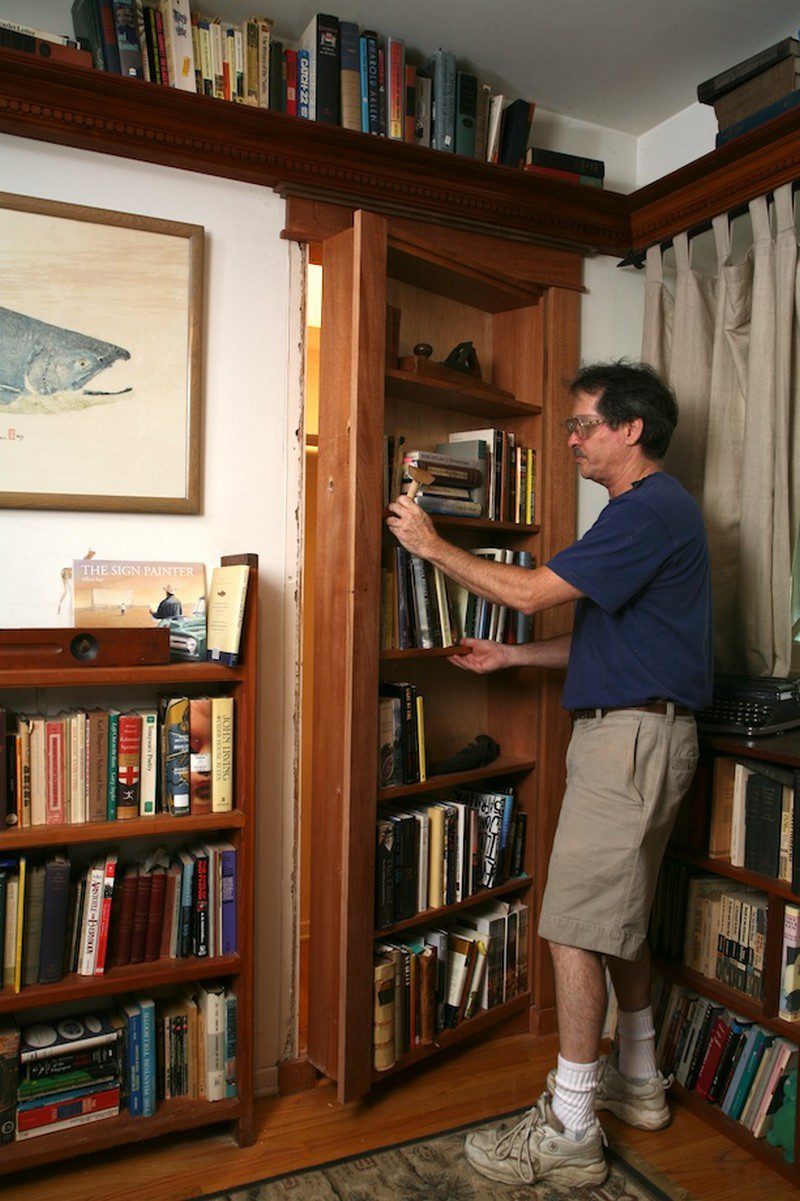
- Hide books inside furniture or behind doors
- Use creative materials such as pallets, pipes, or recycled pieces
The right unique bookshelf shows off your personality and makes your home feel more interesting and inviting.
7 Creative And Unique Bookshelf Ideas
Below are seven eye-catching bookshelf ideas with practical notes to help you decide which one fits your home best.
Full Circle Bookshelf
This round bookshelf looks like a piece of art on your wall. Its circular shape instantly attracts the eye and works well as a bold statement piece.
- Best for: Living rooms, home offices, or reading corners
- Room size: Medium to large rooms with enough wall space
- Style: Modern, minimalist, or artistic interiors
Tip: Place the heaviest books on the lower or middle sections and use the top areas for lighter décor, such as plants and small objects, to make a statement with their furniture. This unique bookshelf will surely be a conversation piece.

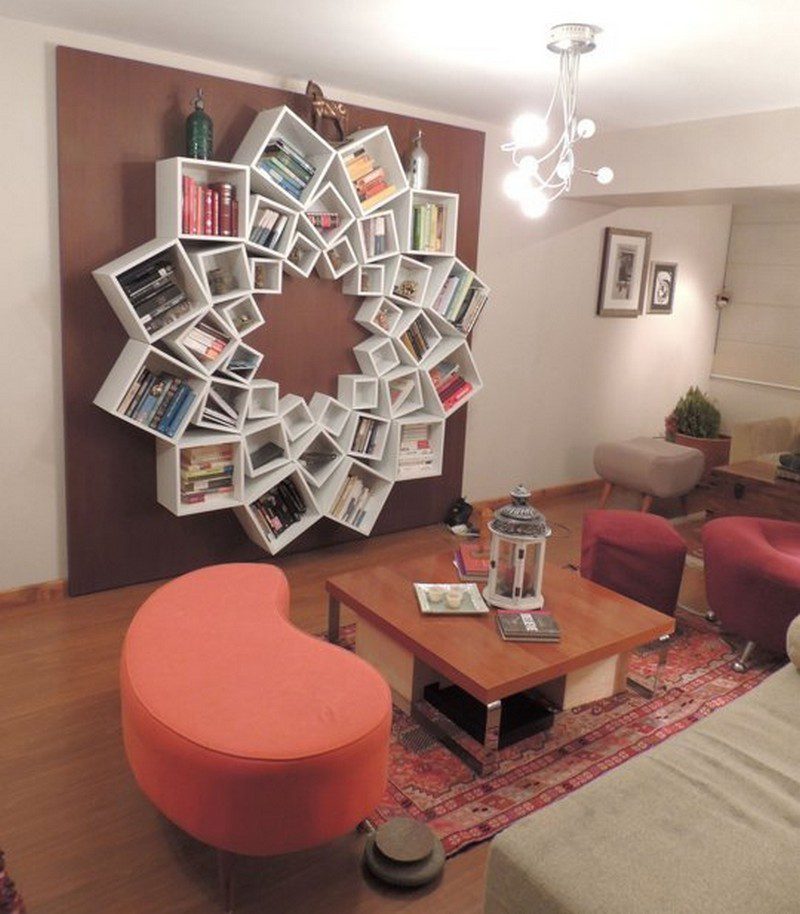
Flower Or Star Bookshelf
A flower or star-shaped bookshelf is both playful and elegant. The deep shelves make it practical as well as beautiful.
- Best for: Home libraries, kids’ rooms, or creative workspaces
- Room size: Medium rooms where the shape can be seen clearly
- Style: Whimsical, eclectic, or bohemian interiors
Tip: Use the center or lower points for your most read books and the outer points for lighter items such as photos and small décor pieces
Block Bookshelf
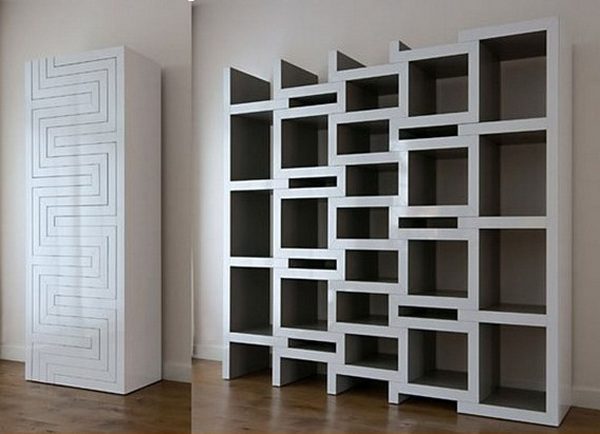
A block bookshelf made from cement blocks and wood planks has a strong and simple look. It combines industrial style with sturdy function.
- Best for: Home offices, studios, and modern living rooms
- Room size: Small to large, depending on how wide you build it
- Style: Industrial, modern, or minimalist spaces
Tip: Stack the cement blocks in stable patterns and place heavier books close to the blocks for better support.
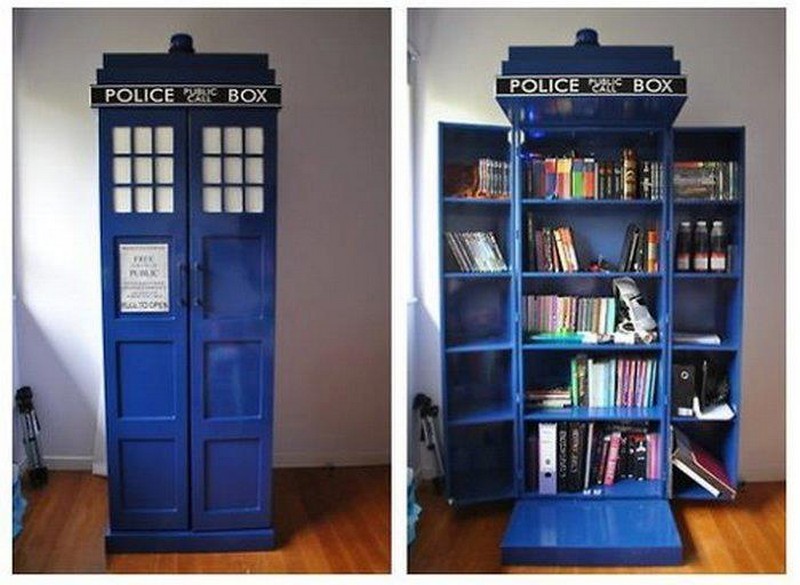
Tardis Bookshelf
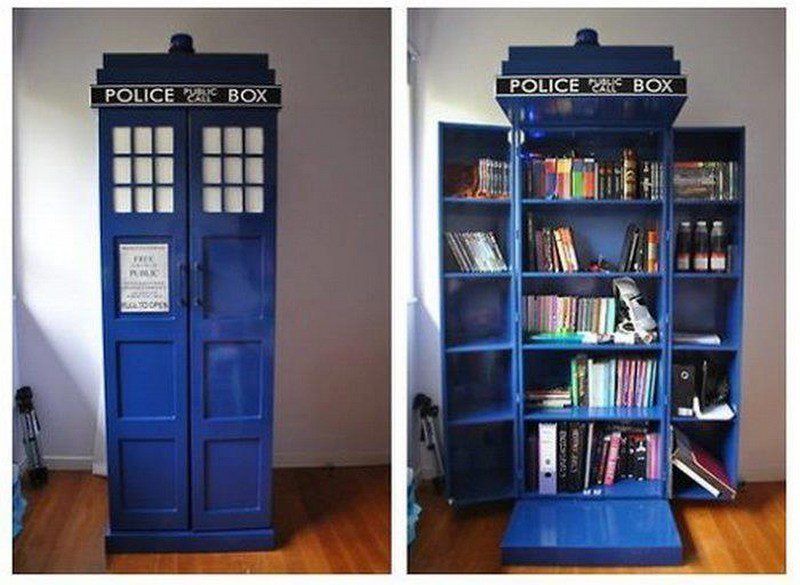
The Tardis bookshelf is designed to look like a classic police box. It can hide your books behind a door while adding a fun, themed touch to your room.
- Best for: Fans of science fiction, teenagers’ rooms, and themed home offices
- Room size: Small to medium, since it uses more vertical than horizontal space
- Style: Themed, quirky, or geek chic interiors
Tip: Use the inside to store your private collection and place a few themed items on top to complete the look
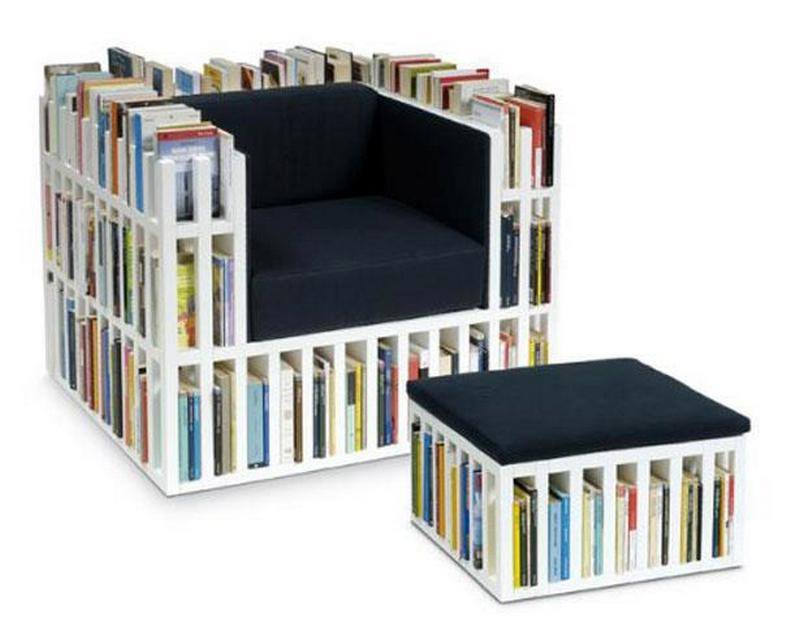
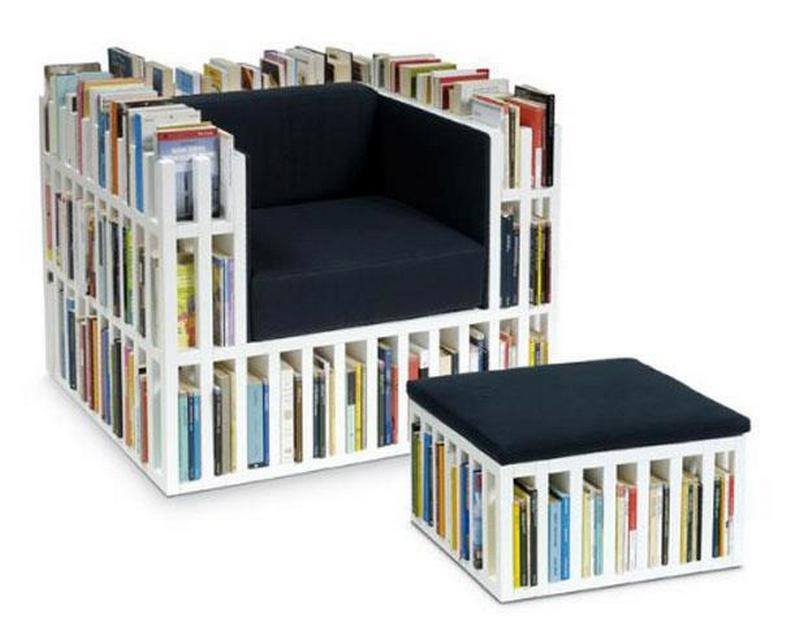
Chair Bookshelf
A chair bookshelf combines seating and storage in one piece. Shelves are built into or around the chair, so your favorite books are always within reach.
- Best for: Reading corners, bedrooms, and small apartments
- Room size: Small to medium rooms where multi-use furniture is helpful
- Style: Cozy, modern, or minimalist spaces
Tip: Keep only your current reads and a few favorite books on the chair to avoid clutter and maintain comfort
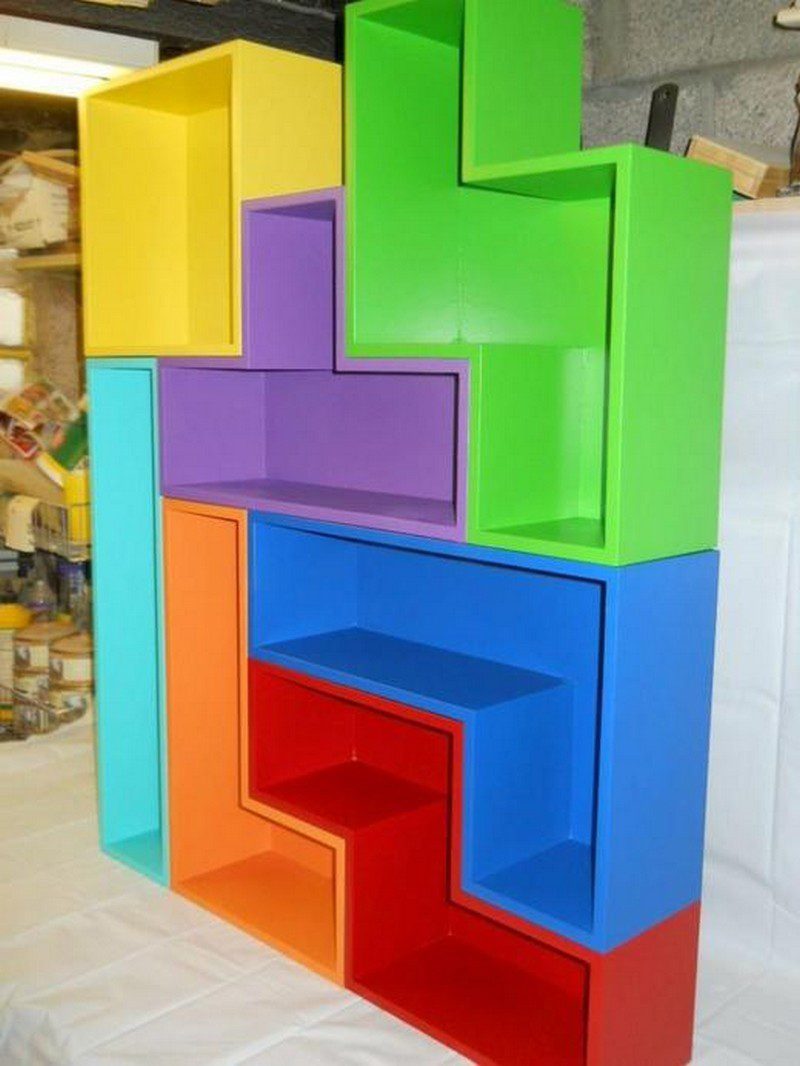
Tetris Bookshelf
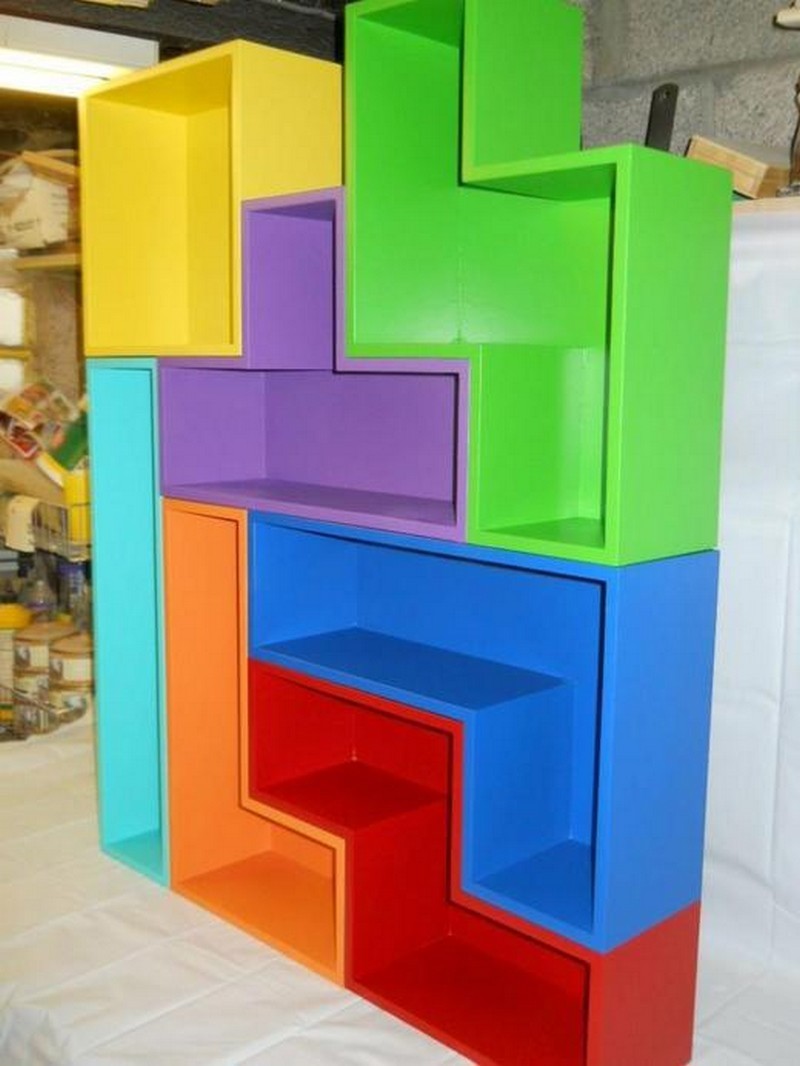
A Tetris-inspired bookshelf uses shapes that look like classic Tetris blocks. You can arrange the pieces in different patterns on your wall or floor.
- Best for: Living rooms, playrooms, and creative studios
- Room size: Any size, since you can scale the number of blocks
- Style: Playful, modern, or colorful spaces
Tip: Mix colors for a fun look or stick to one color for a more grown-up version of the theme
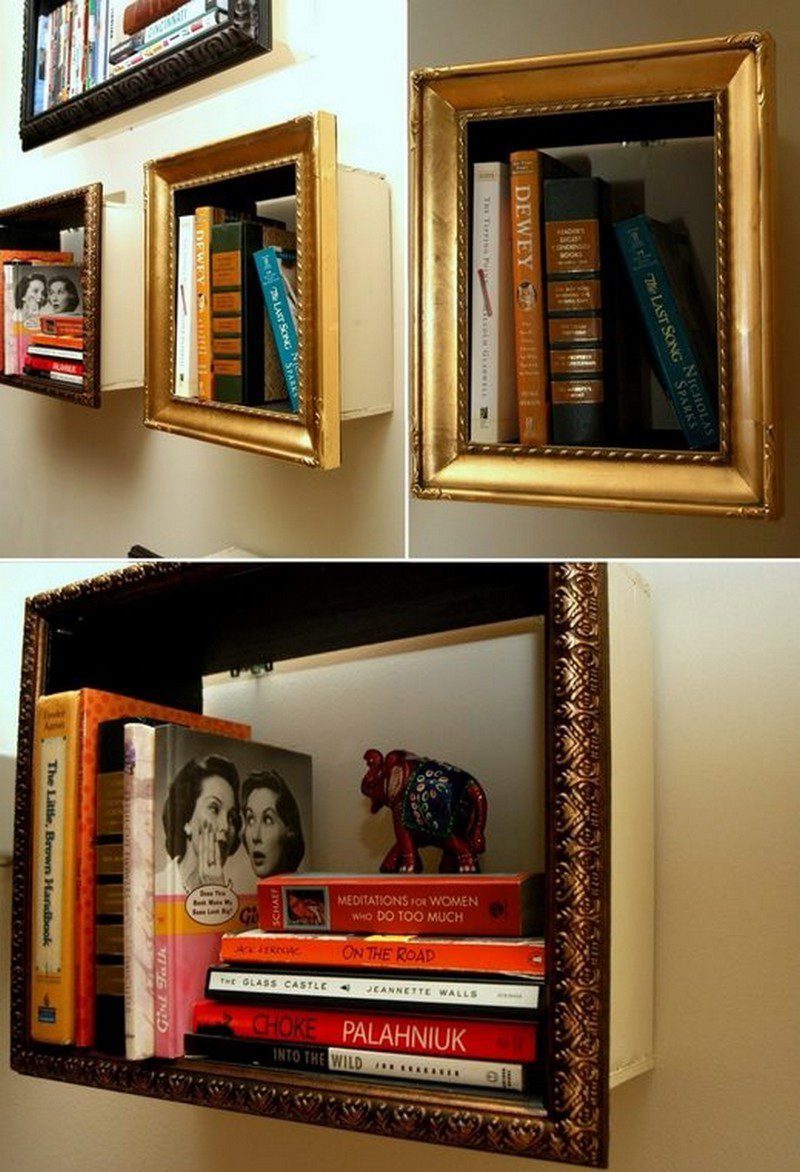
Picture Frames Bookshelf
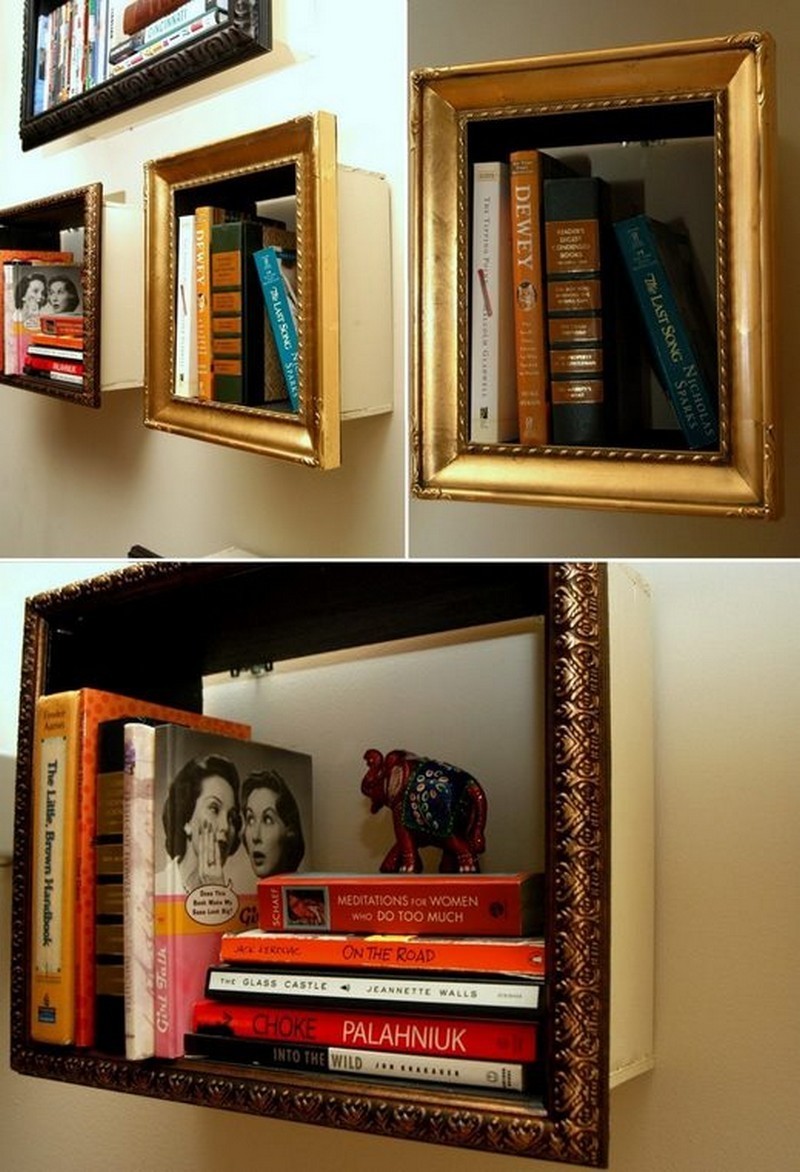
Picture frame shelves use framed fronts with shallow box shelves behind them. The result looks like artwork on the wall, but each frame also holds books and décor.
- Best for: Hallways, small bedrooms, and living rooms with limited floor space
- Room size: Very small to medium, since they use wall space instead of floor space
- Style: Gallery walls, eclectic interiors, and family homes
Tip: Arrange frames in a grid or gallery style pattern. Use them to store slim books, small décor, or a mix of framed art and paperbacks
How to Choose the Right Unique Bookshelf for Your Home
Choosing the right bookshelf is about more than just looks. It affects how well you can store your books and how your room feels overall. You should consider these questions:
How Should You Match Your Bookshelf To Your Space And Layout?
Before you choose a bookshelf, measure the space carefully.
- Measure wall width and ceiling height
- Note nearby windows, doors, and outlets
- Check how much floor space you can spare
If the room is small, a tall and narrow bookshelf helps you store more without using much floor space. Floating wall shelves and corner shelves are also very good options for tight areas.
In larger rooms, a wider, lower bookshelf can create a grounded look and act as a visual anchor behind a sofa or under a TV.
What Material Should You Choose For Your Bookshelf?
The right material affects strength, price, and style.
- Solid wood gives a classic, warm look and handles heavy books well
- Engineered wood is more affordable and comes in many finishes
- Metal provides a strong, modern look and suits heavy loads
- Glass adds a light and airy feel and works well for displays
- Acrylic or plastic offers playful, modern designs at a lower weight
You will find a more detailed comparison in the materials section below.
How Do You Match Your Bookshelf To Your Style?
Your bookshelf should blend with the rest of your décor.
- Rustic or traditional rooms work well with oak, pine, or other wood finishes
- Modern or industrial rooms suit metal, glass, or simple black and white designs
- Kids’ rooms or creative spaces can use bold colors, fun shapes, and themed designs
If you prefer a simple look, floating shelves and slim wall-mounted units keep the focus on your books and décor rather than the shelf structure itself.
How Do You Make Sure Your Bookshelf Is Functional?
Think about what you want to store.
- Mostly books: Choose deeper shelves and strong supports
- Books plus décor: Mix open shelves for display with some closed storage
- Lots of small items: Use baskets or boxes on open shelves to keep things organized
Adjustable shelves give you the most flexibility. You can raise or lower them to make room for tall art books, storage boxes, or media.
How Can You Check Weight Capacity And Durability?
A bookshelf should hold books without sagging or wobbling.
- Look for thicker shelves for heavy hardcovers
- Choose solid wood or metal frames for large collections
- For wall-mounted shelves, use proper anchors and screws for your wall type
If you are unsure about weight limits, it is safer to spread heavy books across several shelves and keep the heaviest ones near the sides or near the supports.
How Important Are Assembly And Mobility?
Some bookshelves arrive fully built, while others need assembly.
- If you want a permanent, built-in look, a heavier unit that is anchored to the wall is a better choice
- If you move often or like to rearrange rooms, consider lighter, modular bookshelves
- Bookshelves on wheels or stackable cubes are easy to shift between rooms
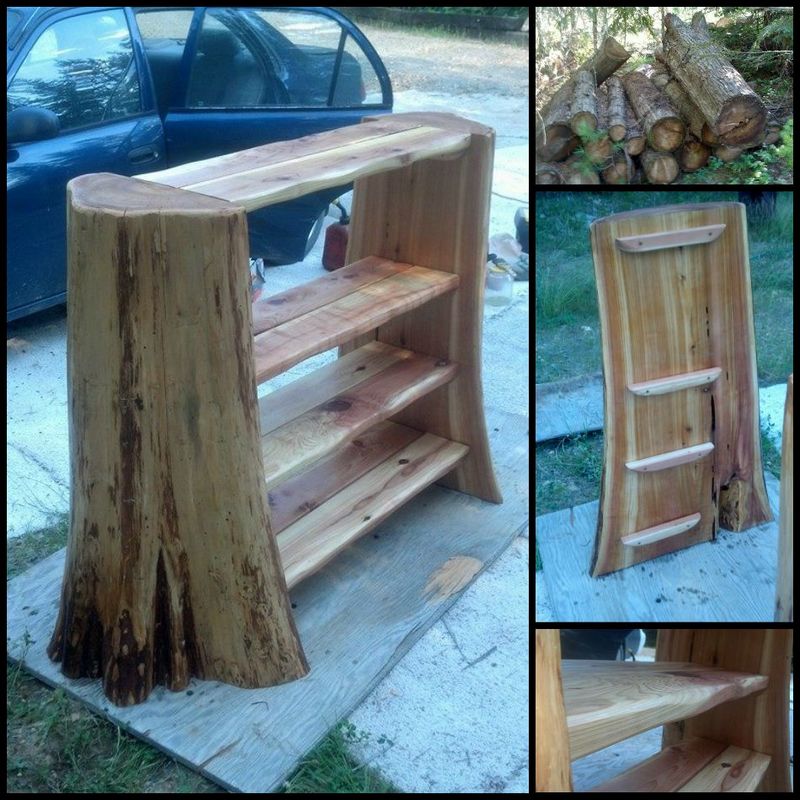
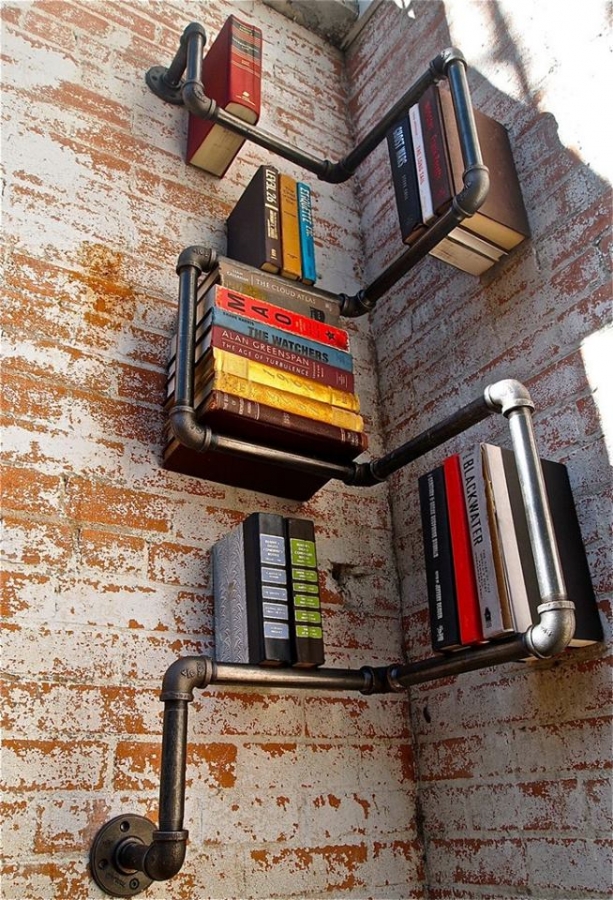
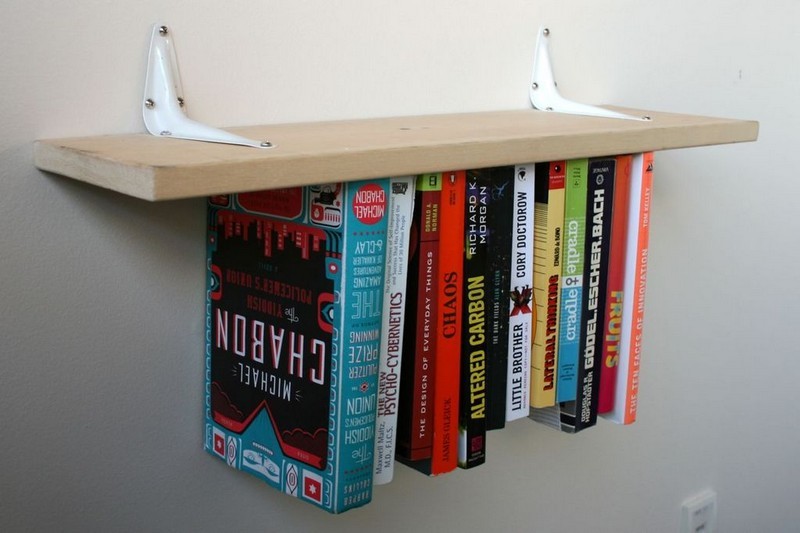
If you want more, check out our gallery. 🙂
Click on any image to start the lightbox display. Use your Esc key to close the lightbox. You can also view the images as a slideshow if you prefer 😎

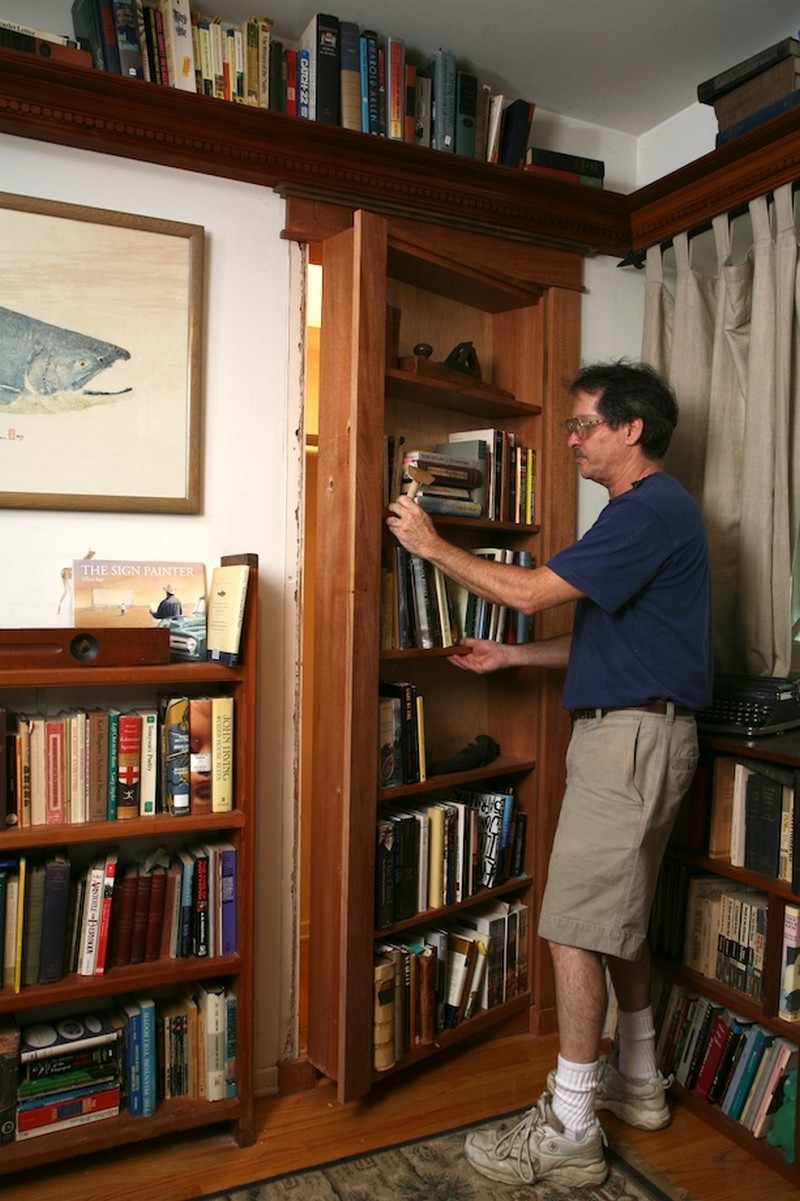
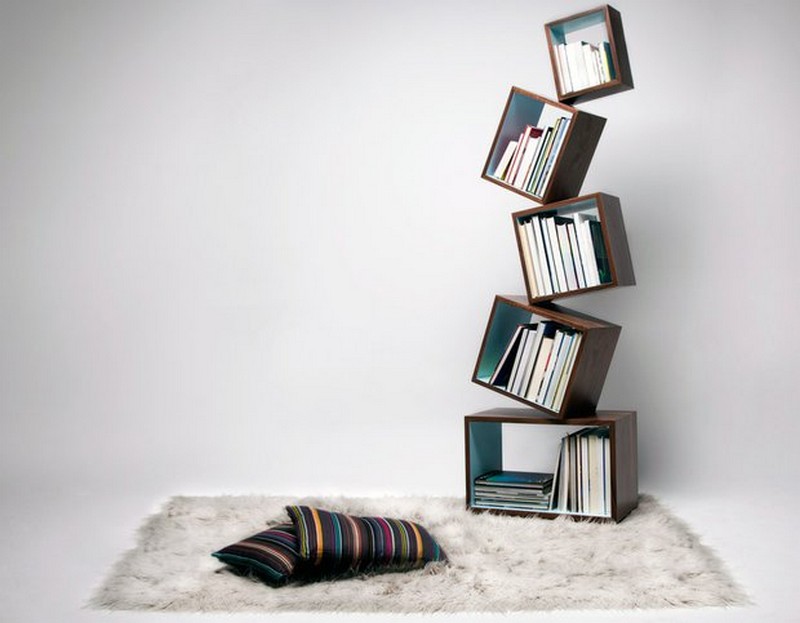
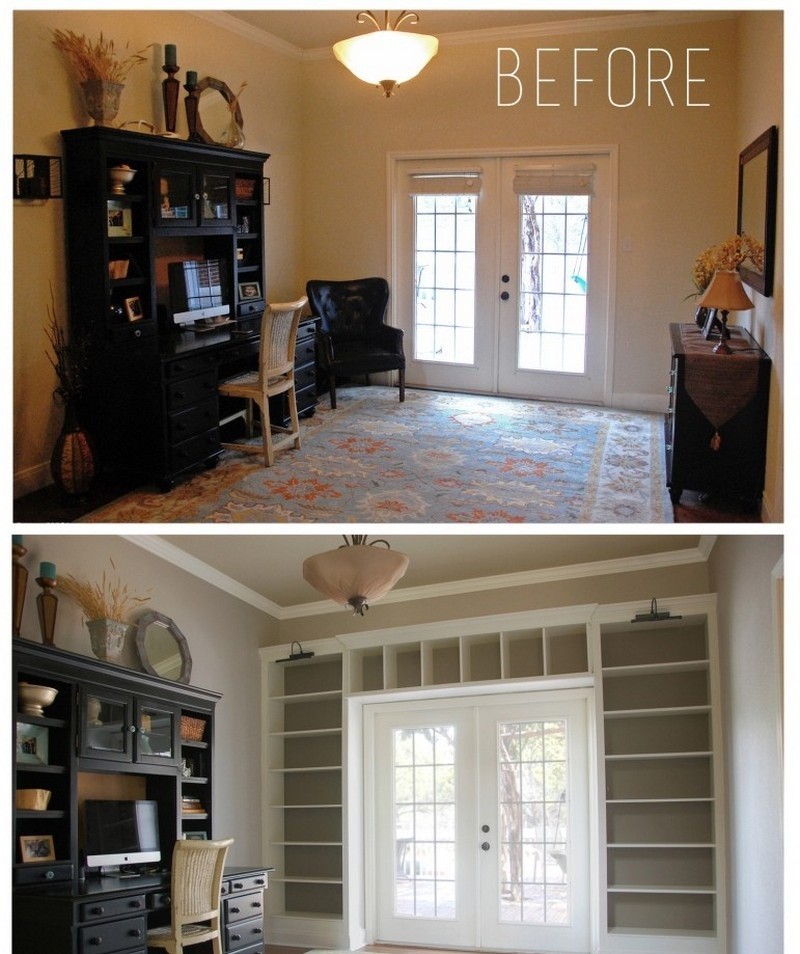

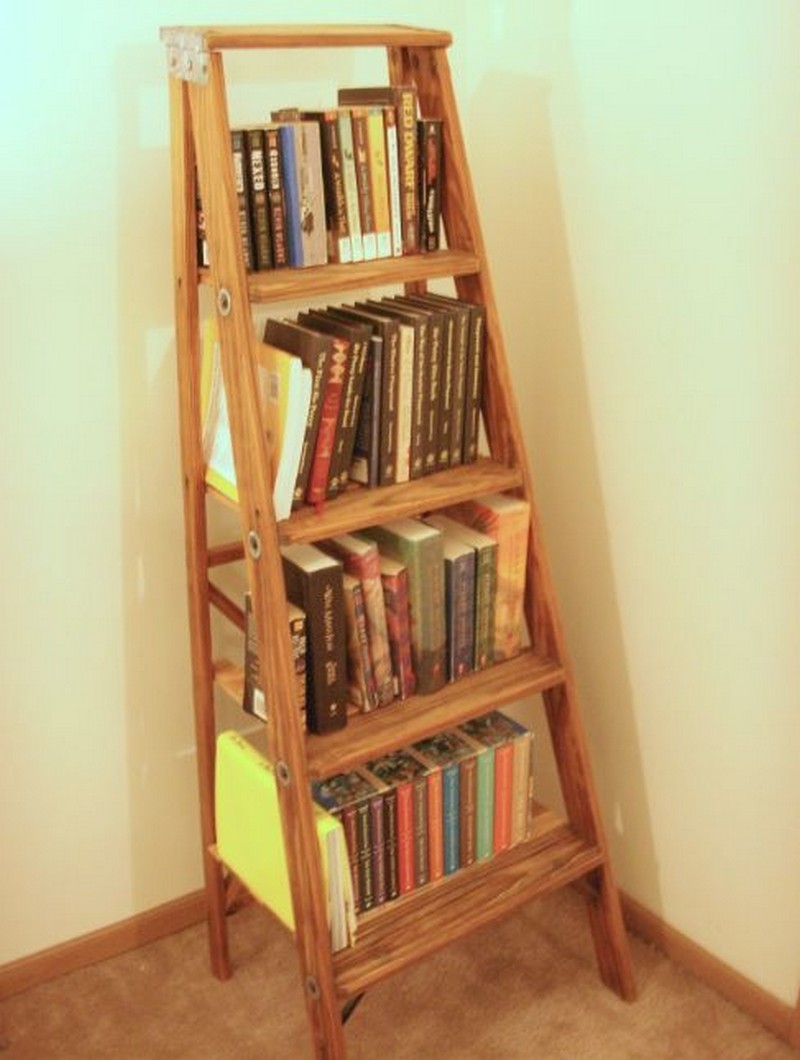
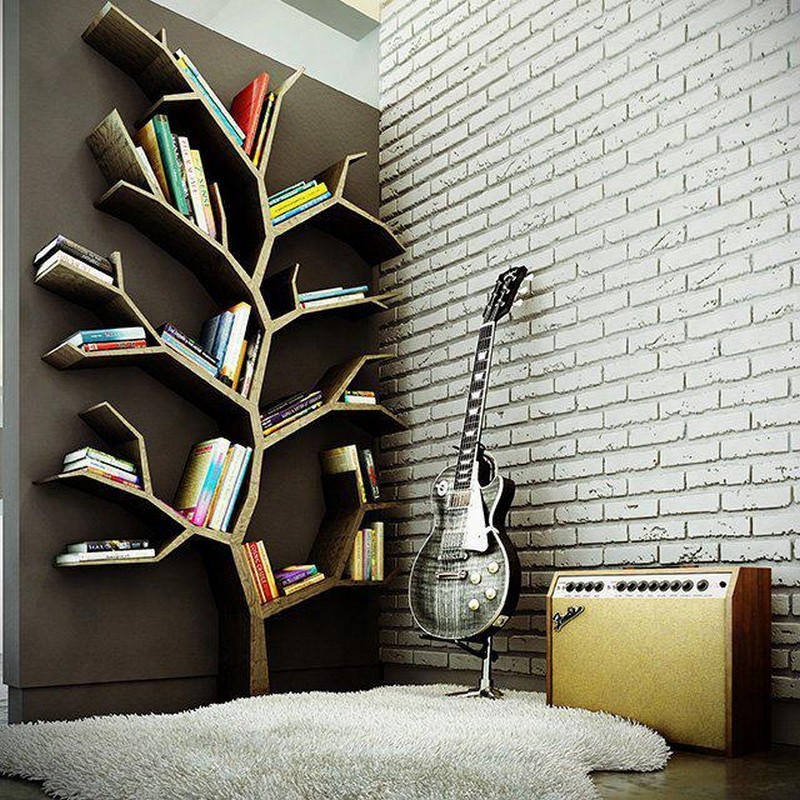
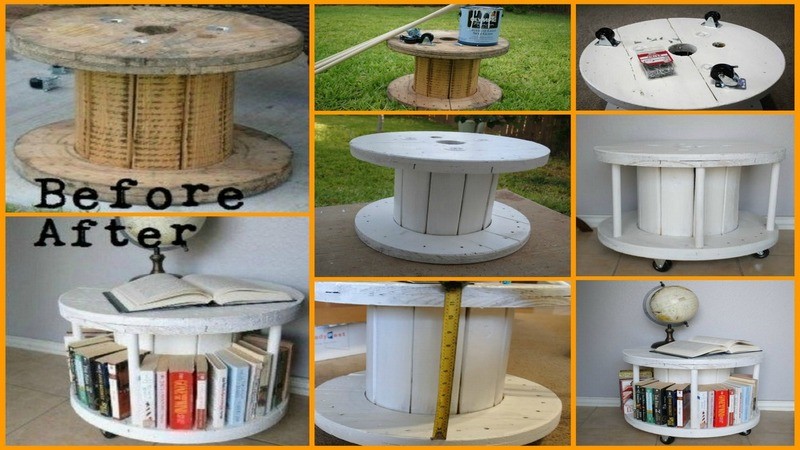
If you liked these, you will also like viewing other home storage ideas…
The Best Materials For Bookshelves: Wood, Metal, And More
The best bookshelf material depends on how much weight you need to hold, how long you want the shelf to last, and the style you prefer.
Bookshelf Materials At A Glance
- Solid wood
- Very strong and long-lasting
- Handles heavy book collections
- Warm, classic look
- Higher cost and may need occasional care
- Engineered wood (MDF, particleboard, plywood)
- More affordable and easier to find
- Good for light to medium loads
- Many colors and finishes are available
- Not as strong as solid wood in the long term
- Metal
- Very strong and stable
- Ideal for heavy books and office use
- Modern or industrial look
- Usually low maintenance
- Glass
- Light and open appearance
- Great for décor and light books
- Needs regular cleaning to avoid smudges
- Not ideal for very heavy loads
- Acrylic and plastic
- Lightweight and stylish
- Good for kids’ rooms and light use
- Can scratch more easily over time
- Best for lighter books and display items
- Combination materials
- Wood and metal together balance warmth and strength
- Glass shelves with metal frames create a sleek, modern look
- Engineered wood with a metal frame offers strength at a lower cost
Choose the material that best fits your storage needs, budget, and the style of your home.
DIY Unique Bookshelf Maintenance
A well-maintained bookshelf keeps your books safe and your room looking neat. Over time, dust, weight, and moisture can damage shelves if you do not care for them.
How To Maintain Your Bookshelf In 5 Simple Steps
- Dust shelves and books every one to two weeks with a soft cloth or duster.
- Spread heavy books evenly and avoid placing all the weight in the center of a shelf.
- Keep the bookshelf in a dry place away from direct moisture and leaks.
- Check screws, brackets, and joints every few months and tighten them if they feel loose.
- Fix small scratches and marks early so they do not get worse over time.
Regular Cleaning And Dusting
Dust builds up quickly on shelves and books.
- Use a microfiber cloth or a gentle duster
- For wood, you can use a slightly damp cloth with mild soap
- For metal, use a soft cloth and a gentle cleaner
- For glass, use a streak-free glass cleaner for clear, bright shelves
Avoid using a lot of water on wooden shelves since moisture can lead to warping over time.
How To Prevent Shelf Sagging
Heavy books can cause shelves to bow in the middle if they are not supported properly.
- Place heavier books near the sides or above supports
- Use bookends to keep books standing upright
- Avoid stacking too many heavy items on a single thin shelf
- If sagging starts, consider adding brackets under the shelf or replacing it with a thicker material
Adjustable shelves can be moved to sit directly on side supports or pegs, which also helps prevent sagging.
How To Protect Against Moisture And Pests
Bookshelves, especially wooden ones, can be damaged by moisture and pests.
- Keep bookshelves away from direct water sources and damp walls
- Use a dehumidifier in very humid rooms
- Look for signs of pests such as termites or silverfish
- Use natural repellents such as cedar blocks or lavender sachets if needed
Dry, clean conditions will protect both your shelves and your books.
Fixing Scratches And Surface Damage
Small marks do not have to ruin the look of your bookshelf.
- For wood: Use wood filler, wax sticks, or touch-up markers in a matching color
- For more serious damage: Lightly sand and refinish if needed
- For metal: Use rust-resistant paint on any chipped or rusting areas
- For glass and acrylic: Avoid abrasive cleaners that can cause scratches
Addressing small issues early keeps your bookshelf looking fresh and well cared for.
Reinforcing Weak Joints And Hardware
A wobbly bookshelf is unsafe and uncomfortable to use.
- Tighten all screws, nails, and brackets every few months
- Add L brackets or corner braces to weak corners
- Anchor tall bookshelves to the wall to prevent tipping, especially in homes with children or pets
Good support and stable mounting are just as important as strong materials.
Conclusion
A unique bookshelf does more than just store books; it adds character, creativity, and functionality to your home. Whether it’s a bold statement piece or a subtle space-saver, the right bookshelf enhances both organization and décor. You can transform any space into a stylish and inspiring reading nook by choosing a design that reflects your personality and meets your storage needs.
We have more decorative organization solutions for your living room. Check out our gutter bookshelf guide next!
Frequently Asked Questions About Unique Bookshelves
- What kind of bookshelf is best for a small room?
- For small rooms, tall and narrow bookshelves or wall-mounted shelves work best. They use vertical space so you can store many books without taking up much floor area. Corner shelves are also a smart way to use space that often goes unused.
- How deep should a bookshelf be for most books?
- Most standard paperbacks and hardcovers fit well on shelves that are 9 to 12 inches deep. Deeper shelves can hold larger art books or boxes, but may stick out too far in tight spaces. Measure a few of your largest books before choosing shelf depth.
- Which bookshelf material is best for heavy books?
- Solid wood and metal are the best choices for very heavy books. They can handle more weight without sagging. Thick engineered wood shelves with strong supports can also work if you distribute weight evenly and avoid overloading any single shelf.
- Should I anchor my bookshelf to the wall?
- You should anchor tall or heavy bookshelves to the wall, especially if you have small children or pets. Wall anchors help prevent tipping if someone climbs or bumps into the shelf. Many new shelves include simple brackets, or you can buy universal wall anchors at a hardware store.
- How often should I clean my bookshelf?
- For most homes, cleaning every one to two weeks is enough. Dust the shelves and the tops of books to stop dust from building up. In very dusty or busy rooms, you may want to clean shelves more often.
- For most homes, cleaning every one to two weeks is enough. Dust the shelves and the tops of books to stop dust from building up. In very dusty or busy rooms, you may want to clean shelves more often.