Last Updated on December 12, 2025 by teamobn
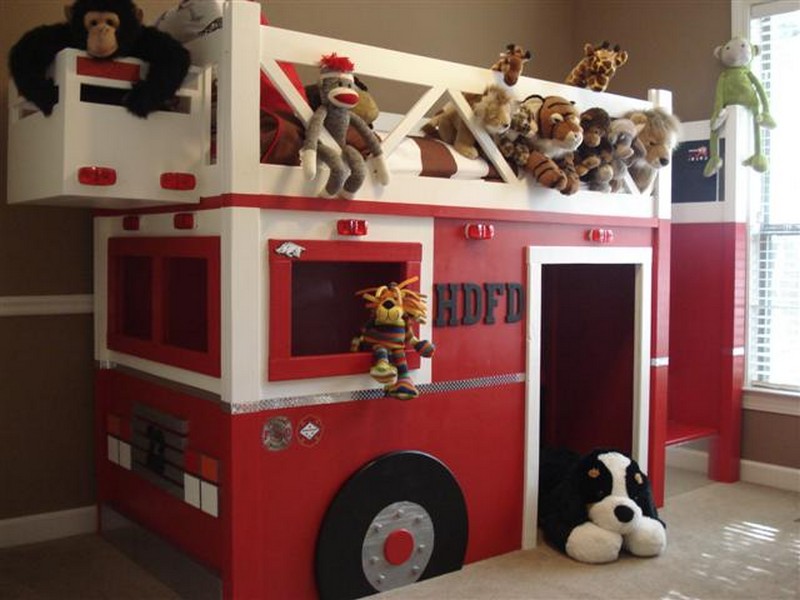
A fire truck bunk bed turns a regular kids bedroom into a fun, space-saving room that still works as a real bed. This guide explains what to build, what you need, and how to build it safely.
Quick Summary
- Project: DIY fire truck-themed bunk bed with cab details, steering wheel, and optional lights
- Best for: Kids who love vehicles and pretend play
- Skill level: Intermediate woodworking
- Time: Several weekends (plan for measuring, building, sanding, painting, and drying time)
- Typical costs: Varies by the materials and hardware you already own
- Safety note: Top bunks require strong guardrails, safe openings, and the right mattress thickness. Review the official bunk bed safety guidance from the U.S. Consumer Product Safety Commission.
What You’ll Build
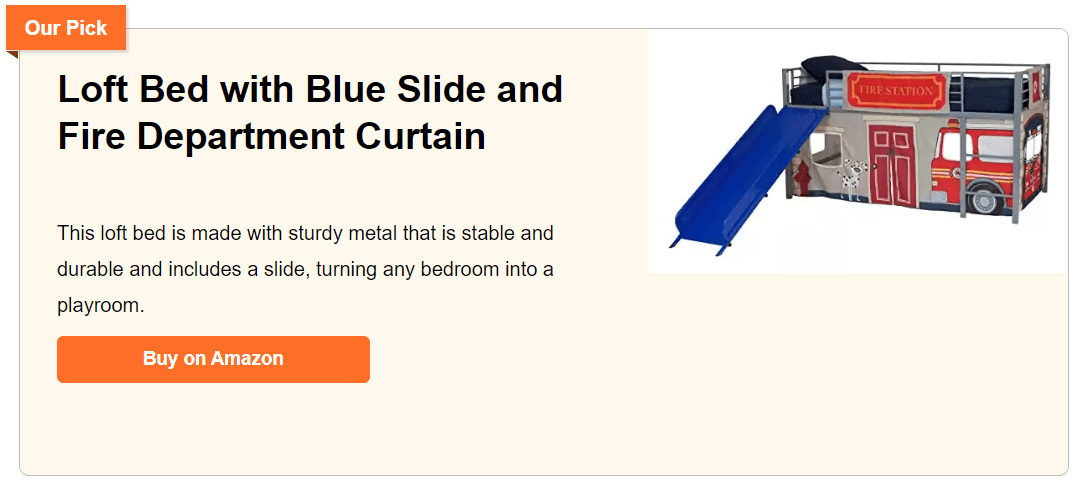
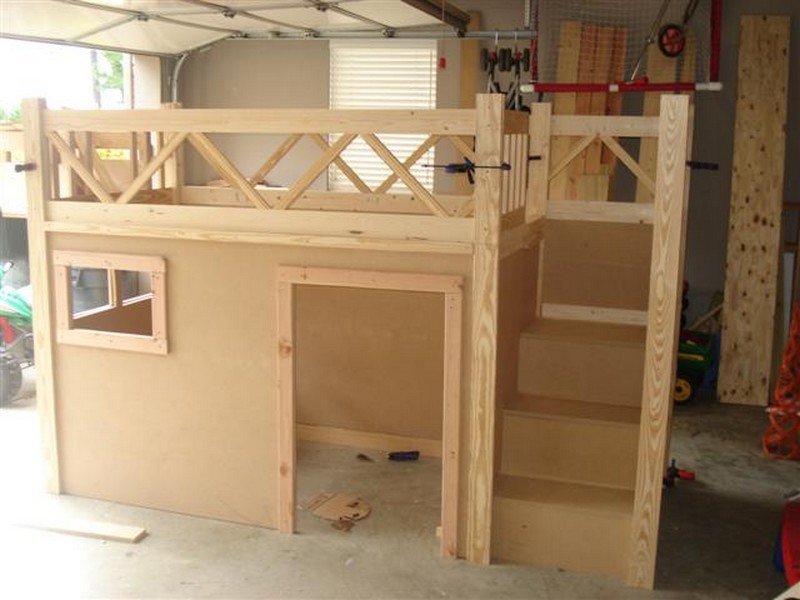
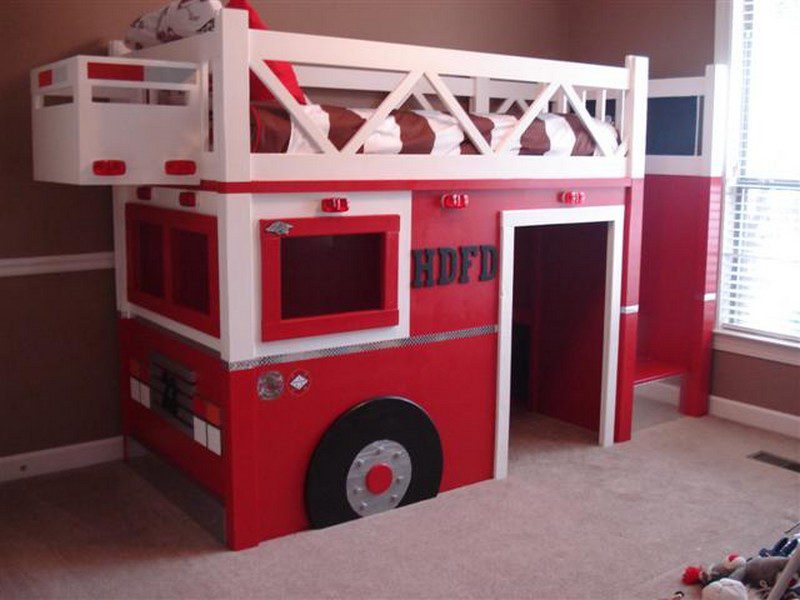
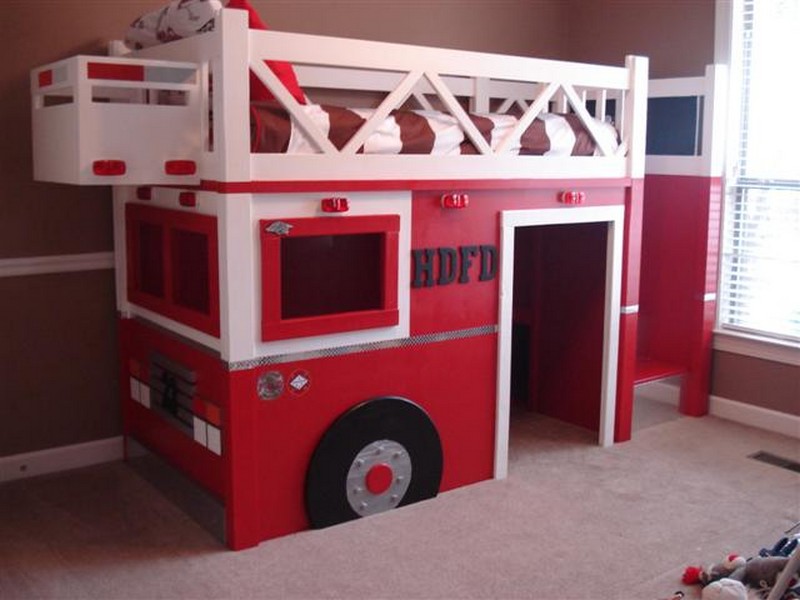
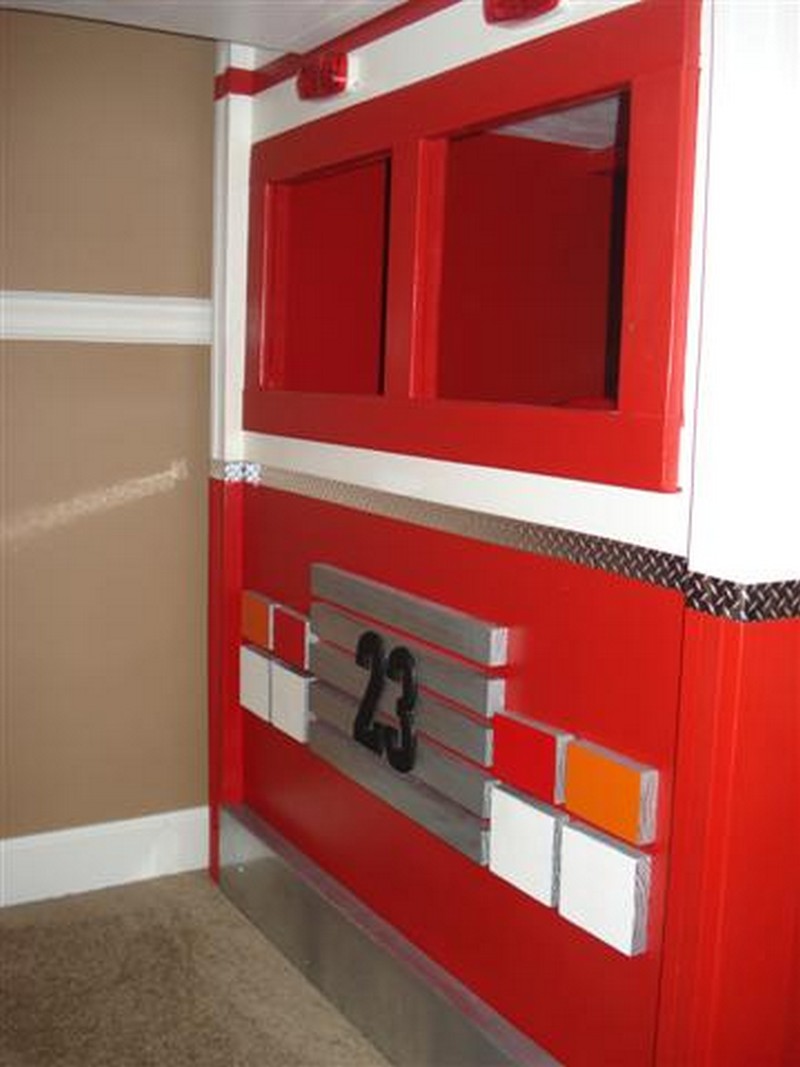
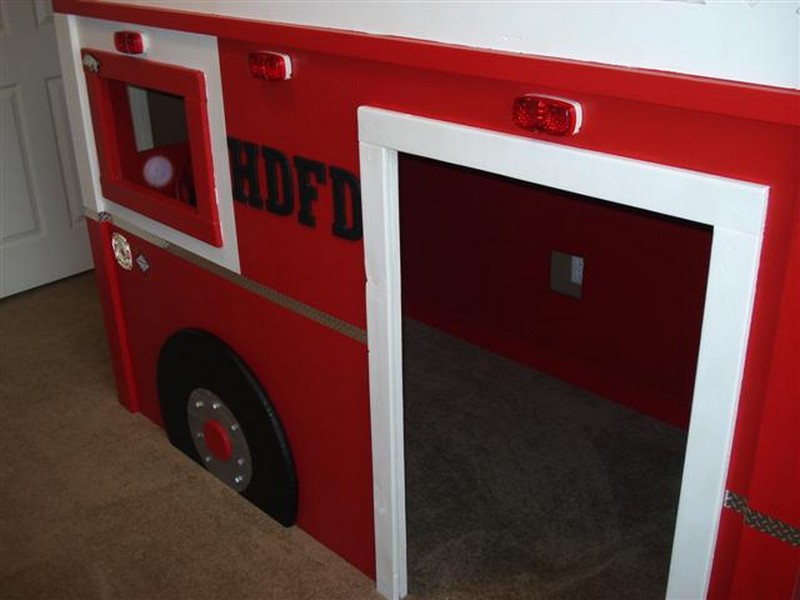
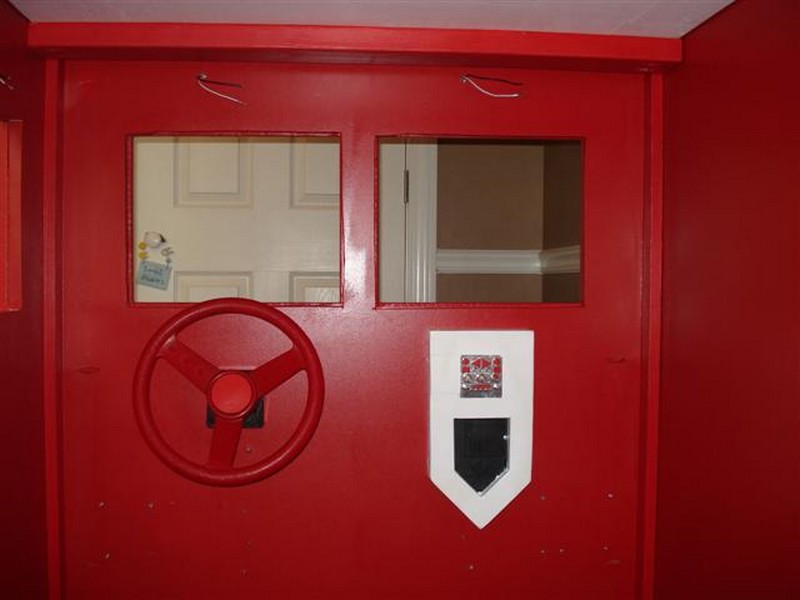
This project creates a bunk bed shaped and painted like a fire truck. The frame supports two mattresses, and the outside panels form the truck’s look. You can add simple details like a steering wheel, hooks for gear or backpacks, and decorative “diamond plate” accents.
This guide is written for DIY builders who are comfortable using power tools and measuring carefully. If you are new to building beds, ask a more experienced friend for help or build a standard bunk first.
Before You Start: Planning and Safety Basics
Bunk beds are not like simple furniture. They are tall, they are climbed on, and kids move a lot while sleeping.
Keep these safety ideas in mind while designing:
- The upper bunk needs guardrails on both sides. The rail height must stay safely above the top of the mattress. The CPSC guidance explains guardrail placement and minimum height concepts. Read it here: CPSC bunk bed guidance
- Avoid openings that could trap a child’s head, neck, or body.
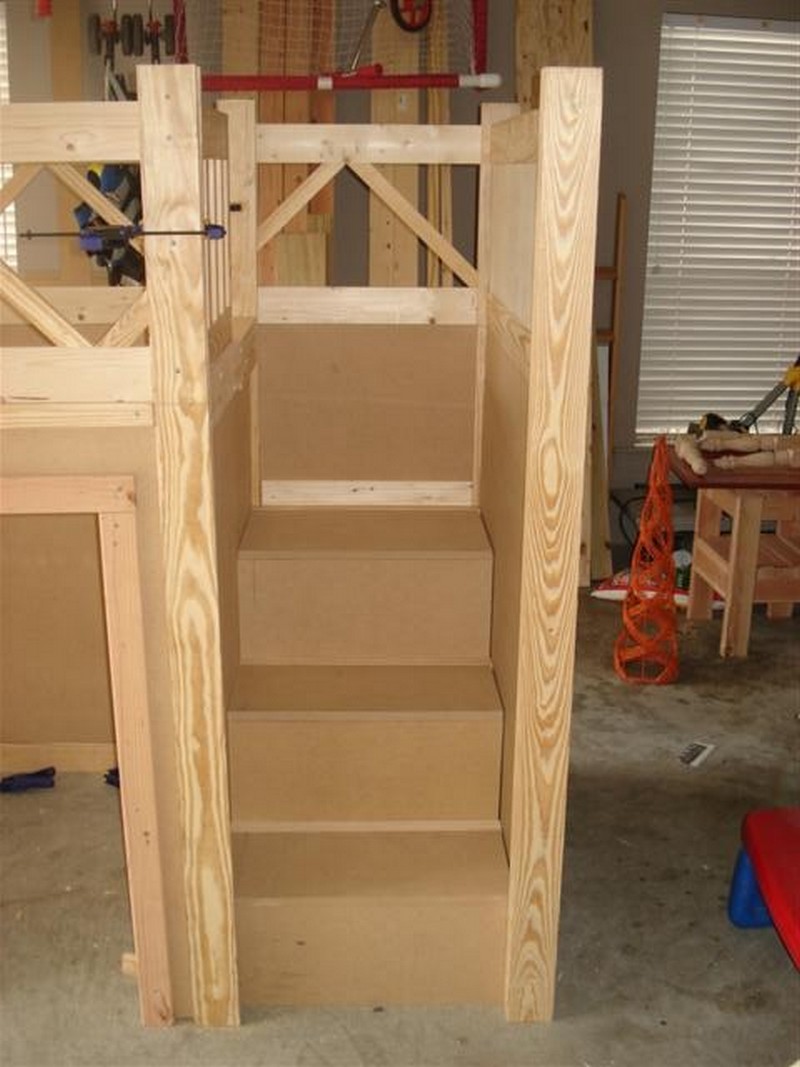
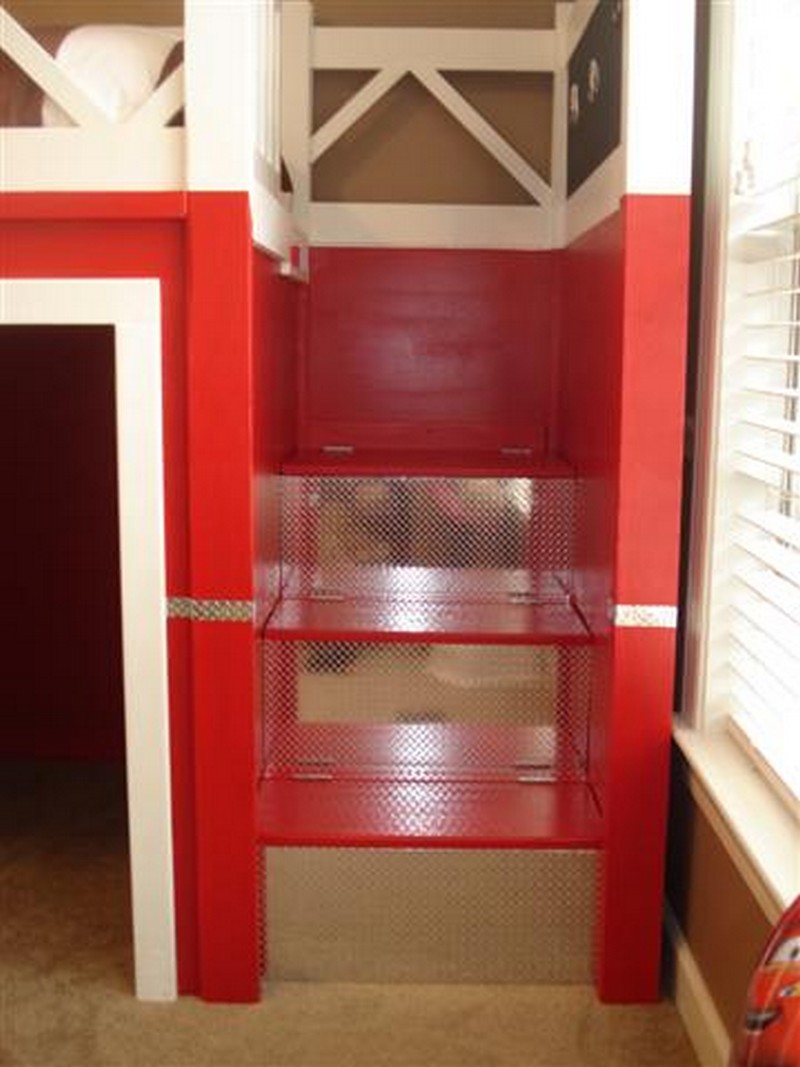
- Use a stable ladder or stairs that do not slip.
- Build for strength, not just looks. Use proper joints, blocking, and quality fasteners.
- If the bed has any wobbles, fix it before any child uses it.
- If you are adding lights, route wires so kids cannot pull them loose or wrap them around themselves. Use child safe, low heat lighting, and keep switches out of reach of the youngest kids.
Important: This is a DIY guide, not a substitute for a certified safety test. If you plan to build a bunk bed for children, take time to study bunk bed safety requirements and recommendations. For general information on bunk bed standards, see: CPSC bunk bed overview
Constructing a Fire Truck Bunk Bed
Below is our full guide on building a fire truck bunk bed you can use to add that creative spark in your kid’s room.
What Materials Are Needed to Construct a Fire Truck Bunk Bed
- 1×1 Timber
- 1×4 Timber
- Scrap Timber
- MDF Sheets (for decorative panels and fire truck shapes)
- Diamond Plate Vinyl
- Diamond Plate Tape
- Spray Paint
- Steering Wheel (toy or decorative)
- Hooks
- Cabinet Hinges (if adding doors or a storage flap)
- 1″ Bolts
- Trailer Lights
- Red Spinning Lights
- Frog Tape
- Primer & Paints
- Protective Mask
Optional Upgrades
- Wood filler for smooth paint
- Edge banding or MDF sealer for MDF edges
- Non-slip strips for ladder steps.
- Wall anchor hardware for extra stability
Tools
- Circular Saw
- Cutting Guide
- Measuring Tape
- Saw Horses
- Table Saw
- Wood Clamps
- Power Drill
- Sander
- Kreg Jig
How to Construct a Fire Truck Bunk Bed
Stage 1: Design and planning
- Measure the room. Note ceiling height, ceiling fans, lights, windows, and doors.
- Decide on your mattress size and bed footprint before cutting anything.
- Sketch your fire truck design. Include frame size, guardrails, ladder location, and the “cab” shape.
- Plan which parts are structural and which parts are decorative.
- Structural: posts, rails, mattress support, guardrails, ladder attachment
- Decorative: cab face, fenders, wheels, “diamond plate” accents
- Plan how you will secure the bed for stability, especially if kids will climb and play on it.
Tip: If you are using MDF for panels, remember that MDF is heavy and does not hold screws as well as solid wood. Use MDF mainly for the fire truck look, not for major weight-bearing parts.
Stage 2: Cut Materials
- Cut timber and MDF sheets based on your design.
- Label each piece with painter’s tape so you know where it belongs.
- Sand all edges and corners to prevent splinters and reduce sharp spots.
Tip: Sanding takes longer than most people expect. Plan time for it.
Stage 3: Build the Main Bunk Bed Frame
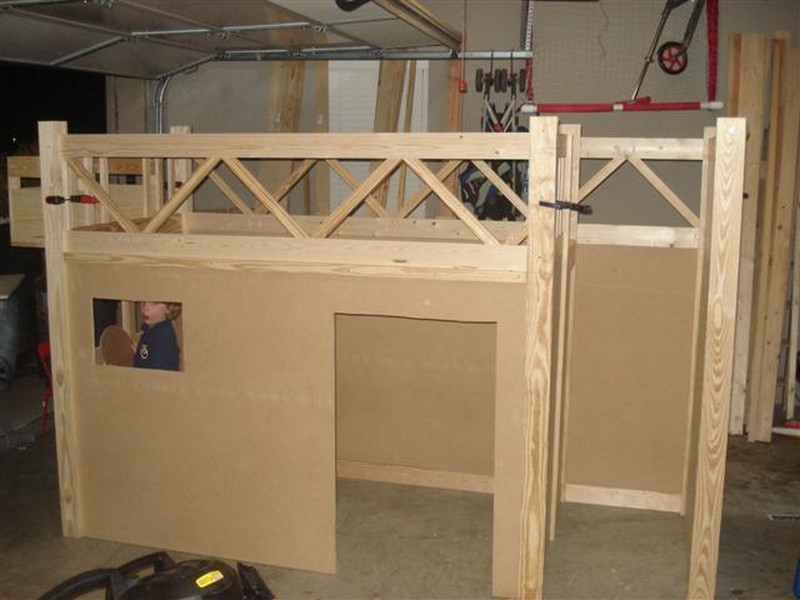
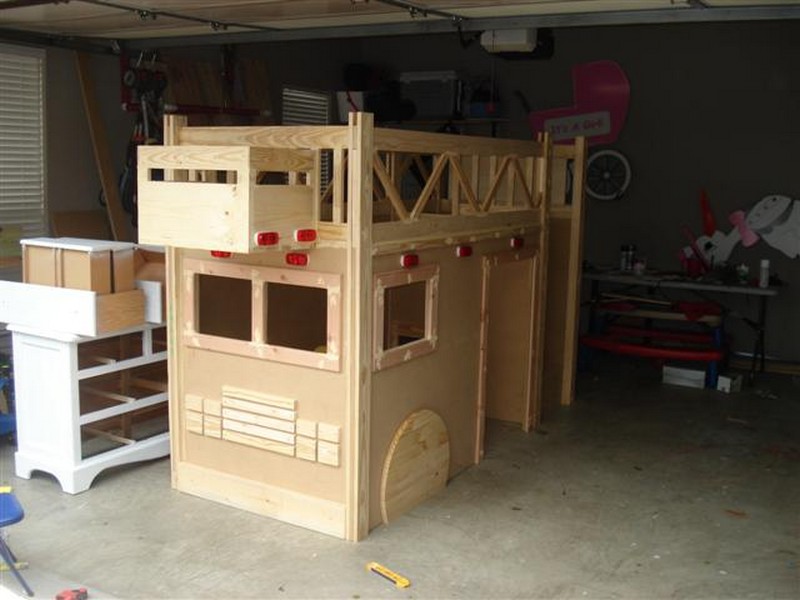
- Assemble the bed frame using the cut timber.
- Use the Kreg jig to create pocket holes for clean connections.
- Dry fit pieces first, then clamp, then screw. This helps keep everything square.
- Add MDF sheets only after the frame is strong and level. The frame should not depend on MDF for strength.
- Install mattress supports securely. Use enough support so the mattress base does not sag.
Strength check: Push and shake the frame gently. If it moves, add bracing and blocking until it feels solid.
Stage 4: Add the Fire Truck Body and Details
This stage is where the bed becomes a fire truck.
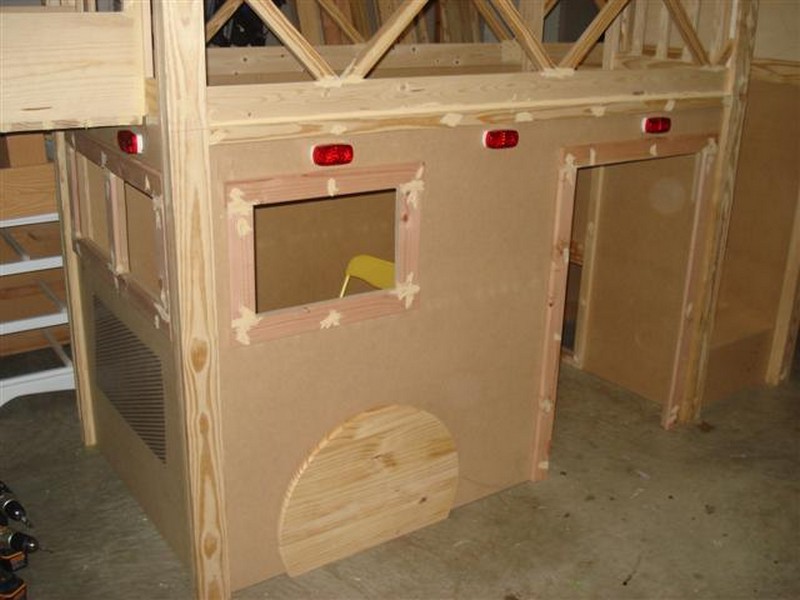
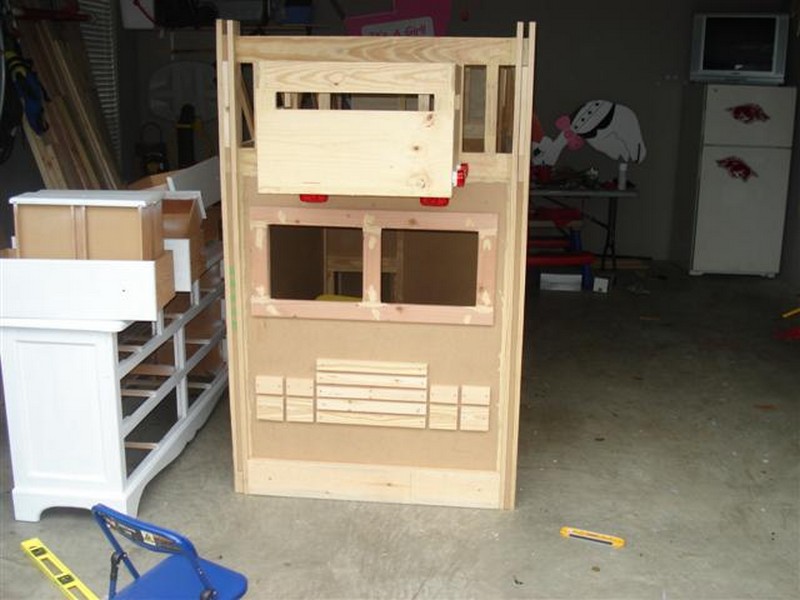
- Build the front cab shape using MDF and scrap timber.
- Attach the cab to the frame with strong support blocks from the inside.
- Add the “rear truck” sections, side panels, and any fender shapes.
- Mount the steering wheel where it is fun but safe.
- Avoid sharp bolts or hardware that sticks out
- Make sure it cannot be pulled off easily
- Add hooks for jackets, helmets, or small bags. Keep hooks away from areas where a child’s clothing could catch while climbing.
Tip: Use rounded corners on decorative pieces. A fire truck has lots of shapes, but kids bodies move fast in small bedrooms.
Stage 5: Prime, Paint, and Decorate
- Clean dust off all surfaces. Dust ruins paint.
- Prime everything. MDF needs primer for a smooth finish.
- Paint the main surfaces red. Apply multiple thin coats instead of one thick coat.
- Use Frog Tape for sharp lines if adding stripes, lettering, or trim colors.
- Add diamond plate vinyl and diamond plate tape for the fire truck look.
Finishing tip: Let paint fully cure before kids use the bed. Dry and cured are not the same thing.
Stage 6: Add Lights and Accessories (Optional)
If you want a more realistic fire truck look, add simple lights.
- Choose safe lights that do not overheat.
- Plan where the lights will mount so they are decorative and not easy to grab.
- Hide or protect wiring. Keep wires away from the ladder and sleeping areas.
- Test lights before final assembly.
If you are not comfortable working with wiring, skip this step. The bed will still look great without lights.
Stage 7: Final Assembly and Safety Check
- Assemble all sections together and tighten all bolts and screws.
- Confirm guardrails are in place and secure.
- Confirm ladder or stairs do not wobble. Add non-slip strips if needed.
- Check for sharp edges, pinch points, and snag hazards.
- If needed, secure the bed to the wall for extra stability.
- Recheck everything after one week of use and again every few months. Wood can settle, and hardware can loosen.
Safety Tips and Considerations
Creating a DIY Fire Truck Bunk Bed is not just an exciting project; it’s also a commitment to ensuring the safety and well-being of your child. While the allure of a custom, fun, and thematic bed is undeniable, safety must always come first.
This section outlines crucial safety tips and considerations to remember throughout the construction and use of your fire truck bunk bed.
Proper Material Selection
- Non-Toxic Paints and Finishes: Ensure all paints, primers, and finishes are non-toxic and safe for children. This is crucial for the fire truck bunk bed, as kids will spend significant time in close contact with these surfaces.
- Sturdy Timber and Hardware: Choose high-quality timber and hardware to ensure the bed’s structure is secure and withstand children’s play’s wear and tear. The stability of the fire truck bunk bed is paramount to prevent accidents.
Design for Stability and Strength
- Secure Railings: Install railings on all sides of the upper bunk to prevent falls. The fire truck bunk bed should have high and sturdy railings to keep your child safe while sleeping or playing.
- Stable Foundation: Ensure the bed’s foundation is solid and well-supported. Check all joints and connections within the fire truck bunk bed structure regularly to confirm they remain tight and secure.
Safe Access
- Sturdy Ladder or Stairs: Provide a safe, sturdy means of access to the upper bunk. If you design the fire truck bunk bed with a ladder, ensure it is firmly attached and has easy steps for kids to climb.
- Non-Slip Surfaces: Consider adding non-slip pads or strips to the ladder or stairs of the fire truck bunk bed to prevent slipping and falling.
Age and Weight Considerations
- Appropriate for Age: The fire truck bunk bed should suit your child’s age and development level. Young children, especially those under six, should not sleep on the top bunk.
- Weight Limits: Adhere to recommended weight limits for upper and lower bunks. Ensure the fire truck bunk bed can support the children’s weight and any additional weight from playtime or sleepovers.
Regular Inspections and Maintenance
- Routine Checks: Regularly inspect the fire truck bunk bed for any signs of wear, loose bolts, or structural weaknesses. Immediate action should be taken to repair any issues and maintain the bed’s safety and integrity.
- Follow Manufacturer Instructions: If using pre-manufactured parts or kits for your fire truck bunk bed, follow all manufacturer instructions and recommendations for assembly and use.
Creating a DIY Fire Truck Bunk Bed is an endeavor that brings joy and excitement to your child’s bedroom. However, it’s essential to prioritize safety at every step, from the initial design and material selection to the construction and daily use. By adhering to these safety tips and considerations, you can ensure that your fire truck bunk bed is a source of endless fun and a safe, secure place for your child to rest and play.
Click on any image to start the lightbox display. Use your Esc key to close the lightbox. You can also view the images as a slideshow if you prefer 😎
FAQ: DIY Fire Truck Bunk Bed Questions
- How hard is it to build a fire truck bunk bed?
- It is an intermediate project. The frame must be strong and square, and the decorative pieces take time to fit and finish.
- Is MDF okay to use on a bunk bed?
- MDF is best for decorative panels, not main structural parts. It is heavy and can strip screws if stressed. Use solid wood for the frame and guardrails.
- Do I need to anchor the bed to the wall?
- Many builders choose to anchor for extra stability, especially if kids climb and play. Follow safe anchoring methods and do not rely on drywall alone.
- What is the most important safety feature?
- Secure guardrails and safe openings on the top bunk are critical. For official guidance on guardrails and openings, see: CPSC bunk bed guidance
- Can I build this as a loft bed instead of a bunk bed?
- Yes. You can keep the fire truck look and remove the lower bunk. Many families use the lower space for a desk or storage.
Conclusion
Building a DIY fire truck bunk bed is a fun way to create a bedroom centerpiece that kids will remember. The key is to build the frame for strength, then add the fire truck details. Take your time with sanding and paint, and treat safety as part of the design from the start.
You might also want to check out these DIY triple bunk bed and tractor bunk bed posts.