Last Updated on December 22, 2025 by teamobn
When it comes to garage door repair and maintenance, many homeowners are tempted to try their hand at DIY fixes. While there are some tasks that a handy homeowner can easily manage, there are certain situations where calling in a professional garage door technician probably makes more sense.
Garage door maintenance is another of the many tasks we should do around our homes to maintain efficiency and hence, our home’s value. But at what point do minor issues become major and where is the line between your skillset and that of a garage door professional? Below we’ve listed the repairs and maintenance most homeowners can manage as well as the types of issues where you should consider calling in a garage door technician.
Simple DIY Garage Door Repairs and Maintenance
If you stop to think about your garage door, you’ll realize that it’s a relatively complex item. Even a ‘simple’ roller door has tracks, locks, and a spring mechanism to reduce the energy needed to open and close it. Here are some easy – but important, things you can do to maintain your garage door in top condition:
- Tighten loose bolts: The bolts that hold the door to the wall can come loose over time. Tightening the nuts and bolts is a simple fix that doesn’t require many tools either.
- Lubricate moving parts: Lubricating the moving parts of the door is vital to keep it running smoothly and extend its life. Simply spray a silicone-based lubricant on the rollers and hinges to keep it in the best shape. The advantage of silicone spray over oil-based lubricants is that silicone spray prevents dust and grime buildup.
- Replace weather seals: The weather seals and stripping around the bottom and sides of your garage door can wear out over time. You can replace them yourself to keep warm air in and cold air out.
- Clean the tracks: Dust, dirt, and debris can make your door increasingly difficult to move up and down. Cleaning the tracks (wiping them down with a damp cloth or vacuuming the area) will help your door move smoothly.
- Realign the tracks: Another DIY fix to your door making weird noises or not running smoothly is to realign the tracks. When these tracks aren’t aligned properly, it will be harder to move the door. To fix it, loosen the screws that hold the tracks in place and tap those tracks back into position with a rubber mallet. Make sure your tracks are both level and vertical before screwing them back down.
- Replace rollers: If your door is grinding or squeaking, the rollers are probably worn out. Replacing them is a simple fix if you’re comfortable with DIY projects. Just make sure to buy the correct type of rollers (nylon or metal) and only replace one set at a time. This will prevent putting unnecessary stress on your garage door system.
These are all simple yet important DIY homeowner fixes, but as we get into more complicated repairs, consider whether it might be time to call in a professional with proven experience. It’s also vital to realize when a garage door is beyond repair and when it’s time to replace it.

Why You Should Call a Professional
While DIY maintenance is definitely possible, some repairs require expertise. Garage doors are heavy and have complex mechanisms that can be hazardous if not handled correctly.
Garage Door Mechanics
Modern garage doors are complex systems that vary depending on the type, whether they’re folding, tilting, or rolling. These systems have high-tension springs, motors, and intricate electronic sensors, all of which require a level of expertise to handle. For example:
- Tilt doors: These doors have torsion springs under tension. A faulty spring can be very dangerous if not repaired properly.
- Roller doors: These doors can be extremely heavy, and lifting or lowering them improperly can result in injury or further damage.
The springs are a major component and hold a lot of energy. Trying to fix or replace them without the right tools or experience can have serious consequences. For instance, the springs on tilt doors are under serious tension, and DIYers who aren’t prepared for the forces can make things worse.
If a tilt-style door is not opening smoothly and evenly on both sides, repairs are necessary. Misaligned or broken spring will make the door unbalanced and put more stress on other parts. Professionals have the right tools and take safety measures to fix it properly.
Advanced Diagnostics and Technical Knowledge
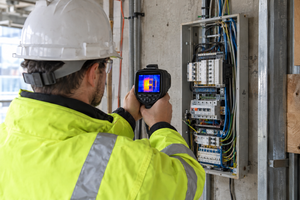
Automatic garage doors have very specific functions and parts that require special tools to diagnose and repair. DIYers don’t have access to diagnostic equipment, so it can be difficult for them to troubleshoot issues like misaligned sensors, faulty circuit boards, or malfunctioning motors.
Professionals have the tools to see what the untrained eye can’t, and make sure the issue is fixed before it gets out of hand. Coupled with these tools, their expertise can help them manage complex repairs with ease.
Similarly, fixing misaligned sensors usually falls outside the skill set of an average DIYer. However, these sensors are quite common in automated doors. If the sensors are misaligned, the door will malfunction, which can be a security risk. Timely intervention by an expert can prevent things from going sideways.

Using Professional Services for Long-Term Savings
If your garage door isn’t working correctly, your home could be way less energy efficient. The summer heat and the warmth from your furnace in winter can just sneak out through those gaps in your garage door. A tech will be able to inspect the insulation and seals on the garage door to make sure everything is working properly. This of course keeps the house comfortable and, perhaps even more importantly, prevents excessive energy bills.
For long-term savings, have your garage door serviced by an expert since this will avoid the big repair bills later. You could end up saving thousands by getting a minor issue fixed now instead of handling it when it goes out of hand. It’s always better and cheaper to maintain your garage door than to get a new one.
Another situation to opt for professional garage door services is when there’s an emergency requirement for repair. Your garage door is one of the biggest contributors to your house’s security, and when it breaks down, your home could be left exposed to burglars. A professional will have the right tools to fix your door quickly.
Common Garage Door Problems And What Usually Causes Them
When should you consider a garage door repair work? Its usually when you and family members have a problem opening it or keeping it shut. Below are the common situations you need to consider repairing your garage door.
The Door Feels Heavy Or Jerky When You Lift It
When it is incredibly hard to push or pull the door open, there is an issue with its torsion springs. These springs counterbalance the door’s weight, allowing anyone to open and close it. As the springs age, it cannot support the weight of the door. You will feel this when the garage door feels anchored to the ground as you move it.
You might also see the door sitting slightly crooked or lifting unevenly. That can happen when one spring fails before the other, which throws everything out of balance and adds extra stress to the tracks and rollers.
The Door Reverses Before It Hits The Ground
If your garage door starts going down and then suddenly shoots back up before it hits the floor, the photo-eye sensors are the first thing I’d look at. They sit low on both sides of the opening and “watch” each other with a safety beam. If that beam gets interrupted, the opener thinks something is under the door and it reverses.
Most of the time it’s something simple. A dusty lens, a cobweb, or even a light bump can throw the sensors off just enough to cause problems. Wipe the lenses with a soft cloth, then make sure both sensors are pointing straight at each other. If the door still keeps reversing after that, you could be dealing with a bad sensor, a loose wire, or a connection that’s starting to fail.
The Opener Motor Hums But The Door Won’t Move
Hearing the motor run while the door doesn’t budge usually points to a mechanical problem inside the opener, not a power issue. A common cause is a worn drive gear. Over time, the gear can strip down, so the motor spins but can’t actually move the chain or belt the way it should.
Also check the emergency release cord first. If someone pulled the red handle, the opener is disconnected from the door and it won’t lift it until it’s re-engaged.
The Door Makes Grinding, Scraping, Or Squealing Noises
Garage doors aren’t silent, but harsh noises are a warning sign. Grinding often means the rollers are worn, the tracks are dirty, or something’s creating too much friction. Metal rollers can get loud as they age, especially if they haven’t been lubricated.
Scraping tends to point to track alignment issues or loose hardware rubbing against the door. Squealing is usually dry hinges or dry springs. Lubrication is one of the easiest fixes, as long as you’re using the right garage door lubricant and you’re not trying to mess with spring tension.
The Door Opens Or Closes On Its Own
A door that moves by itself feels creepy, but it’s usually a signal issue or an opener problem. Sometimes a remote button gets stuck, a keypad is glitching, or interference triggers the opener. In rare cases, a neighbor’s remote setup can cause weird behavior, especially with older systems.
Power surges can also mess with the opener’s logic board and cause random operation. Reprogramming remotes and clearing old codes often fixes it. If it keeps happening after that, the circuit board may need a closer look.
The Door Gets Stuck Halfway Up Or Down
If the door stops mid-way and refuses to continue, the opener’s limit settings might be off. Those settings tell the motor where to stop. When they’re misadjusted, the opener can “think” the door has reached the end even when it hasn’t.
Other common causes are things you can’t always see right away, like a small obstruction in the track, a cable starting to fray, or an opener that’s struggling under load. If limit adjustments don’t help, it’s usually time for a hands-on inspection of the tracks, rollers, cables, and spring system.
Endnote
While you can do basic garage door maintenance and repairs yourself, you need to know when to call in a pro. Complex issues should always be handled by a professional, especially those with high-tension springs, electrical components, or heavy doors. This is for everyone’s safety and to prevent further damage to your garage door system.
FAQ: Garage Door Repair
- Can I lubricate my garage door to fix noise and jerky movement?
- Yes, and it’s worth doing as routine maintenance. Use a garage-door lubricant (silicone or lithium-based) on rollers, hinges, and springs, then wipe off excess. Don’t grease the tracks. If lubrication doesn’t help and the door still jerks or feels heavy, stop using it and check springs and cables.
- How do I tell if the problem is the opener or the door itself?
- Pull the emergency release cord and lift the door by hand. If it moves smoothly and stays about halfway open, the door hardware is likely fine and the opener may be the issue. If it feels heavy, drops, or binds, the problem is in springs, cables, rollers, or tracks.
- Why does my remote work sometimes but not other times?
- Intermittent remote issues often come from weak batteries, a failing wall button, or interference. LED bulbs near the opener can also cause radio noise that reduces range. Try fresh batteries, test the wall control, and swap bulbs for “garage door opener compatible” LEDs. Reprogram if needed.
- Is it safe to replace garage door springs myself
- In most cases, no. Torsion and extension springs store a lot of tension and can cause serious injury if they snap or unwind unexpectedly. If a spring is broken, avoid forcing the door open or running the opener. A trained tech has the tools to replace springs and set tension correctly.
- How can I prevent the door from reversing for no reason in rainy or humid weather?
- Moisture can fog sensor lenses, shift brackets slightly, or expose weak wiring. Keep the sensor lenses clean, make sure the brackets are tight, and check that the sensor lights are steady (not flickering). If wiring looks cracked or loose, replace it before it turns into a recurring problem.