Last Updated on October 26, 2026 by teamobn
Ask most people what a front door does and you’ll get a shrug. It opens, it closes, end of story. Fair enough. But that slab of wood, steel, or fiberglass is quietly pulling more shifts than anything else in your house. It’s a security guard, a weather barrier, an energy saver, a first impression, and a few other things you’ve probably never thought about.
And unlike the rest of the staff, it never calls in sick, never takes a vacation, and never gets so much as a thank you. Most of us only notice the front door when something goes wrong, like a lock that sticks or a draft that shows up the first cold night of fall.
Here’s the full job description.
1. Bouncer
First and foremost, your door decides who gets in. A solid door with a weak frame is like a bodybuilder with paper ankles. Most forced entries through a front door don’t involve picking a lock at all. Someone kicks near the strike plate, the jamb splits, and that’s that. A good door system pairs a sturdy slab with a reinforced frame, long screws that bite into the studs, and a quality deadbolt. Security comes from the whole package working together.
Glass matters here too. A big decorative panel right next to the handle can be gorgeous, but it should be tempered or laminated so it doesn’t become the easy way in. Good doors manage to look welcoming and stay tough at the same time.
2. Weatherman
Your door stands between your living room and everything the sky throws at it. Wind driven rain, July heat, January ice. A well sealed door keeps all of it outside where it belongs. A tired one lets drafts whistle under the threshold and moisture creep into the frame, where rot starts quietly and spreads.
The sneaky part is that water damage around a door often hides for years. It soaks into the subfloor under the threshold or the framing beside the jamb, and by the time you see a soft spot or a stain, the repair is a lot bigger than a new strip of weatherstripping. A properly flashed and sealed door stops that whole chain reaction before it starts.
3. Energy saver
This one sneaks up on people. An old door with worn weatherstripping can leak a surprising amount of air, almost like leaving a window cracked all winter. Modern fiberglass and steel doors have insulated cores, tight seals, and energy efficient glass options that make a noticeable difference on the heating bill.
That’s a big reason a lot of homeowners skip the big box aisle and look for a ProVia certified door company instead. Certified installers are trained to fit and seal those doors the way the manufacturer intended, and a premium door that’s installed badly performs like a cheap one. A gap of even a sixteenth of an inch around the frame can undo a lot of that fancy insulation.
4. First impression
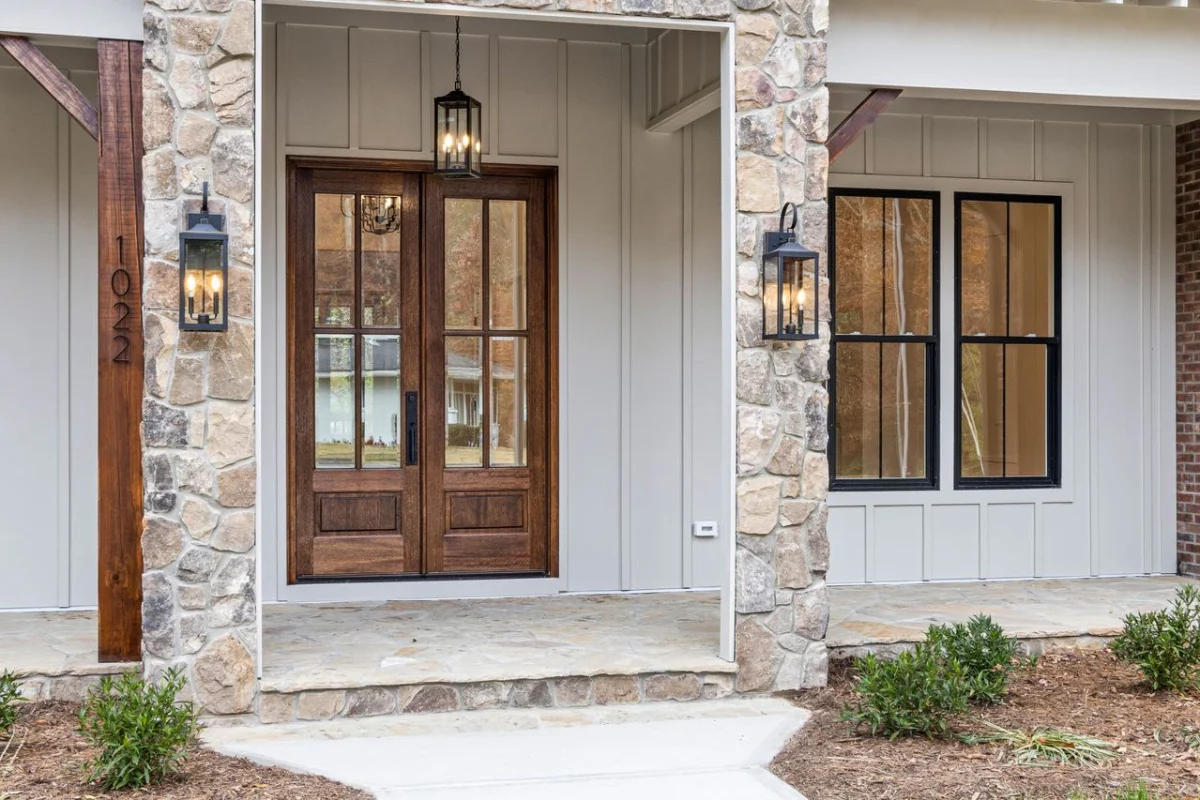
Curb appeal is a cliche for a reason. Your front door is the focal point of the whole facade. It’s what people notice from the street, the backdrop of every first day of school photo, and the first thing a buyer sees if you ever sell. Swapping a faded, dented door for something with real character can change the entire personality of a house. A bold color, decorative glass, or a pair of sidelites can make a modest home look like it has its act together.
Color is the fun part. Deep navy feels classic and confident. Black looks sharp on just about any style of house. A cheerful red or teal says friendly people live here.
5. Light fixture
Doors with glass panels, sidelites, or a transom bring daylight into what’s often the darkest spot in the house, the entryway. Frosted or textured glass lets the sunshine in while keeping the neighbors from seeing straight down your hallway. It’s a small detail that makes coming home feel brighter. Literally.
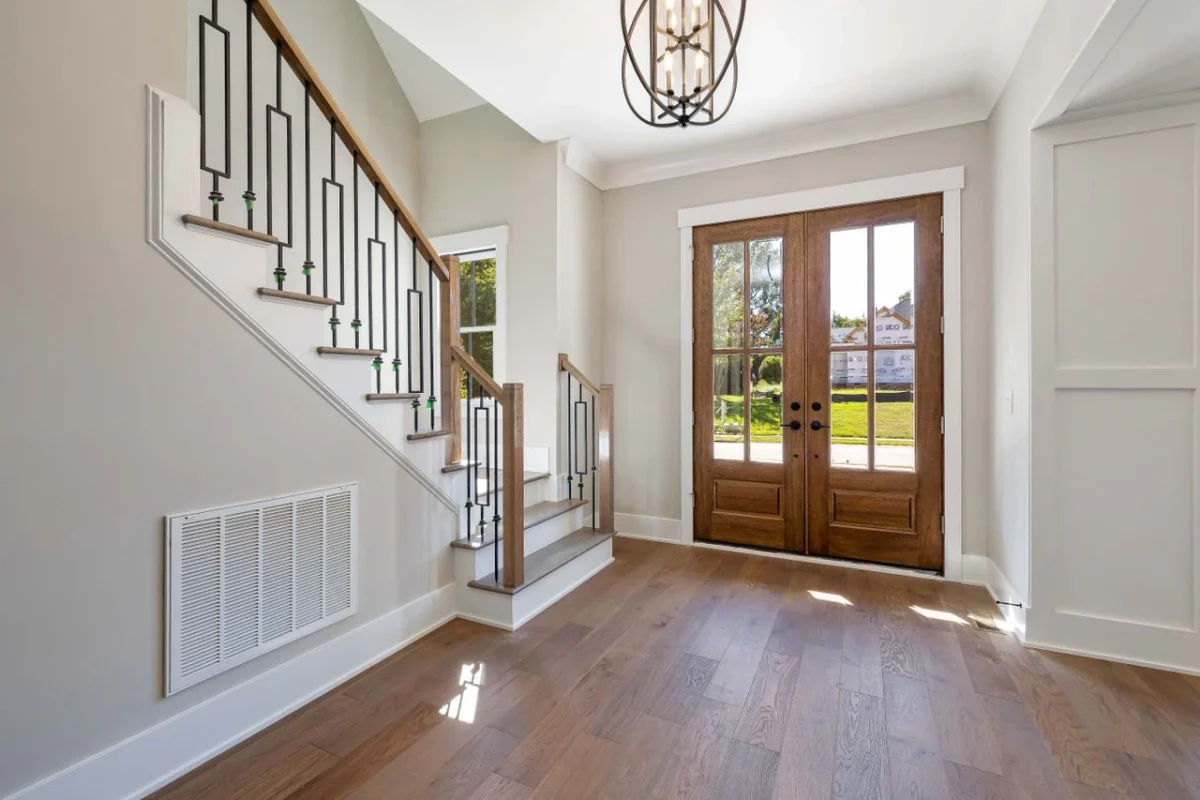
Some glass options even include built in blinds sealed between the panes, so you can open or close them without ever dusting a slat.
6. Noise blocker
If you live on a busy street, near a school, or next to the guy who mows at 7 a.m. every Saturday, your door is part of your sound barrier. Solid core doors with tight seals cut outside noise far better than hollow or poorly fitted ones. You won’t notice it until you upgrade, and then you’ll wonder how you ever lived without it.
7. Workhorse
Think about how many times a day your front door gets opened, slammed, leaned on, and kicked shut by someone carrying six bags of groceries. That’s thousands of swings a year. Add kids, pets, packages, and the occasional runaway stroller, and you’ve got a door taking a real beating. Quality hinges, tough finishes, and hardware built to last mean it still swings smooth and latches clean years from now.
Signs your door is ready to retire
Every hard worker eventually earns a break. Your door might be dropping hints that it’s time:
- You can feel a breeze around the edges on a windy day
- It sticks, drags, or needs a hip check to close in the summer
- The finish is peeling, cracked, or badly faded
- There’s soft wood or rot near the bottom of the frame
- Fog or moisture shows up inside the glass
- The lock or deadbolt doesn’t line up without lifting the door
One of these can usually be fixed. Three or four together usually mean the whole system is worn out.
Shopping for a new one? Think like a hiring manager
If you decide it’s time to replace your door, judge candidates the same way you’d judge someone applying for seven jobs at once. Fiberglass is the all rounder. It resists dents, won’t rot, holds paint beautifully, and can even mimic the grain of real wood. Steel is the tough guy, great for security and budget friendly, though it can dent and needs its finish kept up. Real wood is the charmer, gorgeous and warm, but it asks for more maintenance to keep it happy.
Whatever you choose, ask about the frame, the weatherstripping, the threshold, and the glass. Those details decide how well your new door actually performs. Ask about the warranty, too, and whether it covers both the product and the installation. And get a sense of how long the job takes. Most front door replacements are done in a single day, so you won’t be sleeping with a sheet of plywood over the opening.
So is your door doing its job?
Take a second next time you walk in. Does it stick in the summer? Can you see daylight around the edges? Does the hallway feel chilly in January? Is the finish faded or peeling? When you pull into the driveway, does your door make you smile, or do you kind of avoid looking at it?
If the answers aren’t great, your door might be clocking in without really working. And considering how many jobs it’s juggling at once, it’s one of the few home upgrades that pays you back in comfort, security, and pride every single day.