Last Updated on December 5, 2025 by teamobn
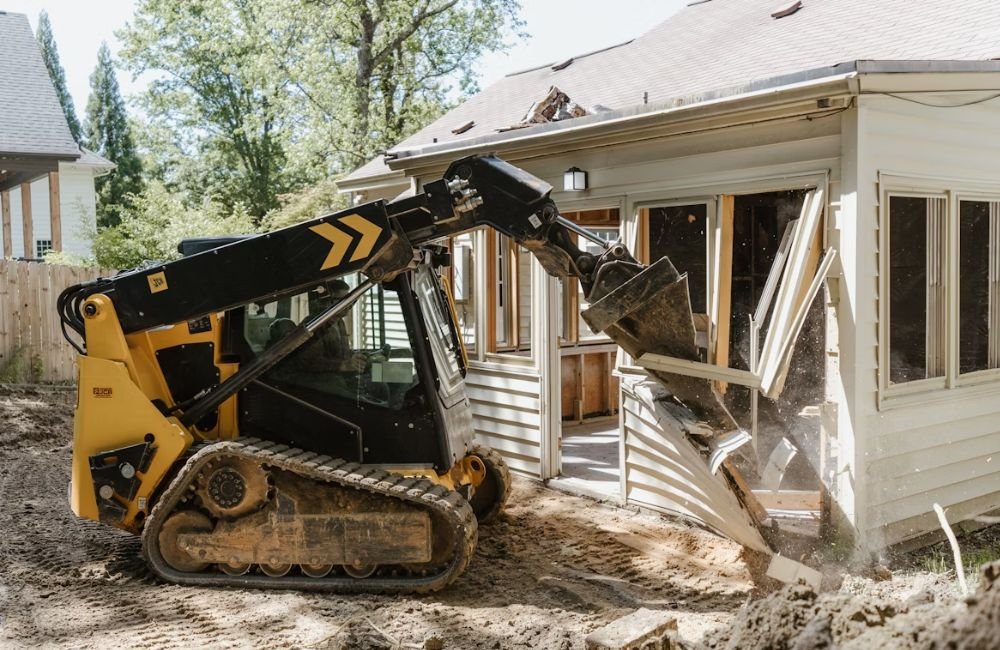
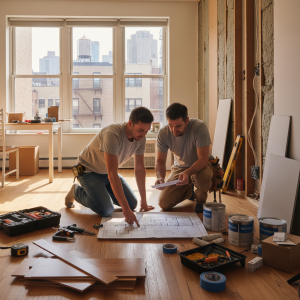
As incredible as it can feel to sign on the dotted line and purchase what might very well become your dream home, it can also be an overwhelming experience. If you’ve bought an older home, you likely have a long list of things you’d like to do to make it truly feel like home.
But, before diving into specific upgrades, it helps to know whether your current setup is truly doing its job. Check out the signs your home needs better insulation so you can identify problem areas early and make smarter, more cost-effective improvement choices.
When your budget doesn’t stretch to a complete transformation, you might have to be selective of the changes you make. When it comes to increasing value, improving comfort, and injecting personality, these upgrades make the most sense:
Contents
Insulation
After typing the expected insulation costs into an insulation savings calculator and seeing the expected return on your investment, you may realize that prioritizing whole-home insulation makes complete sense. Although there may be a significant outlay, it more than pays for itself through energy savings and a reduction in heat loss over time. In fact, the EPA estimates that homeowners save an average of 11% on total energy costs.
Inspect the level of insulation your property already has in its ceiling, floors, and walls, and consider replacing it or adding more, if needed. Beyond energy savings, you can also experience a range of other benefits, including soundproofing, reduced condensation, and improved comfort.
If you’re considering upgrades that deliver long-term comfort and savings, don’t overlook your home’s insulation. Exploring the best insulation solutions to save money and energy can help you maximize efficiency and stretch every renovation dollar further.
Heating and Cooling
It can sometimes feel like we’re always fighting a weather extreme. Winters can be bitterly cold, while summers can be scorching hot. Trying to regulate the temperatures in our homes can be challenging when our heating and cooling units don’t seem to be up to the task.
Before the mercury plummets or skyrockets, start researching the best heating and cooling types for your home. A number of options exist with various levels of convenience and energy efficiency, including:
- Central furnaces
- Electric furnaces
- Heat pump systems
- Boiler and radiant heat systems
Of course, even the best heating or cooling system can struggle if your home isn’t properly sealed. Insulation plays a huge role in keeping temperatures consistent and energy bills manageable. Before making upgrades, it’s smart to compare insulation types: spray foam vs. batts vs. blown-in to find the most efficient match for your home’s climate and structure.
Roofing
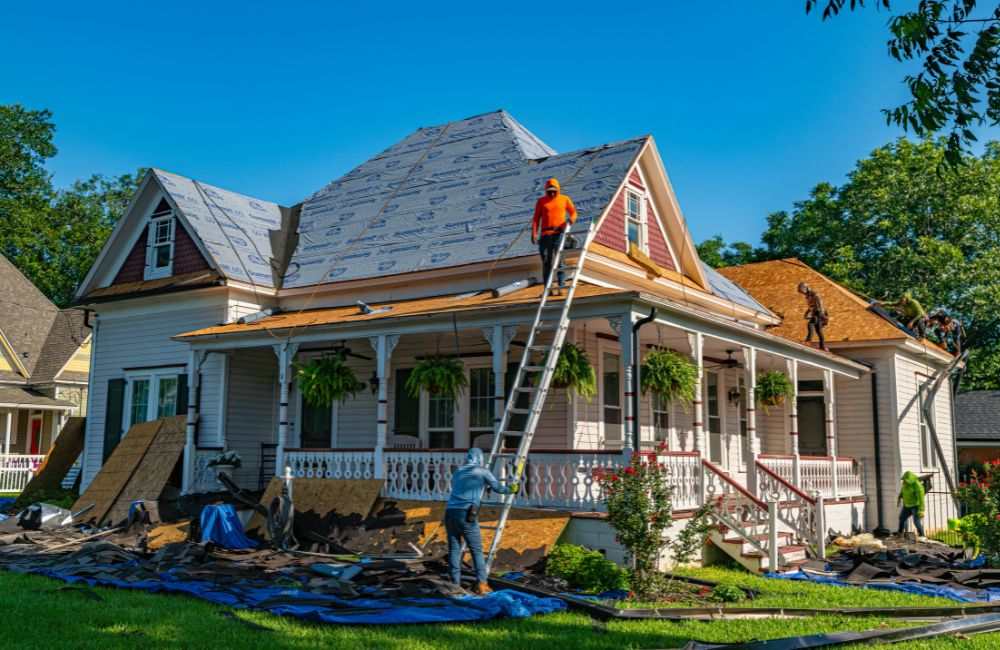
It doesn’t matter how many wonderful upgrades you make inside your home; they can be at risk of damage if you don’t make one crucial upgrade outside: the roof. A leaking or worn roof can cause tens of thousands of dollars of damage, making it one of the most important tasks to add to your to-do list when you move into a new home. If you suspect your roof is leaking, but you’re not entirely sure, look for these signs:
- Damp spots in the attic
- Water stains on the ceiling
- Peeling or bubbling paint around interior walls
- Mold and mildew
- Damaged or missing shingles
- A musty smell
- Sagging areas
If your budget doesn’t yet stretch to a complete roof replacement, consult a trusted professional for roof repairs as soon as possible.
Plumbing
Purchasing an older home often means dealing with original plumbing. You might have older pipes that are now reaching the end of their serviceable lives, like lead, cast iron, copper, and galvanized steel.
Request a plumbing inspection from an experienced plumber to assess the condition of your pipes and determine if any repairs or replacements are necessary. If a plumbing inspection reveals cracks, damage, or corrosion, now could be the right time to upgrade your plumbing system.
Wiring
Home electrical fires account for over 50,000 fires every year. Arcing faults alone result in at least 28,000 of them, as well as hundreds of injuries and deaths. If you aren’t sure how old your home’s electrical system is, or you suspect a problem with it, contact an electrician as soon as possible.
Rewiring your home or addressing any wiring-related issues can put your mind at ease and make you feel more confident about proceeding with other essential home upgrades.
The Kitchen
We spend a great deal of time in the kitchen. If we’re not busy preparing breakfast, lunch, and dinner, we’re raiding the fridge for snacks or dabbling in baking. As it’s such a heavily used space, remodeling it makes complete sense if you’re unhappy with some aspects of it.
Many homeowners choose to upgrade their kitchen when it doesn’t have enough storage, isn’t laid out for efficiency, or features tired and worn materials that no longer serve their purpose. Now could be a good time to start browsing home improvement magazines and see if any kitchen designs grab your attention.
Bathrooms
Make your bathrooms more enjoyable spaces to be in by renovating them to suit your tastes. You might decide to upgrade amenities like sinks, showers, baths, or toilets, or get creative with different paint, wallpaper, flooring, and lighting.
If you’re planning extensive renovations, installing more bathrooms in your home can also make sense. If you’re thinking of upgrades you can make to improve resale value, bathrooms certainly feature near the top of the list.
Storage
If there’s one thing that can put buyers off purchasing a property or frustrate homeowners to no end, it’s a lack of storage. Large and small homes alike can have this annoying problem. You can’t easily add more square feet to a home without undertaking significant alterations, but you can certainly integrate more storage into an existing property. Here are some genius storage tips to explore:
- Floating shelves on walls
- Over-the-door organizers
- Under-bed containers
- Multi-purpose furniture like sofas with storage ottomans and fold-down tables
- Wardrobe organizers
- Narrow trolleys for gaps
- Pull-out pantry shelves
- Hanging pot and utensil racks
- Stackable bins
If you’re looking to maximize storage without compromising on style, built-in wardrobes are an excellent solution. Unlike freestanding units, built-in wardrobes are tailored to fit the specific dimensions of your room, seamlessly integrating into the space and giving a clean, uncluttered look. They can be designed to accommodate everything from hanging clothes and folded items to shoes, accessories, and even bulky seasonal items. Adding features like adjustable shelving, drawers, and pull-out racks ensures every inch of space is used efficiently.
One of the most attractive options for built-in wardrobes is bespoke sliding wardrobe doors. These doors not only save space, since they don’t swing outwards like traditional doors, but also allow you to customize the look of your wardrobe to suit your interior design. You can choose from a variety of finishes, including mirrored panels, frosted glass, wood veneers, or sleek modern laminates. Bespoke wardrobe doors can even incorporate integrated lighting or decorative elements to enhance both function and aesthetics.
The beauty of built-in wardrobes with tailor-made sliding doors is that they transform underutilized wall space into organized storage without making the room feel cramped. They are ideal for bedrooms of any size, hallways, or even walk-in dressing areas. By carefully planning compartments and sections, you can create zones for different types of clothing, accessories, and daily essentials. Not only does this approach declutter your living space, but it also adds value to your home, making it more appealing to future buyers who appreciate thoughtful, efficient storage solutions.
Lighting
A dark and dingy home isn’t just unenjoyable and impractical for homeowners, but it can also be unsafe. When all areas aren’t well-lit, furniture and items can become trip and fall hazards. Invest in your safety and comfort by improving the lighting.
Start by installing energy-efficient LED bulbs, which can produce brighter light than older, incandescent bulbs. It also helps to use multiple forms of lighting that all work together in harmony, like wall sconces, table lamps, and floor lamps.
If natural light is lacking in any room, install a mirror, which can reflect what little natural light is available. Finally, paint walls in light colors. You might be surprised by how all these changes can transform even the darkest room in your home.
The Takeaway
It can be overwhelming to know which upgrades you should focus your efforts on. However, this list above may provide a strong foundation to work from to help you create the comfortable and safe home of your dreams.
Looking for more simple ways to stretch your renovation budget? These budget-friendly home improvements that make a big difference offer practical ideas to boost comfort and style without overspending.
FAQ: Which upgrade should come first?
- Should I upgrade my HVAC system or my insulation first?
- In most cases, insulation should come first. Improving insulation helps your home retain heated or cooled air more efficiently, reducing the workload on your HVAC system.
- Once your home is properly sealed, you’ll have a clearer idea of whether your current heating or cooling setup is truly underperforming or simply overworked. Learn more about how to know when to upgrade insulation vs. HVAC to make the smartest decision for your comfort and budget.
- Can new insulation really lower my energy bills that much?
- Absolutely. Upgrading insulation can reduce heating and cooling costs by as much as 15–25%, depending on your home’s age and existing materials. It’s one of the highest-ROI improvements for long-term savings and comfort.
- What if my HVAC system is very old—shouldn’t I replace it anyway?
- A: If your system is over 15 years old or frequently breaking down, an upgrade may still be wise. But addressing insulation first ensures your new HVAC unit isn’t oversized or forced to work harder than necessary.