
Last Updated on December 12, 2025 by teamobn
Quick Answer
A human‑powered (manual) washing machine cleans clothes using your hands, feet, or bicycle pedals instead of electricity. These washers are useful for off‑grid living, camping, small apartments, emergencies, and saving on power bills. Most are best for small loads, and you may still need a separate step to rinse and squeeze/spin water out.
In a hurry? If you want the simplest option, choose a hand‑crank or foot‑pump washer. If you want exercise, choose a pedal or bike‑powered washer.
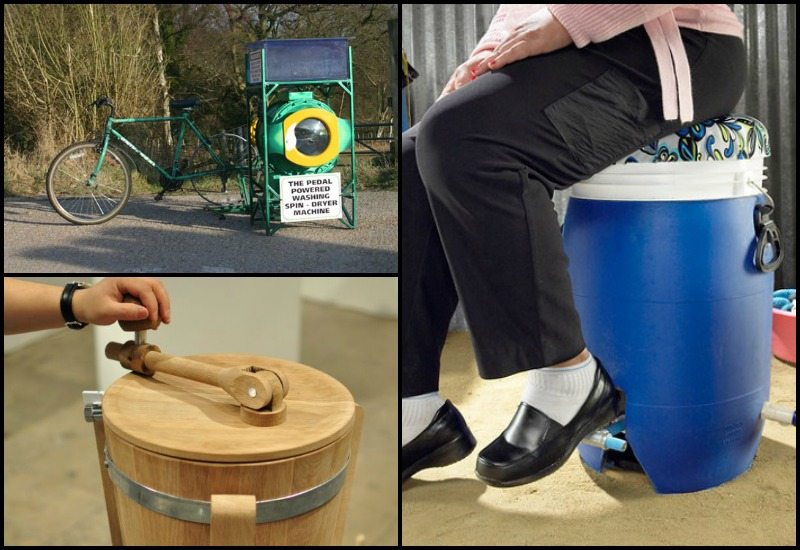
What Is a Human‑Powered Washing Machine?
A human‑powered washing machine is a device that moves your laundry through soapy water by agitating it (shaking, tumbling, or spinning). Instead of using a motor, it uses muscle power, like pedaling, cranking a handle, or pumping with your foot.
This makes it a practical backup when electricity is expensive, unreliable, or unavailable.

Who should use one (and who shouldn’t)?
A manual washer is a great choice if you:
- Live off‑grid or experience frequent power outages
- Camp, travel, or live in a small space
- Need to wash small loads (uniforms, gym clothes, baby clothes)
- Want to reduce electricity use
It may not be the best choice if you:
- Regularly wash large loads for a big family
- Need heavy-duty cleaning for very muddy workwear every day
- Have limited mobility (some models require steady pedaling or pumping)
Types of Non‑Electric Washers (Quick Guide)
- Foot‑pump washers: easy to use, often compact
- Hand‑crank washers: simple, portable, good for small loads
- Pedal/bike‑powered washers: fastest for people who enjoy exercise
- DIY/repurposed builds: can be affordable, but results depend on the build quality
Click on any image to start the lightbox display. Use your Esc key to close the lightbox. You can also view the images as a slideshow if you prefer 
Impressive Manual Washing Machine
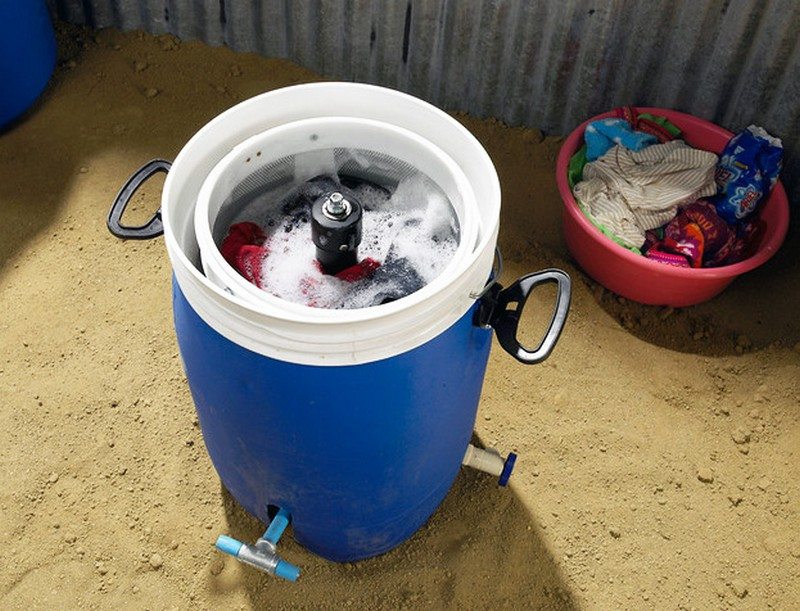
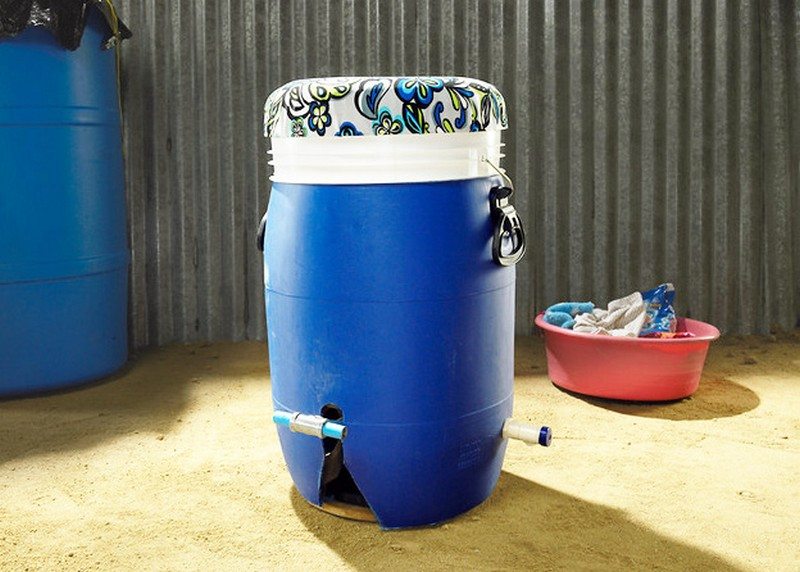
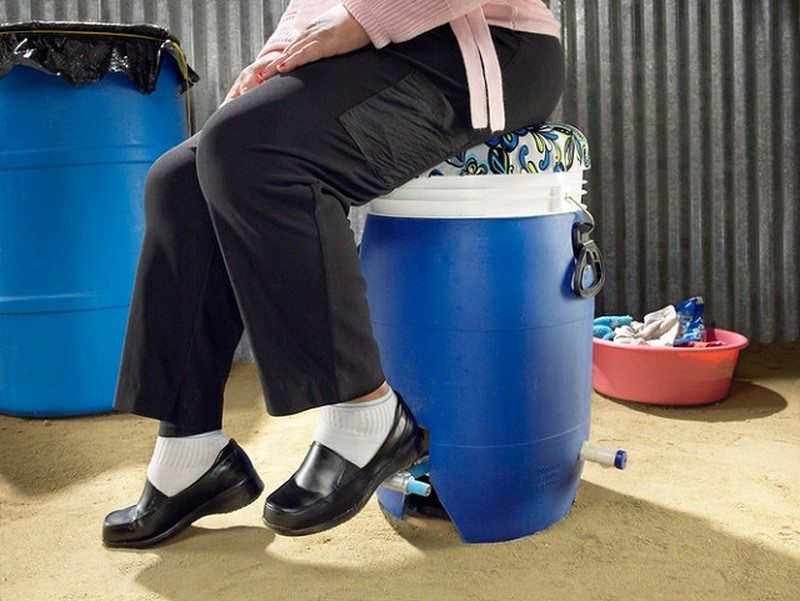
GiraDora
GiraDora is a manual washing machine, meaning the user doesn’t have to use electrical or mechanical components to operate the machine. The foot pedal is what powers the machine, and the user only needs to lift the foot before turning on the tap.
Cyclean Bike-Powered Washing Machine
The Cyclean Bike-Powered Washing Machine is a revolutionary device that utilizes the power of cycling to scrub your clothes.
You attach your bike to the washer with the use of a specially designed 2-piece adapter, and the power is generated through the pedals. It is as efficient as a manual washer and is quieter than a standard washing machine.
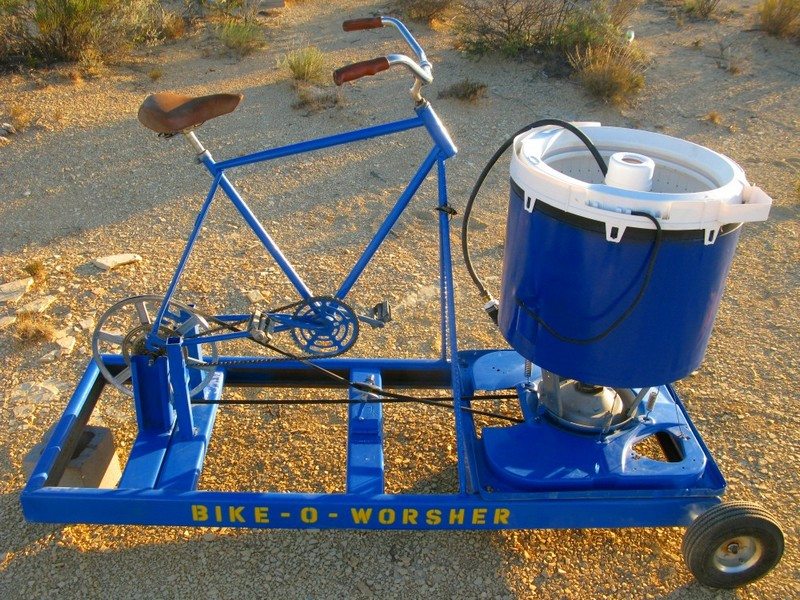
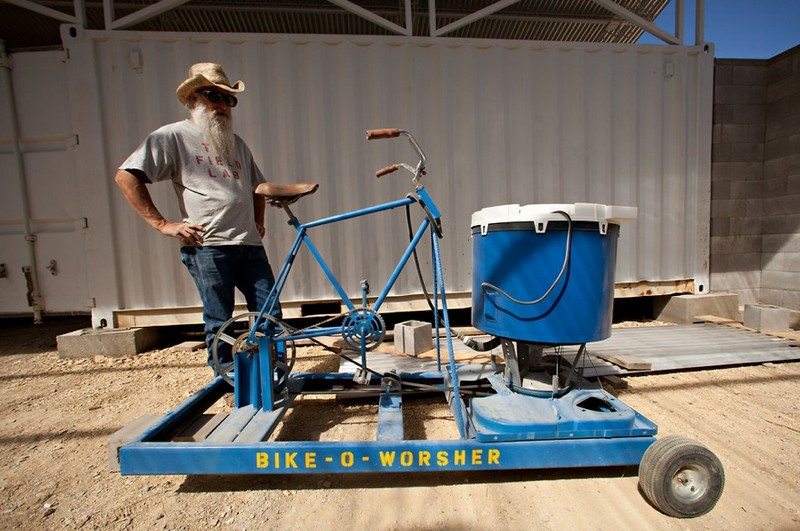
Bike-o-Worsher
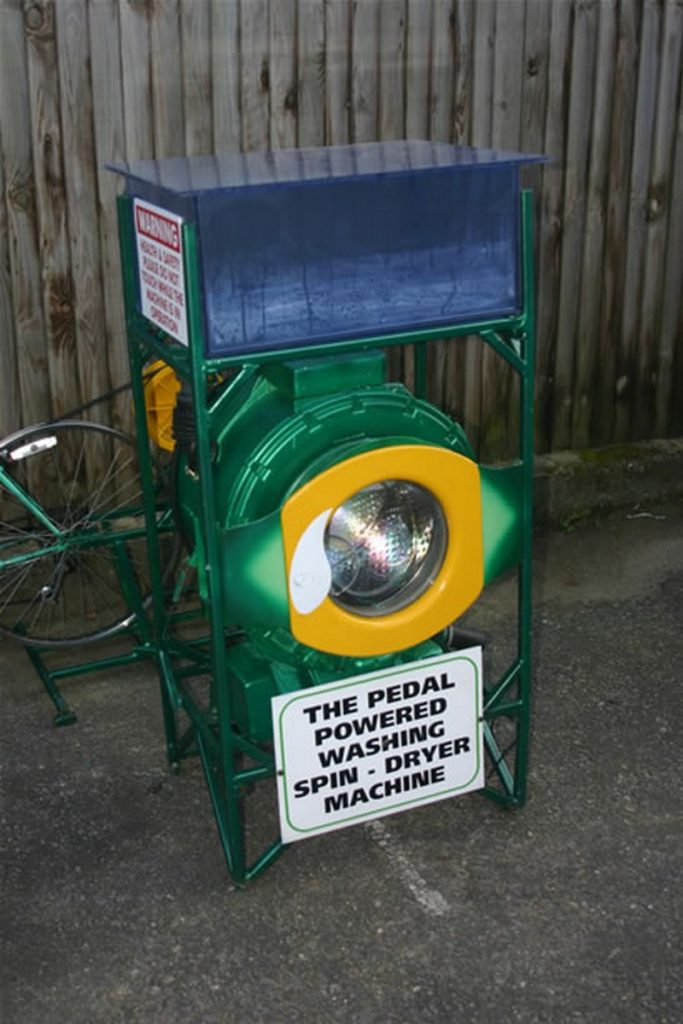
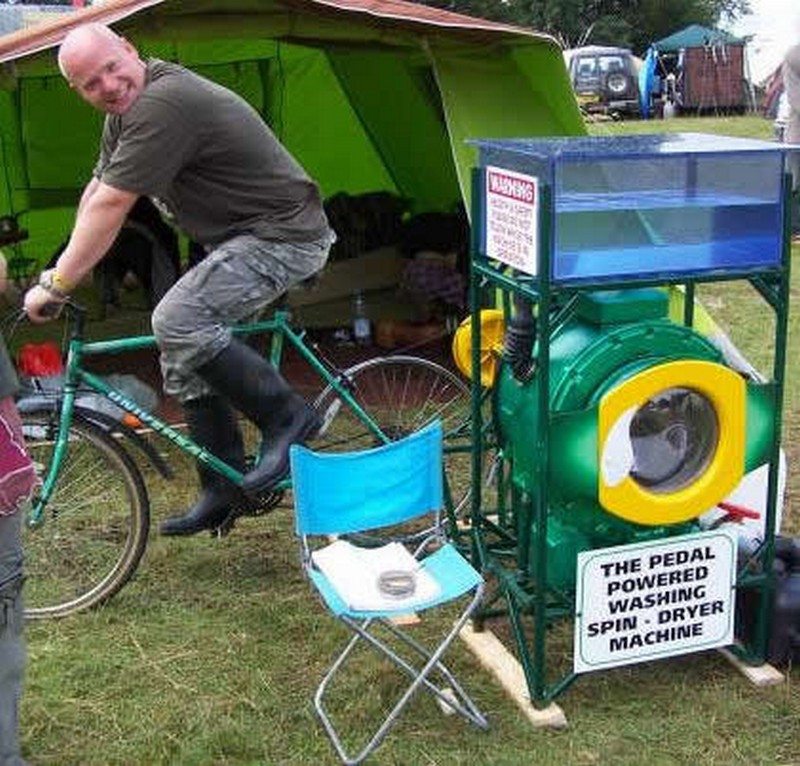
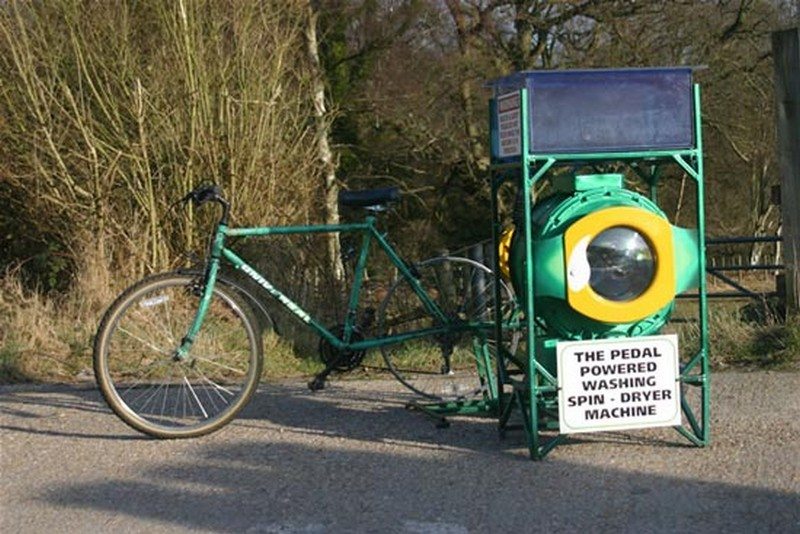
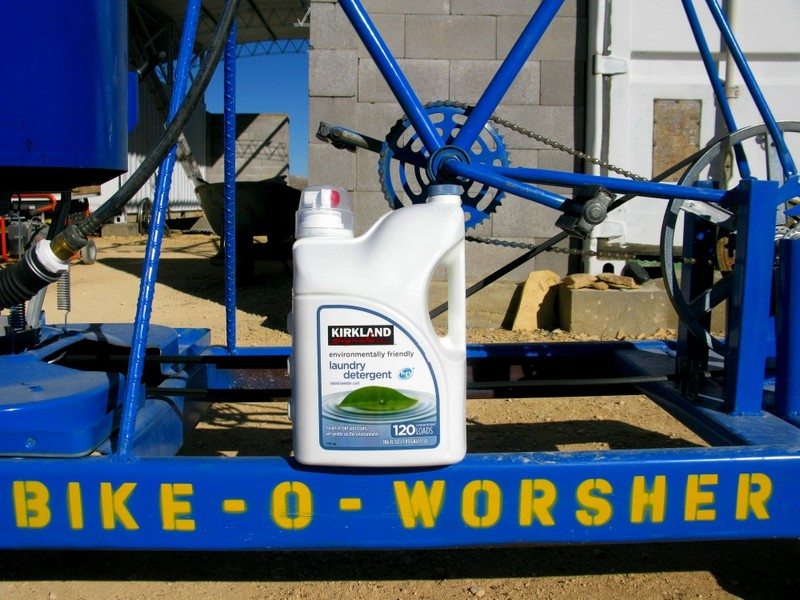
This is an exciting product for all the people who love to wash their clothes manually. But, how does it work? The design of the Bike-o-Worsher-Manual Washing Machine is very simple.
The product basically is a portable washer that is fitted on a bicycle. The machine is fully manual, and it is equipped with a tub that is intended to hold the water and detergent, as well as a pair of pedals. The entire device is mounted on the bicycle, and the device can be manually moved and carried.
The user has to pedal the bicycle in order to rotate the drum that contains the water and the clothing.
Drumi
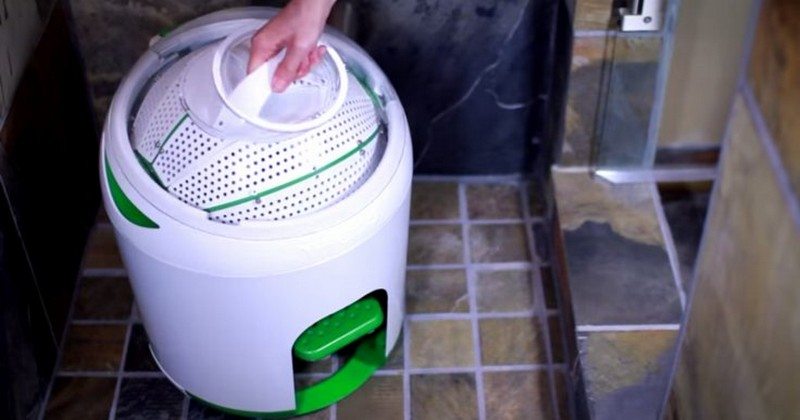
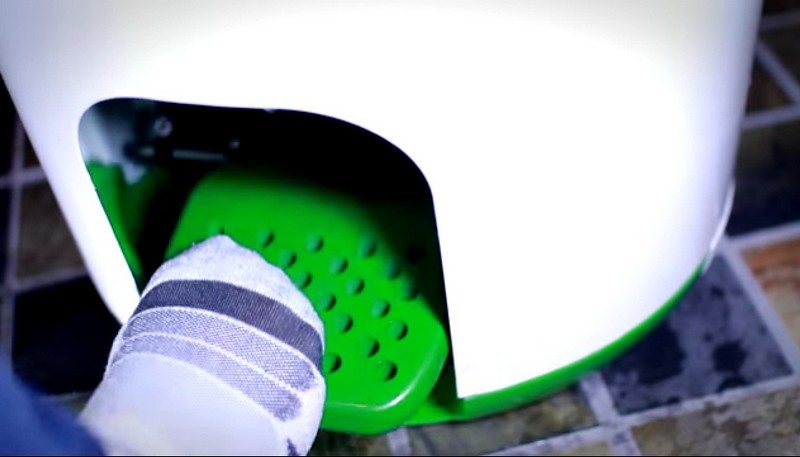
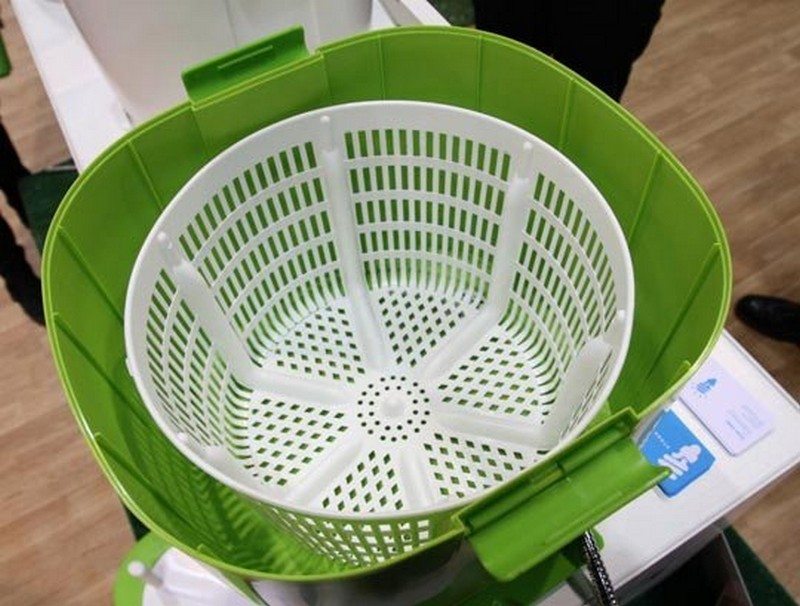
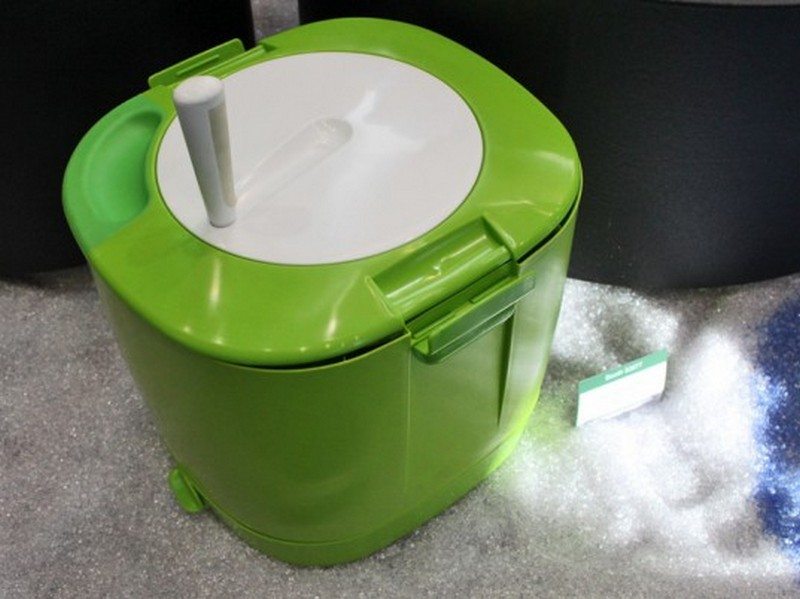
Drumi is a manual washer that saves space and money. Unlike top-loading washers, Drumi has a handle and works like a big plastic bucket.
You put in the water and soap, close the lid, and push the pedal to agitate the water. It can hold a maximum of 1.5 gallons of water.
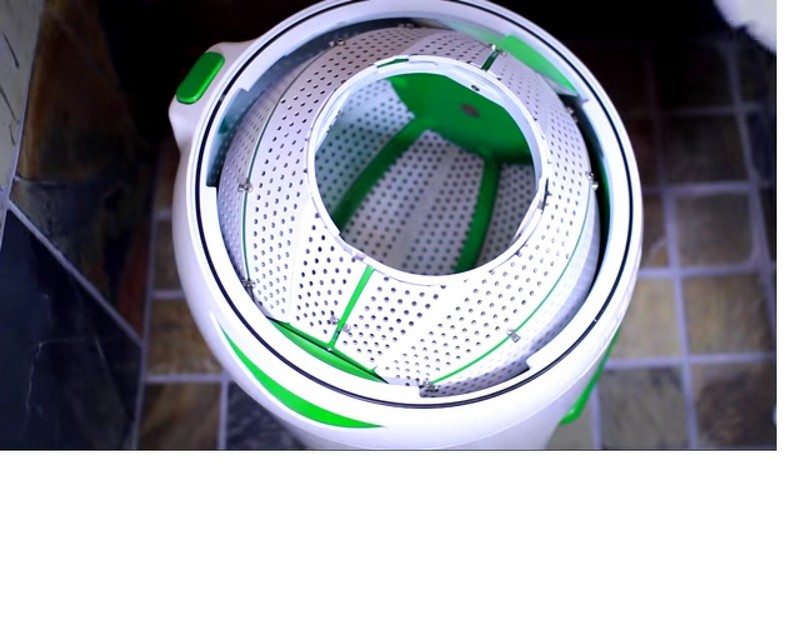
Human-Powered Wooden Washing Machine
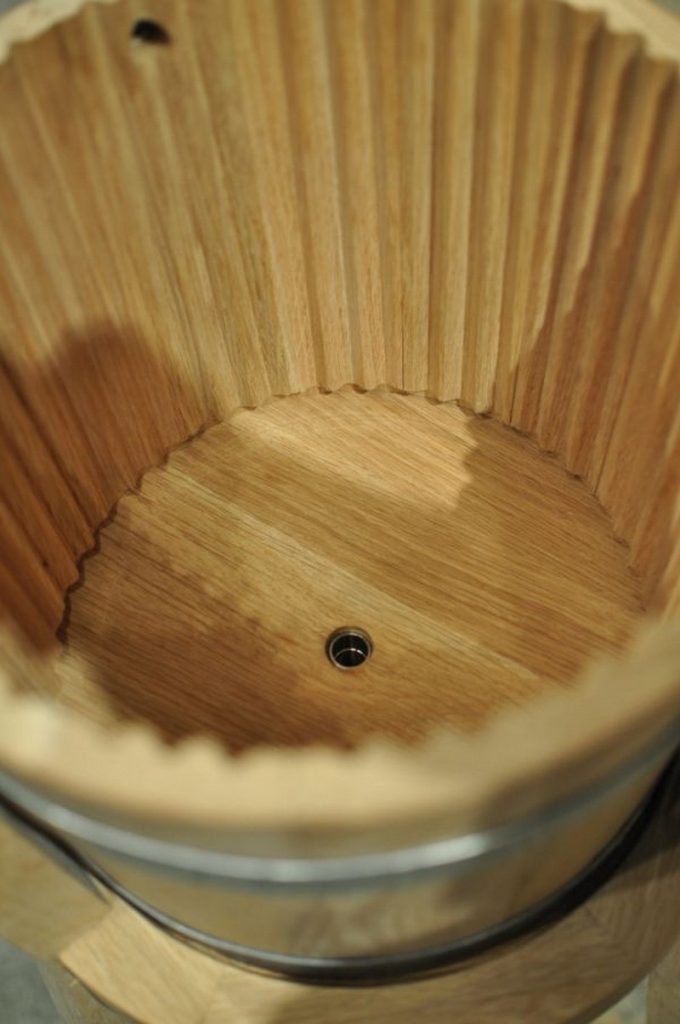
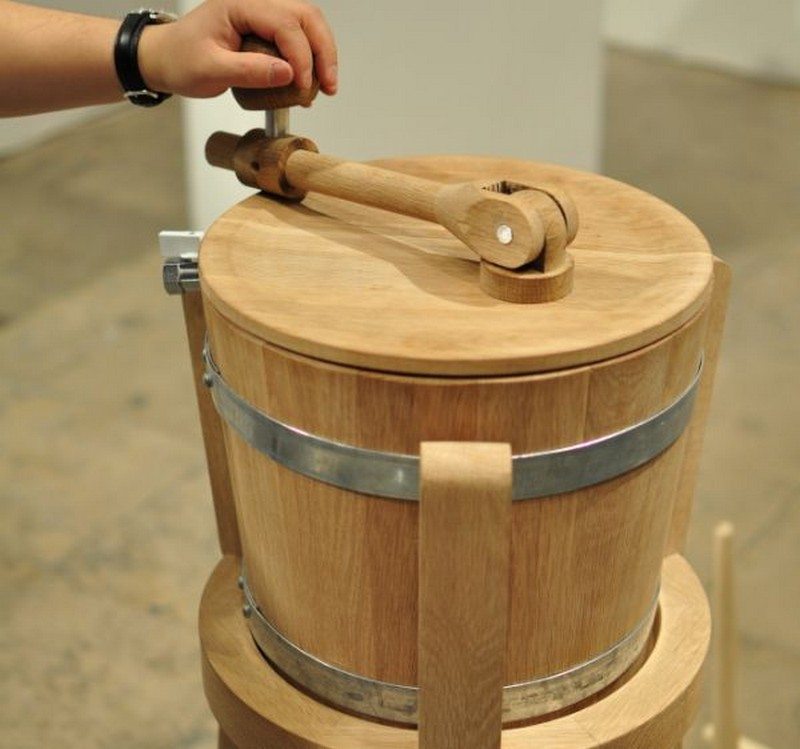
The human-powered wooden manual washer is a washer on a wooden frame, which is a kind of exercise equipment at the same time. In order to make it more convenient to do housework, people use the human-powered wooden washing machine to do laundry.
The use of human strength to rotate a wooden wheel can exert the rotation force to drive the washing machine to carry out washing and rinsing.

Laundry Pod
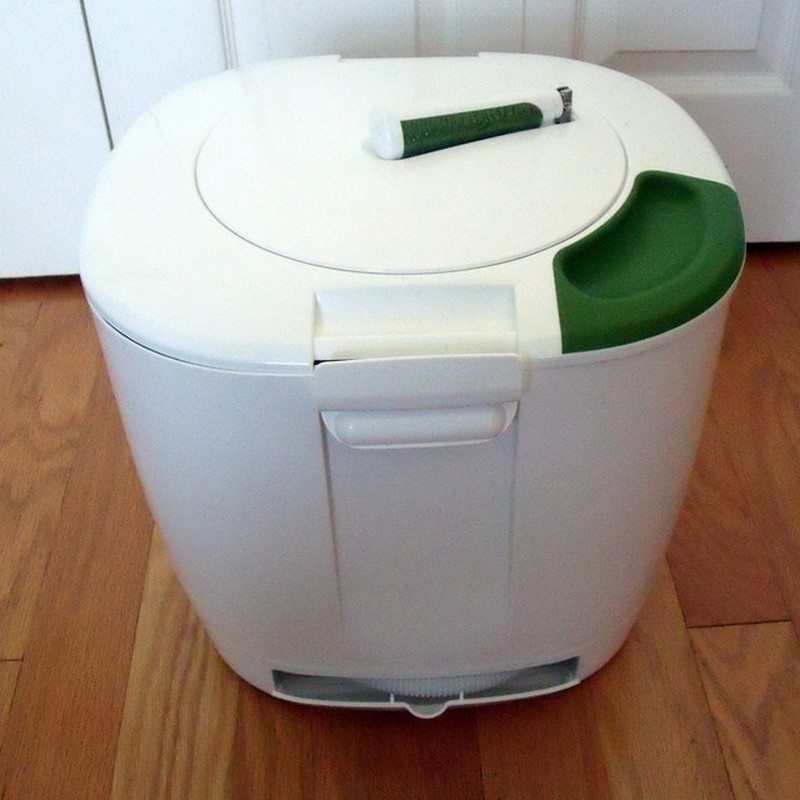
A laundry pod is a tubular, plastic bag that contains soap and is designed to wash clothing and linen. The soap is activated by water and there is no need to use a washboard or laundry machine. These pods are also known as laundry capsules.
Bicilavadora
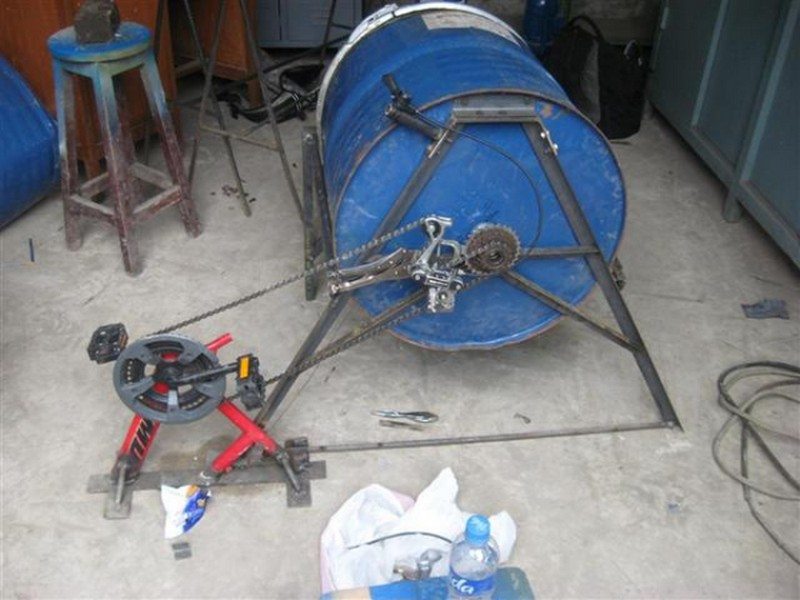
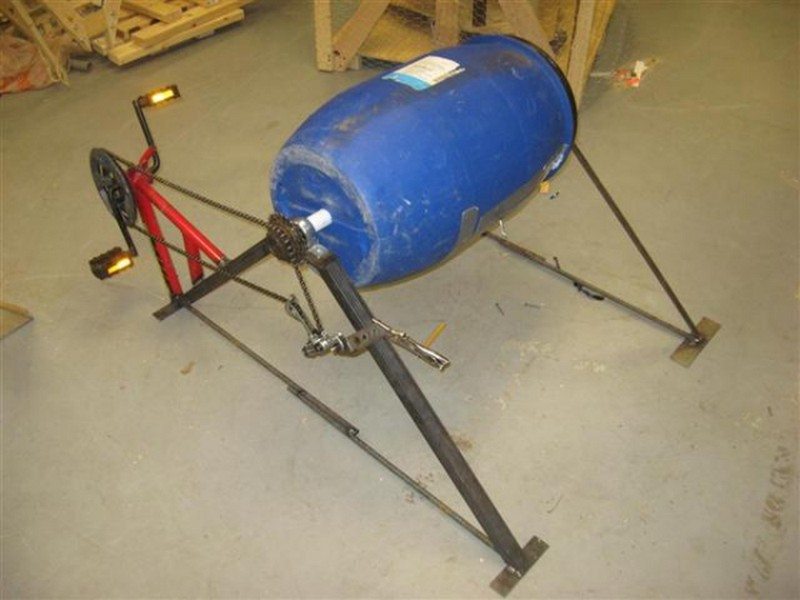
`The bicilavadora (bicycle washing machine) is a manual washer. This manual washer is made out of a bicycle with the seat removed, a large container, and a system that allows the container to spin. The clothes are put in the large container, which is attached to the bike. The user pedals the bike, which in turn spins the container.
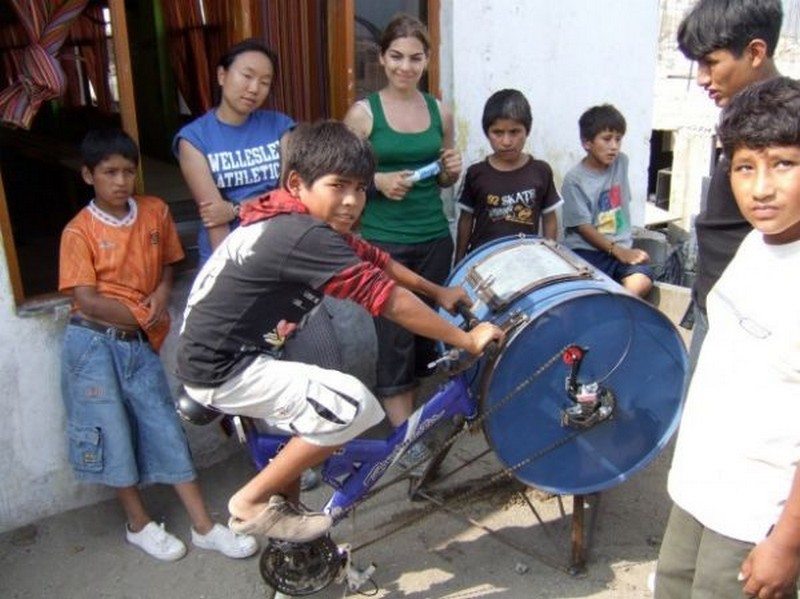
Pedal-Powered Mobile Washing Machine
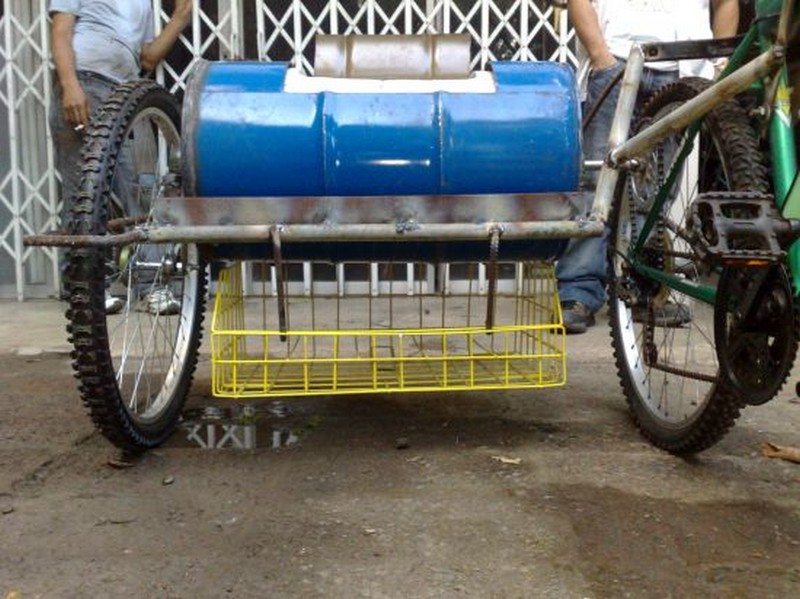
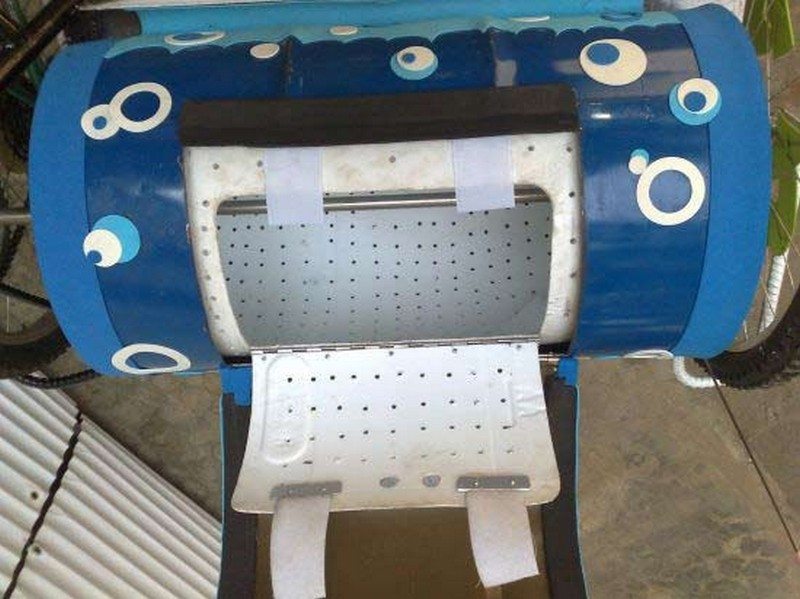
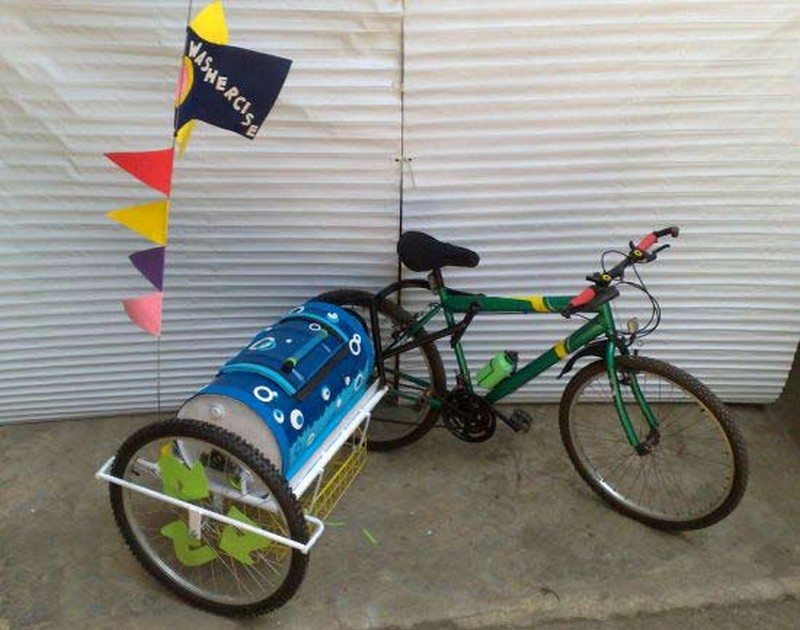
It’s a pedal-powered washer! No electricity is required! Take it to the river, lake, sea, or anywhere else with some water! It uses only 20 liters of water per wash.
The spin cycle uses centrifugal force. It’s called the Washing Machine Bike. It’s a good way to do your own laundry or to do a load for someone in need.
Benefits of Human‑Powered Washers
Saves electricity (and can save money)
Because these washers don’t draw power from the grid, they can lower energy use, especially helpful during outages or in off‑grid homes.
Encourages light exercise
Pedaling or pumping can raise your heart rate slightly, similar to a short brisk walk. It’s not a replacement for full workouts, but it’s healthier than sitting still.
Helps reduce environmental impact
Using less electricity can reduce overall emissions in areas where electricity comes from fossil fuels. Many models also work well for small loads, which can reduce wasted water compared to running a large machine for just a few items.
Impact on Energy Consumption and Carbon Footprint
In an era where environmental sustainability is paramount, the human-powered washing machine stands out as a significant innovation. It not only offers a practical laundry solution but also has a considerable impact on reducing energy consumption and carbon footprint.
By understanding how human-powered washing machines contribute to environmental conservation, users can make more informed choices for a sustainable future.
Reduced Energy Usage
The most direct benefit of a manual washing machine is its minimal energy requirement. Unlike conventional electric washers, these machines rely solely on human effort for operation.
This means they do not draw electricity from the power grid, substantially reducing household energy consumption. Individuals directly cut down on the energy used for daily chores using a human-powered washing machine, contributing to a lower overall home energy footprint.
Lower Carbon Emissions
Reduced reliance on electricity with a human-powered washing machine directly translates to lower carbon emissions. Electricity production, especially in regions derived from fossil fuels, is a major source of greenhouse gases.
By opting for a human-powered alternative, users actively decrease the electricity demand and, consequently, the carbon emissions associated with its production. This shift is a small but meaningful step towards combating climate change.
Promoting Sustainable Practices
Adopting a human-powered washing machine is more than just a personal choice; it’s a statement supporting sustainable living. It encourages a mindset shift towards energy conservation and eco-friendly practices.
This can ripple effect, inspiring others to consider how their daily activities impact the environment. Using a human-powered washing machine becomes a part of a larger movement towards reducing energy consumption and minimizing carbon footprints on an individual and community level.
Adopting a human-powered washing machine is crucial in reducing energy consumption and carbon emissions. This choice aligns with environmentally conscious living and promotes sustainability. It’s a practical step that individuals can take to contribute positively to the environment while fulfilling their daily tasks.
Future Trends and Innovations
The field of human-powered washing machines is evolving rapidly. As technology advances and environmental awareness grows, future trends and innovations in this area are expected to bring even more efficient and user-friendly solutions. These developments will continue to enhance the appeal and effectiveness of human-powered washing machines.
Integration of Smart Technology
Integrating smart technology into human-powered washing machines will transform how users interact with these devices. Future models are expected to feature advanced performance tracking systems.
These systems will monitor and record the energy exerted by the user during each wash cycle. By assessing the efficiency of each cycle, users can receive real-time feedback on their physical effort and the overall effectiveness of the wash.
A key aspect of this smart integration is pairing human-powered washing machines with mobile apps. These apps could provide users with detailed insights into their energy savings and the fitness benefits gained from using the machine.
For example, the app might track the calories burned per session or the total energy produced over time. This data can motivate users to optimize their laundry routines for maximum environmental and health benefits.
Smart technology will also allow for more personalized washing experiences. Users could set goals for physical activity or energy savings, and the machine could adjust its resistance or indicate the optimal amount of laundry for achieving these goals. This level of customization will enhance the user experience and promote sustained use of the machine, reinforcing healthy and eco-friendly habits.
Ergonomic and User-Friendly Designs
The future of human-powered washing machines lies in ergonomic innovation. Upcoming designs are expected to focus on user comfort and accessibility. Features such as adjustable pedals or cranks will cater to users of different heights and physical strengths. This adaptability ensures that a wide range of users, from young children to older adults, can operate the machine comfortably and efficiently.
Ergonomic improvements will also aim to reduce the physical strain associated with operating these machines. It might involve redesigning handles and pedals to require less force or implementing mechanisms that optimize human energy transfer into washing power. By making these machines easier to use, manufacturers can attract a broader audience, including those who may have hesitated due to physical limitations.
Future human-powered washing machines will likely embrace inclusive design principles, ensuring they are accessible to people with various physical abilities. It could include features like handrails for stability, non-slip surfaces for safety, and clear, easy-to-read instructions. Such inclusive designs will enhance the usability of these machines and demonstrate a commitment to accommodating the needs of all users.
Increased Efficiency and Capacity
As technology evolves, significant improvements in the mechanical design of human-powered washing machines are anticipated. Innovations may lead to more efficient drum designs that enhance the cleaning process. These designs could maximize the agitation of clothes, ensuring thorough cleaning with less physical effort from the user. Such advancements would make human-powered washing machines more comparable in efficiency to their electric counterparts.
Future models of human-powered washing machines are expected to offer larger capacities. This development is crucial for catering to the needs of larger households. Increasing the load size will make these machines more practical and time-efficient. Users can wash more clothes in a single cycle, making the human-powered option a more viable alternative for everyday use.
In addition to mechanical improvements, there will likely be advances in how these machines utilize human energy. The goal will be to convert human effort into washing power more effectively, reducing the required physical exertion. This optimization could involve innovative gearing systems or smoother operation mechanisms, enhancing the overall user experience.
Eco-Friendly Materials and Production
The future of human-powered washing machines also involves a shift towards eco-friendly materials. Manufacturers are expected to focus on using recyclable or biodegradable materials in production. This approach not only reduces the environmental impact of the machines themselves but also aligns with the overall ethos of sustainability that these machines promote.
Alongside material choices, sustainable production methods will become a priority. This includes reducing waste and energy consumption during the manufacturing process. By adopting greener production practices, manufacturers can further reduce the ecological footprint of these machines, making them an even more environmentally responsible choice.
Global Accessibility and Impact
A significant future trend is increasing the availability of human-powered washing machines in developing regions. These areas often lack reliable electricity, making traditional washing machines impractical. By developing cost-effective production and distribution methods, manufacturers can make these eco-friendly machines more accessible globally.
The broader distribution of human-powered washing machines will contribute to a reduction in the global carbon footprint. By providing an efficient, electricity-free laundry solution, these machines offer a sustainable alternative for regions that predominantly rely on fossil fuels for power generation. This global reach addresses practical needs and aligns with worldwide efforts to combat climate change.
The future of human-powered washing machines is bright, with numerous innovations on the horizon. These advancements promise to make these machines more efficient, user-friendly, and accessible, further cementing their role as a sustainable alternative in household appliances.
FAQ: Manual Washing Machine
- What are the dimensions and capacities of the washing basket and bucket in the manual washer?
- The manual washer’s components are designed for efficiency and durability, catering to small to medium-sized laundry needs. The washing basket has a 5-gallon capacity, a 12-inch diameter, and stands 28 inches tall with the handle. It is made from high-strength plastic for long-lasting use.
- The large bucket holds up to 10 gallons of water, with a 19-inch diameter and a height of 25 inches, offering ample space for soaking or rinsing. Built from durable plastic, it features a convenient lower-edge drain for easy water release and four sturdy rubber feet for stability during use. These dimensions and features ensure the manual washer is compact, reliable, and user-friendly.
- What are the advantages of using a hand-powered clothes washer?
- The human-powered washing machine offers an innovative solution that combines sustainability, practicality, and health benefits. Its simple design delivers efficient cleaning with minimal water and detergent, making it eco-friendly and cost-effective while eliminating the need for frequent laundromat visits.
- Using the washer provides a moderate cardiovascular workout, engaging muscles in the arms, legs, and core, and promoting overall physical fitness. Additionally, the repetitive motion reduces stress, boosts mood, and fosters mindfulness, turning a routine chore into an opportunity for healthier living and sustainable practices.
- How does it save money?
- It quickly pays for itself by eliminating the need for frequent laundromat visits. Additionally, it uses much less water and detergent than conventional electric machines.
- What specific types of clothing or items is it suitable for?
- It is effective for jeans, sweatshirts, delicates, work clothing, and even pet bedding.
- How quickly does it clean clothes?
- The washer can clean clothes in approximately 15 minutes, offering a swift solution for laundry needs.
- Where can it be used?
- It can be used indoors in places like bathtubs and basements, and outdoors on patios or decks, as long as draining soapy water in those areas is acceptable.
- How easy is it to use?
- The washer operates with a simple up-and-down motion, making it easy for anyone to use without needing electricity.
- How does a manual washing machine save money compared to electric washing machines?
- Reducing reliance on electricity benefits your wallet, your health, and the planet. A manual washing machine quickly pays for itself, saving you money from the first few trips you avoid to the laundromat. Using only a fraction of the water and detergent of traditional machines, it lowers utility costs while reducing your environmental impact.
- Perfect for daily washes like uniforms or casual attire, it brings convenience and savings directly to your home. Switch to this eco-friendly alternative and enjoy the peace of mind that comes with a sustainable, smarter lifestyle.
- What practical benefits does the manual washing machine offer for daily use?
- It’s perfect for efficiently handling everyday laundry needs, such as washing uniforms or daily-worn clothing, providing convenience for quick washes.
- How does the manual washing machine compare to electric washing machines in terms of water and detergent usage?
- It significantly reduces resource consumption, using much less water and detergent than traditional electric machines, making it an eco-friendly choice.
- How quickly does the manual washing machine recoup its cost compared to using a laundromat?
- The machine becomes a cost-effective solution after just a handful of trips you avoid to the laundromat, quickly covering its initial investment.
- How easy is it to use a manual washing machine for laundry?
- Using a human-powered washing machine combines practicality with fitness, making it a convenient way to burn calories and maintain a healthy weight. The energy required for pedaling or cranking integrates calorie-burning activities into daily chores, helping with weight management without extra workout time.
- These machines feature an intuitive design with easy, rhythmic motions that ensure effective cleaning while remaining accessible to all ages. Portable and versatile, they can be used indoors or outdoors, completing laundry in just 15 minutes. With cost and energy savings, this eco-friendly solution is a sustainable and time-efficient alternative to traditional washing machines.
Conclusion
Human-powered washing machines present a unique blend of environmental sustainability, health benefits, and technological innovation. These machines offer a practical solution for eco-conscious individuals and those living off-grid areas. They reduce energy consumption and carbon footprint while also providing physical exercise benefits. These are also great parts of your laundry room.
If you love camping but hate using laundromats, here’s a $17.95 solution that really works…