Last Updated on December 15, 2025 by teamobn
Every home has two basic parts, a roof and a floor. Most of us hardly think about the roof, but we spend all day walking, sitting and standing on our floors.
Because you use your floors so much, it makes sense to choose flooring that fits your lifestyle and your personality. You want something that is strong and long-lasting, but it can also be creative and beautiful at the same time.
Below are 14 creative flooring ideas. You will see what each one is, where it works best, and the main pros and cons so you can decide which one fits your home.
Best Creative Flooring Ideas At A Glance
- Best for tight budgets: laminate flooring, ceramic tiles
- Best for heavy traffic: ceramic tiles, brick floors, sealed concrete floors
- Best for DIY art projects: penny floors, bottle cap floors, some graphic floors
- Best for kids rooms and playrooms: puzzle floors, laminate flooring
- Best for a rustic look: log end (cordwood) flooring, brick floors, wooden slat floors
- Best for a modern look: glass flooring, concrete floors, graphic epoxy floors
- Best eco friendly ideas: bottle cap floors, log end flooring, brick floors
Creative Flooring Ideas
The gallery below will give you a few flooring ideas to get the creative juices flowing.
Got a floor you’re proud of? Why not send us a photo or two, and we’ll add it here?
Click on any image to start the lightbox display. Use your Esc key to close the lightbox. You can also view the images as a slideshow if you prefer 😎
Glass Floors
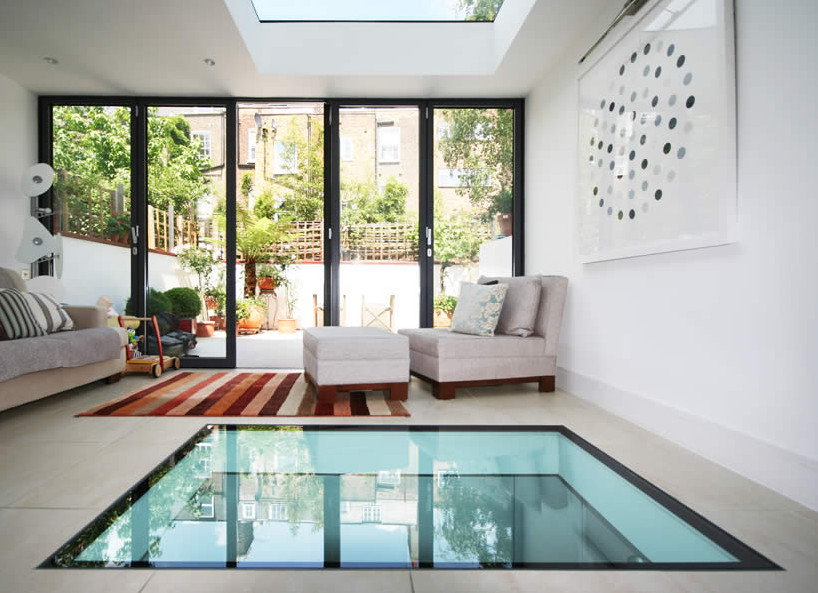
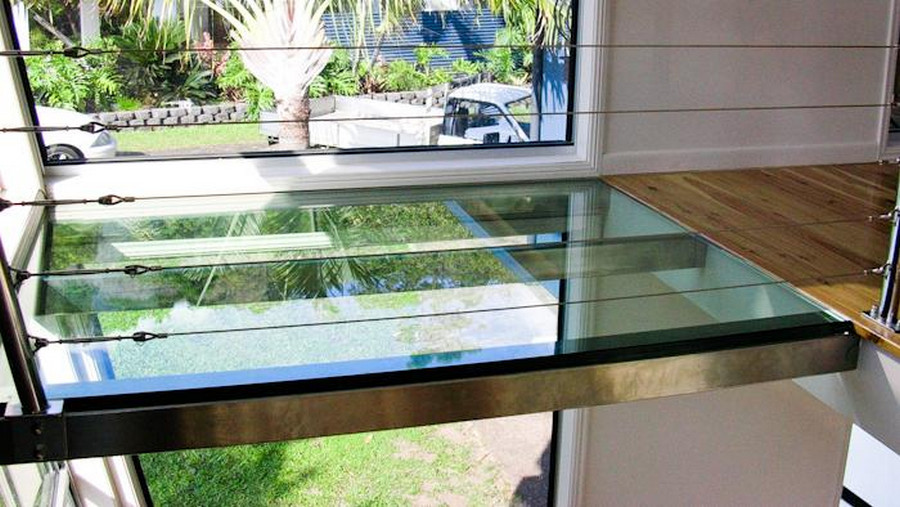
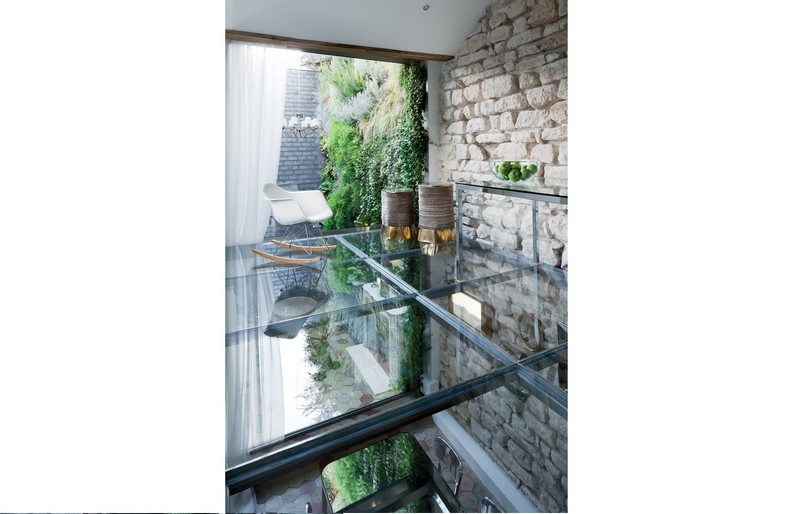
Glass flooring uses thick, reinforced glass panels as part of the floor surface. It is often used on upper levels, landings or over feature areas so that light can travel between floors.
Best for
- Walkways and bridges between rooms
- Lofts and mezzanines
- Areas where you want more natural light
Pros
- Brings light down to the lower floors
- Very modern and eye-catching
- Can be clear, frosted or textured for privacy and safety
Cons
- One of the most expensive flooring options
- Needs a professional installer for safety
- Shows dirt, smudges and scratches easily
Difficulty and cost
- Difficulty: High, professional installation only
- Cost: Very high
Maintenance tips
- Clean with a suitable glass cleaner or mild soap
- Check seals and supports from time to time to keep them safe
Log End Flooring (Cordwood Flooring)
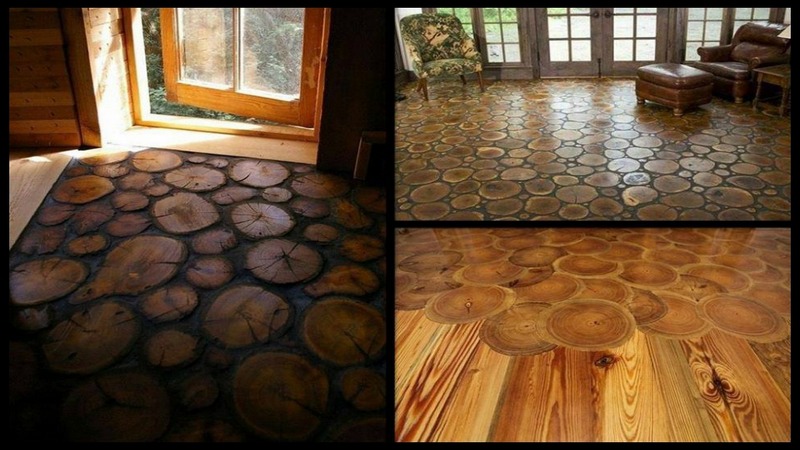
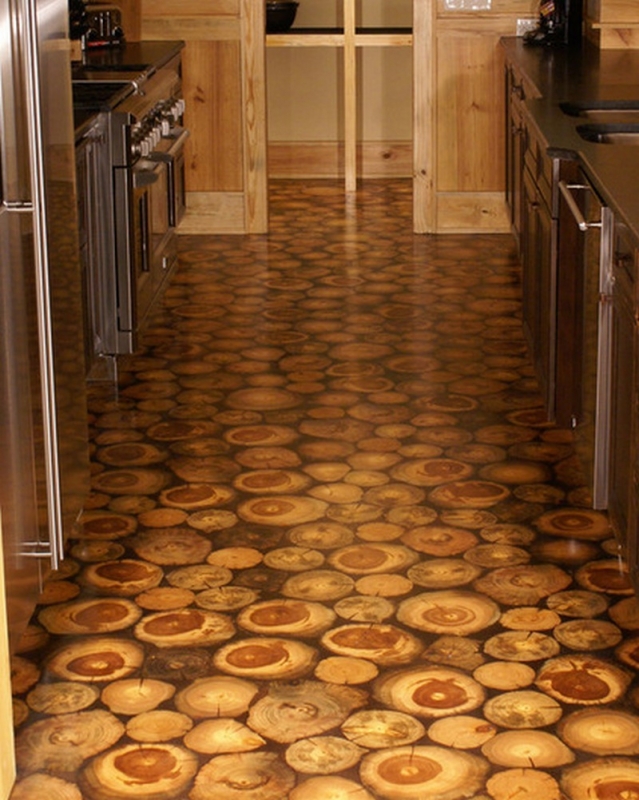
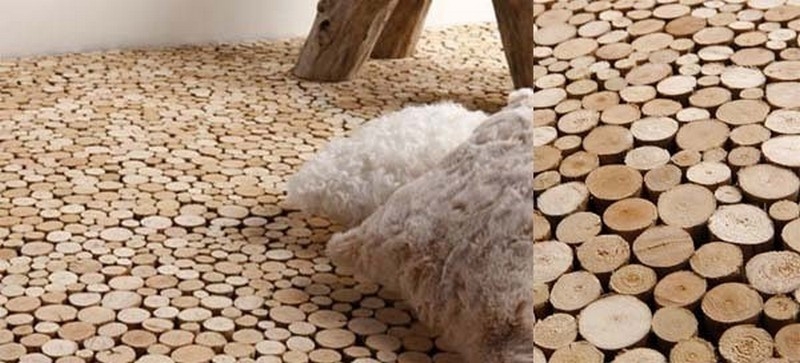
Log end flooring uses slices from logs, usually hardwood species such as oak, maple or cherry. The round or oval pieces are set on edge, then filled and sealed to create a solid surface.
Best for
- Rustic cabins and cottages
- Living rooms and hallways in country-style homes
- Feature rooms where you want the floor to stand out
Pros
- Very warm, natural, rustic look
- More resistant to warping and cracking than soft pine floors
- Often uses smaller logs that might otherwise go to waste
Cons
- Takes time and skill to install properly
- Needs careful sealing to keep out dirt and moisture
- Not ideal for very wet areas, such as full bathrooms
Difficulty and cost
- Difficulty: Medium to high, often a DIY project for experienced builders
- Cost: Medium, depends on wood source and finish
Maintenance tips
- Sweep or vacuum often
- Reseal when the finish looks dull or worn
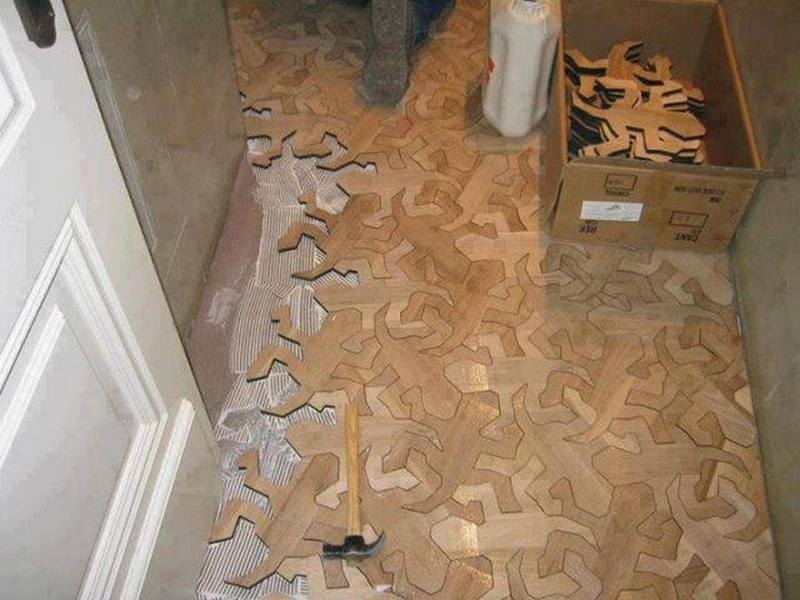
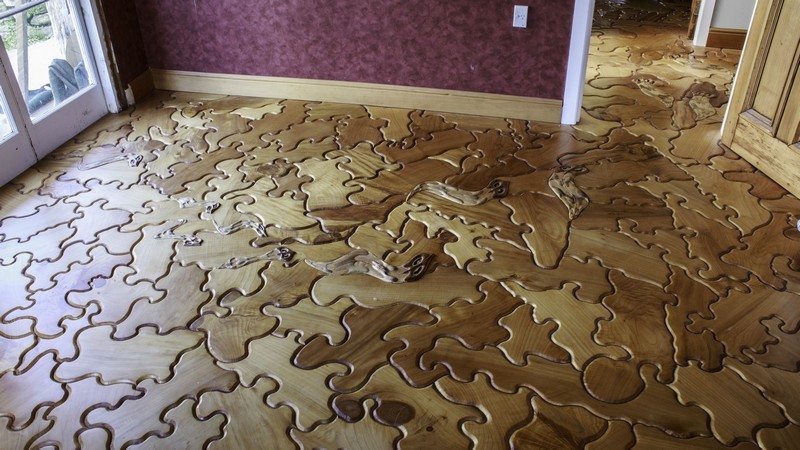
Puzzle Floors
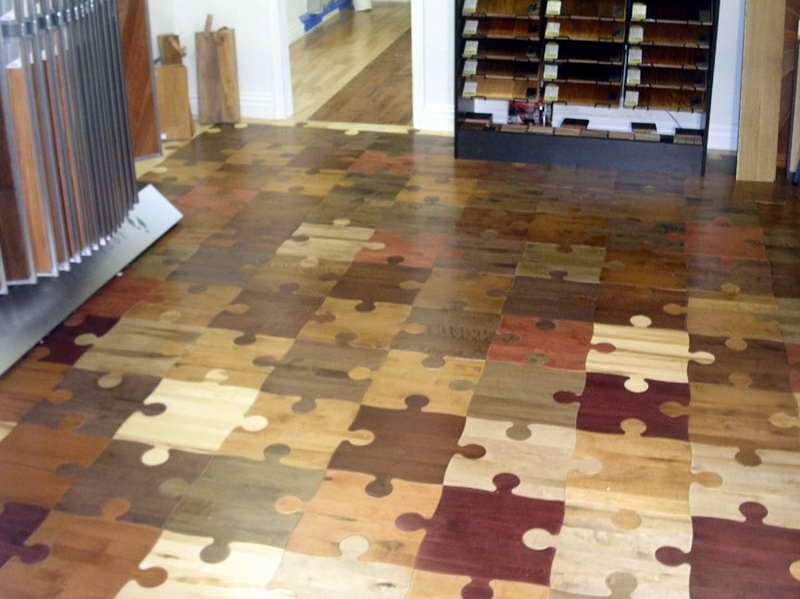
Puzzle floors use pieces that fit together like a jigsaw puzzle. They can be made from wood, luxury vinyl or strong composite materials.
Best for
- Kids bedrooms and playrooms
- Family rooms and creative studios
- Classrooms, day care centers and activity spaces
Pros
- Fun, playful and very customizable
- Many colors and patterns, easy to create your own look
- Individual pieces can be replaced if damaged
Cons
- Some products cost more than standard laminate or vinyl
- Busy patterns may not suit small, dark rooms
- Low-quality versions may separate over time
Difficulty and cost
- Difficulty: Low to medium, many are designed for DIY
- Cost: Medium
Maintenance tips
- Follow the manufacturer’s cleaning advice for the specific material
- Vacuum or sweep regularly
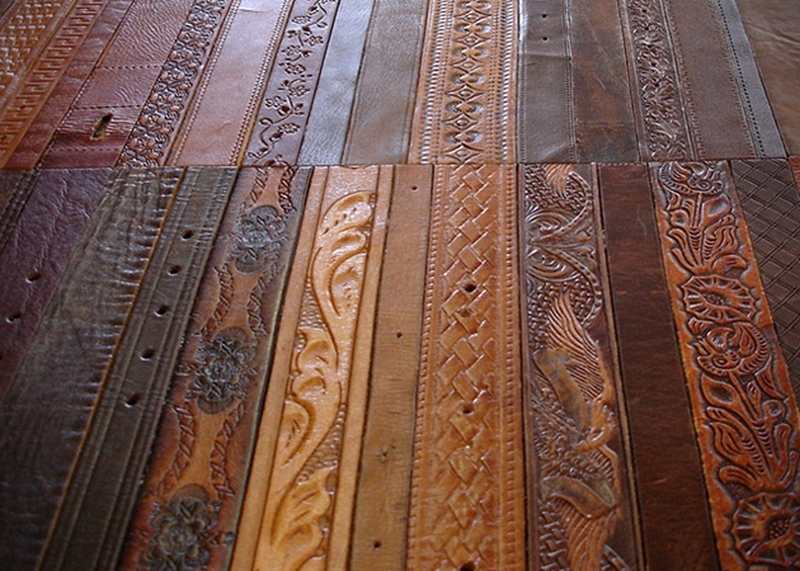
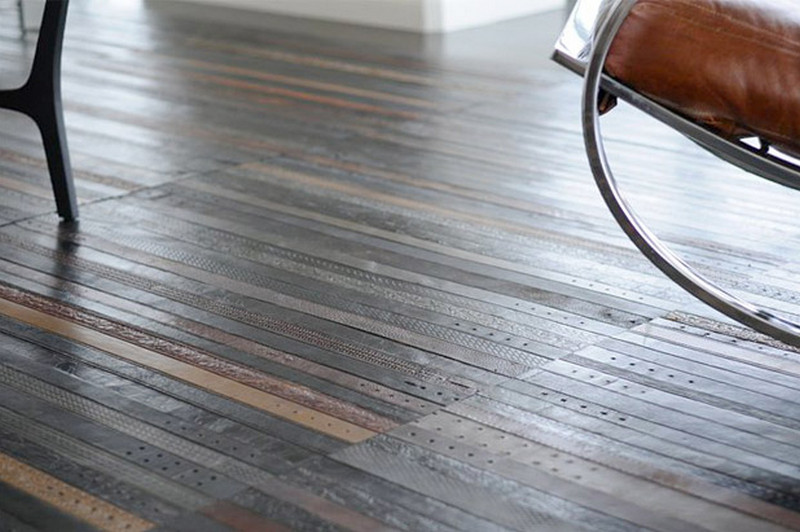
Leather Belt Flooring
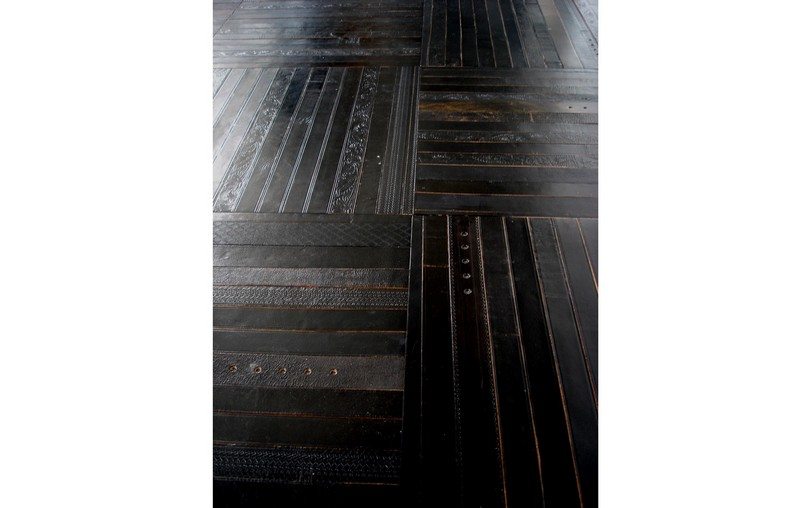
Leather belt flooring reuses real leather belts to create a warm and rich surface. The belts are trimmed, laid side by side and then sealed.
Best for
- Home offices and studies
- Libraries and reading rooms
- Boutique stores and feature rooms
Pros
- Very unique, every floor looks different
- Soft and comfortable underfoot
- Recycled material, a good choice if you like to upcycle
Cons
- Sensitive to moisture and standing water
- Can scratch and dent more easily than tile or stone
- Needs proper sealing and conditioning
Difficulty and cost
- Difficulty: Medium to high, usually not a first-time DIY project
- Cost: Medium to high, depending on leather source and finish
Maintenance tips
- Vacuum with a soft brush
- Use recommended leather cleaners and conditioners
- Wipe spills quickly to avoid stains
Graphic Floors
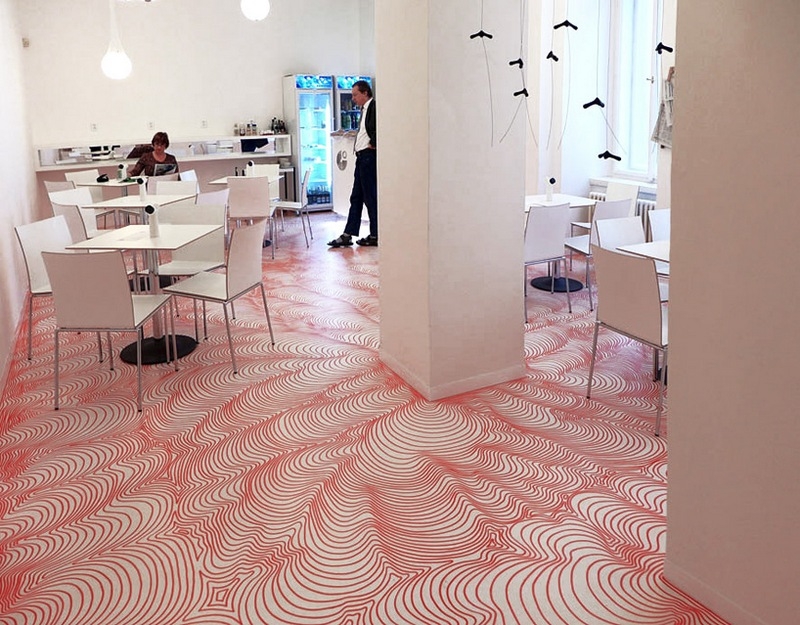
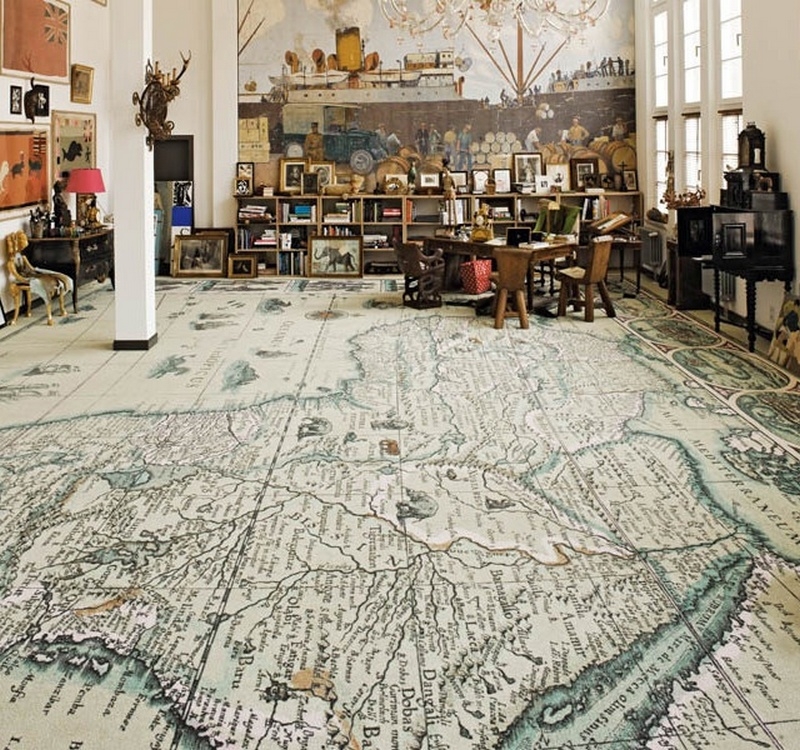
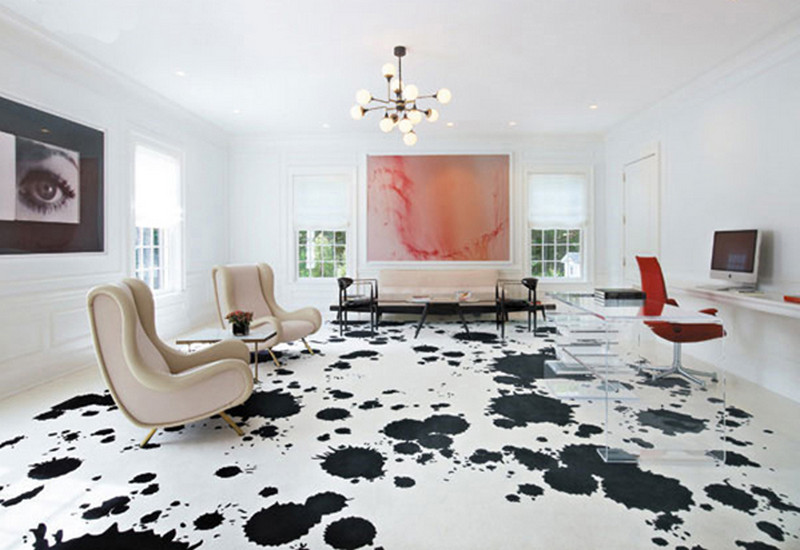
Graphic floors use printed images or bold patterns on the surface. Many are made with vinyl, laminate or epoxy systems that allow custom designs.
Best for
- Game rooms and home theaters
- Shops, salons and small businesses
- Accent areas such as entryways
Pros
- Almost endless design choices, from simple shapes to photo-quality images
- Can match your branding or personal style
- Easy to clean, especially with vinyl or sealed epoxy
Cons
- Very bold designs can date quickly
- Poor installation can lead to peeling or bubbles
- Custom designs often cost more than basic patterns
Difficulty and cost
- Difficulty: Medium, many systems require a careful installer
- Cost: Medium to high, higher for custom art
Maintenance tips
- Use gentle cleaners that suit the base material
- Avoid harsh scrubbers that can scratch the design
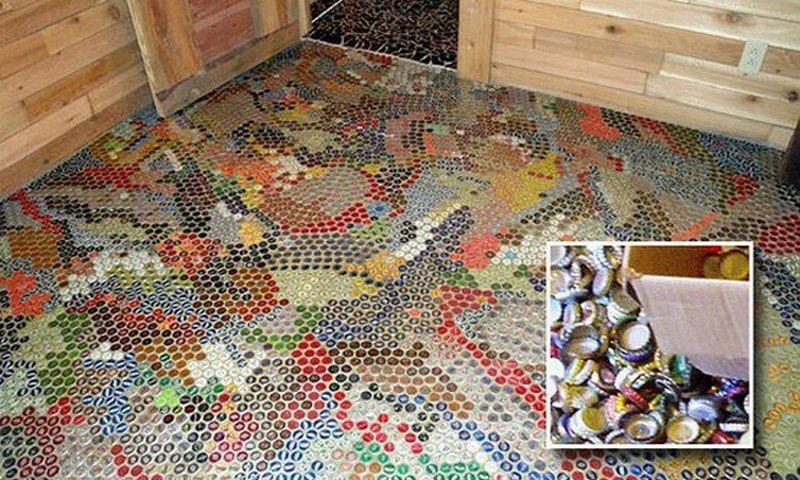
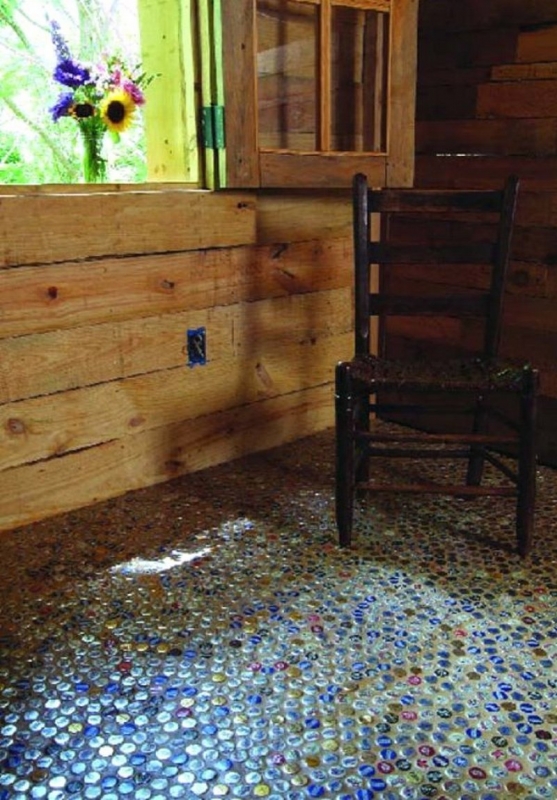
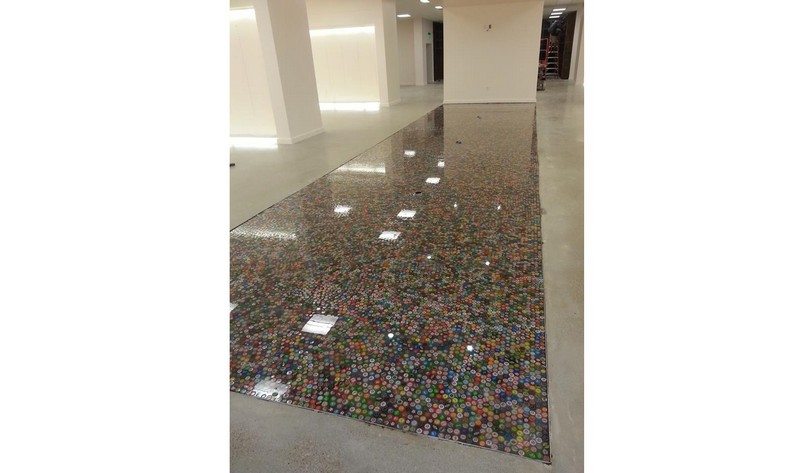
Bottle Cap Floor
Bottle cap floors turn used metal bottle caps into a mosaic. The caps are arranged in patterns, then covered with a clear resin that creates a smooth, level surface.
Best for
- Bar areas and home pubs
- Game rooms and man caves
- Small feature areas, such as a bar front or entry nook
Pros
- Very eye-catching and colorful
- Great way to recycle and show personality
- Very durable once sealed with resin
Cons
- Time-consuming to collect and arrange enough caps
- Resin work has a learning curve
- Hard to remove if you change your mind later
Difficulty and cost
- Difficulty: Medium to high for first time DIYers
- Cost: Low to medium, bottle caps are cheap, resin is not
Maintenance tips
- Sweep or vacuum regularly
- Clean with a mild floor cleaner, avoid abrasives on the resin
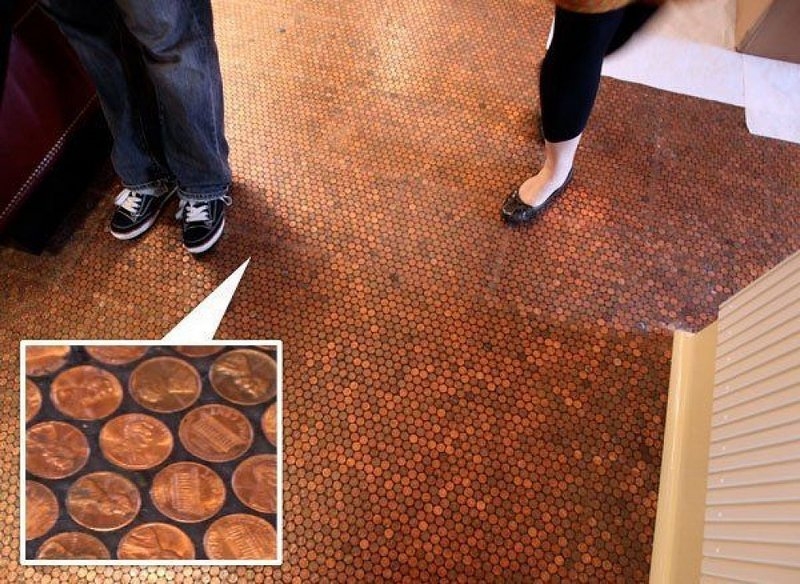
Penny Floor
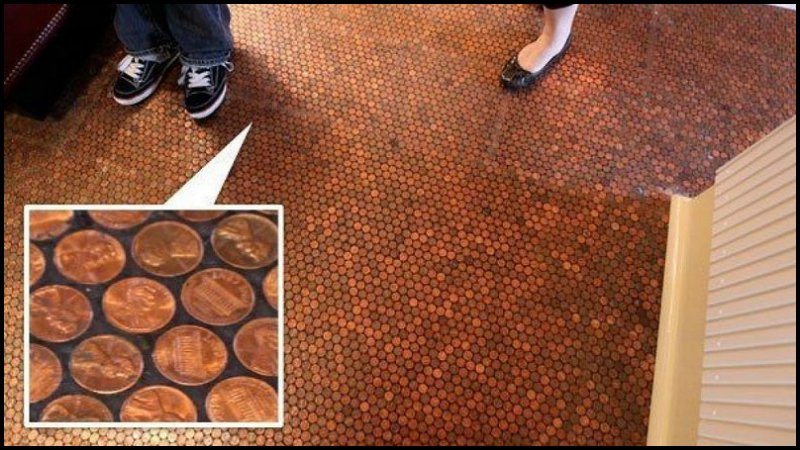
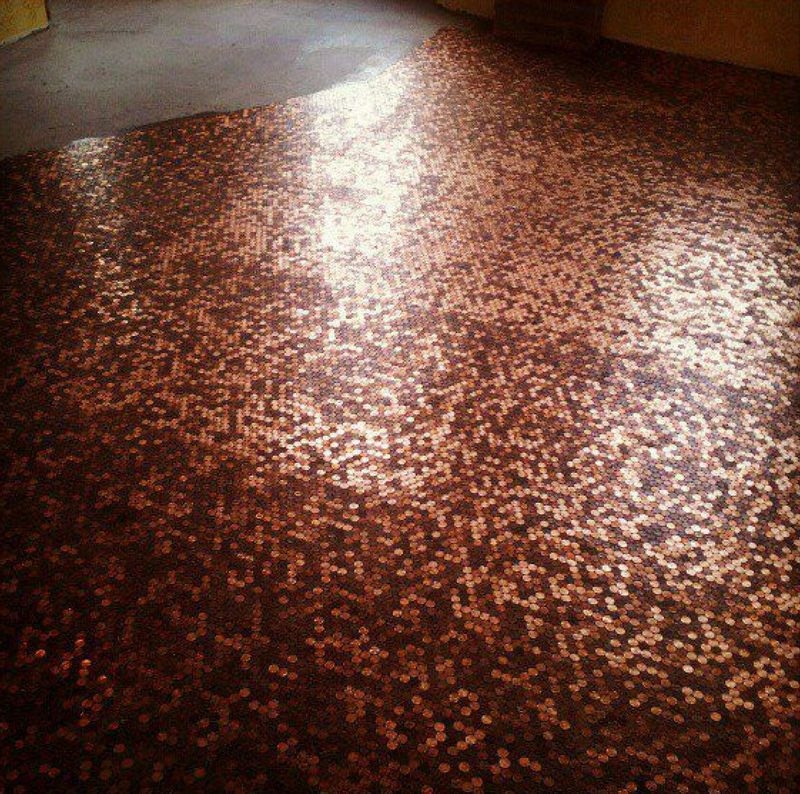
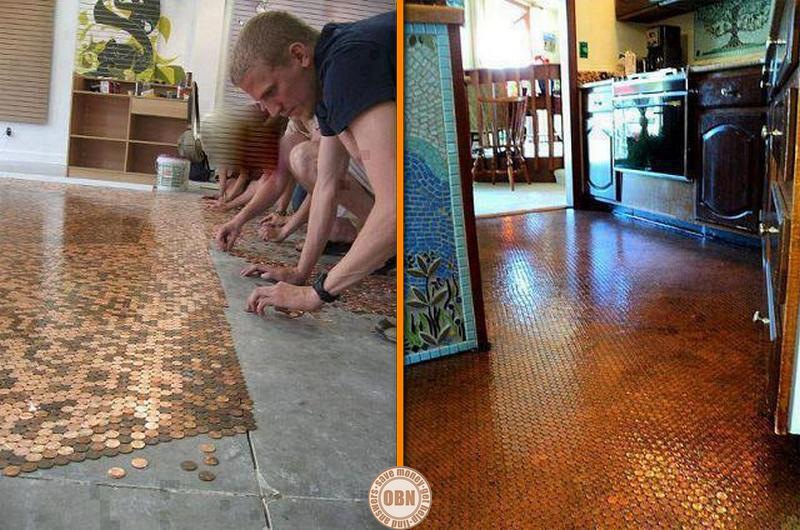
A penny floor uses real coins set side by side and then sealed, usually with clear epoxy. The result is a shiny, textured metal surface.
Best for
- Small bathrooms and powder rooms
- Entry halls and mudrooms
- Accent areas, such as a kitchen island kickboard
Pros
- Very distinctive look with warm metallic tones
- Tough and long-lasting when sealed properly
- It can be a fun family project if everyone helps
Cons
- Very labor-intensive
- Requires a good sealer or epoxy to stay clean and smooth
- Some people may dislike using money as flooring
Difficulty and cost
- Difficulty: Medium, mostly due to time and patience
- Cost: Low to medium, the main cost is coins and epoxy
Maintenance tips
- Sweep and mop gently
- Check the epoxy over time and reseal worn spots if needed
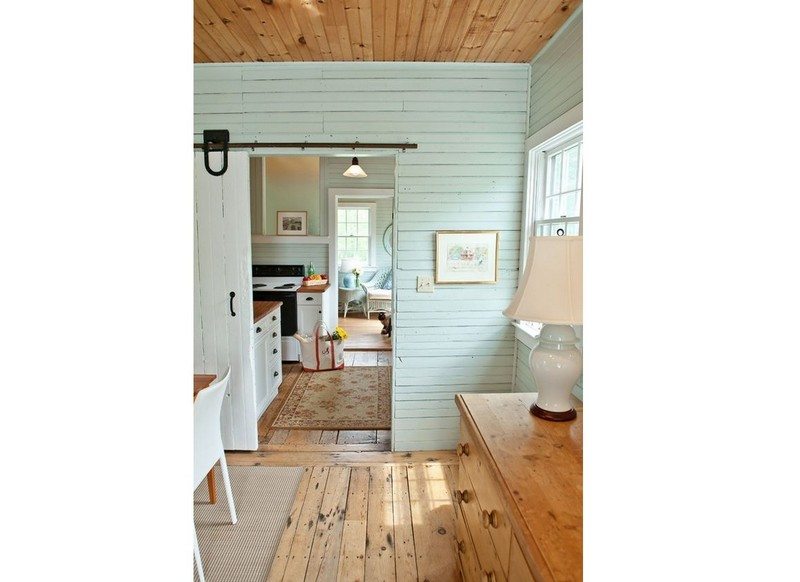
Wooden Slat Floor
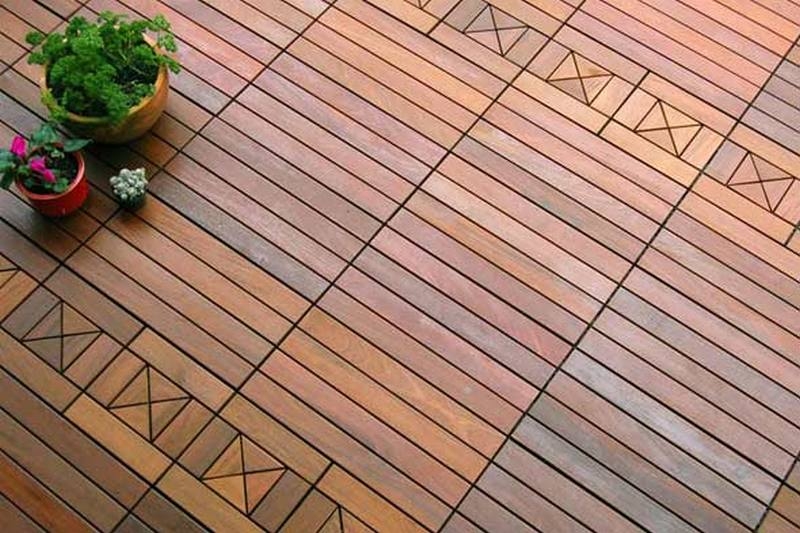
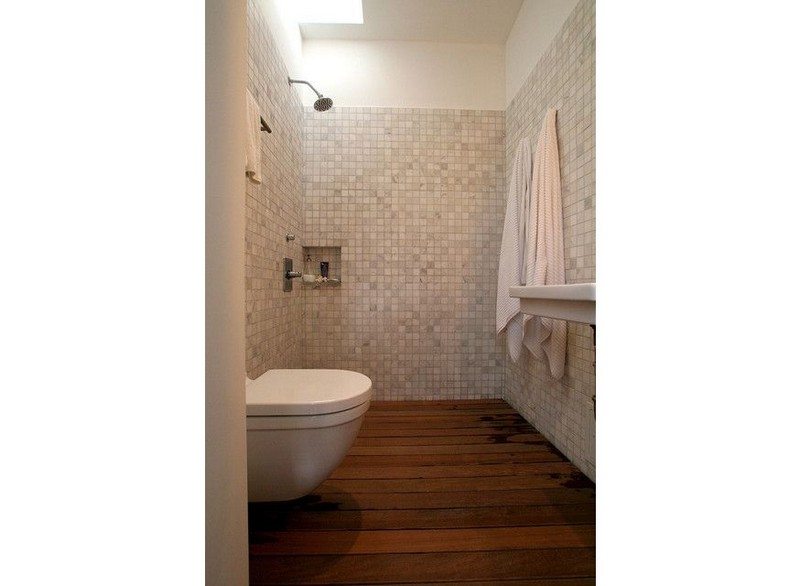
Wooden slat floors use narrow strips of wood laid in straight lines or patterns such as herringbone or chevron. They can use many wood species and stains.
Best for
- Living rooms and dining rooms
- Bedrooms and hallways
- Homes that want a warm, classic feel
Pros
- Natural look that works with many design styles
- Large range of colors and grains
- Can be refinished when worn
Cons
- Can be scratched by pets and furniture
- Sensitive to standing water and high humidity
- Needs regular care to stay beautiful
Difficulty and cost
- Difficulty: Medium, pro installation recommended for patterned layouts
- Cost: Medium to high, depending on wood type
Maintenance tips
- Sweep or vacuum with a soft head
- Use wood-safe cleaners
- Add felt pads to furniture feet
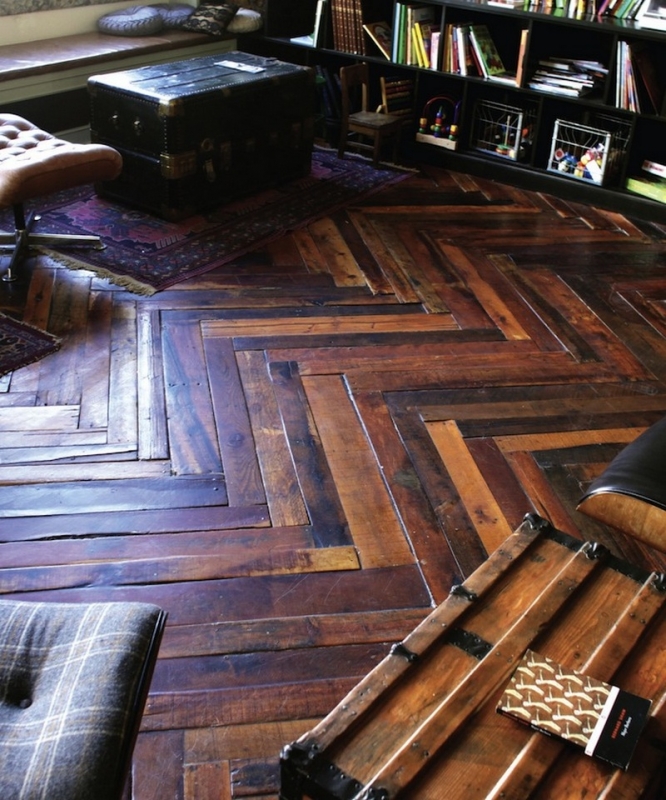
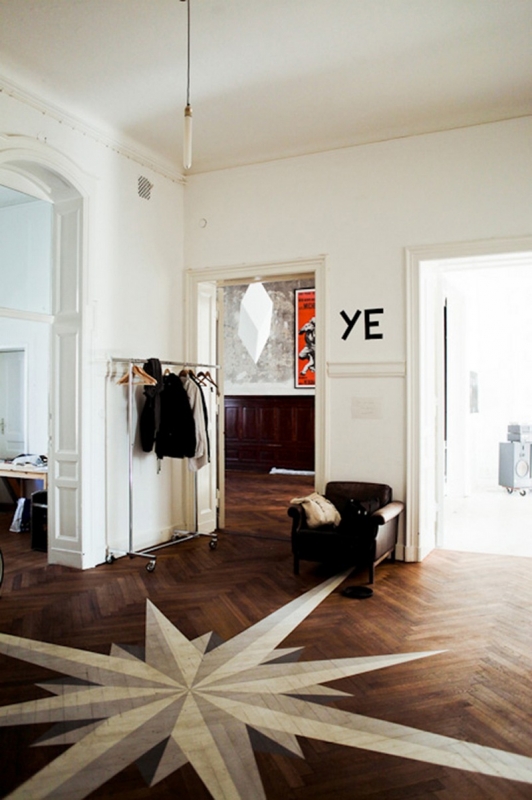
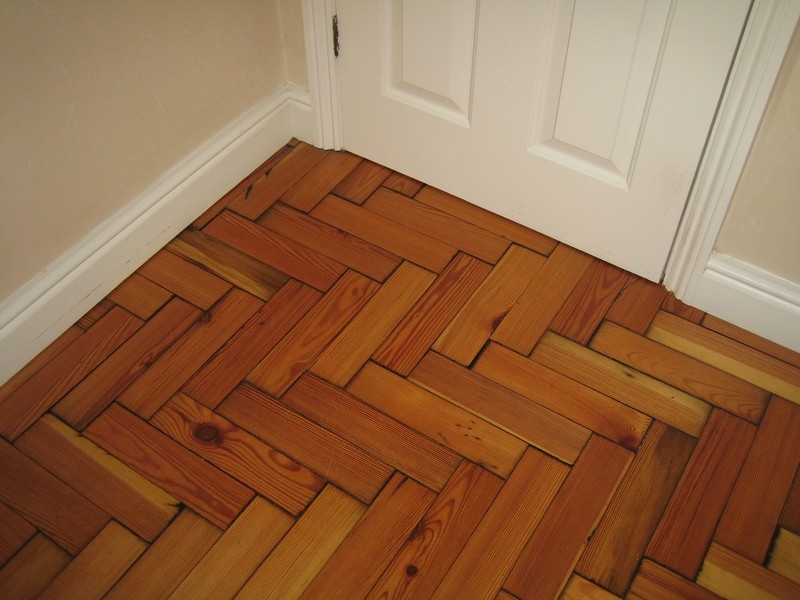
Herringbone Wood Floor
Herringbone is a specific pattern made by placing rectangular boards in a zigzag layout. It is a twist on classic wooden slat floors.
Best for
- Formal living rooms and dining rooms
- Entry halls
- Homes that want a mix of traditional and modern style
Pros
- Very stylish and elegant
- Adds movement and interest to plain rooms
- Works well in both old and new homes
Cons
- More cutting and planning than straight planks
- Installation takes longer and costs more
- Patterns can feel busy in very small rooms
Difficulty and cost
- Difficulty: High, best left to experienced installers
- Cost: Medium to high
Maintenance tips
- Same care as other wood floors
- Keep grit and sand off the surface to prevent scratches
Ceramic Tile Flooring
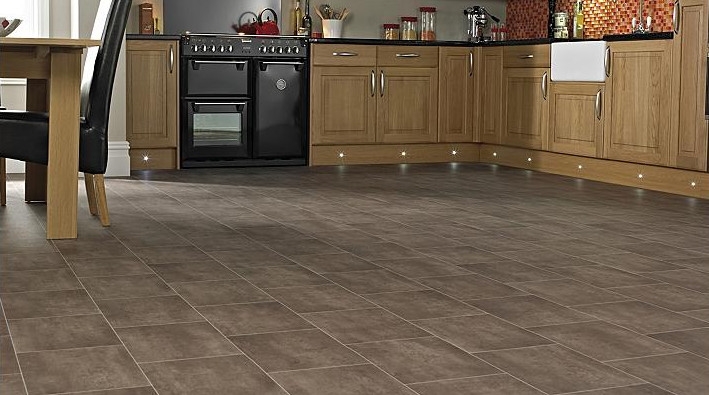
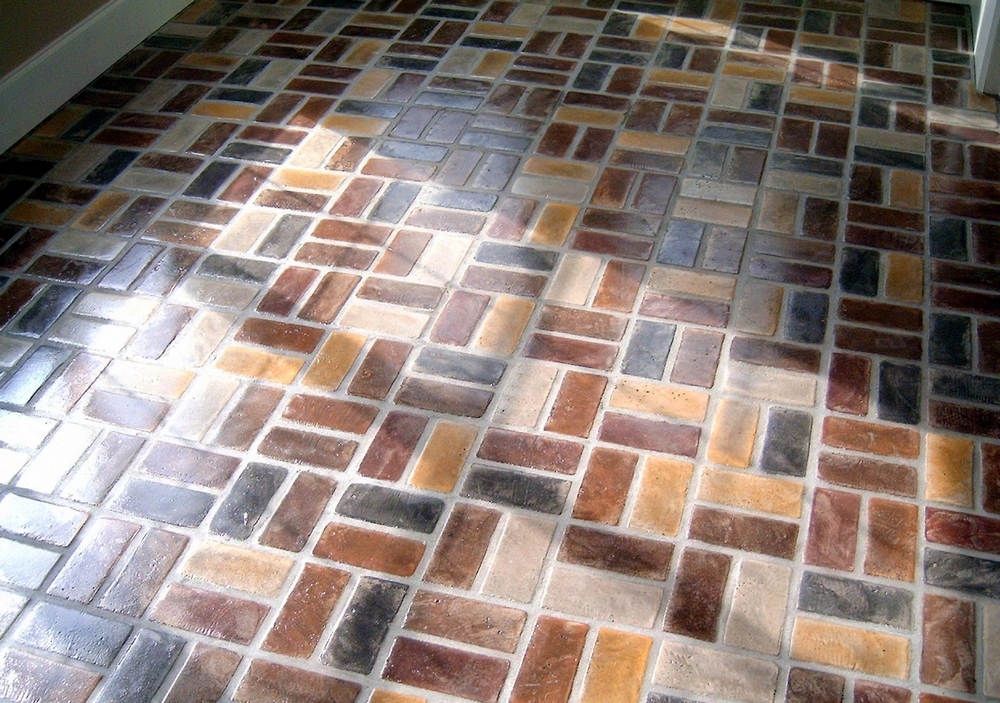
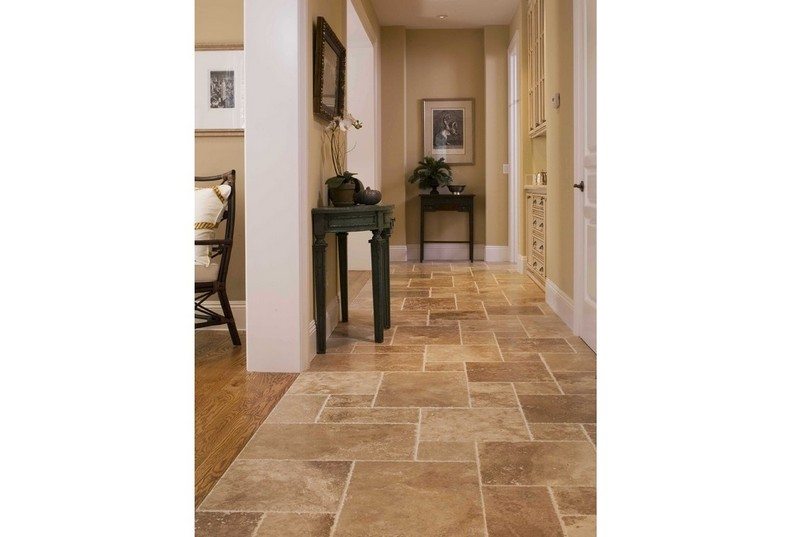
Ceramic tiles are made from clay that is fired in a kiln. Tiles come in many sizes, colors and finishes, and can copy the look of stone, wood or even fabric.
Best for
- Kitchens and bathrooms
- Laundry rooms and entryways
- Any area that sees water or mud
Pros
- Very durable and long-lasting
- Water and stain resistant when sealed and grouted correctly
- Huge choice of looks and price points
Cons
- Hard and cold underfoot without rugs
- Grout lines can stain if not sealed
- Can crack if the subfloor is not stable
Difficulty and cost
- Difficulty: Medium; careful layout and cutting are important
- Cost: Low to high, basic tiles are cheap, designer tiles are not
Maintenance tips
- Sweep often
- Mop with a tile-safe cleaner
- Reseal grout when it starts to darken or absorb spills
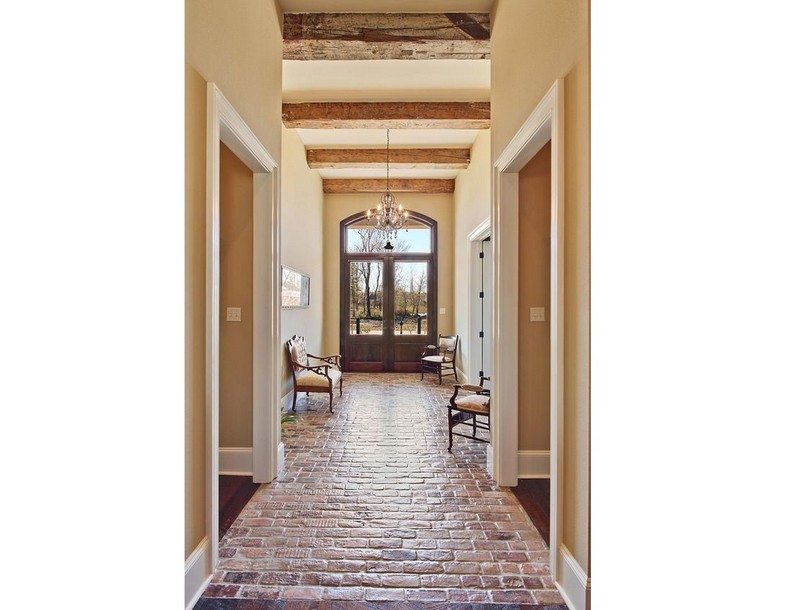
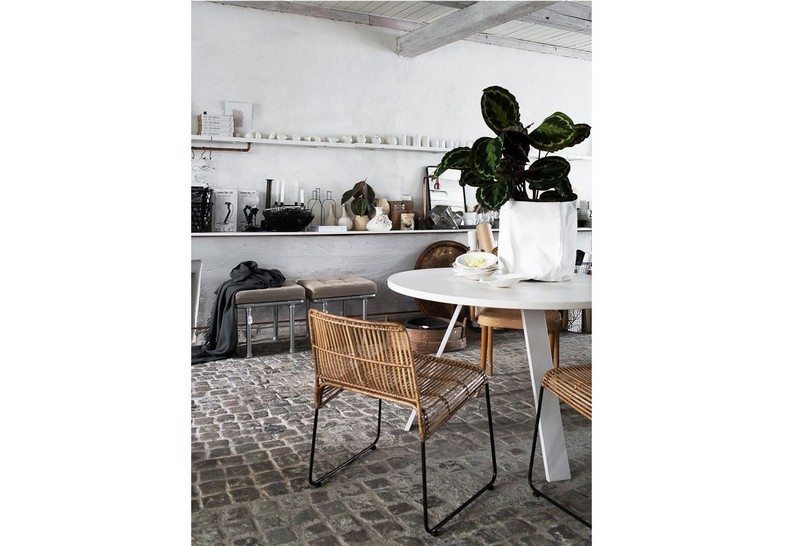
Brick Floors
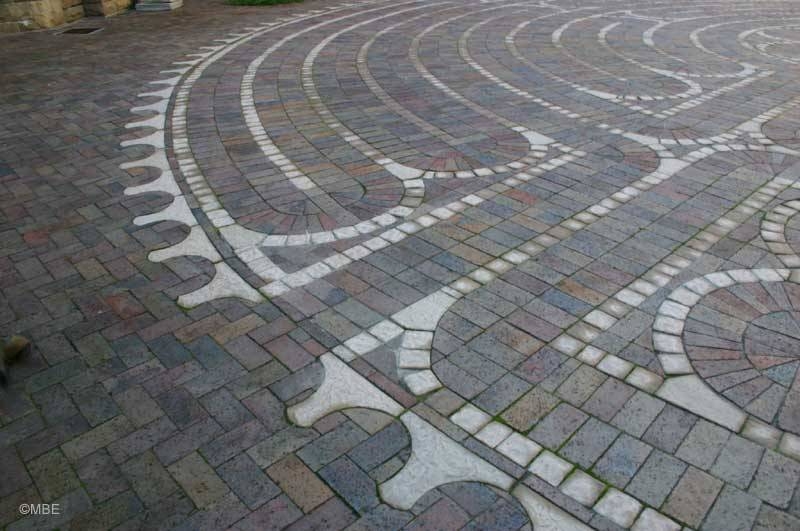
Brick flooring uses thin brick tiles or slices instead of full bricks. It delivers a warm, rustic feel and is often used in both indoor and outdoor spaces.
Best for
- Country kitchens and mudrooms
- Sunrooms and enclosed porches
- Patios and walkways
Pros
- Classic look that never really goes out of style
- Very strong and hard-wearing
- Works well with radiant floor heating
Cons
- Rougher texture underfoot
- Can be harder to clean if left very textured
- Needs sealing to resist stains and moisture
Difficulty and cost
- Difficulty: Medium, similar to tile work
- Cost: Medium
Maintenance tips
- Sweep or vacuum regularly
- Clean with mild soap and water
- Reseal the surface when water no longer beads on top
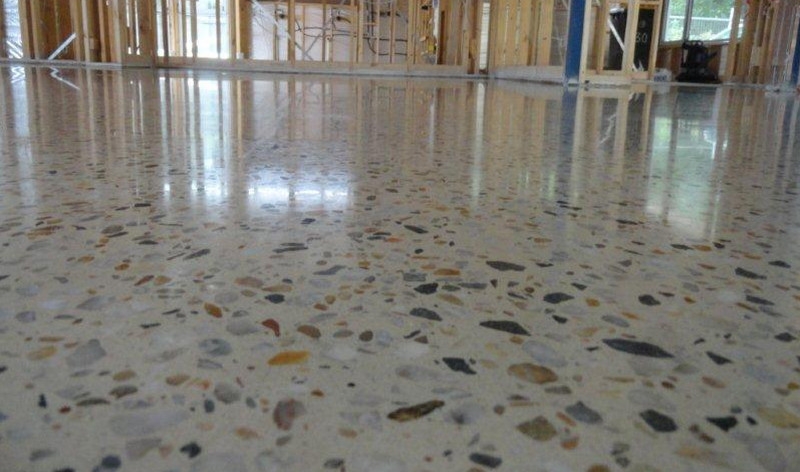
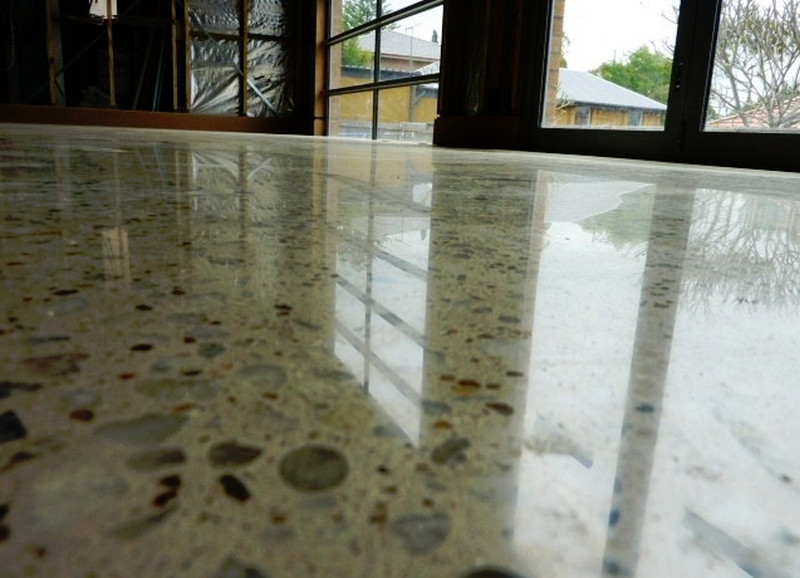
Concrete Floors
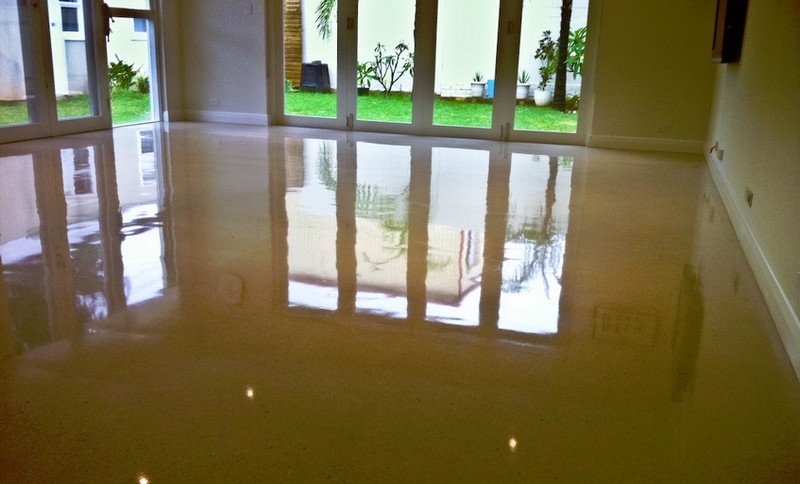
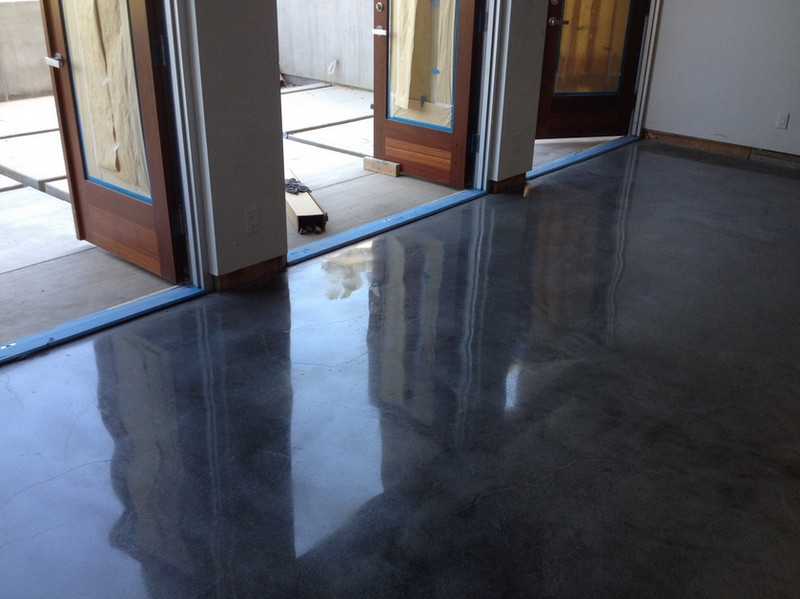
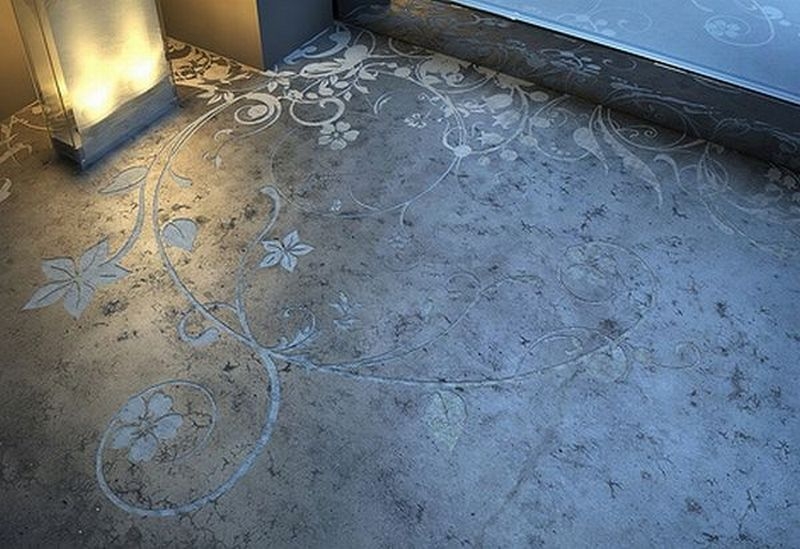
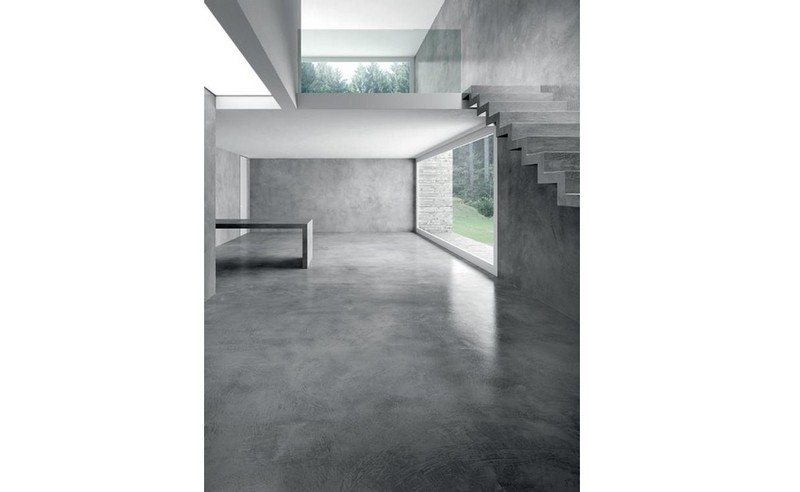
Concrete floors can be left plain, polished, stained or stamped with patterns. They are very strong and often used in modern and industrial style homes.
Best for
- Open plan living spaces
- Basements and workshops
- Homes that want a modern, minimal look
Pros
- Extremely durable
- Can be finished in many colors and textures
- Works very well with underfloor heating
Cons
- Very hard underfoot, not ideal for long periods of standing
- Can feel cold without rugs or heating
- Porous if not sealed, so it can stain and may hold dust
Difficulty and cost
- Difficulty: Medium to high, especially for decorative finishes
- Cost: Low to medium, depending on preparation and finish
Maintenance tips
- Sweep or vacuum to remove grit
- Mop with a neutral cleaner
- Reseal according to product instructions
Combination
Combination floors mix two or more materials in the same room. For example, tile with wood borders, or concrete with insets of brick or patterned tile.
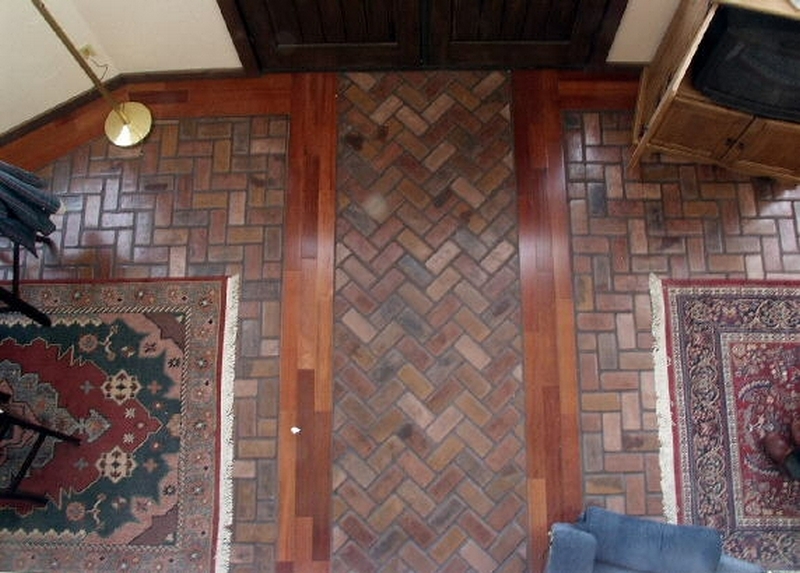
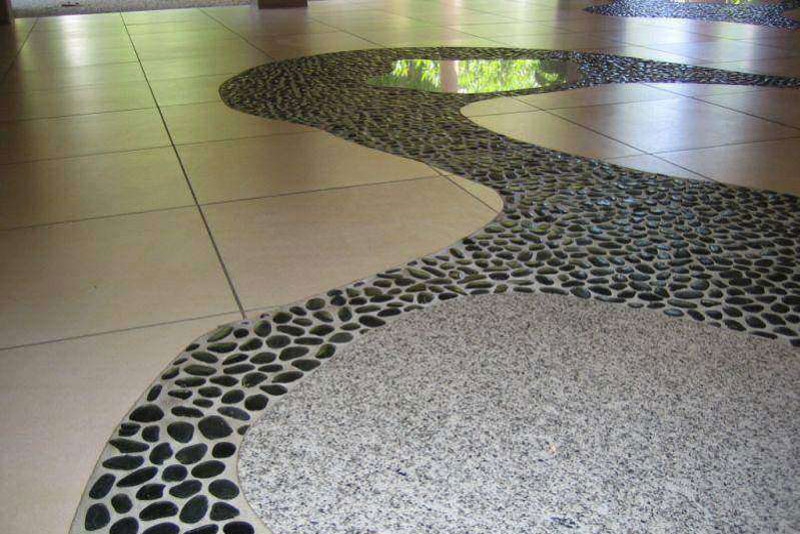
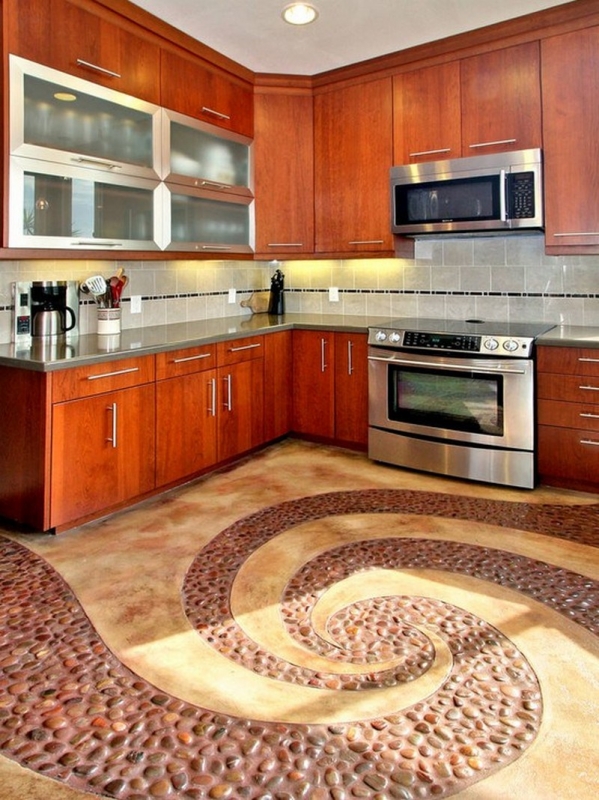
Best for
- Large open spaces that need visual zones
- Entry halls where you want a strong first impression
- Kitchens that open into living areas
Pros
- Very creative and personal look
- Can use tough materials in busy areas and warmer materials in seating areas
- Helps define spaces without using walls
Cons
- Needs careful planning to join materials at the same height
- It can look messy if too many materials are used
- Harder to change later without a full remodel
Difficulty and cost
- Difficulty: High, detailed layout and professional installation are usually needed
- Cost: Medium to high
Maintenance tips
- Pay attention to joints where different floors meet
- Care for each material according to its needs
Laminate Floors
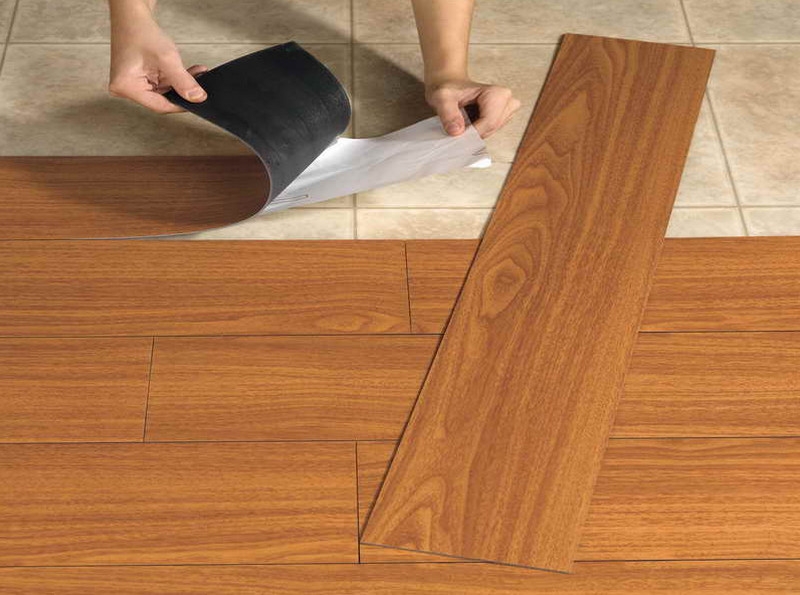
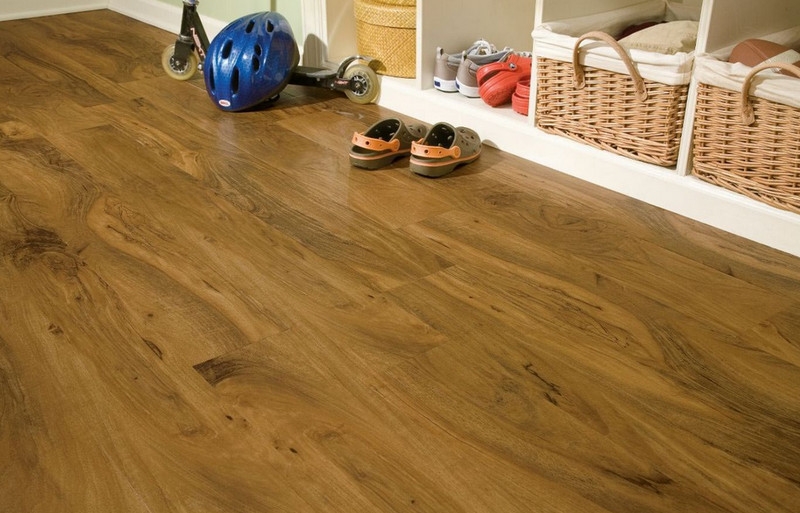
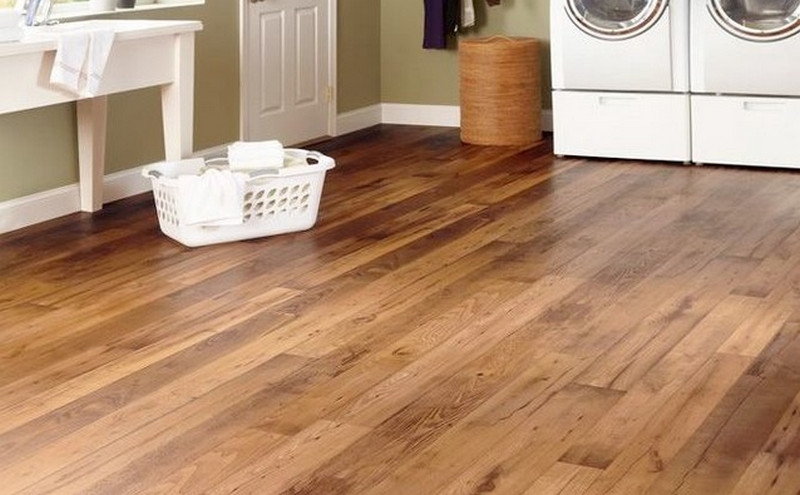
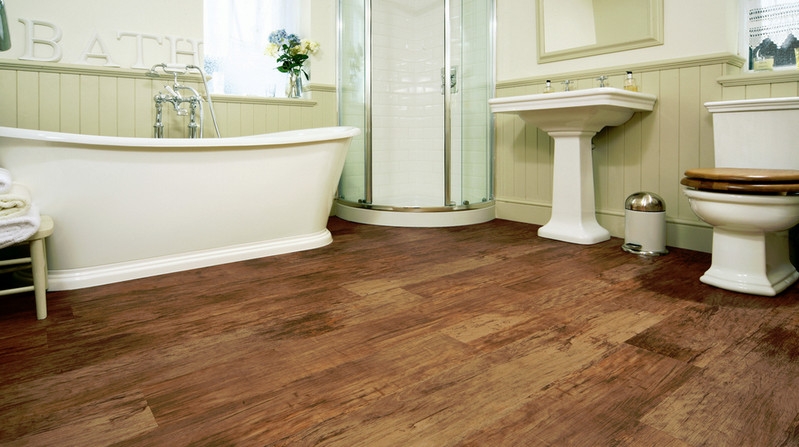
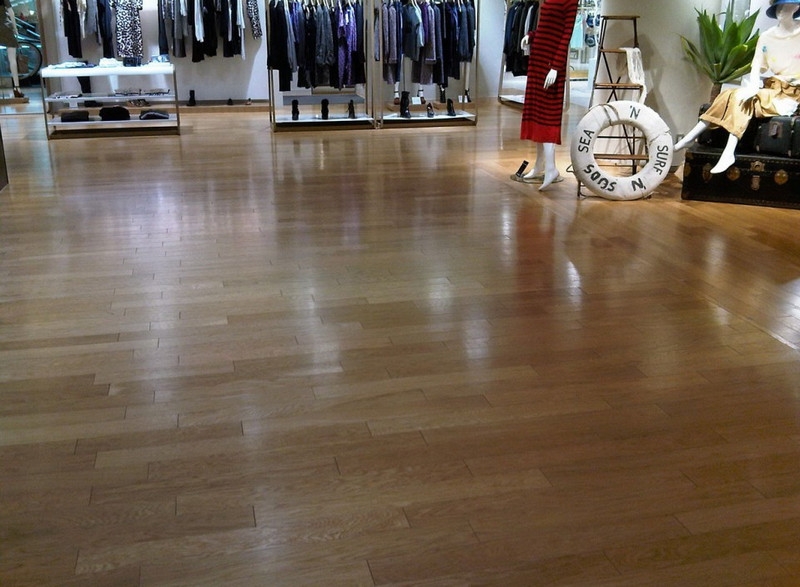
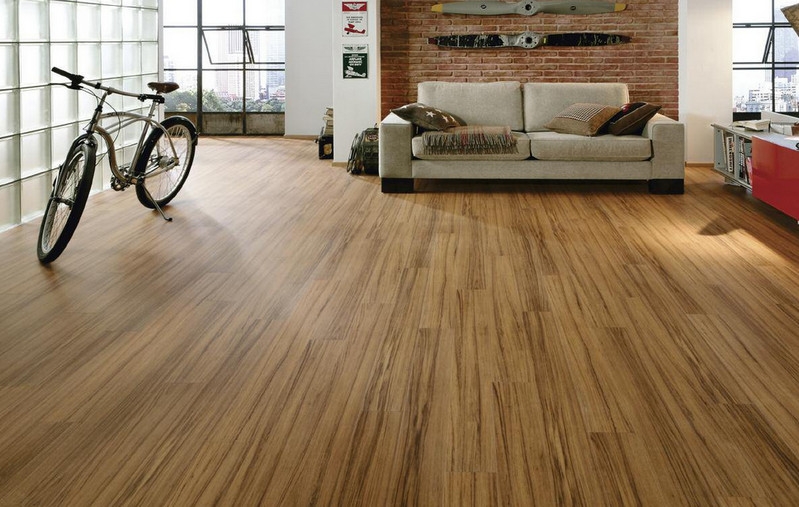
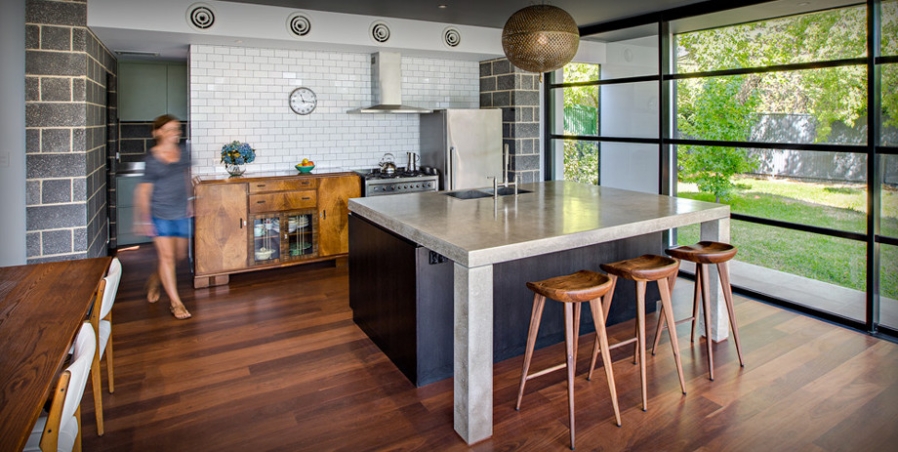
Laminate flooring is made from layers. The top layer is a printed image protected by a clear wear layer. It can look like wood, stone or tile.
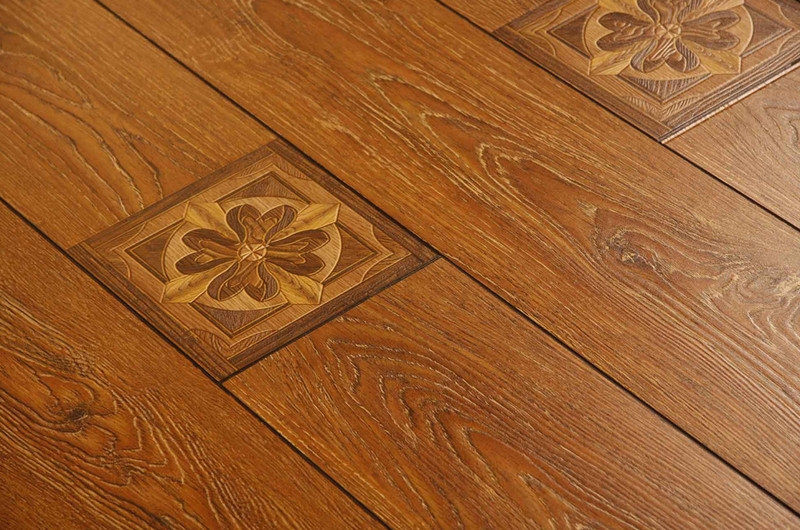

Best for
- Living rooms, hallways and bedrooms
- Rentals and family homes with pets and kids
- People who want the look of hardwood without the high price
Pros
- Affordable and widely available
- Holds up well to scratches and everyday wear
- Many products are click together and easy for DIYers
Cons
- Not all laminates handle water well
- Cannot usually be refinished, only replaced
- Can sound hollow without a good underlay
Difficulty and cost
- Difficulty: Low to medium; many homeowners install it themselves
- Cost: Low to medium
Maintenance tips
- Sweep or vacuum often
- Use a slightly damp mop; do not soak the floor
- Wipe spills quickly to prevent swelling at the seams
For a real-world story about laminate, see this guide: “A saga of smoke, noise and frustration”
How To Choose The Right Creative Flooring
Choosing the best creative flooring for your home is easier if you follow a few simple steps.
1. Think About the Room
- Wet or messy areas such as bathrooms, kitchens and entryways
- Ceramic tiles, brick, sealed concrete, and some laminates
- Dry areas such as bedrooms and studies
- Wood, laminate, puzzle floors, and leather belt floors
2. Set Your Budget
- Low budget
- Laminate, many ceramic tiles, penny floors and bottle cap floors
- Medium budget
- Brick, wooden slat floors, some graphic and puzzle floors
- High budget
- Glass floors, leather belt floors, custom epoxy graphics
3. Consider Who Will Use the Room
- Kids and pets
- Look for tough, scratch-resistant floors that are easy to clean
- Laminate, ceramic tile, sealed concrete, some vinyl and puzzle floors
- Older adults or people with mobility issues
- Choose non-slip surfaces and avoid big changes in floor height
4. Decide How Much Maintenance You Want
- Low maintenance
- Laminate, ceramic tiles, sealed concrete, brick
- Higher maintenance
- Leather, wood that needs regular oiling or polishing, specialty floors that use epoxy
Comparison Of Creative Flooring Ideas
| Flooring type | Best for | Cost level | Durability | DIY friendly | Maintenance level |
|---|---|---|---|---|---|
| Laminate | Living areas, bedrooms | Low | High | Yes | Low |
| Ceramic tile | Kitchens, bathrooms, laundry | Low to Med | Very high | Medium | Low |
| Bottle cap floor | Bars, game rooms, small features | Low to Med | High | Yes | Low to Med |
| Penny floor | Small baths, entries, accents | Low to Med | High | Yes | Medium |
| Glass floor | Lofts, walkways, feature areas | Very high | High | No | Medium |
| Leather belt floor | Studies, libraries, home offices | Med to High | Med to High | No | Medium |
| Log end floor | Rustic living areas, cabins | Medium | High | Maybe | Medium |
| Concrete floor | Modern open spaces, basements | Low to Med | Very high | Maybe | Low to Med |
FAQs About Creative Flooring Ideas
- What is the most durable type of flooring?
- Ceramic tiles, brick and properly sealed concrete are among the most durable flooring options. They handle heavy foot traffic and resist scratches and dents.
- What kind of flooring is best for kitchens?
- Kitchens usually need water-resistant, easy-to-clean floors. Ceramic tiles, some laminates and sealed concrete are all good choices.
- Are penny floors and bottle cap floors safe to walk on?
- Yes. When the coins or caps are firmly set in place and covered with clear resin or epoxy, the surface becomes smooth, sealed and safe to walk on.
- Which flooring types are good for DIY projects?
- Laminate, penny floors, bottle cap floors and some puzzle floors are popular with DIYers. Complex glass, leather or custom graphic epoxy floors are better handled by professionals.
- What is the best flooring for a small budget?
- Laminate and basic ceramic tiles usually give you the best mix of price, durability and style. Penny or bottle cap floors can also be budget-friendly if you supply your own materials and do the work yourself.
Conclusion
Creative flooring is a simple way to bring personality into your home while still keeping it practical. From the rustic charm of log end and brick flooring to the bold look of glass and graphic floors, there is an option for every style and budget.
By thinking about how each room is used, how much you want to spend and how much maintenance you are willing to do, you can choose a floor that looks great and performs well for many years.
If you are planning a DIY flooring project, start with an option that matches your skill level, and enjoy the process of making your floors truly your own.