Last Updated on February 14, 2025 by teamobn
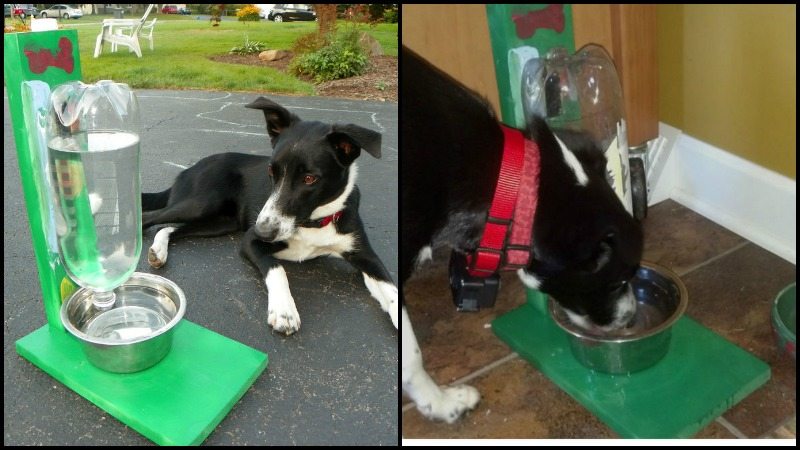
Do you worry about your pets running out of the water while you’re out the entire day? This clever DIY might be the answer for you!
The purpose of a pet water bowl is to provide your pet with a place to drink water. A pet water bowl generally serves the same purpose as a regular water bowl, but with a few key differences.
Most importantly, a pet water bowl is usually made of a different material than a regular water bowl. Dog and cat water bowls are typically made of ceramic, plastic or stainless steel.
Some bowls are also dishwasher safe to make cleanup easier.
Another difference between a pet water bowl and a regular water bowl is that a pet water bowl generally has a spout for easier water access. A pet water bowl can be particularly important for dogs to get hydrated.
This idea is made with materials you most likely already have at home. You can use scrap wood from previous projects as long as you think it will be stable enough to hold a large plastic bottle. Using an industrial Velcro tape is a good material for securing the bottle in position.
Its concept is simple yet awesome as it makes use of a little science trick. This DIY water bowl is very easy to do, even big kids can make it!
This water pet bottle will give your pets an unlimited water supply for the day, just right in time for you to come back home from work. Do you think your pet will love the water supply that they need for the day?
Making a Pet Water Bowl
Materials:
- 2x4x16 Lumber
- 1x6x12 Lumber
- 2L Plastic Bottle
- Dog Dish
- 2 sets of Velcro Tape (this industrial grade tape is perfect for this project)
- Wood Glue
- Nails
- Paint (optional)
Tools:
- Saw
- Wood Clamp
- Hammer
Steps:
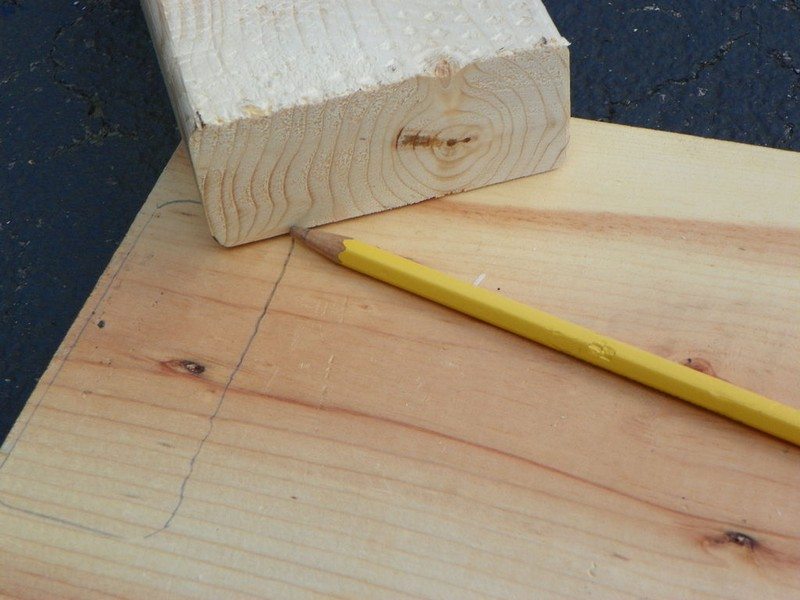
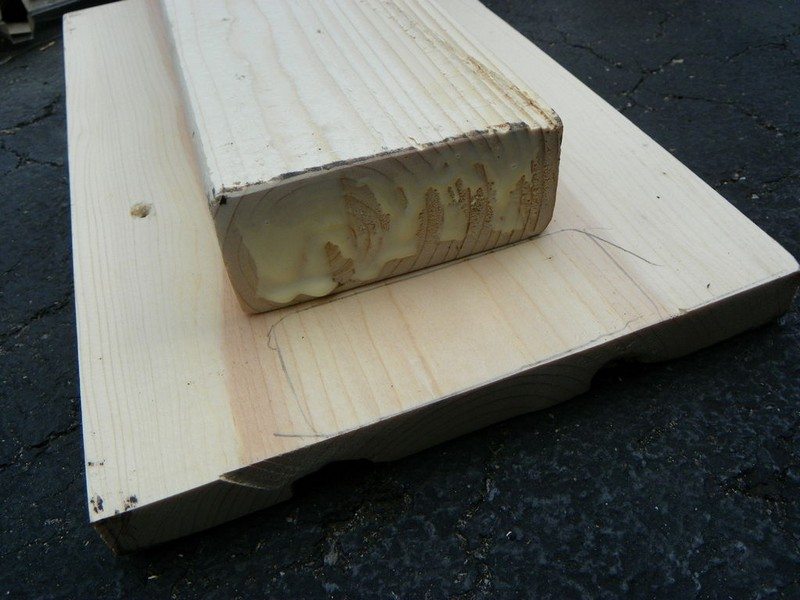
Outline the position of the vertical lumber.
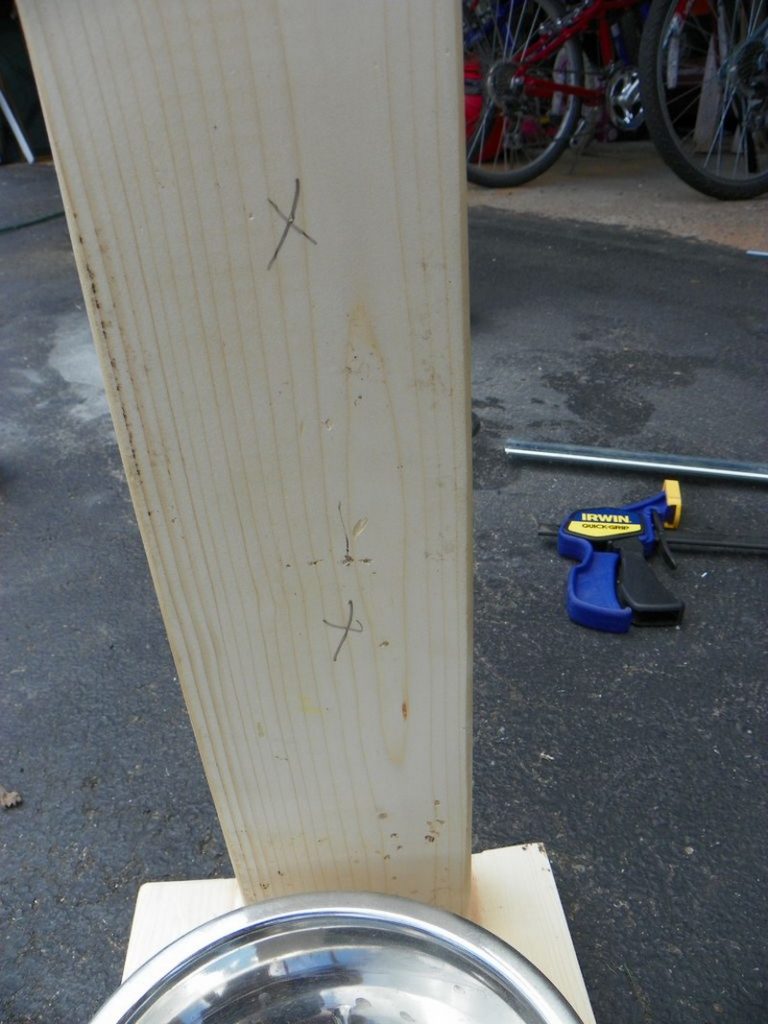
Take the 2 x 4 lumber and position it in the middle of the end of the 1 x 6 lumber. When you found the spot you like, outline around the outside of the 2 x 4 lumber with a pencil.
The 2×4 lumber will serve as the bottle holder for your pet bowl. You are marking where the boards are going to attach to each other. The 1×6 lumber will serve as the base.
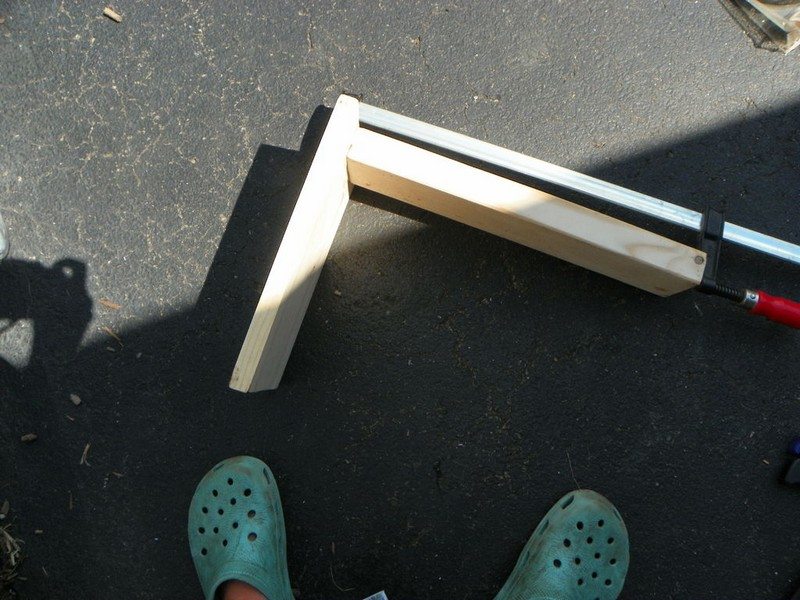
Glue and clamp.
Once you outlined the bottom of the base of the lumber, glue it onto the bottle holder in the spot that you picked. The outline should help you line it up. Once you do that, clamp it!
This should give you a sturdy bottle holder when nailed together.
Nail and Velcro.
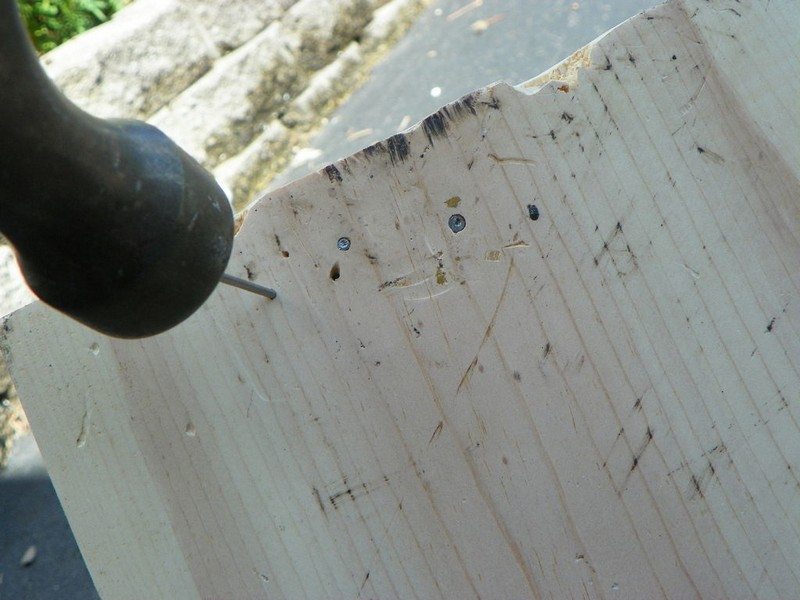
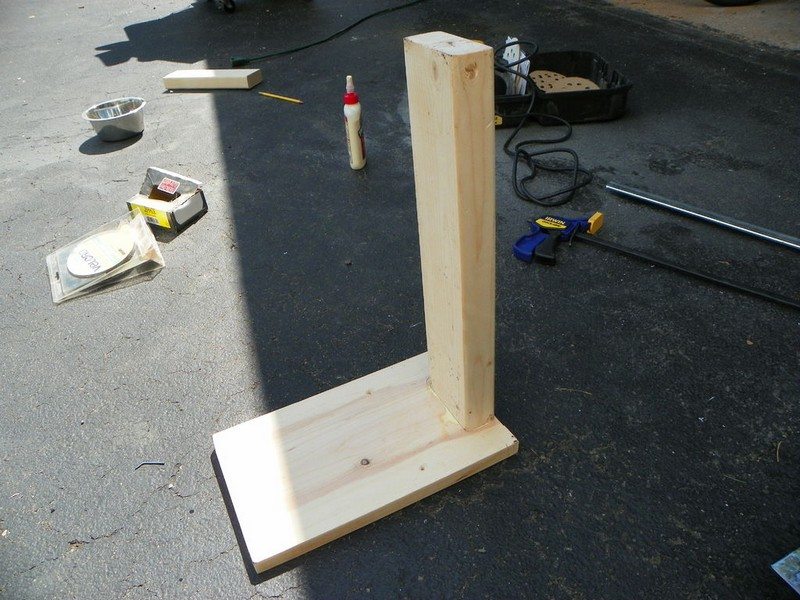
Nail the bottle holder to the base. After that, stick the 2 soft pieces of Velcro on the bottle holder piece of wood. Look at the pictures to see how I placed them.
Use the 2L bottle to measure where to put the soft Velcro Make sure that one piece of soft Velcro is almost to the top of the 2L bottle so it stays.
The end of it should stick into the bowl at the height you want the water to fill up too.
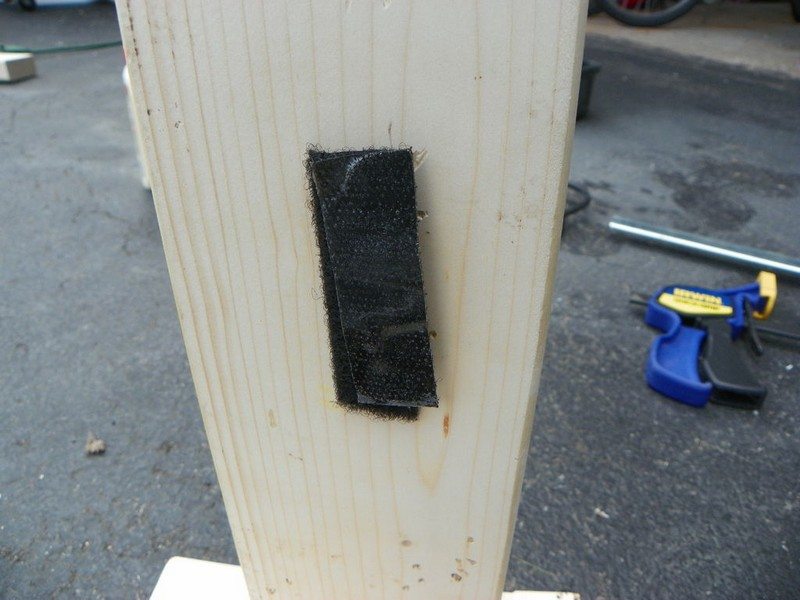
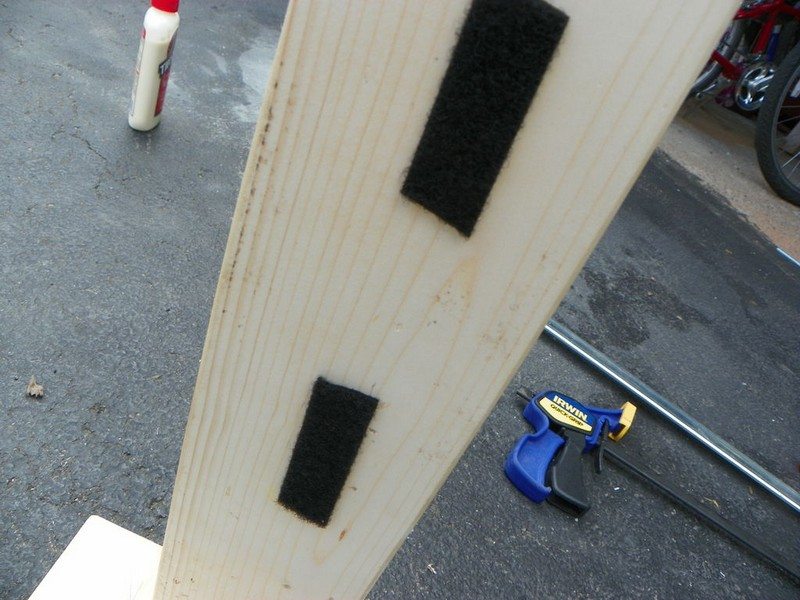
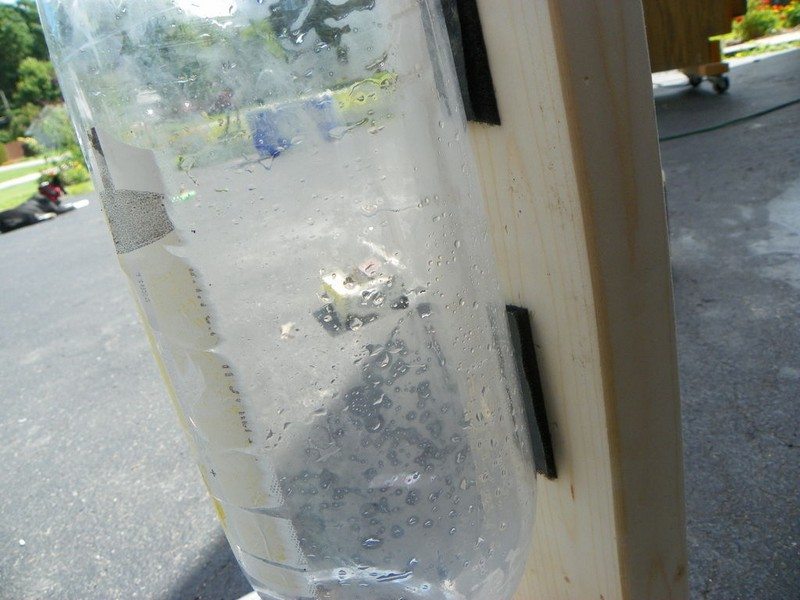
Once done with that, stick the hard Velcro to the soft Velcro. Put the 2L bottle on the sticky side of the Velcro and you are DONE!!!
Remember: Wherever the tip of the 2L bottle is that is how high the water will be. I had to move the bottle down because so much water was spilling.
Thanks to
Choosing the Best Material for a Pet Water Bowl
More than just a dish, a pet’s water bowl is a vital component of their daily hydration and general wellness. Selecting the correct material guarantees simplicity of cleaning, safety, and durability. Different materials have different advantages, it’s crucial to take long-term use, possible health hazards, and needs of your cat into account.
Stainless Steel: Durable and Hygienic
Pet water bowls would benefit much from stainless steel. It doesn’t attract bacteria as readily as plastic, is quite robust, and rustproof. A non-slip rubber base on many stainless steel bowls helps to stop spills. They are also dishwasher safe, so simplifying cleaning tasks.
The fact that stainless steel does not leach pollutants into the water is among its main benefits. Unlike plastic, it neither absorbs smells nor breaks down over time. Stainless steel can, however, acquire water stains or discolouration if not adequately dried. Making investments in premium, food-grade stainless steel guarantees safety and lifetime.
Ceramic: Stylish and Sturdy
Popular for their weight and visual appeal are ceramic pet water containers. Ceramic bowls are less prone to tip over than plastic and stainless steel, hence they are perfect for dogs that often push their bowls about. Their many colors and styles let pet owners match them to their house décor.
The drawback of ceramic bowls is that, should they be dropped, they could chip or break. Correct maintenance is especially important since even little cracks can store bacteria. To prevent exposing your pet to dangerous chemicals, choose a bowl with a lead-free, food-safe finish. A ceramic bowl’s lifetime will be extended with regular inspection and careful handling.
Plastic: Lightweight and Affordable
Widely available and reasonably priced are plastic pet water dishes. Pet owners seeking simplicity will find them appealing in a range of forms, sizes, and colors. Certain plastic bowls even feature anti-slip bases or built-in spill-proof rims.
Though these advantages abound, plastic is the least advised material for pet water bowls. Plastic can get scratches and fissures over time, which provide bacterial habitat. Certain plastics could also have dangerous substances like BPA, which finds their way into the water. If you use a plastic bowl, make sure you buy a BPA-free one and replace it often to prevent health concerns.
Silicone: Flexible and Travel-Friendly
The lightweight and foldable character of silicone bowls has helped them to become somewhat well-known. Pet owners who travel or bring their animals on outdoor activities especially find them quite helpful. Made of food-grade silicone, these bowls are simple to clean, safe, and non-toxic.
The flexibility of silicone is one of its key benefits. Silicone bowls are easily stored by folding or compressing, unlike stiff materials. They might not be as robust, though, as ceramic or stainless steel. Frequent folding and excessive temperature exposure over time can wear things down.
Glass: Non-Toxic and Easy to Clean
Glass pet water bowls are an excellent option for those looking for a non-toxic and eco-friendly choice. Glass does not absorb odors or stains, making it easy to maintain. Many glass bowls are dishwasher safe and highly resistant to bacteria buildup.
The main drawback of glass is its fragility. A dropped or knocked-over glass bowl can shatter, creating a safety hazard. Thick, tempered glass is a more durable option, but pet owners should still use caution when placing the bowl in high-traffic areas.
Choosing the Right Bowl for Your Pet
Those seeking a non-toxic and environmentally friendly solution may find glass pet water bowls to be quite appealing. Glass is readily maintained since it does not absorb stains or smells. Many glass bowls are dishwasher safe and quite resistant against bacterial growth.
The primary disadvantage of glass is its fragility. A dropped or pushed over glass bowl might break and cause a safety concern. Although pet owners should still exercise care when positioning the bowl in high-traffic locations, thick, tempered glass is a more durable choice.
How to Keep a Pet Water Bowl Clean and Safe
A pet’s water bowl can quickly become a breeding ground for bacteria, mold, and biofilm if not cleaned regularly. Keeping it clean and safe ensures your pet always has fresh water and reduces the risk of infections or stomach issues. Understanding the best cleaning practices and materials can make all the difference in your pet’s health.
How Often to Clean a Pet Water Bowl
Daily cleaning is ideal for maintaining a hygienic water bowl. Over time, bacteria, saliva, and food particles can contaminate the water, leading to bacterial growth. Water left sitting too long can also develop a slimy film, known as biofilm, which is difficult to remove without proper cleaning.
A simple daily rinse with warm water helps, but a more thorough wash should be done at least once a day. If you have multiple pets sharing a water bowl, cleaning may be needed more frequently.
Best Cleaning Methods
Using the right cleaning method prevents bacteria buildup and keeps your pet’s water fresh.
Soap and Water
The easiest and most effective way to clean a pet water bowl is with warm water and mild dish soap. Use a non-abrasive sponge or brush to scrub all surfaces. Avoid using harsh chemicals, as residue can linger and contaminate the water. Rinse thoroughly to ensure no soap remains.
Vinegar and Baking Soda
For natural cleaning, white vinegar works well as a disinfectant. Fill the bowl with equal parts vinegar and water, let it sit for 10-15 minutes, then scrub and rinse thoroughly. If there is tough grime, sprinkle baking soda into the bowl before scrubbing to help break it down.
Dishwasher Cleaning
Many pet water bowls, especially stainless steel and ceramic ones, are dishwasher-safe. Running them through a dishwasher cycle ensures high heat kills bacteria. However, always check manufacturer guidelines before placing a bowl in the dishwasher.
Hydrogen Peroxide Disinfection
For a deep clean, hydrogen peroxide is a safe and effective disinfectant. Fill the bowl with hydrogen peroxide, let it sit for a few minutes, then rinse thoroughly with water. This method is great for removing stubborn bacteria without using toxic chemicals.
Preventing Bacteria and Biofilm Buildup
Regular cleaning is key, but a few extra precautions help prevent bacteria growth.
Use the Right Material
Stainless steel and ceramic bowls are the best choices for preventing bacteria buildup. Plastic bowls tend to scratch easily, creating hiding spots for germs. If using plastic, replace it regularly to avoid contamination.
Change the Water Frequently
Refilling your pet’s bowl with fresh water at least twice a day keeps bacteria from multiplying. If the water looks cloudy or has debris, replace it immediately.
Keep the Bowl in a Clean Area
Placing the bowl away from food, dirt, or high-traffic areas reduces the risk of contamination. Avoid placing it near litter boxes or spots where pets frequently shed fur.
Use a Mat Under the Bowl
A waterproof mat underneath the water bowl helps contain spills and prevents mold growth on flooring. Mats also make cleanup easier by catching any drips or splashes.
When to Replace a Pet Water Bowl
Even with proper cleaning, pet bowls wear out over time. Cracked ceramic, scratched plastic, or rusting stainless steel bowls should be replaced immediately. Any sign of damage can harbor bacteria and make cleaning less effective.
Keeping a pet’s water bowl clean and safe requires a little effort, but it greatly improves their health and well-being. A daily routine of washing and replacing water ensures they always have access to fresh, uncontaminated hydration.
Best Locations to Place a Pet Water Bowl
Where you place your pet’s water bowl plays a crucial role in keeping them hydrated and ensuring their comfort. A well-positioned bowl encourages regular drinking, reduces mess, and prevents contamination. Choosing the right location depends on your pet’s habits, household layout, and any potential hazards nearby.
Away from Food Bowls
Many pet owners place water bowls right next to food dishes, but separating them is often a better choice. Some pets drop food into their water while eating, causing contamination. Wet food can break down in the water, creating bacteria growth or an unappealing taste. Moving the water bowl a few feet away from food dishes keeps the water cleaner and more inviting.
In a Quiet, Low-Traffic Area
Pets prefer drinking in a calm space without distractions. Placing the water bowl in a quiet corner prevents disturbances from foot traffic, loud noises, or other pets. If your pet is startled while drinking, they may become hesitant to return to that spot. Avoid placing the bowl near busy doorways, hallways, or appliances like washing machines that create sudden noises.
On a Non-Slip Surface
Slipping and spilling can make drinking water frustrating for pets. A hard floor, such as tile or hardwood, can cause the bowl to slide, leading to messes. Using a non-slip mat or placing the bowl on a rug helps stabilize it. For dogs that push their bowls while drinking, a weighted or rubber-bottomed bowl adds extra security.
Away from Litter Boxes
For cat owners, keeping the water bowl far from the litter box is essential. Cats naturally avoid drinking water near their bathroom area, as they instinctively associate it with contamination. If space is limited, position the bowl at least several feet away from the litter box to ensure a hygienic drinking environment.
Near Your Pet’s Favorite Resting Spots
Placing a water bowl near where your pet relaxes makes it more convenient for them to stay hydrated. If your dog or cat has a designated resting area, consider placing a second water bowl nearby. This setup is especially useful for senior pets that may not want to walk far for water.
Outdoor Considerations
Providing fresh water in a shaded area prevents dehydration if your pet spends time outdoors. Direct sunlight can cause water to become too warm, making drinking unappealing. Elevated water bowls help keep dirt and grass from getting into the water. In colder climates, using a heated pet bowl prevents freezing during winter months.
Multiple Water Bowls for Multi-Pet Homes
In multi-pet households, having more than one water bowl reduces competition. Some pets may guard water bowls, discouraging others from drinking. Placing bowls in different areas ensures all pets have easy access to fresh water without stress.
Regardless of where you place your pet’s water bowl, the key is ensuring they can access it easily. Regularly refilling and cleaning the bowl keeps water fresh and encourages hydration to prevent canine dehydration. Finding the right spot based on your pet’s habits will ensure they stay comfortable and well-hydrated throughout the day.
Conclusion
Making a DIY pet water bowl is a simple and effective way to ensure your pet stays hydrated throughout the day. Choosing the right materials, maintaining cleanliness, and placing the bowl in an ideal location will improve your pet’s drinking habits. You can create a reliable water source that keeps your furry friend happy and healthy with a little effort.
If you need more advice on taking care of your pets, check out our strategies for creating the perfect home environment for them!