
Last Updated on November 13, 2025 by teamobn
No‑Sew DIY Cat Tent (5–10 min, $0–$10)
- Skill: Beginner, no‑sew
- Materials (with quantities): 2 wire hangers, 1 large T‑shirt, 15×15 in. cardboard, small pillow/blanket, tape, 4–6 safety pins
- Tools: Pliers
- Safety: Cover or blunt wire tips; avoid loose threads; supervise kittens.
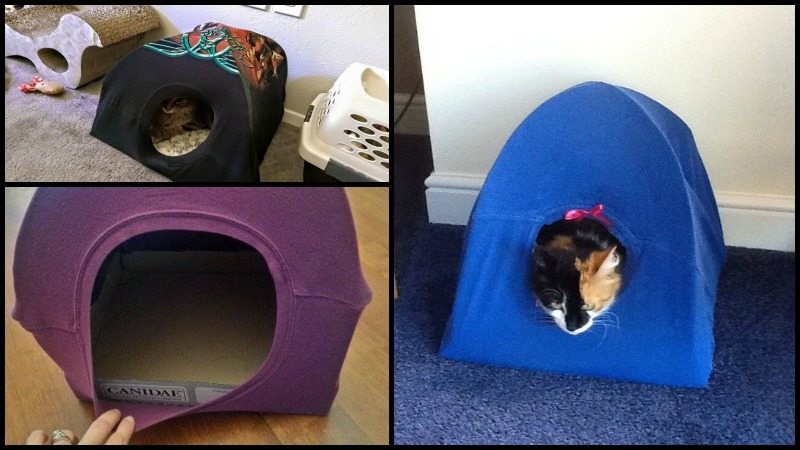
In need of a cat tent? Tents are not only for people, but they can also be for our fur babies.
Tents are not only an alternative to hotel or hostel accommodation; they are also a popular alternative to camping. There are different types of tents that cater to different needs.
There are two- and three-person tents that have enough space for one person to sleep on a mattress and have a little bit of room for storing items. Four-person tents are the most common type of tent. They are big enough for a family of four to sleep comfortably, and they have enough room for storing items.
Tents are great for people who love outdoor activities such as hiking, camping, fishing and hunting. Unlike other outdoor accessories, if you buy a tent, it will be very useful for you for a long time.
The tent can be used for as long as you want. Even if it is not used for many years, it will be helpful when you want to do some outdoor activities.
Today, we are in an era where there is a lot of pet-loving society. Since time immemorial, humans have kept animals for companions.
Pets provide physical and emotional benefits, too. Caring for pets allows us to enjoy the outdoors, a little exercise, and socialise with other pet owners. As Sigmund Freud once said, “Time spent with cats is never wasted.”
If you have a pet cat, you know how they love small, protective spaces. While you are out and about, cats get bored. In order to keep your cat from being destructive, you can use a cat tent.
A cat tent is a small tent that you can set up in any room of your house or apartment. It allows your feline to have its own spot to sleep and a place to do its business.
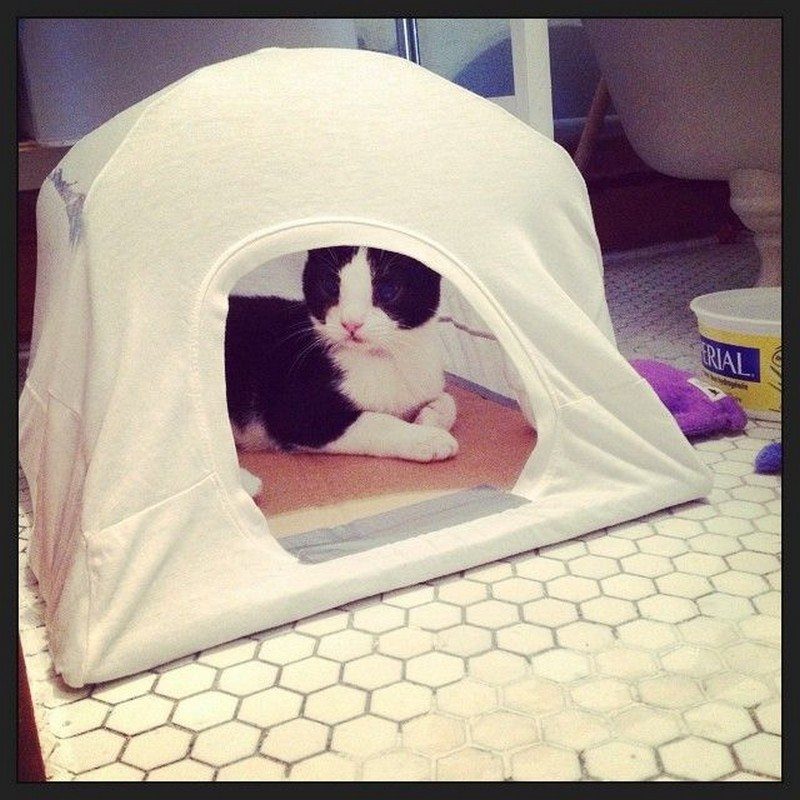
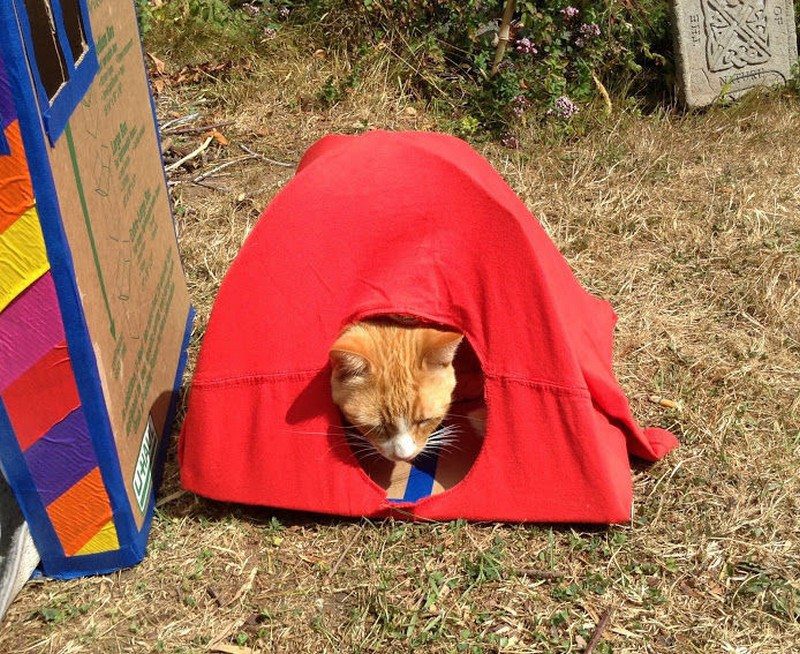
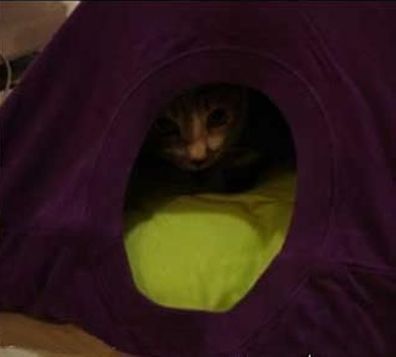
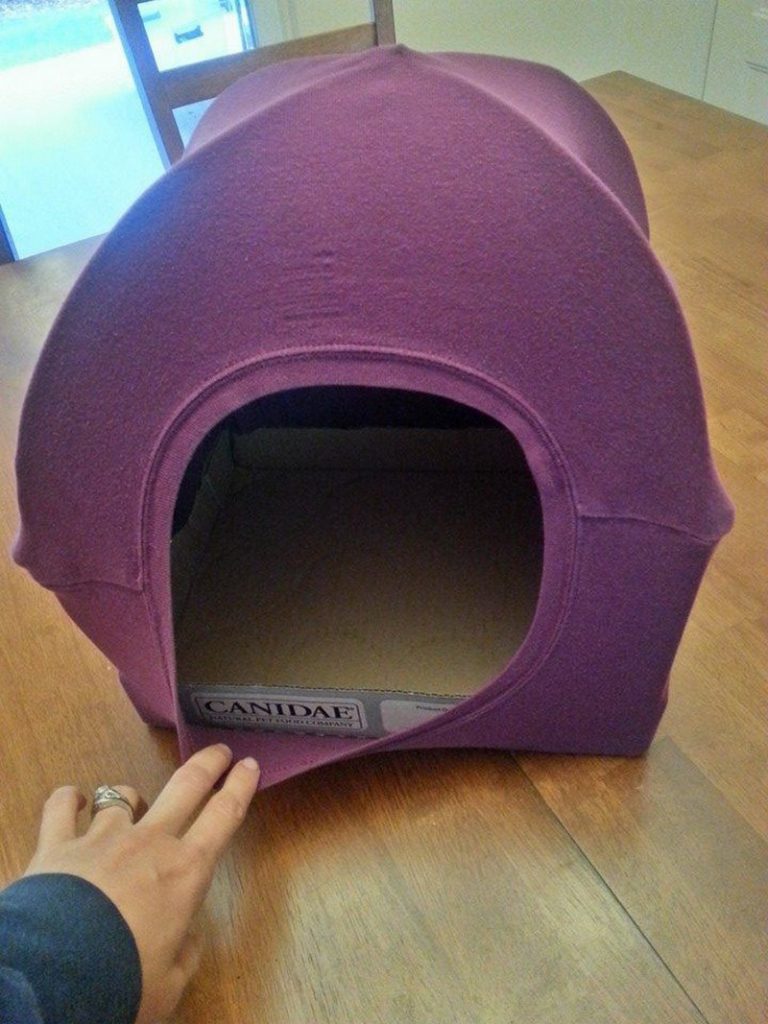
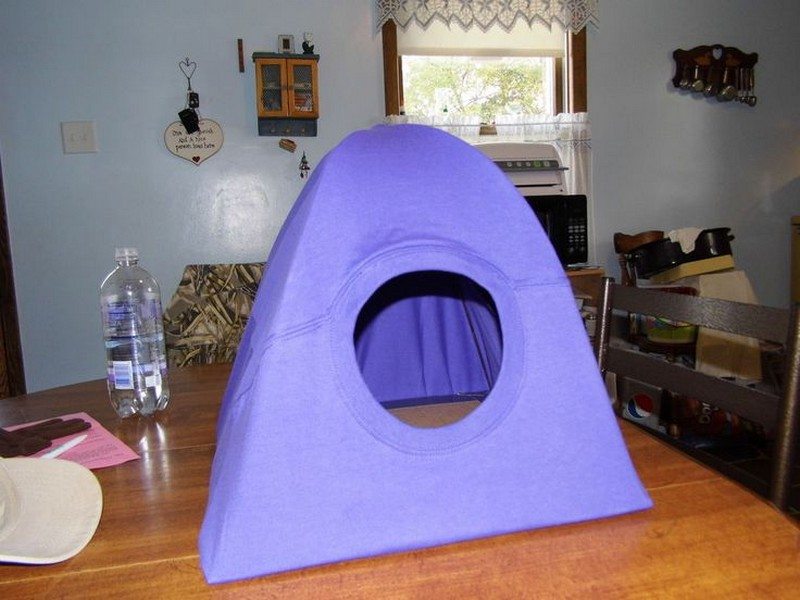
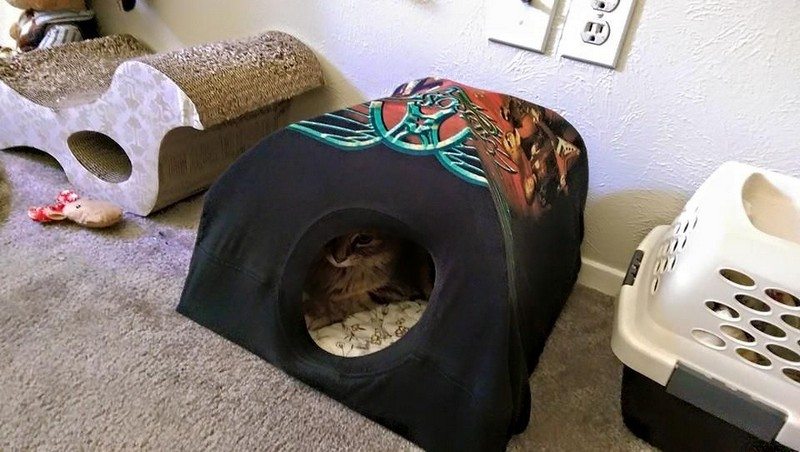
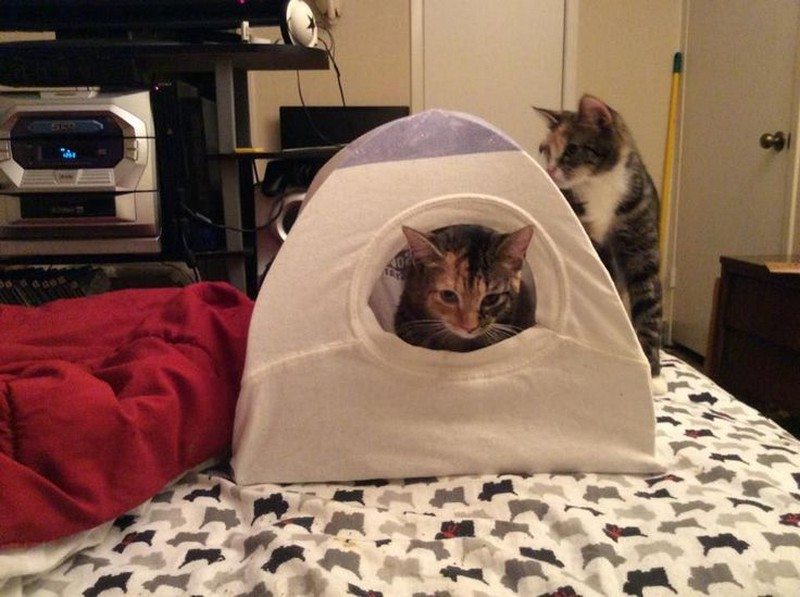
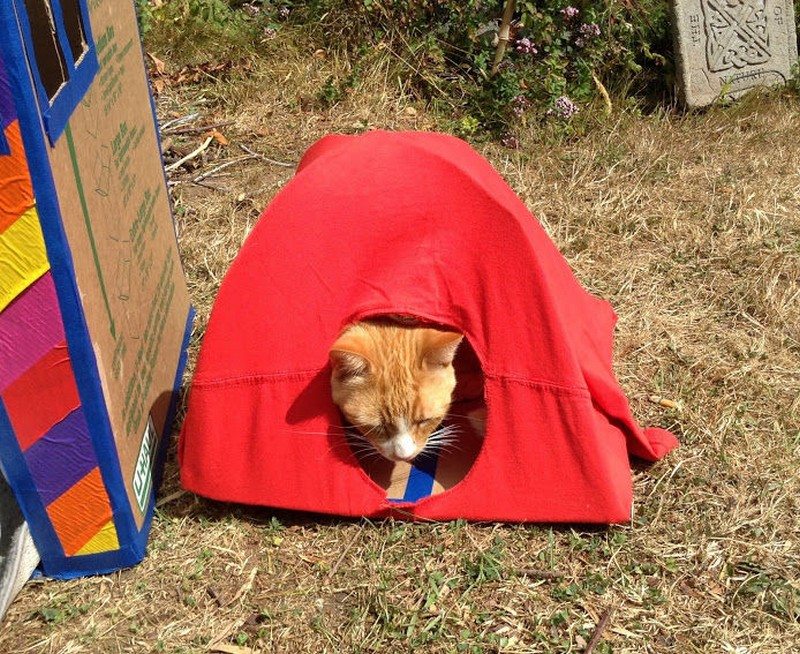
You can purchase cat tents in pet stores or online, or you can create one. All you need is a large T-shirt, two hangers, no skills and zero tools and you can build your cat an igloo! … a box, a linen basket, a bookshelf! If that sounds like your cat, this project is definitely for you.
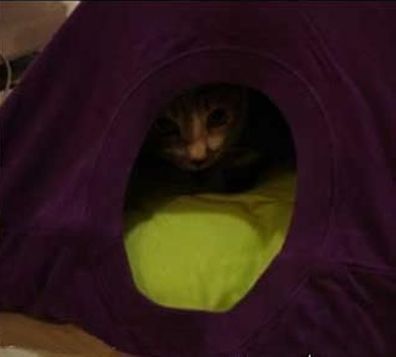
This little DIY cat tent is super easy in just five minutes. If it takes longer, it’s because your cat is laying on the T-shirt and refuses to budge!
Owners who have done this for their cats say their furry mates loved this cat tent instantly. Some wouldn’t leave without some solid coaxing!
So if you still don’t have a cat fort for your beloved feline, try this quick DIY project first. If your pet is the one in a thousand who doesn’t like it, no hard feelings, since you didn’t a lot of effort or expense into making it! 😉
Crafting A Cat Tent
Build a no‑sew T‑shirt cat tent with two wire hangers, cardboard, and a pillow in under 10 minutes. This beginner project makes a cozy hideaway most cats love, and you can do it with items you already have at home.
Below you’ll find the exact materials, quick steps, safety checks, variations, troubleshooting, and FAQs.
What materials are needed to craft a Cat Tent?
- 2 wire hangers
- 1 large T‑shirt (crew neck works best)
- 15×15 in. cardboard base (scale to 18×18 in. for larger cats)
- Small pillow or folded fleece blanket
- Tape (cloth or packing) 4–6 safety pins
- Tool: Pliers; Time: 5–10 minutes; Cost: $0–$10
How to Make a Cat Tent?
Step 1: Prepare the Wire Hanger Frame
- Straighten the Hangers
- Use pliers to untwist and straighten both wire hangers completely.
- Create the Tent Shape
- Bend each hanger into a U-shape, forming two arching supports. These will create the dome-like structure of the tent.
- Attach the Hanger Ends
- Cross the two U-shaped hangers at their midpoints to form a dome. Use pliers to twist the wires together where they intersect. This will hold the structure in place.
Step 2: Secure the Frame to the Base
- Punch Small Holes in the Cardboard
- At each corner of the cardboard base, poke small holes using the end of the hanger wire.
- Insert the Hanger Ends
- Push the four wire ends through these holes. Bend them underneath the cardboard and secure them with tape to prevent movement.
Step 3: Cover the Frame with the T-Shirt
- Drape the T-shirt over the Frame
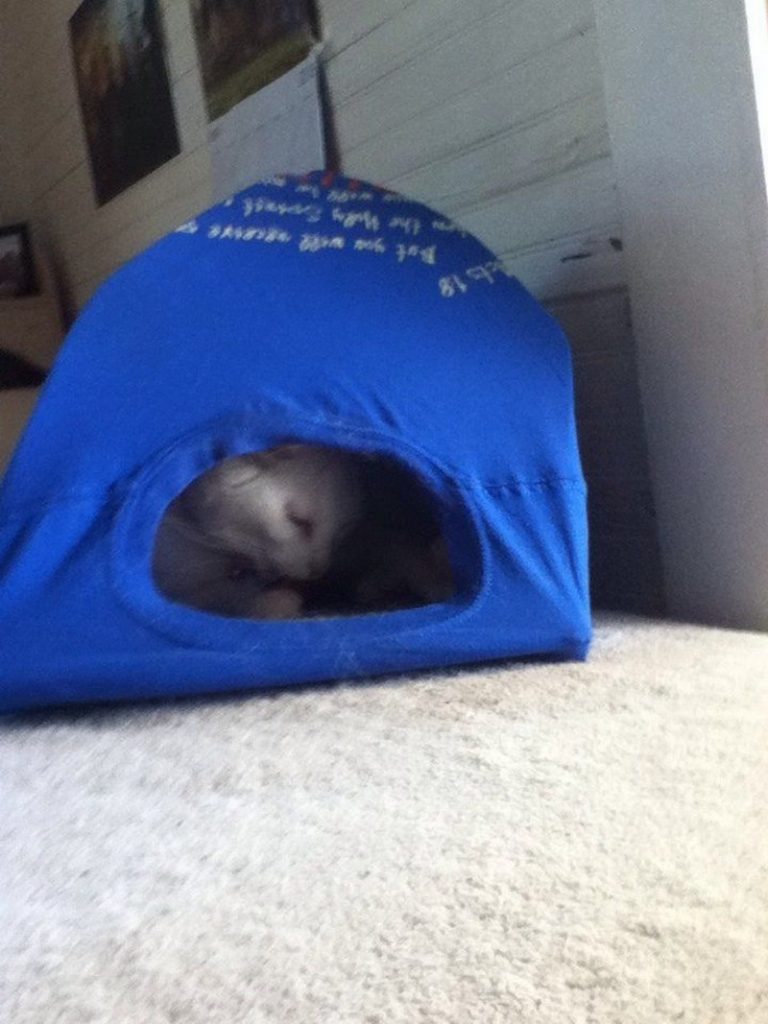
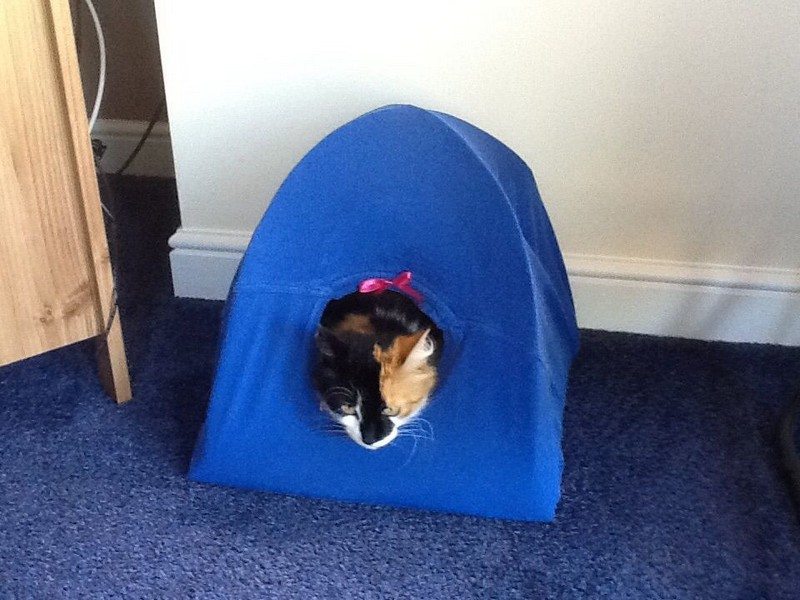
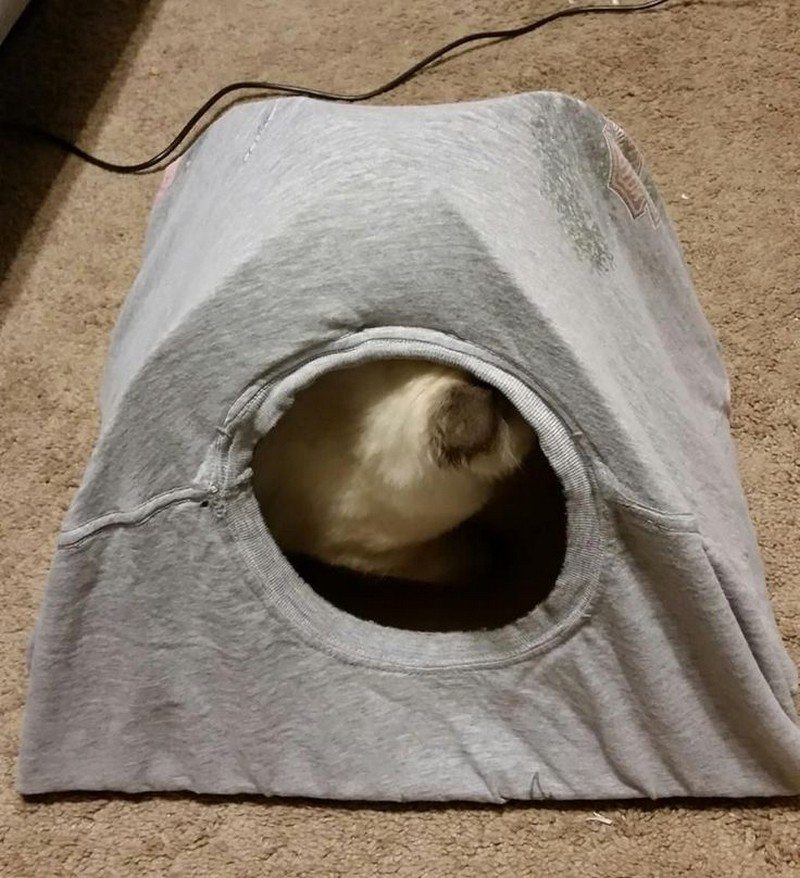
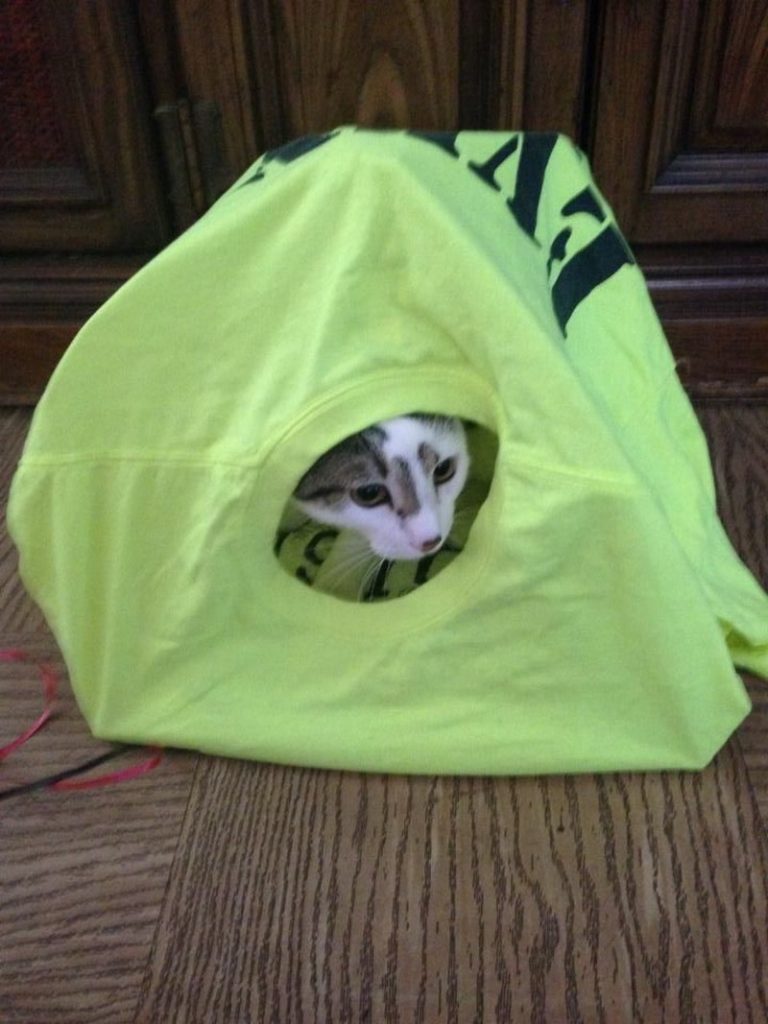
- Slide the large T-shirt over the tent frame, ensuring the neckline serves as the entrance. The sleeves should hang on the sides.
- Tuck and Secure
- Pull the bottom hem of the T-shirt tightly around the cardboard base. Use safety pins or tape to keep it in place. You can also fold and pin any loose fabric for a neat finish.
Step 4: Add Comfort and Finishing Touches
- Place a Pillow Inside: Insert a soft pillow or blanket into the tent to make it comfortable for your cat.
- Check Stability: Ensure the frame is sturdy and secure before letting your cat explore.
Why Do Cats Love Tents and Enclosed Spaces?
If you’ve ever found your cat curled up inside a box, hidden under a blanket, or tucked away in a small space, you’re not alone. Cats are naturally drawn to enclosed areas, and a tent provides the perfect little hideaway for them.
But why do they prefer these cozy spots? Understanding this feline behavior can help you create a more comfortable and stress-free environment for your pet.
Instinctual Need for Security
Cats, whether domesticated or wild, are instinctively driven to seek shelter in small, enclosed spaces. This behavior comes from their ancestry as both predators and prey. In the wild, felines use dens or hidden spots to rest safely while staying out of sight from larger predators.
Enclosed spaces, like a DIY cat tent or a cardboard box, provide that same feeling of security. It allows cats to observe their surroundings while minimizing their exposure to potential threats.
A Place to Reduce Stress
Cats are sensitive to changes in their environment. Loud noises, new people, or even a shift in routine can make them anxious. When stressed, a cat will often retreat to a small, enclosed space where they feel more in control. Having a designated hiding spot, like a cat tent, gives them a safe retreat to relax and unwind.
This is especially useful in multi-pet households where a cat may need an escape from an overly playful dog or an unfamiliar visitor.
Warmth and Comfort
Cats are notorious for seeking warmth, and enclosed spaces help them retain body heat. A small tent, a box, or even a cozy laundry basket keeps them insulated, making it the perfect resting spot. This is why you’ll often find your cat curled up in a sunbeam, under blankets, or inside a small fabric-covered space.
The confined area helps them conserve energy while staying warm and comfortable. Adding a soft blanket or pillow inside a cat tent enhances their comfort even more.
Encourages Play and Exploration
Enclosed spaces aren’t just about safety and comfort; they also appeal to a cat’s playful nature. Tents, tunnels, and small hiding spots trigger their natural hunting instincts. Cats love to stalk, pounce, and ambush from hidden spots.
A well-placed cat tent can become a fun play zone, allowing them to jump in and out, bat at hanging toys, or even hide and surprise their owners or fellow pets. This kind of enrichment is crucial for their mental stimulation and overall well-being.
Privacy for Rest and Sleep
Cats sleep for an average of 12 to 16 hours a day. During their nap time, they prefer a quiet and undisturbed location. A tent-like shelter provides a private sanctuary where they can rest peacefully.
This is particularly important in households with children or multiple pets, where a cat might struggle to find uninterrupted sleep. Having a personal space reduces stress and ensures they get the deep rest they need.
A Space That Smells Like Them
Cats rely heavily on scent to feel secure. They mark their territory by rubbing against objects or sleeping in the same spot repeatedly. A cat tent quickly absorbs their scent, making it a familiar and comforting place.
Unlike random household hiding spots that may get moved or disturbed, a dedicated tent provides a consistent space they can claim as their own.
Creating an enclosed space for your cat, whether it’s a DIY tent or a store-bought hideaway, helps fulfill their natural instincts. It provides them with a sense of security, warmth, and entertainment. By understanding their love for cozy, enclosed areas, you can make your feline companion’s environment more comfortable and enriching.
Click on any image to start lightbox display.Use your Esc key to close the lightbox. You can also view the images as a slideshow if you prefer 😎
You’ll find a link to a video below the image gallery.


DIY Cat Tent Variations: More Fun Designs to Try
A simple DIY cat tent is a great way to give your feline a cozy hideaway, but why stop at just one design? With a few modifications, you can create unique variations to suit your cat’s personality, comfort preferences, and even your home décor.
Whether you want a sturdier structure, an outdoor-friendly version, or something extra fun, these cat tent variations will inspire your next project.
The Sturdy Wooden Frame Tent
For a more durable, long-lasting cat tent, replace wire hangers with a wooden frame.
- What materials are needed to build a Cat Tent using a sturdy wooden frame?
- Four wooden dowels or thin PVC pipes
- 15×15-inch plywood base
- Fabric cover (cotton, fleece, or canvas)
- Wood glue or small screws
- How to build a Cat Tent using a sturdy wooden frame?
- Attach the four dowels to each corner of the plywood base, angling them slightly inward to form a pyramid shape.
- Secure the tops together using wood glue or zip ties.
- Drape fabric over the frame, securing it with safety pins or sewing the edges.
- Place a soft cushion inside for extra comfort.
This version is ideal for cats who love a permanent hideout and need something sturdy to lounge in.
The Collapsible Pop-Up Tent
If you need a portable option that’s easy to store, try a collapsible cat tent.
- What materials are needed for a Collapsible Pop-Up Tent?
- Flexible garden stakes or tent poles
- Lightweight fabric (nylon or mesh)
- Velcro strips or clips
- How to build a Collapsible pop-Up Tent?
- Form a dome shape using the flexible garden stakes or tent poles.
- Attach the stakes to a cardboard or foam board base.
- Drape lightweight fabric over the frame, securing it with Velcro or clips.
- Add a comfy cushion inside.
This variation works well for travel, small spaces, or homes where you need to put the tent away when not in use.
The Outdoor Cat Tent
For cats that love the fresh air, an outdoor-friendly version provides a safe, shaded space.
- What materials are needed for an Outdoor Cat Tent?
- Waterproof tarp or heavy-duty canvas
- Sturdy PVC pipes or metal rods
- Zip ties or bungee cords
- Outdoor cushion or pet bed
- How to build an Outdoor Cat Tent?
- Create a rectangular frame using PVC pipes or metal rods.
- Cover the frame with waterproof tarp or heavy-duty canvas.
- Secure the cover using zip ties or bungee cords.
- Place an outdoor-friendly pet bed inside.
This design protects against light rain and sun while keeping your cat cozy outdoors. Always place it in a shaded, secure area and supervise your cat while outside.
The Multi-Cat Tent
If you have more than one cat, why not build a larger tent with multiple entrances?
- What materials are needed to build a Multi-Cat Tent?
- Two large T-shirts or a fleece blanket
- Extra-wide wire frame (or multiple hangers)
- A 20×20-inch sturdy base
- How to Build a Multi-Cat Tent?
- Use two wire hangers or a reinforced frame to create a larger dome structure.
- Drape two T-shirts over the frame, aligning the necklines as separate entrances.
- Secure the fabric with safety pins and tape.
- Place a larger cushion or two smaller ones inside for both cats to rest comfortably.
This variation prevents territorial disputes and gives each cat its own entrance.
The Themed Cat Tent
Customize the tent to match your home décor or a fun theme for a more stylish approach.
- Ideas:
- Use patterned or themed fabric (jungle print, space-themed, or floral).
- Sew decorative patches or a small name tag with your cat’s name.
- Add hanging toys inside for extra fun.
- Create a mini camping look by adding a tiny faux campfire or a plush sleeping bag.
This design entertains your cat and adds a decorative element to your home.
By experimenting with these variations, you can find the perfect DIY cat tent that suits your cat’s needs and your creativity. Whether you choose a sturdy wooden frame, a collapsible travel tent, or a themed hideaway, your feline companion will love their new space.
Conclusion
Building a DIY cat tent is a simple yet rewarding project that provides your feline with a cozy, secure relaxing space. By choosing the right materials and exploring different designs, you can create a tent that suits your cat’s needs while complementing your home.
Whether it’s a bare wire frame or a more elaborate structure, your cat will appreciate the comfort, warmth, and sense of security it brings.
If you liked this project, you will also like viewing these pets accommodation…
Frequently Asked Questions
- Can I make a cat tent without sewing?
- Yes. Secure the T‑shirt hem and sleeves under the base with safety pins or strong tape; no stitching is required. Multiple guides use only pins/tape with great results.
- What can I use instead of wire hangers?
- PVC tubing, flexible garden stakes, or wooden dowels all work and can be sturdier than thin hangers. PVC or dowels are popular upgrades for stability.
- What size base should I use?
- A 15×15 in. base suits most cats; go 18×18 in. for large breeds or extra stability. Several tutorials standardize around ~15 in. square, scaling up as needed.
- How do I prevent wobble or a floppy frame?
- Cross the arches at the true center, twist or tape them firmly together, bend the wire ends flat under the base, and tape them down. If it still wobbles, upgrade the base to foam board or thin plywood.
- How do I widen the doorway if my cat won’t go in?
- Use a shirt with a larger neckline, gently stretch the neck, or leave the back partially open as an “escape hatch.” This tweak is common and cat‑approved.
- Is this safe for kittens?
- Yes, with supervision. Cover or blunt any wire tips, ensure no sharp edges or loose threads, and check that the frame can’t collapse. Safety notes appear in multiple guides.
- How do I clean it?
- Remove the T‑shirt cover and machine‑wash; spot clean or replace the cardboard base if it warps. Keeping the shirt intact with pins makes removal and washing easy.
- My cover keeps sliding — how do I keep it tight?
- Pull the hem fully under the base and secure it at multiple points (sides and back) with pins or strong tape. Tension around the base is key for a snug fit.