
Last Updated on October 1, 2026 by teamobn
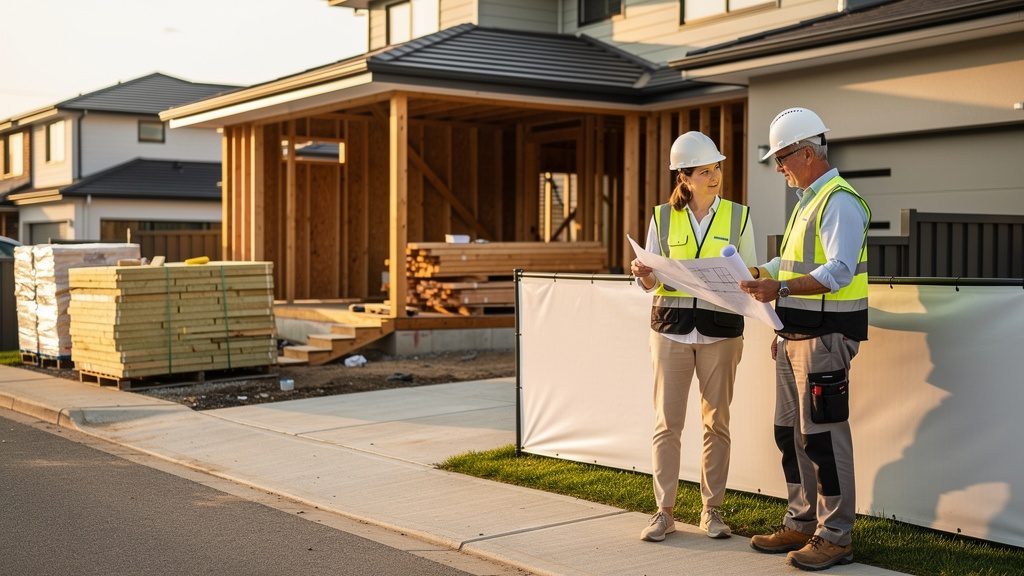
A roof replacement, kitchen renovation or new extension can turn a familiar home into an unfamiliar worksite. Tools arrive, access routes change and parts of the property may become unsafe to enter.
For the people doing the work, these hazards are part of their professional responsibilities. For homeowners, family members and visitors, they can be easier to overlook. A doorway used every day might suddenly lead to an unfinished floor. A driveway might become a delivery area. A garden path might run beside an excavation.
Construction safety deserves attention on residential projects of every size. Understanding the main hazards, asking sensible questions and keeping people away from active work areas can help prevent a home improvement project from causing lasting harm.
Why Construction Hazards Deserve Respect
In 2024, the US Bureau of Labor Statistics recorded 1,034 workplace deaths in private-sector construction. Falls, slips and trips accounted for 389 of those deaths, with most involving falls to a lower level. These are workplace figures, rather than statistics for household DIY accidents, but they demonstrate how serious construction hazards can be.
You do not need a towering scaffold or a large excavator for a serious incident to occur. Roof work, demolition, electrical alterations and drainage trenches can introduce substantial risks on an ordinary residential property.
The consequences also extend beyond the person injured. Families may face disrupted routines, lost income, care responsibilities and changes to their home.
The starting point is recognising where those risks appear.
Common Hazards Around a Home Building Project
Falls and unprotected openings
Ladders, scaffolding, roof edges and unfinished stairs create obvious fall hazards. Less obvious dangers include floor openings, removed railings and changes in level between completed and unfinished areas.
A homeowner checking progress may enter a space that workers know requires special precautions. Visitors may have no idea that the usual route through the house has changed.
Ask the contractor which areas are restricted and how openings and edges will be protected. Arrange site visits in advance rather than wandering through active work.
Falling tools and materials
Roof tiles, timber, tools and demolition debris can injure someone below. The danger may extend into driveways, entrances and garden areas that still appear accessible.
A hard hat does not make an active work area suitable for casual access. The important question is how people will be kept clear of overhead work.
Agree on alternative entrances when necessary, and make sure household members understand which routes they should use.
Machinery, deliveries and reversing vehicles
Residential projects often involve trucks, trailers, skips and machinery operating in limited space. Drivers may have restricted visibility, particularly when reversing or manoeuvring beside a house.
Children, pets and pedestrians can enter these areas unexpectedly. A driveway that usually serves as a play area or walking route may need to be closed during deliveries.
Ask where vehicles will stop, how deliveries will be coordinated and how people will be separated from moving equipment.
Electrical hazards
Renovation work can expose existing wiring or damage cables concealed in walls, floors and ceilings. Temporary power leads and equipment can introduce additional hazards.
Don’t assume a circuit is safe because a room is unused or a switch is turned off. Electrical isolation and alterations should be handled by an appropriately qualified professional.
If exposed or damaged wiring appears, keep people away and notify the contractor. Avoid touching it or attempting a quick repair.
Excavations and unstable structures
Foundation work, drainage installation and landscaping may leave open trenches or excavations. Partial demolition can also change how walls, roofs and other building elements are supported.
An excavation should never become a shortcut through the garden. Nor should an apparently solid wall be treated as safe after adjoining supports have been removed.
Keep these areas restricted, including outside working hours. Temporary supports and excavation protection require professional assessment.
Trips and blocked access
Offcuts, packaging, hoses and leads can make movement through a worksite difficult. In an occupied home, they may also obstruct routes needed by children, older adults or people with limited mobility.
Agree on clear household access routes and how they’ll be maintained as the project progresses. If the route becomes unsafe, flag the issue immediately rather than stepping around the problem indefinitely.
Questions to Ask Before Work Begins
Homeowners don’t need to direct construction methods to have a useful conversation about safety. Before work starts, ask:
- Who’s the main contact for safety concerns?
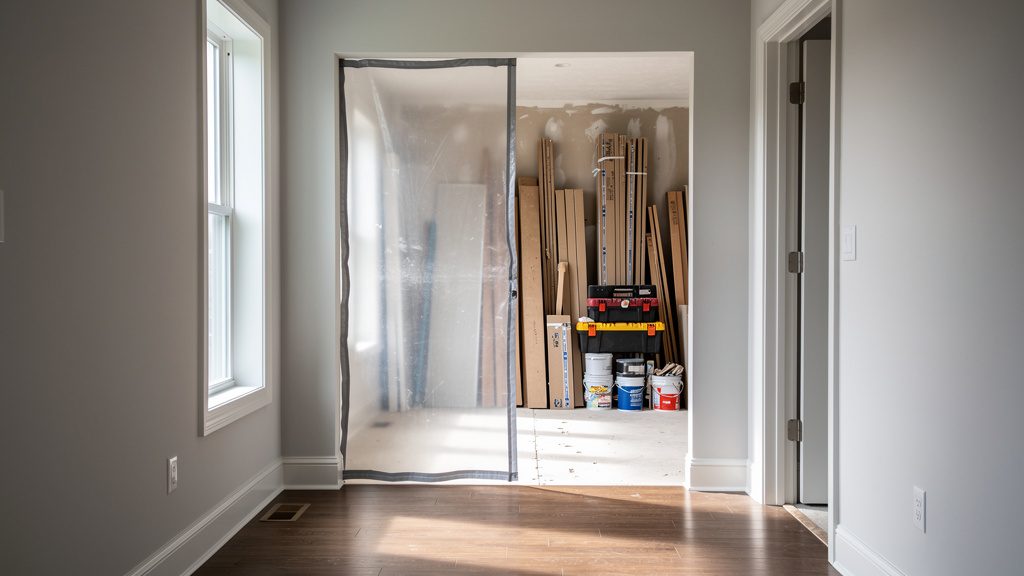
- How will work areas be separated from occupied rooms and outdoor spaces?
- Which entrances and walkways will remain available?
- How will children, pets and visitors be kept away from hazards?
- Where will deliveries, equipment and materials be stored?
- How will the property be secured at the end of each working day?
- What happens if the agreed access route becomes unavailable?
Clarify insurance arrangements with the contractor and your own insurer before the project begins. Ask whether the planned work affects your existing cover and what documentation is needed.
As work progresses, discuss new concerns with the person coordinating the project. Avoid entering restricted areas or altering barriers, equipment or temporary supports yourself.
Construction Risks Can Extend Beyond the Property
Some hazards affect people who have no involvement in the project. Deliveries may cross a footpath, equipment may operate near a roadway, or work may temporarily change access to neighbouring properties.
This makes planning around the site boundary important. Pedestrians should not have to guess whether they can safely pass, and motorists need clear arrangements where work affects traffic.
Questions about responsibility become more complicated when construction zone accidents involve drivers, pedestrians or nearby residents. Note that the linked discussion covers Tulsa, Oklahoma; the rules elsewhere may differ.
For homeowners, the practical lesson is to discuss public access and delivery arrangements before problems arise, especially when the project occupies a driveway, verge or roadside area.
Why Serious Injuries Have Long-Term Consequences
A severe construction injury can affect far more than the initial hospital bill. Rehabilitation, reduced earning capacity, ongoing assistance and changes to daily life may continue for years.

Someone with lasting mobility limitations may need alterations to bathrooms, entrances or sleeping arrangements. Family members may need to reduce their own working hours to provide care.
When legal advice is needed, the assessment may therefore involve future needs as well as immediate losses. A Costa Mesa catastrophic injury lawyer would consider those issues within the applicable California legal framework.
The outcome of any claim depends on the circumstances and available legal remedies. Compensation should never be assumed to cover every consequence of an injury.
Who May Be Responsible After an Incident?
Several people or businesses may be involved in a construction project, including contractors, subcontractors, equipment suppliers and property owners. Their presence alone does not establish liability.
Responsibility can depend on who created the hazard, who controlled the relevant work, what duties applied and whether someone’s actions contributed to the injury.
The injured person’s role matters too. An employee hurt at work, a visiting homeowner and a pedestrian passing the property may have different legal options.
Workers’ compensation commonly provides benefits for covered employees injured on the job. In some circumstances, a separate claim against a third party may also be possible. California’s workers’ compensation guidance recognises that distinction, but it should not be treated as a universal rule for every location or incident.
Homeowners should seek advice relevant to their jurisdiction rather than assuming either that hiring a contractor removes all responsibility or that any accident on their property automatically makes them liable.
What to Do If Someone Is Injured
Immediate safety comes first. Contact emergency services where needed, keep others away from the hazard and follow the dispatcher’s instructions. Do not enter a dangerous area or attempt a rescue that puts more people at risk.
Once urgent needs have been addressed, notify the person coordinating the work. Depending on the circumstances, the incident may also need to be reported to an employer, insurer or relevant authority.
If it is safe, record what happened and retain useful information, including photographs, witness contact details and correspondence about the work. Do not interfere with equipment, disturb hazardous materials or enter a restricted area to collect evidence.
Getting appropriate advice early can help establish what reporting and documentation are required. Meanwhile, the hazard itself needs to be addressed before anyone returns to the affected area.
A successful renovation should improve the home without compromising the people who build it, live in it or pass nearby. Making safety part of the planning conversation helps protect all three.