Last Updated on October 14, 2026 by teamobn
If you’re the kind of homeowner who tracks down every squeak in the floorboards or researches the right fasteners for a deck rebuild, pests are probably already on your radar. Owner-builders and DIY renovators spend so much time thinking about structure, moisture, and materials that it’s easy to forget those same conditions – exposed framing, stacked lumber, gaps around new plumbing lines, are exactly what ants, termites, and rodents are looking for. A renovation project can unintentionally roll out the welcome mat for pests long before anyone notices a problem.
That is especially true in climates like that of Lake Worth, South Florida, where humidity and year-round warmth keep pest pressure high no matter the season. Homeowners searching for pest control solutions often discover the issue only after damage has already been done. To minimise the risks of pest damage, it pays to engage a local, experienced and fully qualified pest management team early in the process, rather than after an infestation takes hold. Doing so tends to save both money and headaches.
Below are the four mistakes that trip up homeowners most often, along with the fixes that actually work.
Mistake #1: Ignoring Early Warning Signs and Delaying Action
The most expensive pest problems almost always start small. A few ants near the kitchen sink, a faint scratching in the attic, or a scattering of droppings in the garage get written off as one-time annoyances rather than signals of something building underneath the surface. By the time the problem becomes undeniable, with visible trails, nesting sites, or chewed wiring, the colony or population has often grown large enough that a simple spray will not touch it. Nearly 40% of Americans report having experienced a pest infestation at some point, and in most of those cases, the warning signs were present weeks or months before the full-blown problem appeared.
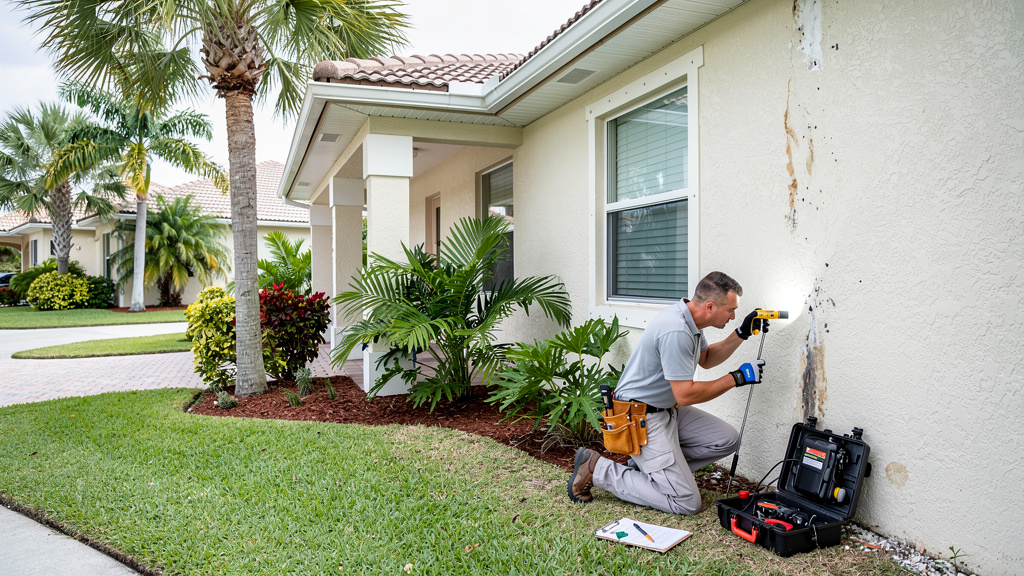
The fix is to treat small signs as data, not noise. Walk your property every few months and check the usual entry zones: under sinks, around the water heater, along baseboards, and near any exterior doors or windows. If you are mid-renovation, this matters even more, since open walls and temporary access points create new highways for pests that were not there before. Catching an issue while it is still localized is almost always cheaper and faster to resolve than waiting until it spreads through the structure.
Mistake #2: Misidentifying Pests and Using the Wrong Treatment
Homeowners frequently assume that any small flying or crawling insect can be handled with the same can of store-bought spray, but different pests require completely different approaches. Treating drywood termites like you would treat ants, or spraying for roaches when the actual problem is carpenter ants tunneling through damp wood, wastes time while the real infestation continues unchecked. Ants affect approximately 56% of U.S. households, making them the most commonly reported pest, and according to this article, when pest control professionals are asked which pests cause the most callbacks, more than half point to ants, followed closely by cockroaches, which shows how often these two pests get misdiagnosed or undertreated the first time around.
Correct identification changes everything about the treatment plan, from the bait type to the application points to how long control takes. A pile of what looks like sawdust near a windowsill could mean carpenter ants excavating wood, or it could mean drywood termites, and the response for each is entirely different. This is where a trained technician earns their fee, because they can identify species on sight and apply a targeted treatment rather than a generic one, which prevents wasted product, wasted time, and a false sense that the problem has been solved when it has only been masked.
Mistake #3: Treating Only Visible Pests Without Addressing Entry Points
Spraying the ants you can see while ignoring the crack in the foundation they are crawling through is one of the most common and most frustrating mistakes homeowners make. It feels productive in the moment, but it does nothing to stop the next wave from coming in through the same gap, and often leads to a cycle of repeat treatments that never actually resolves anything. This is particularly relevant for anyone mid-renovation, since new construction creates fresh openings around vents, plumbing penetrations, and siding seams that pests exploit almost immediately, a risk worth weighing alongside the broader construction hazards during home renovations that owner-builders already need to manage.
A proper fix starts with a perimeter inspection, not a can of insecticide. Look for gaps around utility lines, unsealed weep holes, worn weatherstripping, and vents without proper screening. Sealing these entry points with caulk, mesh, or foam, depending on the location, stops the source rather than just managing the symptom. Professional pest control services typically combine this kind of exclusion work with targeted treatment, which is why DIY efforts so often fall short even when the right product is used.
Mistake #4: Overlooking Environmental Attractants Like Food, Water, and Moisture
Even the best treatment plan will fail if the underlying conditions keep attracting pests back to the same spots. Standing water near an air conditioning unit, a leaky pipe under the sink, or pet food left out overnight can undo weeks of pest control work in a matter of days. Moisture in particular is a magnet for termites, roaches, and ants alike, and in humid climates like South Florida, it does not take much of a leak to create an ideal breeding ground. Fifty percent of surveyed homeowners reported their home experienced structural damage due to a pest infestation, a statistic that lines up closely with how often moisture and food sources go unaddressed even after pests are supposedly “treated.”

The fix here is sanitation and moisture control treated as ongoing maintenance, not a one-time cleanup. Fix leaks promptly, store food in sealed containers, keep gutters clear so water drains away from the foundation, and address condensation in crawlspaces or attics before it becomes a persistent damp spot. Fifty-four percent of homeowners attempt DIY methods using sprays and traps, yet repeat infestations are common precisely because these environmental factors are left unresolved. Termites alone cause more than 5 billion dollars in property damage annually in the United States, much of it preventable with consistent moisture management and routine professional inspections.
Statistic Figure Homeowners experiencing pest infestations annually Nearly 40% (2024 Forbes Home survey) Most common household pest Ants affect ~56% of U.S. households (2025 NPMA data) Homeowners relying on DIY pest control 54% use sprays/traps despite repeat infestations (2025 industry data) Homes with structural damage from pests 50% of surveyed homeowners (Forbes survey) Annual U.S. termite damage costs More than $5 billion annually
Avoiding these four mistakes comes down to treating pest control the same way you would treat any other part of your home’s maintenance: proactively, with attention to root causes rather than surface symptoms.
Catching early warning signs, correctly identifying the pest before treating it, sealing the entry points that let pests return, and eliminating the food and moisture sources that attract them in the first place will do more to protect your home than any single spray or trap ever could.
Quick Tips:
Before installing insulation or closing up walls:
- Check exposed framing for damage, insect activity and signs of leaks.
- Photograph anything suspicious and record its location before covering it.
- Repair moisture problems and check new plumbing penetrations for gaps.
- Remove timber offcuts and other construction debris from beneath and around the house.
- Arrange an inspection if you find suspected termite activity or unexplained timber damage, so the problem can be assessed while access is still easy.
Before booking a professional inspection, check:
- Does the inspection cover termites as well as general household pests?
- Are entry-point repairs included or quoted separately?
- Will I receive photographs and written findings?
- What follow-up is included, and what does any warranty cover?
- Should inspection or treatment happen before the next renovation stage?
Homeowners pairing this kind of vigilance with professional inspections gives the best odds of keeping small problems from turning into expensive ones.