
Few heritage breeds match the Sussex chicken for calm temperament, cold‑hardiness, and reliable brown‑egg production. Available in striking varieties like Light, Speckled, Buff, Red, and Coronation, they suit both backyard keepers and small farms. Successful breeding starts with clear goals and disciplined selection to preserve type, vigor, and productivity. This guide walks you through selecting quality breeders, dialing in housing and nutrition, incubating and brooding chicks, and maintaining flock health.
Contents
Key Takeaways
- Sussex chickens are calm, cold-hardy, and reliable for both eggs and meat.
- Set clear breeding goals, select strong foundation stock, and keep simple records.
- Prioritize ample space, clean ventilation, predator proofing, balanced feed, and careful incubation to maintain flock health.
Sussex Chicken Breed Basic
Sussex chicken is a dual‑purpose heritage breed valued for calm temperament and dependable production. Originating in England, it comes in Light, Speckled, Red, Buff, and Coronation varieties with a single comb and tight feathering that tolerates cold.
Hens lay 180–250 brown eggs yearly with good shell quality, while cockerels finish for table use. Growth is steady rather than extreme, making Sussex chicken ideal for small farms seeking balanced eggs, meat quality, and docile behavior.
Provide five square feet per bird in the coop, ventilation, and secure runs. Feed age‑appropriate rations and manage body condition for fertility. Sussex hens go broody occasionally; use brooders or set broodies to maintain hatch rates.
Selecting Foundation Stock
Choosing the right foundation stock determines the long‑term vigor, type, and productivity of your Sussex chicken program. Start with goals, disciplined selection, and health to build a resilient, high‑performing line.
Define Breeding Goals
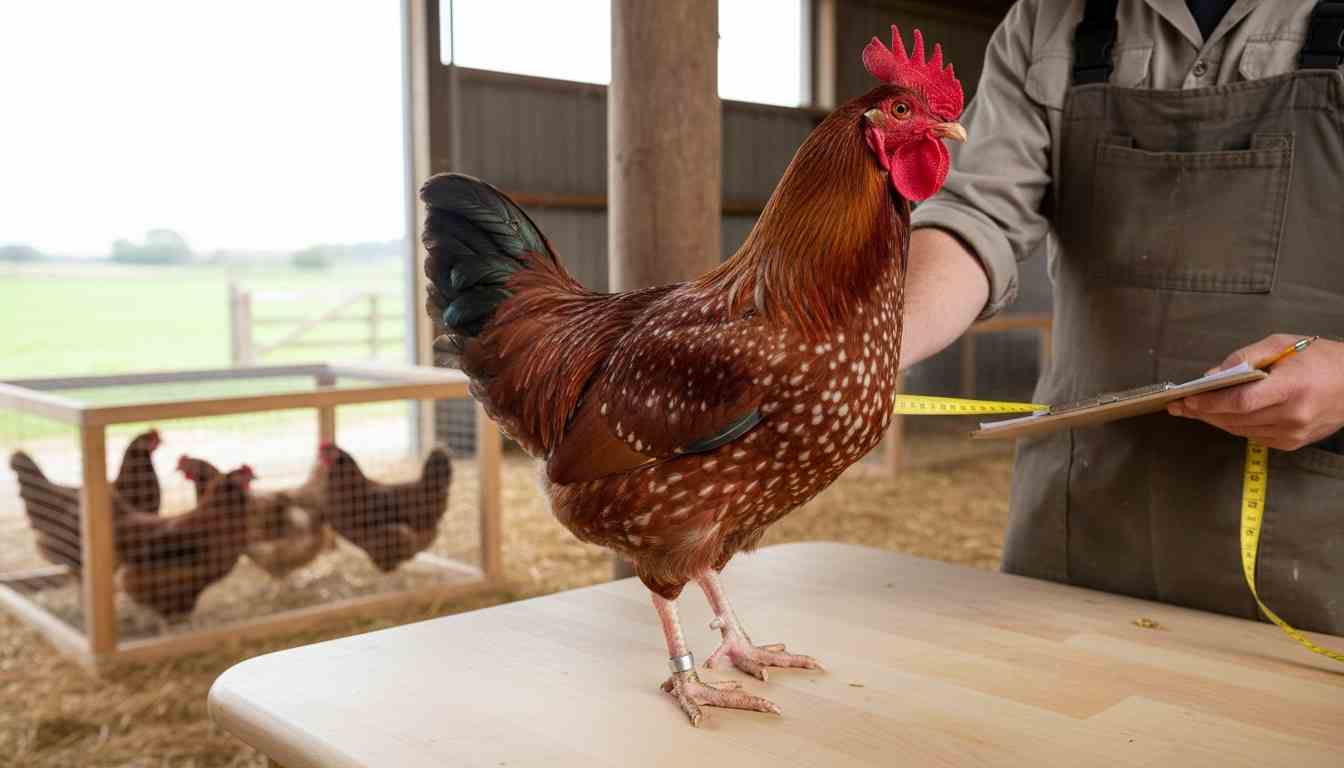
Decide what you want your Sussex chicken to excel at, such as egg production numbers, carcass quality, exhibition type, or conserving a rare variety. Pick measurable targets such as eggs per hen-year, average egg weight, 12‑week bodyweight, and adherence to the breed standard.
Write these goals down and rank them, because selection pressure requires trade‑offs. Align pen design, feed, and culling decisions with the top priorities, and review results each season to refine your improvement plan.
Hatchery vs. Breeder Lines
Mass-market hatcheries offer affordability and availability, but production traits and color accuracy can drift from the Sussex standard. Dedicated breeder lines usually provide truer type, stronger broody instincts, and documented performance, though supply is limited.
Ask for flock fertility, hatch rates, and pictures of parents, not just chicks. Visit breeder yards to assess vigor, feather quality, and management. For a balanced start, source from two reputable lines to blend vigor with consistent type in Sussex chicken.
Selecting for Type and Conformation
Evaluate birds against the Sussex Standard with a broad, deep body, a long, level back, a full breast, a single comb, legs with correct color, and an alert carriage. Inspect feather quality and uniformity, paying attention to variety‑specific markings: clean white with black accents in Light, even mahogany in Red, and distinct speckling in Speckled.
Eliminate obvious faults like the following:
- A narrow, shallow body that lacks the depth and width expected in Sussex.
- A short, sloped, or roached back rather than a long, level back.
- A shallow or pinched breast instead of a full, well-developed breast.
- Incorrect comb type for the breed or comb defects such as side sprigs.
- Wry tail, squirrel tail, or an overall tail set that is too high or too low.
- Split wing or poor wing carriage that disrupts symmetry and function.
- Legs with incorrect color for the breed or visibly uneven pigmentation.
- Pale eyes instead of the rich, correct eye color called for in the standard.
- Coarse, broken, or uneven feather quality that compromises uniformity.
Productivity and Temperament Records
Request or create records for egg count, egg weight, shell quality, fertility, hatch rate, growth curves, and cull reasons. Sussex chickens should balance steady production witha calm, confident temperament and avoid birds that are chronically flighty, aggressive, or lethargic.
Band individuals and track family performance rather than judging single birds. Retain hens with consistent lay through molt and winter, and cockerels from productive dams. Use simple spreadsheets or apps so selection decisions are evidence‑based.
Genetic Diversity and Mating Structure
Start with at least two unrelated trios or a cock over multiple, unrelated hen families to maintain heterozygosity. Use pen mating to control parentage, then rotate males in a clan or spiral system each season.
Avoid mating siblings, and instead pair half‑sib or cousin matings when linebreeding for type. When vigor declines, outcross to a complementary Sussex line with strong health and type, then backcross to consolidate gains without importing undesirable traits.
Documentation, Banding, and Traceability
Identify every breeder with permanent leg bands and maintain pen cards noting parentage, hatch date, variety, and key traits. Photograph birds at selection ages and store images with weights and notes.
Keep copies of NPIP certificates, purchase receipts, and any health treatments by bird ID. Traceability protects your reputation when selling hatching eggs or chicks and helps you spot patterns (both desirable and undesirable) across seasons, lines, and matings within your Sussex chicken program.
Housing & Space Requirements
Right housing turns care into an easy routine and keeps fertility high in Sussex chicken. Build for airflow, comfort, and safety so birds stay productive and calm through every season.
Coop Floor Space and Layout
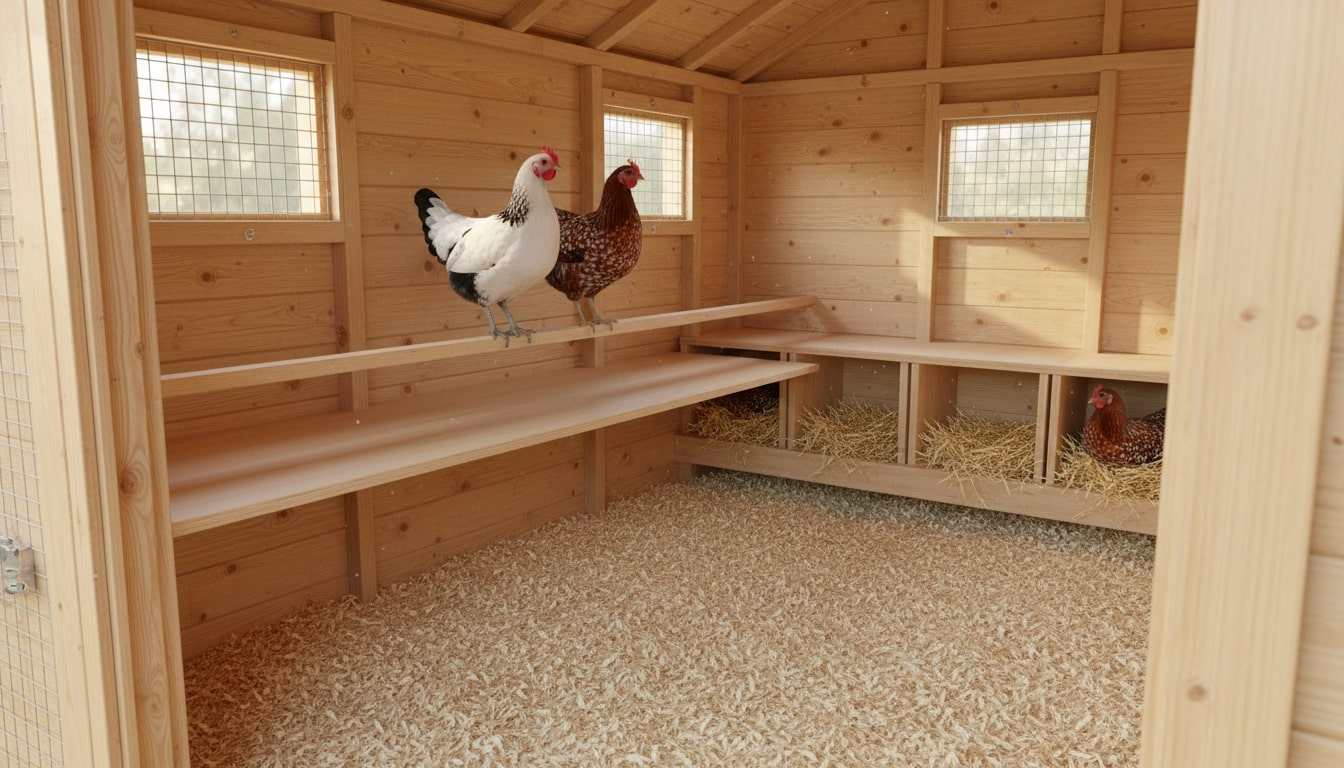
Provide 4 to 5 square feet of floor space per standard Sussex inside the coop, with clear aisle room so you can clean and collect eggs without stress. Plan a pop door about 10 by 12 inches and human doors wide enough for a wheelbarrow.
Place windows for natural light without direct drafts on roosts. Smooth, sealed surfaces and simple layouts make disinfecting fast. A quiet corner for nest boxes and a separate service area keep traffic flowing and birds settled.
Run and Pasture Space
Give at least 10 square feet per bird in the run, though more space improves behavior and plumage on Sussex chicken. On pasture, aim for generous rotation so grass recovers between grazings.
Add shrubs, perches, and movable shade to encourage foraging and reduce pecking. A covered dust bath filled with dry soil and wood ash supports parasite control. Keep gates wide and latches easy to operate with gloves so chores remain simple during bad weather.
Ventilation and Air Quality
Design cross ventilation high on opposite walls so stale, moist air exits while fresh air enters without chilling roosting birds. Use adjustable vents and a protected ridge opening to match seasonal needs.
Cover openings with 1/2 inch hardware cloth for safety. Monitor humidity and odors, since dry bedding and clear air protect combs from frostbite in winter and reduce heat stress in summer. If you can smell ammonia, remove wet spots and increase airflow immediately. Check out our article on walk-in chicken coop plans for a well-ventilated Sussex chicken home.
Roosts and Nest Boxes
Install roost bars 2 by 3 inches with the wide side up so Sussex feet stay flat and warm. Allow 8 to 10 inches of perch space per adult, and set top roosts around 18 to 36 inches high using a gentle ladder layout to prevent leg injuries.
Provide one nest box for every three to four hens, sized about 12 by 12 by 12 inches, or slightly deeper for larger hens. Rollaway or sloped‑front nests keep hatching eggs cleaner.
Predator Proofing and Materials
Wrap the coop and run with 1/2 inch welded hardware cloth, not chicken wire, and fasten it with screws and washers. Add a buried skirt at least 12 inches down or an 18-inch outward apron to stop diggers.
Roof the run to block hawks and keep litter dry. Use sturdy framing, exterior fasteners, and tight thresholds under doors. Fit locking latches that raccoons cannot open. Good materials and sealed gaps reduce repairs and keep Sussex chickens safe.
Litter, Drainage, and Cleanliness
Use dry, absorbent litter, such as pine shavings, 4 to 6 inches deep inside, and stir or top up as needed. Droppings boards under roosts make daily scraping quick and limit moisture. Grade the run for drainage and add gravel or wood chips where mud forms.
Provide a dedicated dust bath that stays dry during storms. Heavy Sussex feet do best on clean, firm footing, which prevents bumblefoot and keeps feathers and eggs in good condition.
Climate Management for Cold and Heat
Sussex tolerates cold well when the air is dry, and drafts are above roost height. Tighten gaps at bird level, keep vents open high, and replace damp litter promptly. In heat, maximize shade, airflow, and cool water, and add electrolytes during severe heat waves.
Use shade cloth over parts of the run and open evening windows to purge heat. Avoid overinsulating or adding constant heat, since balanced ventilation and hydration keep birds steadier through temperature swings.
Feed, Water, and Lighting Setup
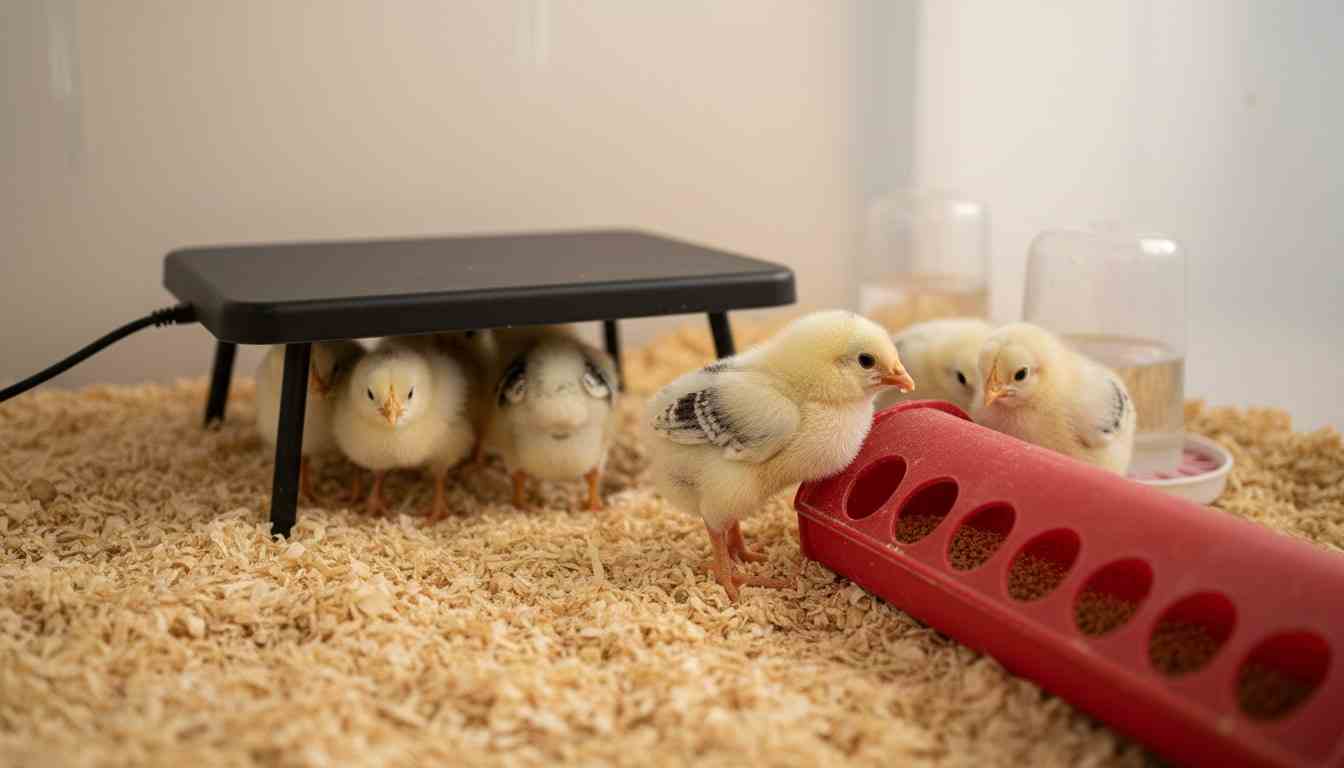
Place multiple feeders at back height so every bird can eat at once without crowding. Offer clean water on opposite sides of the pen, with one nipple for every four to five birds, and use heated bases where freezes occur.
Keep lines tidy, protect cords with conduit, and plug devices into GFCI outlets. During breeding, provide 14 to 16 hours of light to sustain lay, and ensure roosters and hens can access feed and water without competition.
Conclusion
Raising Sussex chicken for meat or eggs works best when you match the breed’s calm nature with sensible housing, balanced feed, and steady selection. For eggs, choose hens that hold production through winter and support shell strength with free‑choice calcium. For meat, finish cockerels on consistent rations, then process on a schedule that fits your tenderness and flavor goals.
FAQ: Raising Sussex Chicken
- What Is A Realistic Processing Timeline And Dressed Weight For Sussex Cockerels?
- With good feed and pasture, many Sussex cockerels reach a 4 to 5.5-pound dressed weight between 14 and 18 weeks. Earlier processing gives tender fryers with a milder flavor. Waiting until 18 to 22 weeks yields larger roasters. Rest carcasses 24 to 48 hours under refrigeration to relax the muscles and improve juiciness.
- How Many Eggs Can I Expect And What Helps Winter Lay?
- Healthy Sussex hens often lay 180 to 240 tinted to light brown eggs yearly. Typical egg weight ranges from 55 to 65 grams. Maintain 14 to 16 hours of light in winter, offer free‑choice oyster shell, and keep litter dry with steady ventilation. Select hens that keep laying during molt recovery.
- Do Speckled Sussex Go Broody More, And How Should I Manage It?
- Speckled Sussex tend to go broody more often than Light or Red. If you are not hatching, use a wire‑bottom breaker crate for two to three days. If you are hatching, give a quiet broody coop, dummy eggs to settle, and feed with water within reach.
- Are Sussex Suitable For Small Suburban Yards?
- Sussex hens are quiet household neighbors outside the brief egg song. Roosters crow often, so check local rules. Provide 4 to 5 square feet in the coop and 10 to 15 in the run. Add shrubs, a covered dust bath, and multiple feeders to reduce stress and pecking.
- Can Sussex Chicks Be Sexed At Hatch And How Can I Plan Breeding?
- Sussex are not auto‑sexing. You can use vent sexing by trained people, or wait for comb and plumage cues at 4 to 6 weeks. For sex‑linked chicks, cross Sussex hens with barred or red sex‑link sires, then identify sexes by down color at hatch.