

Last Updated on December 9, 2025 by teamobn
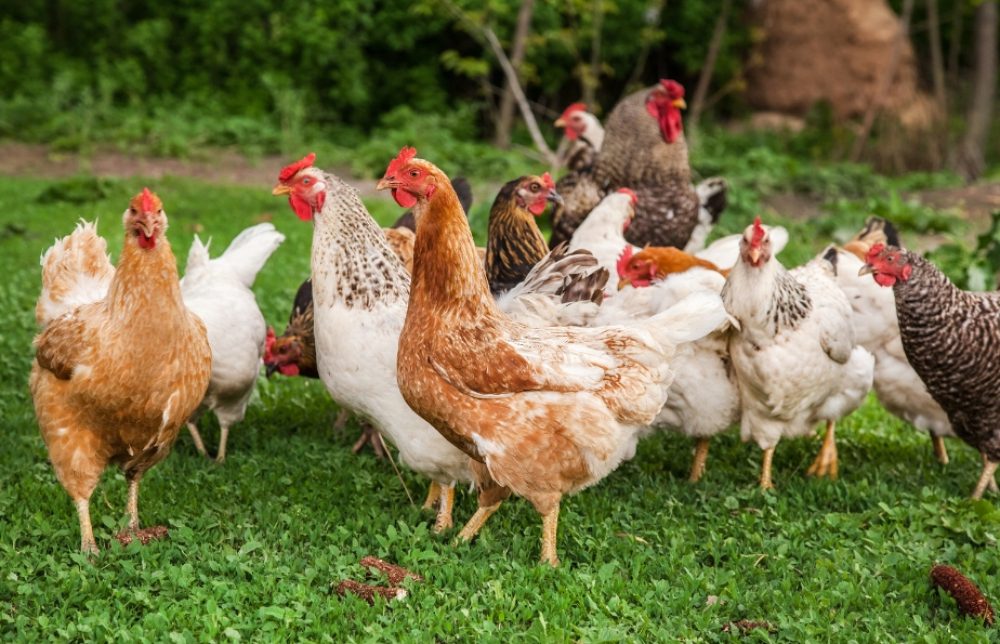
Attention, poultry enthusiasts, and potential backyard chicken keepers! Have you ever dreamed of waking up to the cheerful clucking of your feathered companions and the delight of fresh, homegrown eggs? Choosing the right chicken breeds for your flock is a thrilling journey, a voyage of self-discovery for both you and your future feathered friends.
In this article, embark on an adventure of finding the perfect chickens to fill your coop and heart.
Key Takeaways
Contents
- Start with your purpose, eggs, meat, or dual‑purpose, and choose chicken breeds that match your space, management style, and goals.
- Match chicken breeds to climate and temperament: heat‑tolerant Leghorns/Minorca for hot areas, cold‑hardy Wyandottes/Barred Rocks for winters, docile options for families.
- Beginners thrive with hardy, friendly chicken breeds like Rhode Island Red, Plymouth Rock, and Sussex.
- Plan sourcing and compliance, budget costs, use reputable hatcheries or local breeders, verify health practices, and follow local regulations before adding birds.
The World of Chicken Breeds Awaits
Why Chickens?
Before you get lost in the dazzling array of chicken breeds, understand why chickens make excellent companions. They are more than mere egg-producing automatons; they infuse your backyard with vitality through their lively personalities, and each breed contributes its unique charm.
They venture beyond the coop’s boundaries, seamlessly integrating into the intricate pattern of your life, imbuing it with the unbridled vitality of the natural world. With each sunrise, their cheerful calls are a daily reminder that there exists a realm beyond the ordinary, one teeming with marvels and endless possibilities.
The Power of Choice
The first step in your chicken-keeping journey is to recognize that choosing the right chicken breeds is not just about utility but also about fostering a meaningful connection. Every breed is like a piece of art; they each have their own unique personality, appearance, and quirks.
The Kaleidoscope of Chicken Breeds
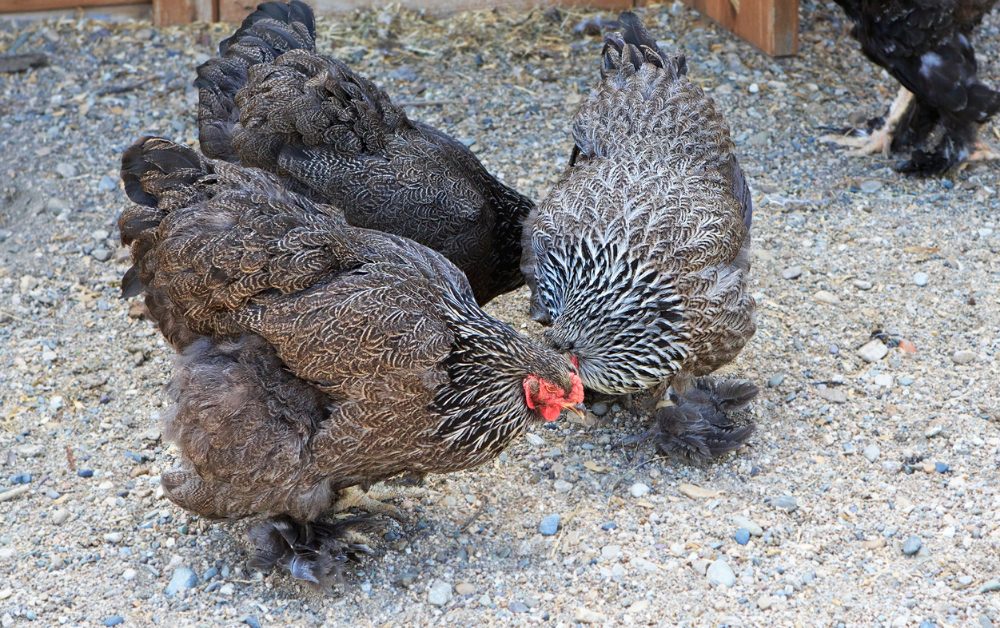
Now, dive into the fascinating world of chicken breeds, each one a masterpiece of nature’s design.
Heritage Breeds
Imagine owning a piece of history. Heritage breeds like the Rhode Island Red, Plymouth Rock, and Sussex are a window into the past. They captivate you with their old-world charm and resilience, reminding you of a simpler time.
Egg Layers vs. Meat Birds
Are you dreaming of farm-fresh eggs every morning? If so, breeds like the Leghorn and Australorp are prolific egg layers. Conversely, if you’re more interested in a tender, homegrown chicken dinner, you’ll be drawn to meat birds like the Cornish Cross.
Dual-Purpose Delights
Why choose between eggs and meat when you can have both? Dual-purpose breeds like the Orpington, Wyandotte, and Rhode Island Red give you a bit of everything—eggs, meat, and charming personalities.
Bantam Beauties
If you’re limited on space but still yearn for the joys of raising chickens, bantam breeds like the Silkie and Serama provide all the love, with a fraction of the size.
Matching Feathers to Your Fancy
After getting familiar with a dazzling array of chicken breeds, it’s time to uncover what truly speaks to your heart and lifestyle.
Climate Compatibility
Picture this: your flock is basking in the sun, happy and comfortable. But this scene depends on the breed you choose and your local climate. Some breeds thrive in heat, while others are hardy in cold weather. So, find your perfect match.
For example, in regions that experience scorching summers, selecting heat-tolerant breeds such as the Leghorn or Minorca ensures your chickens remain comfortable and vibrant, able to withstand the relentless sun.
Conversely, for those residing in areas where winter blankets the land with snow and biting winds, cold-hardy breeds like the Barred Plymouth Rock or the Wyandotte are the protagonists of choice. Their fluffy plumage and enduring nature make them the stars of the chilly season, thriving despite the frosty challenges.
Consider the climate of your locale as the backdrop of this grand performance. It’s the ever-changing scenery, the atmospheric mood that envelops your chicken cast.
Feathered Personalities
Are you drawn to the idea of friendly, sociable chickens that your children can pet and cuddle? Or perhaps you admire the independent spirit of more aloof birds? Your chicken’s personality is the canvas on which you’ll paint your daily life.
The hens and roosters that strut through your days bring character, drama, and harmony to your story, turning your backyard into a dynamic stage where the script of life unfolds in captivating scenes.

Eggciting Egg Varieties
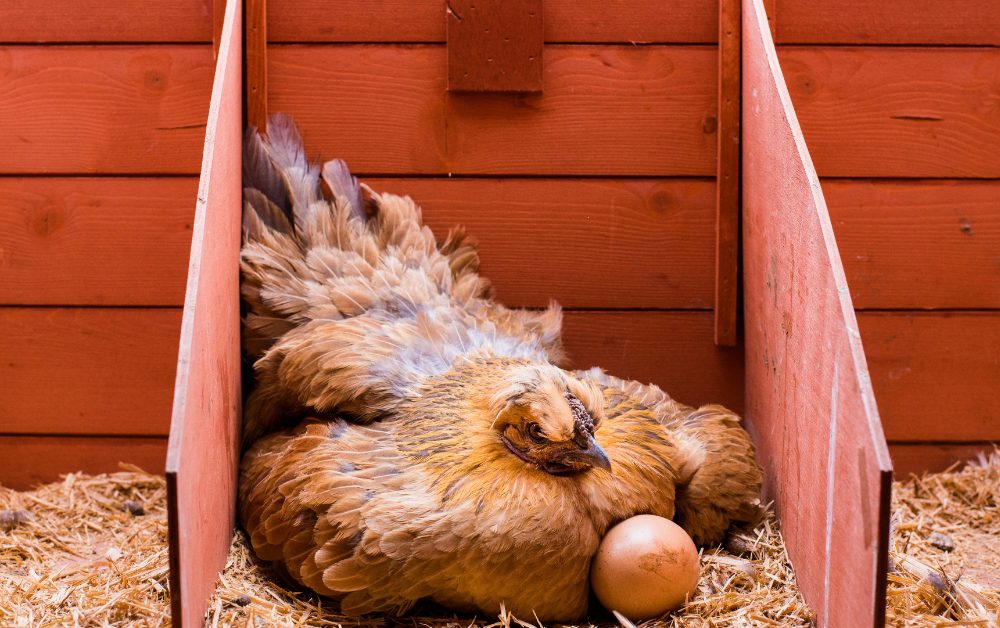
Delve into the world of egg colours, sizes, and laying patterns. Whether you prefer a steady supply of brown eggs, delight in the occasional blue or green egg, or yearn for extra-large eggs for your hearty breakfast, the right breed can fulfil your desires.
The breeds associated with brown eggs, such as Rhode Island Reds, Orpingtons, and Sussex, promise a steady supply of these charming gems. While breeds such as the Ameraucana, Araucana, and Cream Legbar are known for their ability to lay eggs that defy convention with their cool, soothing shades. Eggs from breeds like Jersey Giants or Brahmas, boast impressive sizes that add a grandiose touch to your culinary creations.
Egg Flavor and Size
Not all eggs are created equal. The breed you choose can determine whether you’re savouring a rich, flavorful yolk for your morning omelette or a compact, sunny-side-up delight. Let your taste buds lead the way.
Crack open eggs from a heritage breed, like the Marans or the Welsummer, with their deep, earthy hues, are a testament to their robust, full-bodied flavour. The yolks, a decadent shade of golden ochre, yield a richness that elevates your omelette to an entirely new realm of indulgence. Each bite is a journey of taste, an experience that transcends the ordinary.
Alternatively, the delicate charm of a bantam egg, laid by these diminutive yet delightful birds, while petite in size, these eggs possess a concentrated burst of flavour that belies their small stature. They bring a taste that is both tender and nuanced, a testament to the purity and simplicity of nature’s culinary artistry.
For those who relish a more subtle, buttery note in their dishes, certain breeds like the Sussex or the Australorp are the maestros of choice. Their eggs possess a certain creaminess, an undertone of richness that complements a wide array of culinary creations. From quiches to custards, their eggs infuse a delightful subtlety that is both comforting and elegant.
In this gastronomic odyssey, your choice of chicken breeds becomes an act of creation, a testament to the art of culinary storytelling. With each egg, you have the power to craft flavours that dance on your palate, to compose dishes that resonate with your unique taste.
Making Your Dream Flock a Reality
Now that you’ve been captivated by the world of chicken breeds, it’s time to turn your dreams into reality.
Consider Your Space
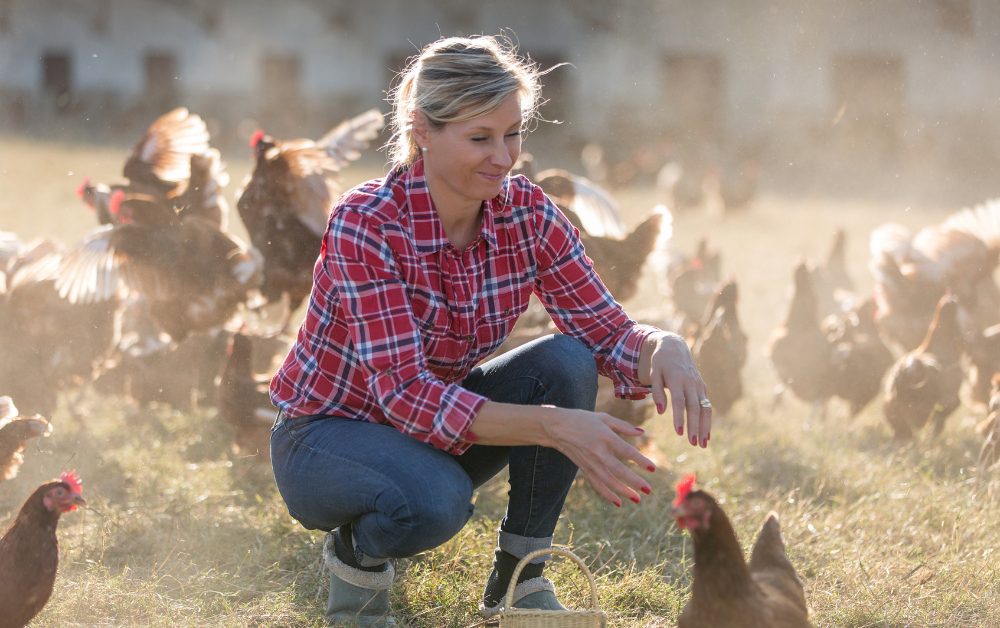
Visualize your ideal coop and run, and then consider the space you have available. Some chicken breeds require more room to roam, while others are content with a compact space. The right breed will flourish in your chosen environment.
Chicken Breeds That Require More Room to Roam:
- Rhode Island Red: These active and robust birds benefit from a larger area for foraging and exercise.
- Australorp: Known for their egg-laying prowess, Australorps appreciate room to stretch their legs and explore.
- Barred Plymouth Rock: These friendly and inquisitive chickens thrive when given space to roam and scratch for food.
Chicken Breeds That Are Content With Compact Space:
- Silkie: Silkie chickens are small and docile, making them well-suited for smaller backyards and urban environments.
- Bantam Breeds: Bantams, such as the Serama or Belgian d’Uccle, are naturally compact and adapt well to limited space.
- Japanese Quail: Though not chickens, Japanese quail are exceptionally small and can comfortably live in compact coop making them an excellent choice for confined spaces.
Understanding the spatial needs of these breeds is essential for creating a suitable and comfortable living environment for your chickens.
Budget Wisely
Dreams can be budget-friendly, too. Explore the costs associated with acquiring and caring for different breeds, from chicks to feed and healthcare, and ensure your dream flock aligns with your budget.
The cost of acquiring chicks can vary depending on breed, source, and location. Typically, you can purchase day-old chicks from hatcheries or local breeders. The price may fluctuate based on the rarity or popularity of the breed. It’s essential to research the breed’s average cost and ensure it aligns with your budget. Remember, the more unique or rare the breed, the higher the cost may be.

Where to buy chicken breeds: hatcheries vs local breeders
Choosing where to buy chicken breeds shapes flock health and your experience. Compare hatcheries and local breeders to align goals, budget, and values with the source for your backyard flock.
Hatcheries: what to expect
- Broad selection of chicken breeds and hybrids year-round
- Lower per-chick pricing; volume discounts; sexed chicks available
- Minimum order sizes and shipping dates dictate timing
- Vaccinations offered (e.g., Marek’s); NPIP participation common
- Shipping stress and early mortality risks; DOA policies matter
Large hatcheries offer extensive chicken breeds, availability, and competitive pricing. Sexed chicks, vaccinations, and NPIP certification are common advantages. Downsides include minimum orders, shipping stress, occasional mix ups, and less focus on show quality lines. For affordable, consistent production birds and specific egg colors at scale, hatcheries are convenient options.
Local breeders: what to expect
- Hands-on selection: see parent stock and facilities
- Lines adapted to regional climate and predators
- Smaller batches: better socialization and temperament insights
- Limited availability, waitlists, and seasonal hatching windows
- Higher prices: variable vaccination and guarantee policies
Local breeders let you evaluate adult birds, husbandry, and temperament firsthand. Many focus on breed standards, rare lines, and traits suited to your climate. Availability is limited, pricing higher, and policies vary. Expect community support, coaching, and healthier transitions for new keepers seeking heritage quality rather than high-volume production.
Local Regulations Matter
Backyard chicken rules vary by city, county, and HOAs, and they affect breed choices, flock size, and coop design. Check requirements before purchasing birds to avoid costly fines or removals.
Zoning and setbacks
Municipal codes determine if chickens are allowed, where coops may sit, and how far they must be from property lines, homes, and wells. Typical rules require rear‑yard placement, minimum setbacks, and covered runs.
Some districts classify poultry as “micro‑livestock,” while others require agricultural zoning. Confirm your lot dimensions before selecting larger or active breeds to meet welfare standards and avoid legal setbacks.
Flock size and lot size thresholds
Many ordinances tie hen counts to lot size, capping birds on small city parcels and allowing more on larger lots or acreages. Some codes set an absolute maximum or prohibit mixed poultry species.
If you favor giant or dual‑purpose breeds, plan for fewer birds to remain compliant and comfortable. Clarify whether chicks count toward limits and whether seasonal brooding affects your permitted totals.
Roosters and breed restrictions
Roosters are often banned in city limits due to crowing; some jurisdictions also restrict gamefowl or any “crowing birds.” Choose sexed pullets or autosexing/sex‑linked breeds to avoid accidental roosters.
Where roosters are legal, noise and containment rules usually apply. Opting for quiet, docile breeds reduces nuisance risk and keeps you in good standing with neighbors and enforcement.
Permits, fees, and neighbor consent
Some municipalities require a poultry permit, site plan, and pre‑approval inspection, with annual renewals and modest fees. A few demand written neighbor consent or notification. Keep coop dimensions, measured setbacks, and sanitation plans handy to streamline approval.
If code language is ambiguous, request a written interpretation from planning or animal control to protect yourself as policies or staff change.
Coop standards and welfare rules
Expect minimum square footage per bird, predator‑proof construction, ventilation, winter shelter, and continuous access to water. Free‑ranging may be restricted or supervised only.
Feed typically must be stored rodent‑proof, and standing water must be discouraged. Larger or feather‑footed breeds benefit from extra space and dry litter. Designing beyond minimums improves welfare, reduces odors, and demonstrates good‑faith compliance.
Nuisance, noise, and waste management
General nuisance laws govern odors, flies, dust, and noise. Regulations may require routine manure removal or managed composting, covered bins, and rodent control. Establish a cleaning schedule, use carbon‑rich bedding, and secure all feed. Strategic screening, sound‑damping fencing, and courteous neighbor communication help prevent complaints and keep your flock welcome.
Health, biosecurity, and movement
States and counties may require NPIP‑sourced birds for shows or sales and can restrict movement during avian influenza outbreaks. Keep purchase receipts, vaccination records (e.g., Marek’s), and quarantine newcomers for 30 days. Some areas limit on‑site hatching, live‑bird sales, or off‑property transport without permits. Verify import or testing rules before bringing in rare or rescue chickens.
HOAs and CC&Rs
Even when city code allows hens, HOAs and private covenants can ban poultry or impose stricter standards on coop visibility, materials, and flock size. Review recorded CC&Rs and architectural guidelines before building. Present discreet designs, odor‑control plans, and neighbor‑friendly layouts to improve approval odds and avoid later disputes.
How to verify your rules
Start with your city’s municipal code and zoning map, then confirm interpretations with planning or animal control. Search terms like “poultry,” “hens,” “setbacks,” and “micro‑livestock.” Cooperative Extension often maintains summaries and model ordinances. Save emails, permits, and photos of measured setbacks. If rules are evolving, attend hearings, clear proposals for setbacks, sanitation, and hen‑only limits are most likely to pass.
The Wrap Up
You’re now equipped to paint your own masterpiece on the canvas of your backyard. Selecting the right chicken breeds is a journey of self-discovery, full of colour, personality, and surprises. Your dream flock is waiting to fill your life with clucks of joy, homegrown eggs, and delightful companionship.
Embrace this adventure, and your coop will become a masterpiece of feathers and friendship, a true reflection of your desires and dreams. Start your journey today, and make your coop the topic of the neighbourhood.
Frequently Asked Questions
1. How many chicken breeds should I have in my flock?
The number of breeds you should have depends on your goals and available space. You can have a single-breed flock or a diverse flock with multiple breeds. A diverse flock can have various egg colours and personalities.
2. Are some chicken breeds more suitable for beginners?
Yes, some chicken breeds are more beginner-friendly due to their hardiness and docile nature. Breeds like Rhode Island Red, Plymouth Rock, and Sussex are great choices for beginners.
3. Can I mix different chicken breeds in the same coop and run?
Yes, you can mix different chicken breeds in the same coop and run. However, it’s important to ensure that the breeds you choose are compatible in terms of temperament and size.