
Last Updated on November 4, 2025 by teamobn
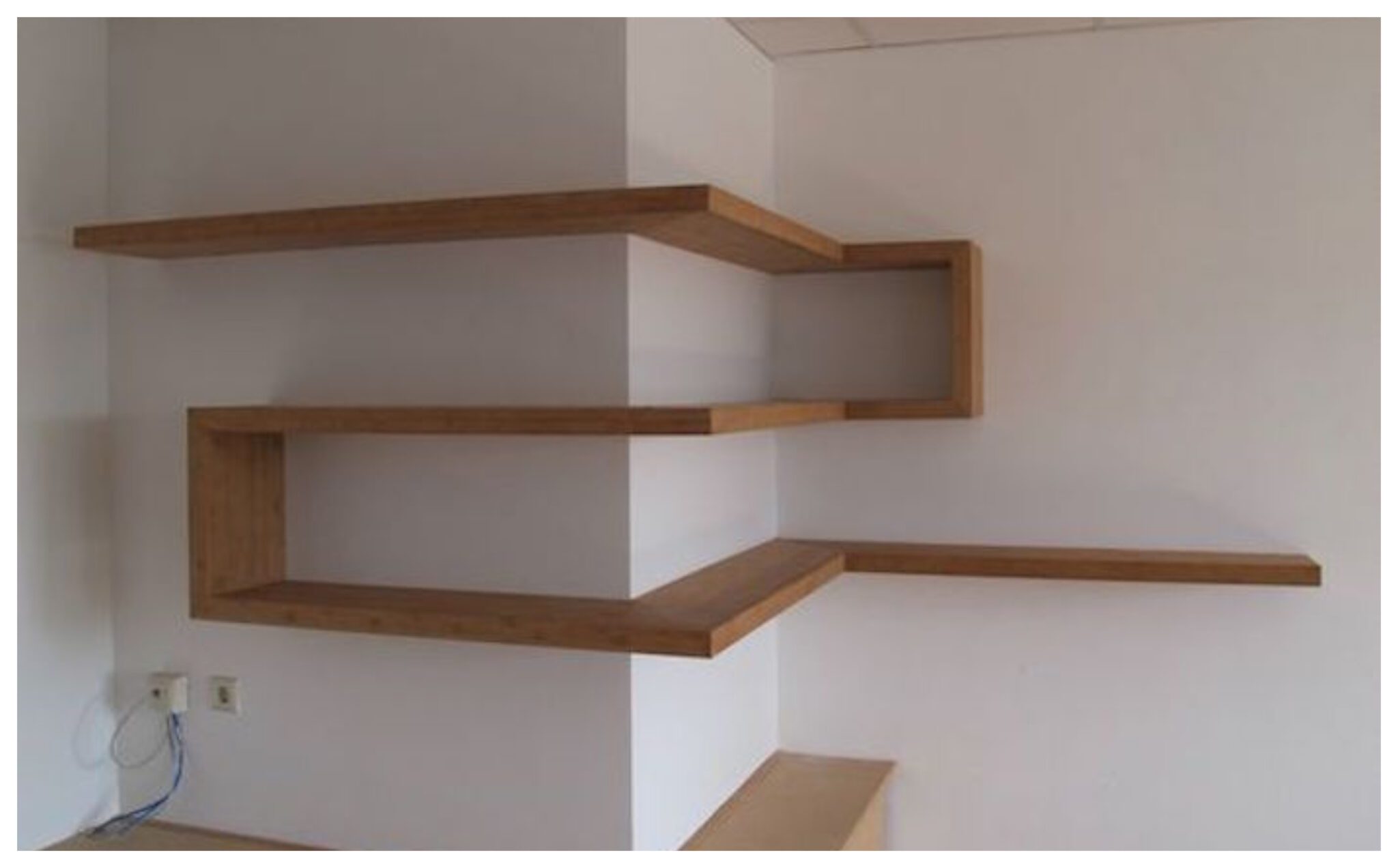
If you have a bare wall in your house, you may be wondering what to do with it. There are many options for decorating a blank wall, and the right choice for you will depend on your personal style and the overall aesthetic of your home.
Key Takeaways
- Floating shelves deliver a clean, hardware-free look when you map studs accurately and slide a hollow shelf over a sturdy hidden bracket, so layout and leveling matter most.
- Strength depends on anchoring into studs and matching fasteners to drywall, tile, or brick, then sealing all faces with a durable finish to resist moisture and wear.
- Planning span, depth, and load prevents sagging, and the design lets you integrate cable chases or LED strips for tidy, modern storage and display.
Why Floating Shelves
Building floating shelves is a great way to put that empty wall space to good use.
It’s a simple project that anyone can do, and it’s a great way to add some extra storage or display space to your home. Floating shelves are also fairly easy to build, which makes them a great project for beginners.
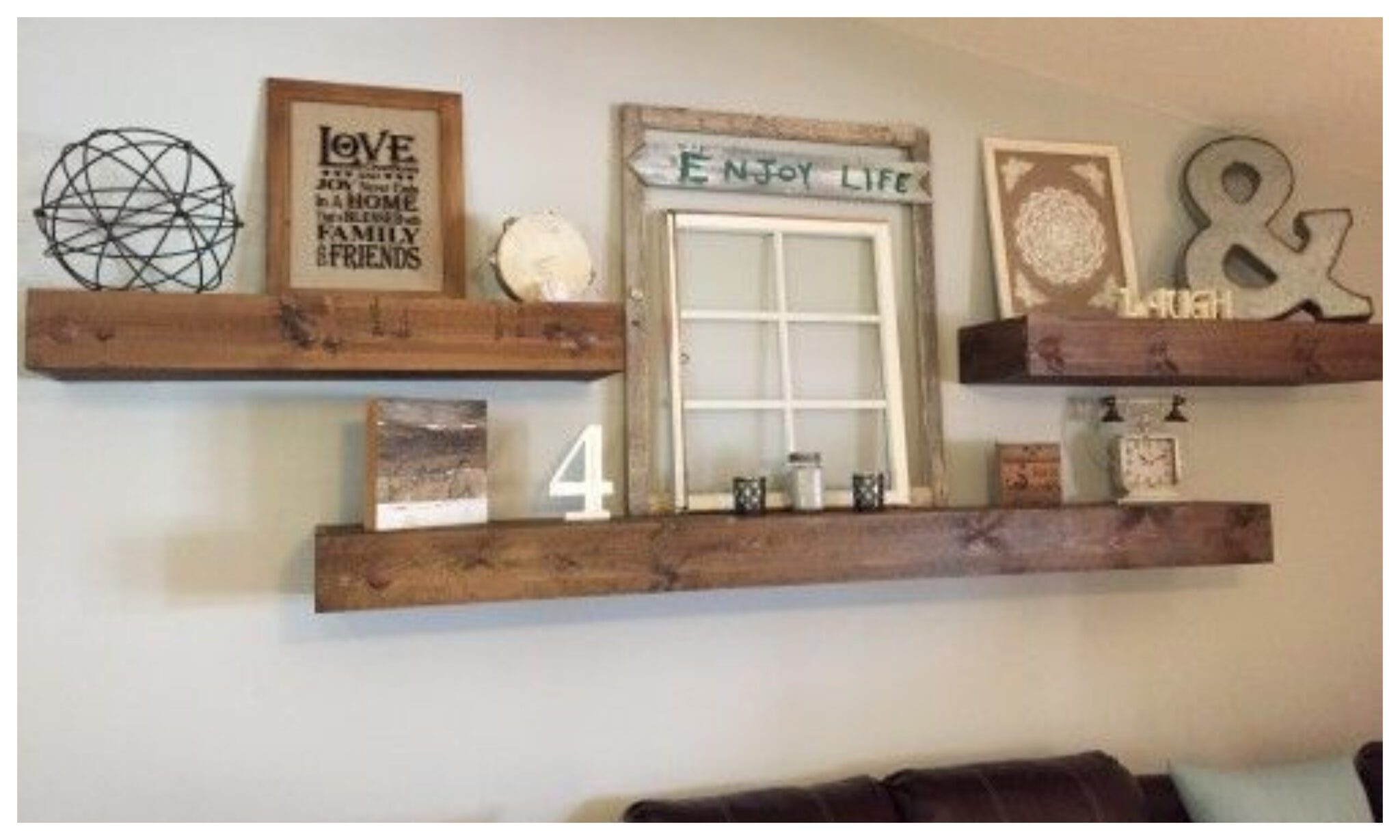
If you’re looking for a way to spruce up your home décor, you may want to consider investing in some floating shelves. This trendy, minimalist style can add a touch of elegance to any room without being overpowering. Plus, they’re functional as well – perfect for displaying your favourite books, trinkets, or pictures. Whether you’re a seasoned decorator or just starting out, floating shelves are a great way to add extra storage to your home.
They are also a versatile storage solution that can be used in any room in your home. You can use them to create additional space for displaying collectibles or organizing items within easy reach. Floating shelves are easy to install and can be customized to fit your specific needs.
With a little bit of planning, you can create a stylish and functional storage solution that will help you maximize your space. This will provide you with additional space where you can put collectibles on display or organize things within easy reach.
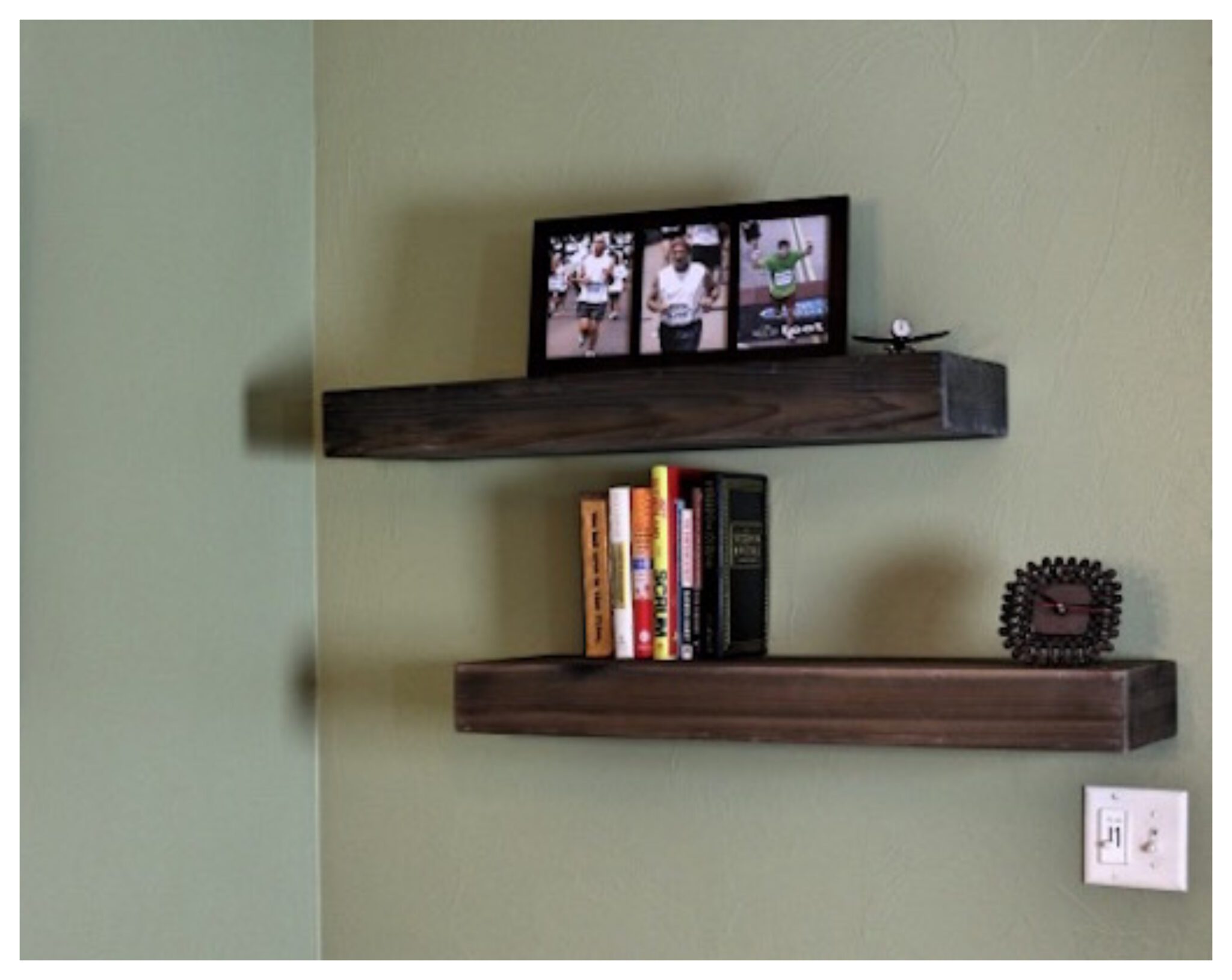
You’ll be surprised to know that it can very well be an easy project, depending on your carpentry skills.
Yes, you read that right. You can build your own floating shelves; it’s no rocket science. Just imagine the amount of money you’ll save when you do it by yourself instead of having someone else do it for you.
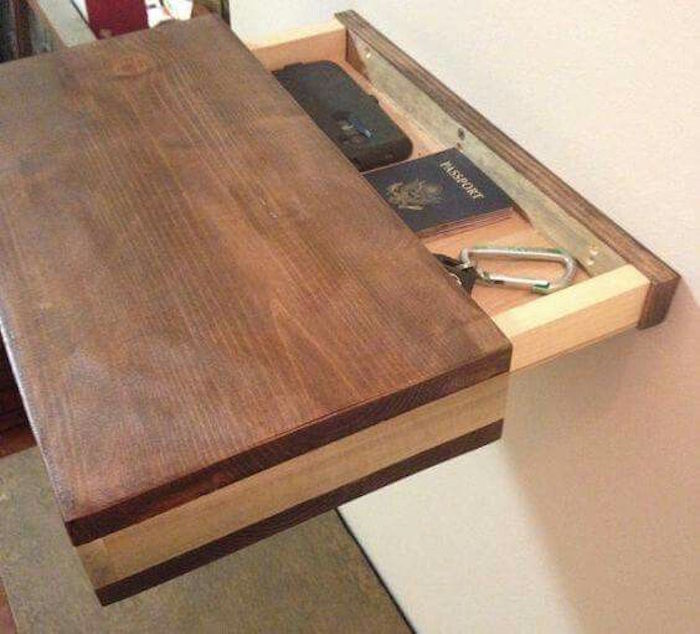
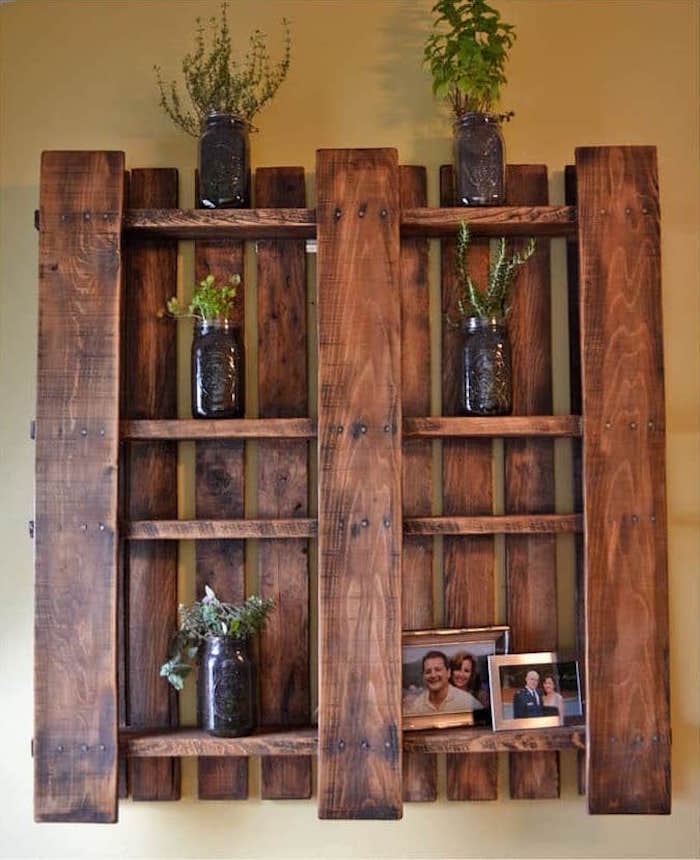
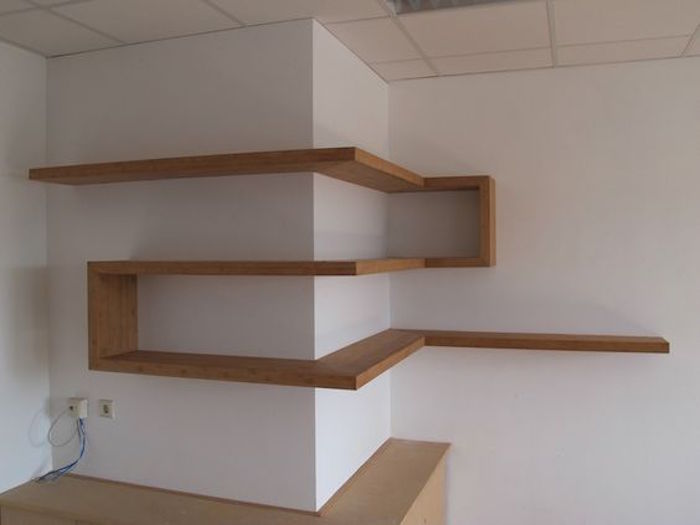
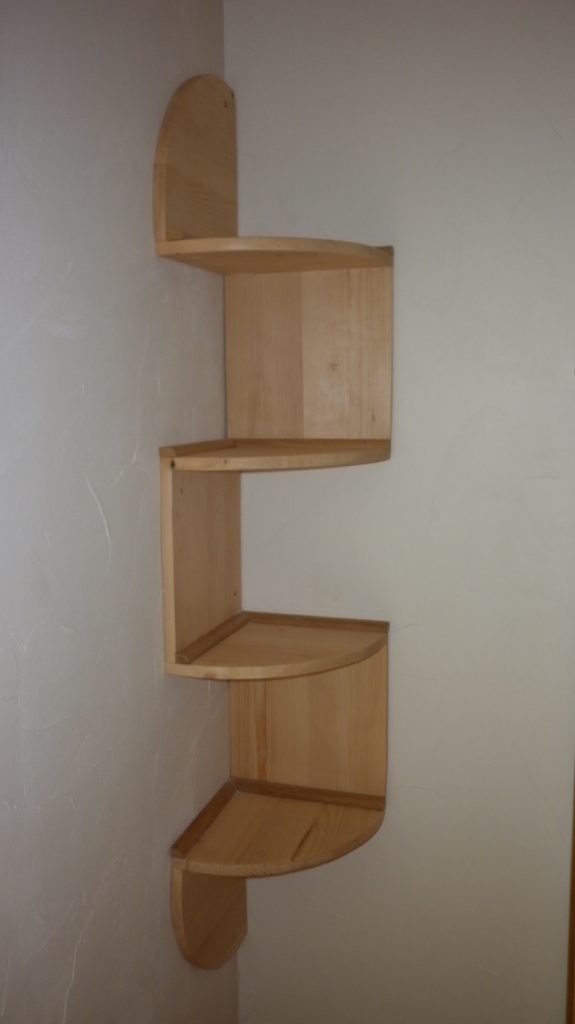
If you’re looking for more design inspiration for your floating shelves, our gallery below has a lot of different looks to choose from. Whether you want a sleek and modern look or something more traditional, we’ve got you covered. So take a browse and get inspired!
Are you intimidated by the thought of a floating shelf project? Don’t be.
Building DIY Floating Shelves
You’ll need these materials:
- Lumber for the frame support and shelf
- 1 – 2×4
- 3 – cedar pickets
- Steel wool and vinegar solution/stain
- Water-based polyurethane spray
- 3” Wood Screws
- 1 ¼” Nails
- Gorilla wood glue
And these tools:
- Circular saw
- Table saw
- Drill
- Kreg jig
- Nail gun
- Clamps
- Tape measure
- Straight edge
- Pencil
- Eye and ear protection
- Stud Finder
- Level
- Nailer
Steps:
- Plan the shelf size. A single cedar picket is about 5.5 inches wide, so pick a shelf depth up to that to avoid glue-ups. Choose length to hit at least two studs.
- Mark your cut list. Top skin equals shelf length. Bottom skin equals shelf length. Front face equals shelf length with a width that matches shelf thickness.
- Rip the 2×4 lengthwise into two equal strips. You’ll get two pieces about 1.5 by 1.75 inches. One becomes the back rail. The other becomes the hanger arms.
- Cut the back rail to the exact shelf length. Keep ends square for a tight fit to the wall. Lightly sand edges.
- Cut hanger arms from the second strip. Make each arm the shelf depth minus the back rail thickness and skin thickness. Space arms every 8 to 10 inches.
- Drill pocket holes in each arm with the Kreg jig. Two pocket holes per arm is plenty. Put the holes on the underside so they’ll disappear inside the shelf.
- Assemble the ladder support. Clamp each arm square to the back rail. Add glue, then drive pocket screws to lock the arms. Check for a flat plane across the arm tips.
- Locate studs with the stud finder. Mark centers with a pencil line. Transfer those marks onto the back rail.
- Pre-drill the back rail for 3″ screws at each stud mark. Countersink slightly for a flush finish. Dry fit the ladder to confirm it sits level.
- Mount the ladder support. Hold it to the wall on your level line. Drive 3″ screws into studs. Recheck level and tweak as needed.
- Cut the cedar skins. Use the table saw to rip top and bottom pieces to your chosen depth. Cut the front face to match the shelf length and desired thickness.
- Dry fit the box around the ladder. The top and bottom should sit flat on the arm tips. The front face should meet the skins cleanly without gaps. Trim if needed.
- Glue and pin the bottom skin first. Run a thin glue bead on each arm and along the back rail’s bottom edge. Press the bottom skin on and tack with 1¼” nails into the arms.
- Glue and pin the top skin. Add glue to arm tops and the back rail edge. Lay the top skin on. Nail into each arm. Keep nails straight to avoid blowouts.
- Attach the front face. Spread glue on the shelf front edges. Press the face board on and clamp. Pin along the top and bottom edges into the skins for a clean line.
- Fill nail holes if you want a smoother look. Sand lightly with the grain. Break sharp corners for a hand-finished feel.
- Apply the steel wool and vinegar stain. Wipe on a test piece first to see the tone. Coat visible faces evenly. Let it react and dry fully.
- Seal with water-based polyurethane spray. Use light coats. Scuff with fine grit between coats for a durable finish. Two to three coats protect daily use.
- Final check. Load test with a few books before styling. If you see sag or rack, add a hidden screw through the top into an arm and touch up the finish.
- Style and maintain. Keep heavier items near studs. Wipe spills quickly so the finish stays clear. Your diy floating shelves are ready.
Stud-Finding and Anchor Choices
Anchoring decides if your shelf feels rock-solid or sketchy. Map the wall first, then match fasteners to substrate. The right combo prevents sag, spin, and tear-out on diy floating shelves.
Reading the Wall
Scan with a stud finder, then confirm with a tiny pilot hole so you hit stud center, not the edge. Mark vertical centerlines in pencil across the install height. Note outlets, switches, and corner bead that can spoof sensors. On plaster or lath, switch to deep-scan and use rare earth magnets to trace nail lines. Finish with a blue tape layout so every screw lands precisely.
Anchors by Substrate
Stud-backed drywall wants 3 inch wood screws into the stud center. Drywall-only zones need structural toggles rated above your expected load. Choose metal toggles for heavy spans and high-shear items. Masonry accepts sleeve anchors or Tapcons in dust-free holes. Avoid soft mortar unless bricks are fragile. For metal studs, use fine-thread self-drilling anchors and spread the load with more fasteners along a longer back rail.
Fastener Placement and Torque
Pre-drill the back rail at stud marks, countersink lightly, and drive screws snug, not crushed. Keep edge distances consistent to prevent splitting. Hit at least two studs on short shelves and three on longer runs. When using toggles, snug until the plate bites, then stop. Over-torque spins the toggle and ruins the hole. Re-check level after every fastener so small errors don’t compound.
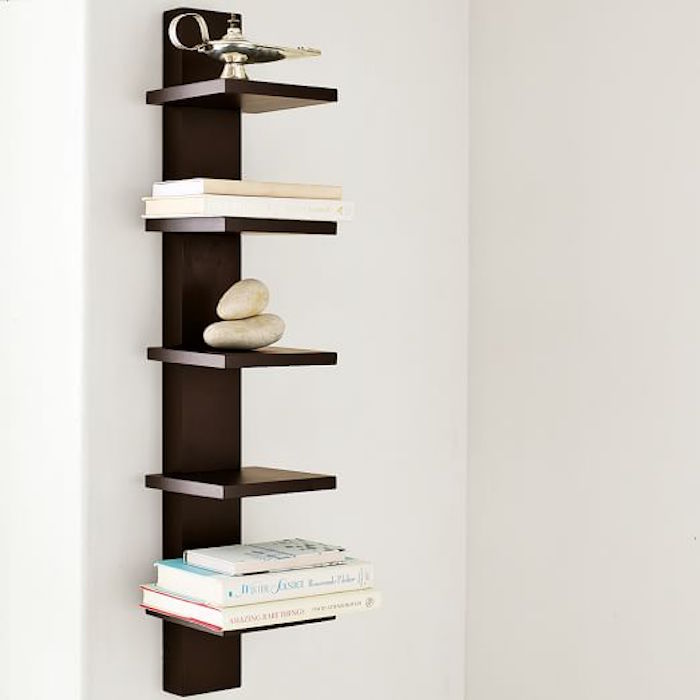
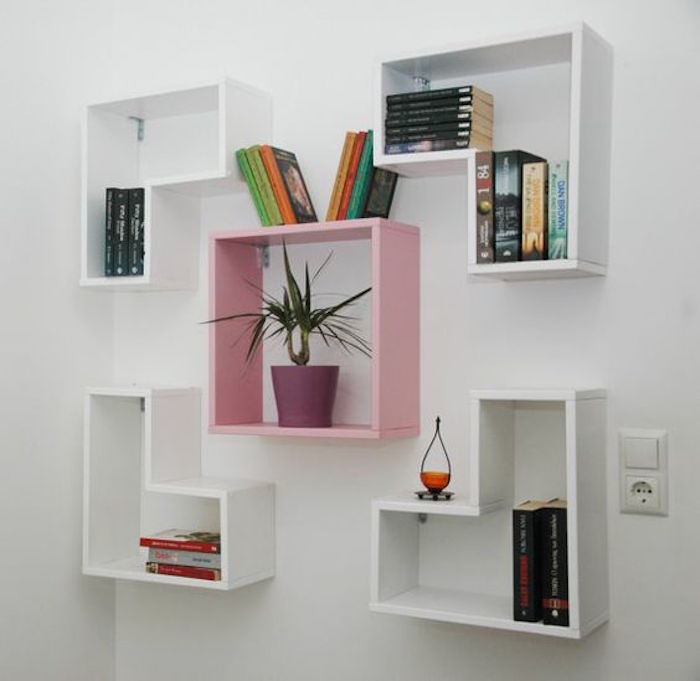
DIY Floating Shelves Gallery
Click on any image to start the lightbox display. Use your Esc key to close the lightbox.
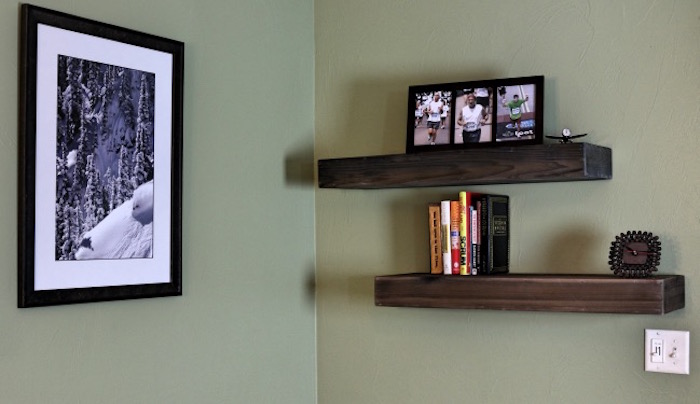

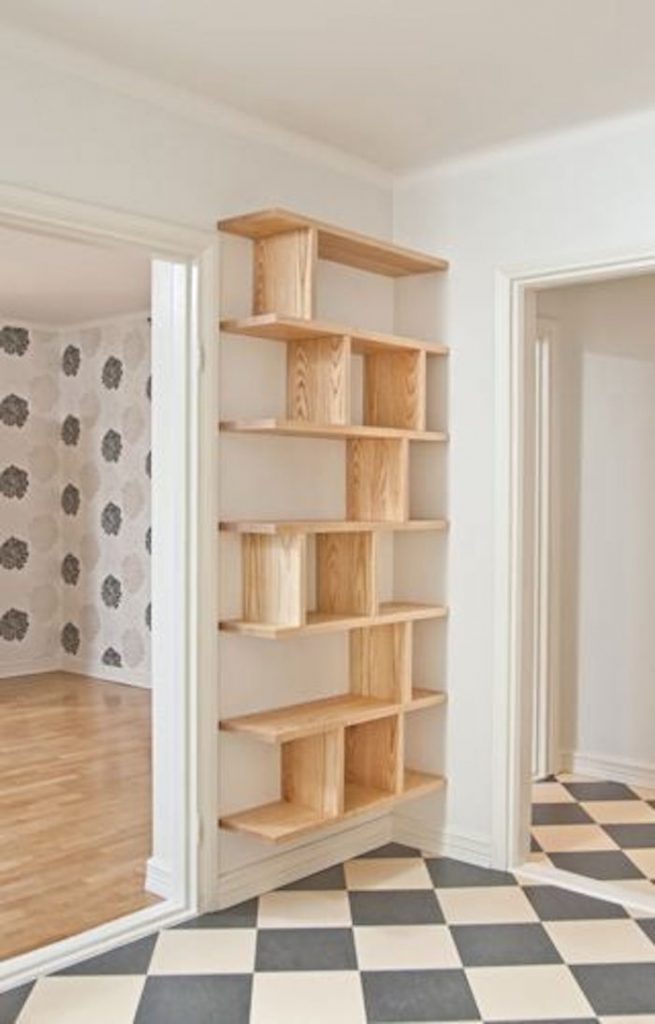
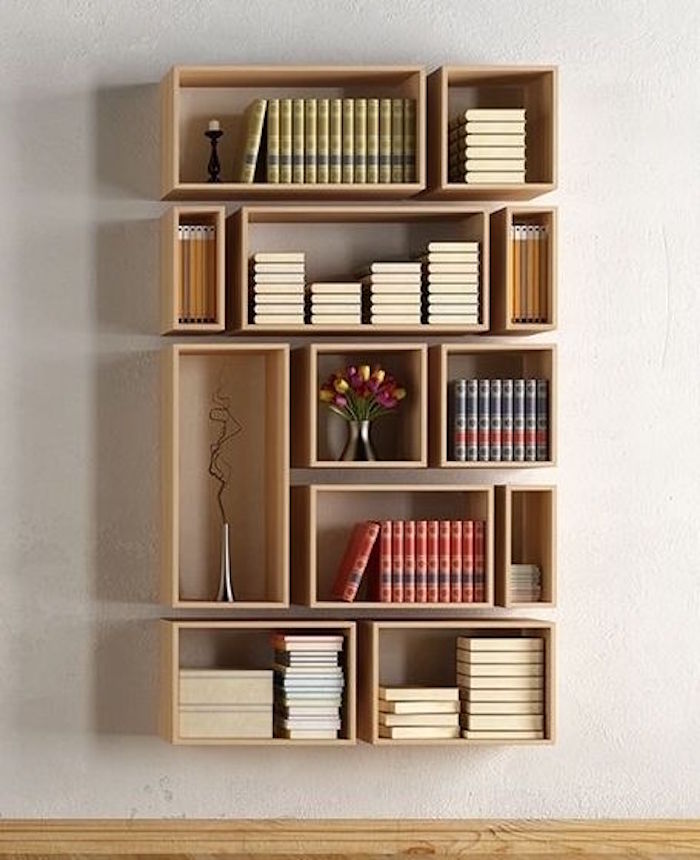
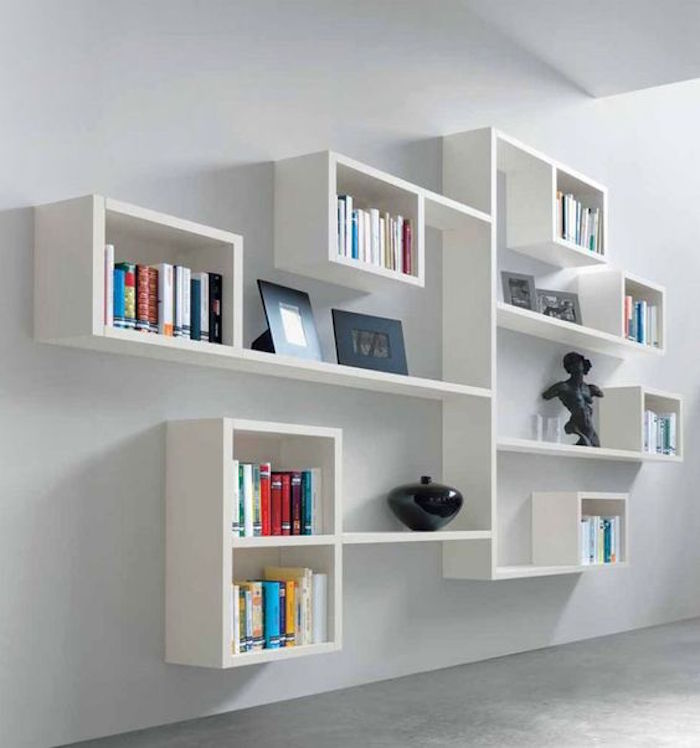
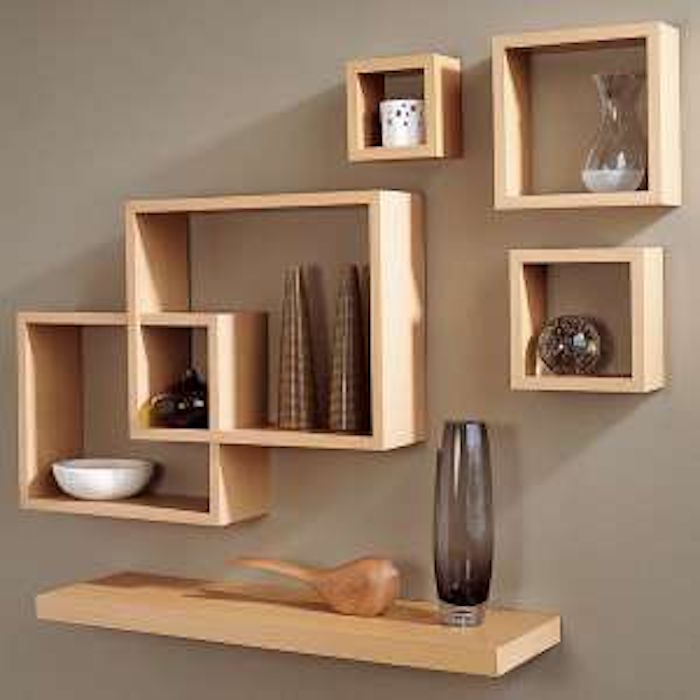
Weight Limits and Span Calculations Made Simple
Capacity depends on span, depth, thickness, and attachment. Use conservative numbers so shelves stay rigid. Plan load before styling. A simple checklist keeps diy floating shelves safe without complex math.
Quick Rules You Can Trust
Design for 15 to 20 pounds per linear foot when your back rail hits three studs with 3 inch screws. Keep depth to 5.5 to 7.25 inches with cedar skins over a 2×4 ladder. Shorter spans boost capacity quickly. If you want deeper shelves, increase thickness, add arms, or switch to steel rod reinforcement near the front edge to resist sag. Avoid spans over 36 inches without reinforcement in cedar builds.
Spacing, Testing, and Safety Margin
Space arms 8 to 10 inches apart so skins don’t dish between supports. Extend arms to within about ¾ inch of the front face. Glue plus nails on both skins increases stiffness. After mounting, load-test with books or water jugs and watch the front lip. Any movement suggests more arms, a shorter span, or a hidden screw through the top skin into an arm. Record your safe load on painter’s tape under the shelf.
Conclusion
Building DIY floating shelves rewards careful planning, accurate stud mapping, and clean joinery. Choose anchors that match your wall and the loads you expect. Keep spans conservative, test progressively, and document a safe weight limit before styling. Finish smart with consistent stain and a durable topcoat so daily use doesn’t show. Step back, balance function with decor, and enjoy shelves that look seamless and feel solid.
We have more unique ways to store your books and other decorations. Check out our DIY diagonal bookshelf next!
FAQ: Floating Shelf
- How Much Weight Can a Floating Shelf Hold?
- Most hidden-bracket shelves handle 45–90 lb across a 24–32 in span when the rods land in two studs and the bracket is rated for it. Use a 2x safety margin and place heavy items near the supports. Deeper shelves need stronger brackets and shorter spans.
- Can You Install on Drywall, Tile, or Brick Without Studs?
- Drywall can work with 1/4 in toggle bolts, but derate to 25–35 lb per toggle for real use. On tile, drill with a diamond bit and use sleeve anchors, aiming for grout lines when possible. In brick, set 5/16 in sleeve or wedge anchors in the brick face, not mortar.
- What Finishes Last in Kitchens and Baths?
- Use waterborne polyurethane or hardwax oil with low VOC for durability and easy touch-ups. Seal every face, edge, and screw hole to block moisture. Add a thin bead of paintable silicone at the wall joint to stop steam wicking.
- How Do You Prevent Sagging on Long Runs?
- Limit bracket spacing to 16 in for book loads or 24 in for light decor. Stiffen MDF with a 1×2 hardwood edge or embed steel rods or angle iron in the underside. Acclimate lumber 48 hours and target 6–8% moisture to reduce creep.
- Can You Add Lighting and Hidden Cable Routes?
- Yes. Rout a 3/8 in underside channel and snap in an aluminum LED profile for cooling and diffusion. Drill a concealed chase at the back for low-voltage wires and hide the driver near a stud. Leave 10–15% power headroom for longer runs.