
Last Updated on November 3, 2026 by teamobn
Termites and other pests rarely make it onto a build budget, yet in Central Texas they can quietly undo months of careful framing, finish carpentry and cabinet work. Whether you are pouring a new slab, gutting a 1970s ranch house or turning a shed into a quiet workspace, the cheapest pest problem is the one you design out before it starts.
Central Texas combines expansive clay soils, long humid summers and plenty of wood-loving insects, which makes prevention part of the job rather than an afterthought. Conditions vary from one county to the next, so local knowledge matters. For example, the area around New Braunfels sits on the edge of the Hill Country, where limestone ridges meet heavier prairie soils, and builders there can deal with termites, fire ants and scorpions in the same season. If you are building or renovating in that area, it is worth talking with a professional local pest exterminator before the foundation goes in, because soil treatment and termite barriers are far easier to install on an open site than under a finished floor. Treat that conversation like a call to your plumber or electrician, something you schedule early so it fits the sequence instead of fighting it.
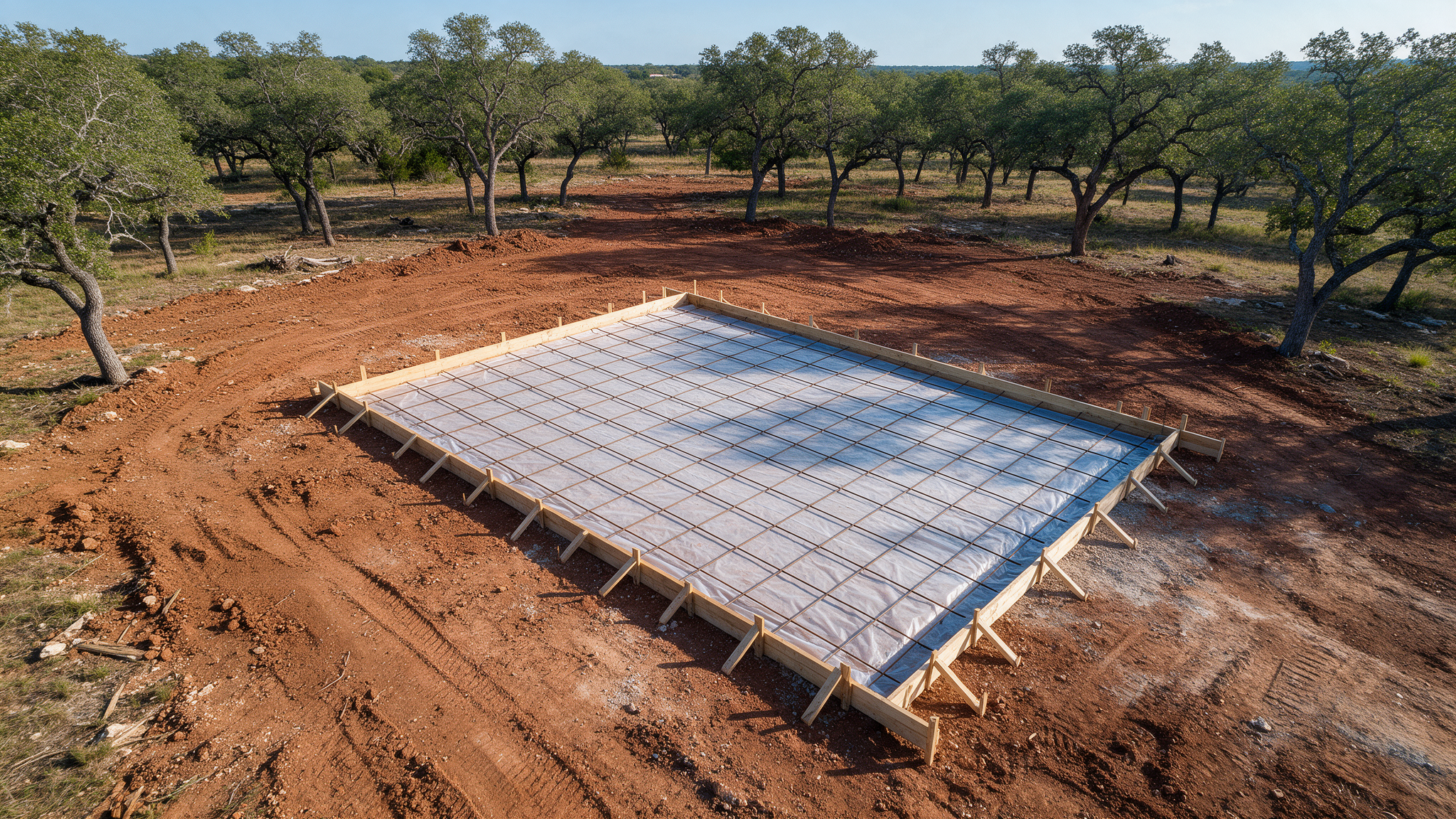
Why the build plan is the best pest plan
Most owner-builders think about pests only after they see one, and by then the damage is usually hidden inside a wall. Subterranean termites, the main threat in this part of Texas, travel through soil and mud tubes, so they reach your framing from below and out of sight. Planning for them at the drawing stage costs a few hours and a few materials, while repairing chewed sill plates later can mean pulling drywall, trim and flooring.
Timing matters too. In May 2025, a KTRE news report noted that termite swarmers leave their nests from March to May looking for new sites, and that termites cause billions of dollars in damage every year by EPA estimates. If your project runs through spring, your open framing is exactly the kind of fresh territory those swarmers are hunting for.
Termite fact What recent reporting shows Main swarm window Reproductive termites (swarmers) leave nests from March to May to start new colonies Species behind spring swarms Eastern subterranean termites, a species native to Texas Yearly structural damage Billions of dollars, according to the EPA Indoor vs. outdoor swarms Outdoor swarmers are not a concern, but swarmers inside the home are a big concern, per a Texas A&M AgriLife Extension county agent What causes the damage Hidden worker termites eat cellulose and chew through structural wood, while swarmers are only the warning sign
Designing out pests at the foundation
Start with the soil. Clear stumps, roots, scrap lumber and form boards from the building pad, because buried wood is a buffet that draws colonies right to your slab. Keep grade sloping away from the foundation and plan gutters and downspouts that discharge well clear of the perimeter.
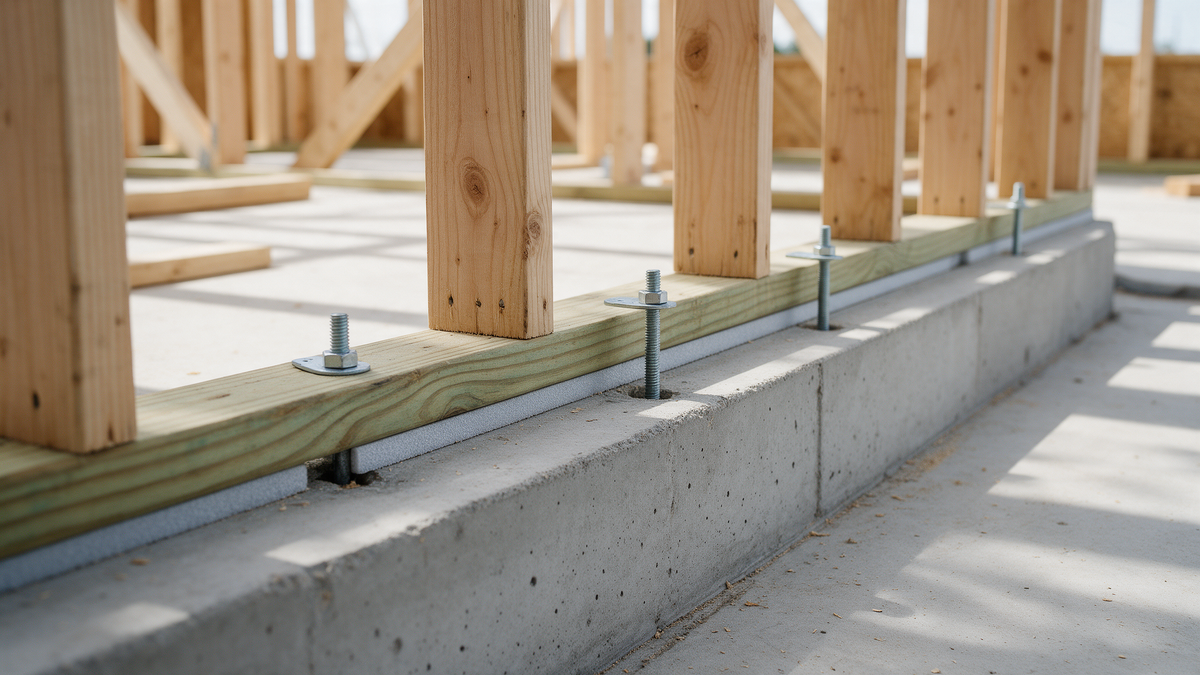
Next, separate wood from earth. Leave a clear gap between soil and any siding, trim or framing, and use pressure-treated lumber for sill plates and anything near grade. Avoid stacking firewood, pallets or leftover studs against the house during the build, since that pile becomes a bridge the moment you stop looking.
Moisture is the third piece. Termites, roaches and ants all love damp crawlspaces, leaky hose bibs and condensate lines that drip onto the slab edge. Route AC condensate away from the foundation, vent or encapsulate crawlspaces, and fix plumbing leaks before you close the walls.
Finally, seal the gaps. Pipe and conduit penetrations, weep holes, garage door seals and attic vents are all highways for mice, wasps and scorpions. Use copper mesh, hardware cloth and quality sealant as you go, because these openings disappear once insulation and drywall are up.
Choosing materials that hold up to termites
Material choices made at the lumber yard do as much as any chemical treatment. Pressure-treated lumber rated for ground contact belongs anywhere wood sits close to soil or concrete, including sill plates, porch posts and the lower framing of a deck. Borate-treated framing is another option worth pricing. The borate is applied before the wood is installed, it deters termites and wood-decay fungi, and it has low toxicity to people and pets. It can leach out of wood that stays wet, so it works best inside the building envelope.
Fiber cement and steel can replace wood in the places termites reach first. Fiber cement siding and trim do not feed termites, and steel studs are worth considering for a garage or workshop wall that sits against a planter bed. Stainless steel termite mesh can also be fitted around plumbing penetrations and slab edges during construction, and it keeps working without reapplication. Whatever you choose, record it in your build file, because a future buyer, inspector or pest technician will want to know what is in the walls.
Other Central Texas pests to plan for
Termites get most of the attention, but they are not the only pest that shows up on a Central Texas job site. Red imported fire ants build mounds in freshly graded soil, often within weeks of the dirt work, and they will move into electrical boxes, AC units and wall cavities if given the chance. Treat mounds on the site before crews start working near them, and check utility boxes after the trenches are backfilled.
Scorpions are common across the region, especially in rocky ground and around limestone. They hide in stacked materials, so store lumber and pavers on racks off the ground and away from the house. Tight door sweeps and sealed weep holes do more to keep them out than a spray. Rodents, including roof rats, look for gaps at rooflines, soffits and vents, and a mouse can squeeze through an opening about the width of a pencil. Carpenter ants and wood-boring beetles go after wood that is already damp, which is one more reason to fix leaks and drainage problems early.
Seasonal routines that keep a house clean
Once the house is livable, prevention becomes a habit rather than a project. In late winter, walk the perimeter with a flashlight and look for pencil-width mud tubes on the slab edge, piers or foundation walls. Check that mulch stays a few inches below siding and that sprinklers are not soaking the foundation every morning.
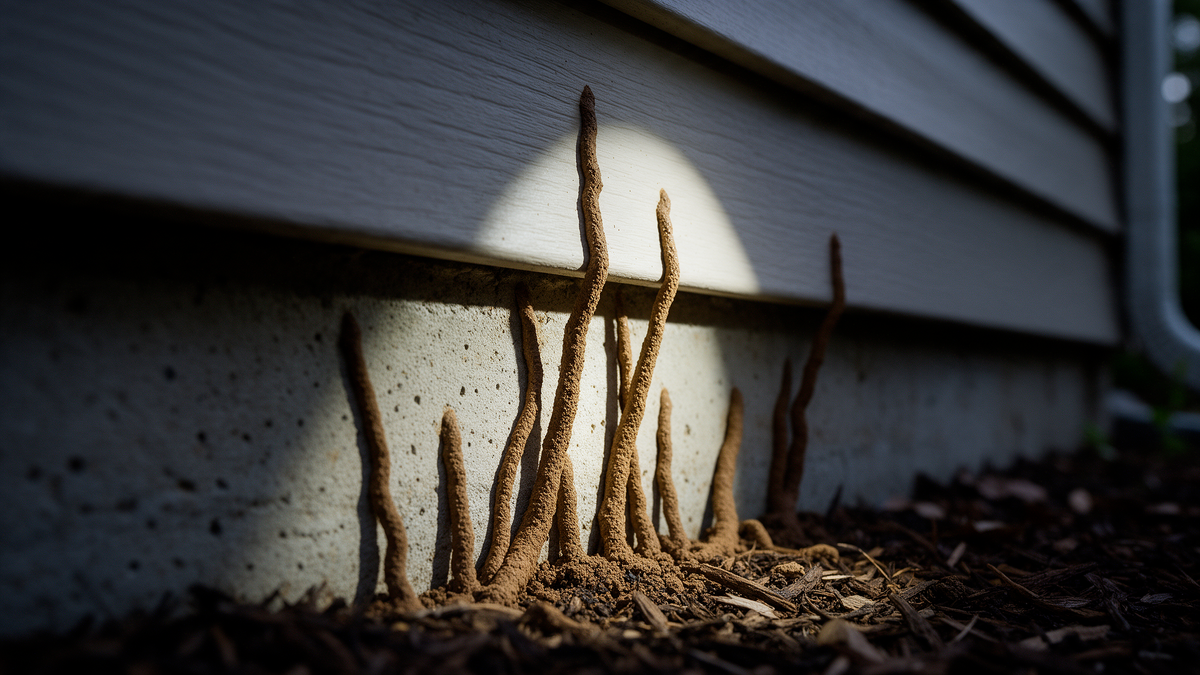
Spring is swarm season, so keep an eye on windowsills and light fixtures for discarded wings. Summer brings ants and roaches seeking water, which makes it the right time to inspect under sinks and behind the fridge. In fall, trim branches back from the roofline and re-seal any gaps before rodents come looking for warmth.
Fixer-upper owners should add one more step. Older homes hide old damage, and some of it shows up only with the right tools, as covered in our piece on buying a fixer and using thermal imaging to find moisture behind walls. Wet spots on a scan often point straight to the areas termites and carpenter ants favor, so map them before you start demolition.
When a swarm means calling a local pro
Good habits cut risk dramatically, but they are not a guarantee. If you find swarmers indoors, that is a strong sign a colony is already feeding inside the structure, not just passing through the yard. The same goes for hollow-sounding trim, bubbling paint, doors that suddenly stick or mud tubes reappearing after you knock them down.
This is where DIY instincts should take a back seat. Store-bought sprays may kill visible insects while the workers keep chewing out of reach, and liquid soil treatments or bait systems need proper equipment and placement. A licensed local technician can confirm the species, find the entry point and recommend a treatment that matches your foundation type.
What to ask before you hire a pest control company
When you do need outside help, a few questions make it easier to compare companies. Ask whether the technician is licensed with the Texas Department of Agriculture, which regulates structural pest control in the state, and whether the company carries liability insurance. Ask what product or system they recommend for your foundation type and why, whether they use liquid soil treatment, baits or both, and how long the treatment is expected to last.
It also helps to ask about warranties and follow-up visits. Many termite plans include an annual inspection and retreatment if activity returns, but the terms differ, so get the details in writing. Finally, share what you know about the house, including moisture problems, past damage and the materials you used during the build. A technician who understands how the house was built can target its weak points instead of treating every house the same way.
Think of professional help as the backup to everything you built in from the start. The pad you cleared, the gaps you sealed and the drainage you planned all make any treatment work better and last longer. Get those basics right, and calling in a pro becomes a rare check-up rather than an emergency rescue.
Frequently Asked Questions
1. What are the main signs of a termite problem in a Central Texas home?
Common warning signs include mud tubes along foundations or walls, discarded wings near windows and light fixtures, hollow-sounding timber, bubbling or damaged paint, and doors or windows that suddenly become difficult to open. Finding termite swarmers inside the house is particularly important and warrants further investigation.
2. When is termite swarm season in Central Texas?
Termite swarming commonly occurs during spring, particularly from March through May. Swarmers are reproductive termites searching for places to establish new colonies. Outdoor swarmers do not necessarily mean your house is infested, but swarmers appearing indoors can indicate an existing termite problem.
3. How can termites be prevented when building a new home?
Prevention should begin before the foundation is poured. Remove buried timber and construction debris, provide good drainage around the foundation, keep framing and siding separated from soil, manage moisture and consider termite barriers or soil treatments. These measures are generally much easier to incorporate during construction than after the house is completed.
4. What building materials can help reduce termite risk?
Pressure-treated timber is useful where wood will be close to soil or concrete, while borate-treated framing can provide additional protection inside the building envelope. Fiber-cement products and steel framing provide alternatives in vulnerable areas because they do not provide termites with a food source. Physical termite barriers, including stainless-steel mesh, can also be incorporated during construction.
5. When should I call a pest control professional about termites?
A professional inspection is advisable if you discover indoor swarmers, recurring mud tubes, suspicious timber damage, hollow-sounding trim or other signs of hidden activity. Surface sprays may kill termites you can see without dealing with a colony hidden within the soil or structure. A licensed pest professional can identify the termite species, investigate the source and recommend an appropriate treatment.