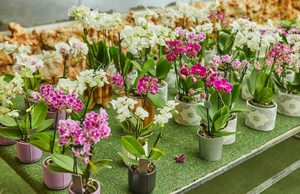
Potted orchids can bring colour, character and a refined natural touch to almost any indoor setting. Their distinctive blooms and attractive foliage make them popular for homes, workplaces and other interior environments. While orchids are sometimes considered demanding plants, they can be surprisingly manageable when their basic needs are understood.
Among the many varieties available, Phalaenopsis orchids are particularly suitable for indoor growing. Their elegant flowers can last for an extended period, and their relatively compact size makes them practical for tables, shelves, desks and windowsills. With the right environment and consistent care, an orchid can remain an attractive part of an indoor space for a long time.
Why Choose Potted Orchids for Indoor Spaces?
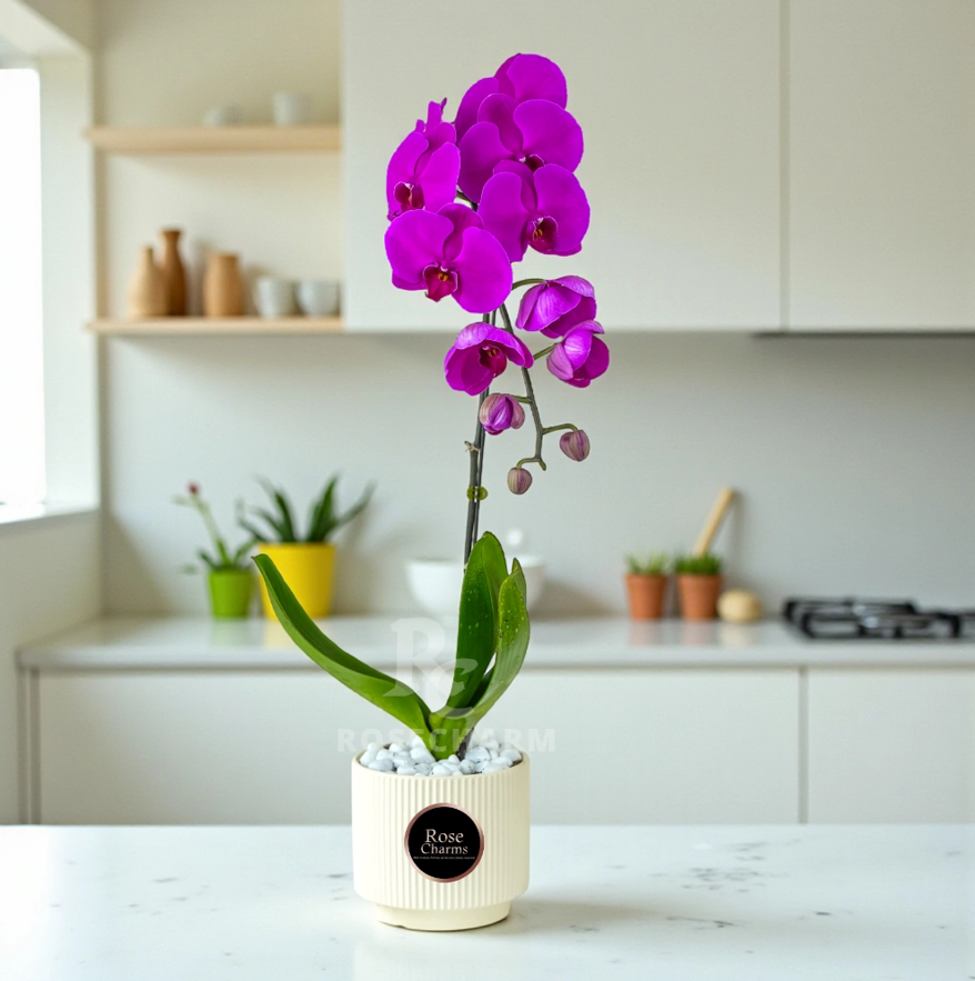
One of the biggest advantages of orchids is that they can create a noticeable decorative feature without taking up much room. A single flowering orchid can add colour to a plain desk, brighten a living room or provide an attractive focal point in an office.
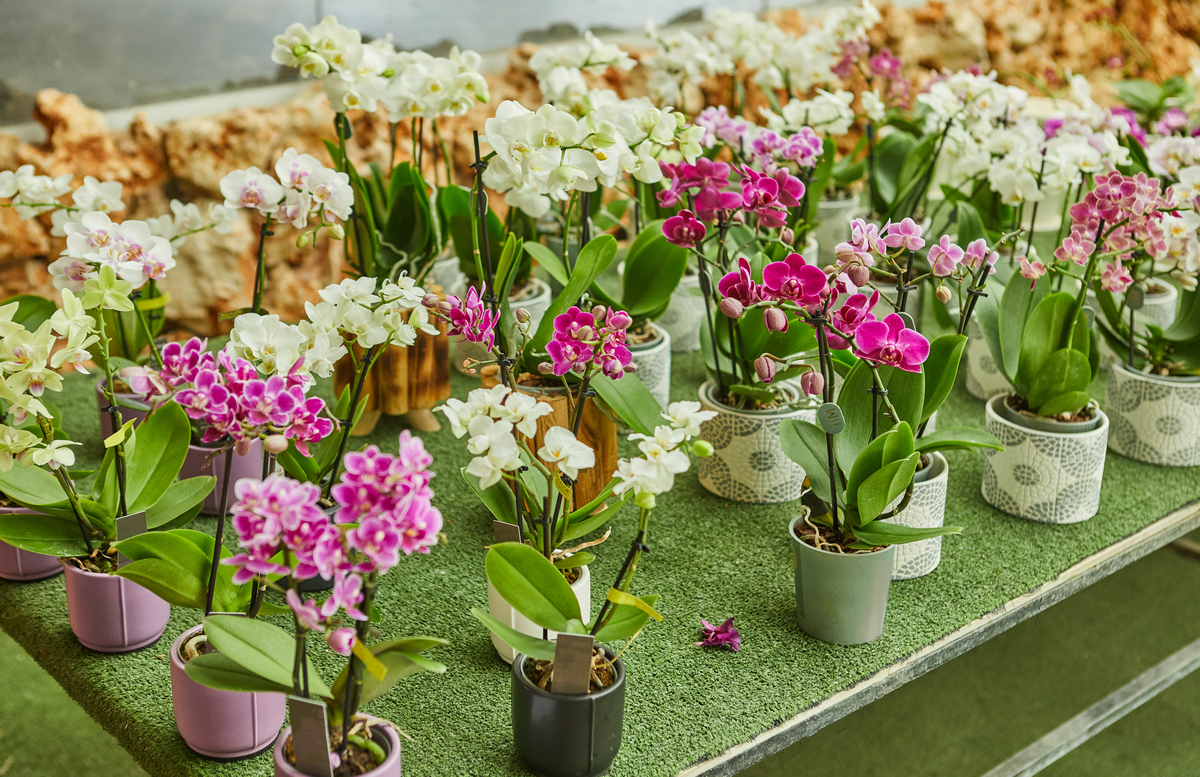
Orchids are also available in numerous flower colours and patterns. Depending on the variety, blooms may feature white, pink, purple, yellow or deeper shades. This makes it relatively easy to find an orchid that complements existing furniture and interior decoration.
For people who prefer plants that combine flowers with an elegant appearance, potted orchids offer an appealing alternative to larger foliage-based houseplants. Their upright stems and carefully arranged blooms can create a sophisticated look without extensive decoration.
Understanding Orchid Light Requirements
Light plays an important role in keeping an orchid healthy. Most indoor orchids, particularly Phalaenopsis varieties, prefer bright but indirect light. A location near a window can work well, provided the plant is protected from strong direct sunlight for long periods.
Too little light can affect the plant’s ability to grow and flower, while intense sunlight can scorch the leaves. Therefore, finding a balanced location is essential. A room with plenty of filtered natural light is often suitable.
Artificial lighting can also be useful when natural daylight is limited. However, plants should not automatically be placed directly beneath a very strong light source. The amount and intensity of light should be appropriate for the plant and its surroundings.
Before buying an orchid, consider where it will be placed. Choosing a plant based on the available light can make ongoing care considerably easier.
Q: What can an orchid’s leaf colour reveal?
A: Phalaenopsis leaves are usually firm and medium green. Very dark green leaves may indicate insufficient light, while yellowing can result from excessive light, overwatering, natural ageing or root stress. Consider the plant’s location, moisture level and root condition together rather than diagnosing a problem from colour alone.
How to Water Potted Orchids
Watering is one of the most important parts of orchid care. Unlike some ordinary houseplants, orchids generally do not appreciate being kept constantly wet. Their roots need access to both moisture and air, so excessive watering can create unhealthy conditions.
The exact watering schedule depends on factors such as temperature, humidity, potting material and light exposure. Instead of following a rigid timetable, it is useful to observe the condition of the growing medium and the plant itself.
Self-watering containers can make maintenance more convenient by helping provide a consistent supply of moisture. Traditional pots can also work well when watering is carried out carefully and excess water is not allowed to remain around the roots.
The main objective is to provide enough moisture without creating permanently saturated conditions. Developing a consistent watering routine can help prevent many common orchid problems.
Temperature and Humidity Matter
Indoor orchids generally prefer warm and relatively stable surroundings. Sudden changes in temperature can place unnecessary stress on the plant, particularly when it is exposed to cold drafts or strong heat.
Avoid positioning an orchid directly beside a radiator, heater, air-conditioning outlet or frequently opened exterior door. These locations can create rapid changes in temperature and humidity.
Humidity is another consideration. Orchids naturally grow in environments where moisture in the air is often higher than in a typical heated indoor room. If the air is particularly dry, increasing humidity around the plant can be beneficial.
However, humidity should not come at the expense of air circulation. A healthy balance between moisture and airflow helps create a more suitable environment for indoor orchids.
Q: How can I increase humidity around an indoor orchid?
A: Grouping plants together or operating a room humidifier can increase local humidity. A shallow tray containing pebbles and water may also help, provided the base of the orchid pot remains above the water. Maintain gentle airflow and avoid leaving water standing on leaves or in the centre of the plant.
What Happens After the Flowers Fall?
New orchid owners may worry when flowers begin to fade and drop. In many cases, this is a normal part of the plant’s natural growth cycle rather than an indication that something is wrong.
Orchid flowers eventually reach the end of their blooming period. Once this happens, the plant may enter a resting stage before producing another flowering cycle. The length of this period can vary depending on the plant and its growing conditions.
After flowering has finished, continue providing suitable light, water and general care. The flower stem can be trimmed according to its condition and the desired approach to future growth.
It is important to be patient. An orchid may spend considerable time developing roots and leaves before producing another set of flowers.
Q: When should a potted orchid be repotted?
A: Repotting may be needed when the growing medium has broken down, drainage has deteriorated, roots are crowded or unhealthy, or the plant has become unstable in its container. It is often easier to repot after flowering, using a clean pot and a fresh orchid-growing medium that provides both drainage and airflow.
Maintaining Healthy Leaves and Flowers
Regular observation is one of the simplest ways to maintain a healthy orchid. Check the leaves periodically for changes in colour, texture or firmness. Healthy foliage can provide useful clues about whether the plant is receiving suitable growing conditions.
Dust can also accumulate on broad orchid leaves. Gently wiping the foliage with a clean, slightly damp cloth can help keep the plant looking fresh. Avoid using harsh household cleaning products on the leaves.
Dead or damaged plant material can be removed with clean tools when necessary. Keeping the surrounding area tidy can also reduce the chance of problems developing.
If an orchid has recently been moved to a new environment, it may take some time to adjust. A small amount of flower loss can occur as the plant adapts to changes in light, temperature and humidity.
Q: What should I do if I notice pests on my orchid?
A: Move the orchid away from other plants and inspect the leaves, stems, flowers and pot closely. Common indoor orchid pests may appear as sticky residue, fine webbing, small bumps or cotton-like clusters. Remove affected material where appropriate, clean the surrounding area and use a treatment suitable for orchids, following its label directions carefully.
Choosing the Right Potted Orchid
Selecting the right orchid involves more than simply choosing the flower colour you like most. Consider the amount of natural light available, the size of the space, the type of container and the level of maintenance you are comfortable providing.
For busy plant owners, a container designed to simplify watering may be convenient. Others may prefer a traditional pot that allows them to manage moisture more directly.
The available space should also influence the choice. Smaller orchids can work well on desks and shelves, while larger specimens may be better suited to spacious rooms.
Ultimately, successful orchid care comes down to matching the plant with its environment. With suitable lighting, careful watering, stable temperatures and regular observation, potted orchids can remain attractive indoor plants and provide beautiful blooms through many growing cycles.