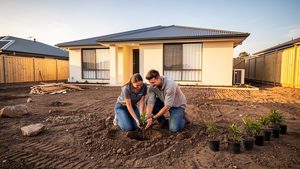
If you’re the kind of person who has spent a weekend building a deck, re-grading a slope, or leveling a shed pad, you already understand that a home is a living system, not a finished product.
The lawn surrounding all that hard work is no different. It reacts to weather, soil, water, and the small creatures living underneath it, and for owner-builders who take pride in every square foot of their property, an insect infestation chewing through the grass can feel like a personal insult after all the sweat equity poured into the rest of the yard.

This checklist approaches lawn pest control the same way you’d approach any other DIY project on your property: inspect first, understand the system, then act with precision rather than guesswork.
Too many homeowners treat lawn care as an afterthought once the bigger construction and renovation projects are done, but the truth is that a damaged lawn undercuts the curb appeal and resale value of everything else you’ve built.
The good news is that lawn pest management doesn’t require constant chemical intervention. It requires observation, a bit of patience, and a willingness to follow a structured process, much like the frameworks you’d use for gardens or outdoor living spaces elsewhere on your property.
Step 1: Inspect Your Lawn and Identify Common Pests
Before you treat anything, you need to know what you’re actually dealing with, because misidentifying a pest wastes money and can damage a lawn further.
Start by walking your property in a grid pattern every couple of weeks during the growing season, paying attention to irregular brown patches, thinning turf, or areas that feel spongy underfoot. Grubs, the larval stage of beetles, chew through roots below the surface and often show up in late summer and fall, leaving turf that lifts up like a loose carpet.
Chinch bugs prefer hot, dry, sunny areas and cause yellowing that can be mistaken for drought stress, while armyworms and sod webworms feed at night and leave ragged, chewed leaf blades along with visible webbing near the soil line in the morning.
Homeowners in warmer, humid climates face a slightly different pest calendar than those farther north, and regional timing matters more than most people realize. As an example of how climate and seasonality shape pest pressure in a specific region, a quick guide to lawn pest control in West Palm beach breaks down how humidity, rainfall, and year-round growing seasons in South Florida create ongoing opportunities for chinch bugs, sod webworms, and mole crickets to establish themselves.
Understanding your local pest calendar is the foundation for every step that follows, because timing treatment to a pest’s life cycle is far more effective than reacting after the damage is already visible.
Step 2: Audit Your Lawn Care Habits
Once you know what you’re watching for, turn the inspection inward and evaluate your own maintenance routine, because most lawn pest problems trace back to cultural practices rather than bad luck.
Mowing too short stresses grass and exposes soil, making it easier for pests to establish themselves, so aim to keep most turf varieties between 2.5 and 4 inches depending on species.
Watering habits matter just as much: frequent shallow watering encourages shallow root systems and creates the moist surface conditions many pests prefer, while deep, infrequent watering of 1 to 1.5 inches per week promotes deeper roots and a lawn that’s naturally more resistant to stress and insect pressure.
Fertilization and thatch management round out this audit. Over-fertilizing with nitrogen produces lush, tender growth that certain pests find irresistible, so a balanced, soil-test-driven fertilization schedule is usually smarter than a heavy seasonal blitz.
Thatch, the layer of dead organic matter between soil and grass blades, is another factor worth checking with a simple soil plug: anything beyond half an inch starts to insulate pests from predators and weather, creating ideal hiding conditions for chinch bugs and sod webworms. If your thatch layer is thick, core aeration and periodic dethatching should move to the top of your maintenance list before any pesticide is even considered.
Step 3: Monitor and Set Action Thresholds
This is the step most homeowners skip, and it’s the one that saves the most money and the most turf. Instead of applying a pest control product on a fixed calendar schedule, commit to weekly scouting during active growing seasons and keep a simple log of what you find.
For grubs specifically, the generally accepted action threshold is around 10 grubs per square foot; below that number, the lawn’s own root system can typically outgrow the damage without any intervention at all. Cut a few small square-foot sections of turf in different areas of the yard, fold back the sod, and count what’s underneath before deciding whether treatment is warranted.
This threshold-based thinking matters because research from Cornell University has found that more than 70 percent of grub control treatments are applied in situations where no grubs were actually present, which means a huge share of pesticide use nationwide is essentially guesswork.

Setting your own thresholds, rather than reacting to a neighbor’s lawn service schedule or a product’s marketing calendar, turns pest control into a data-driven decision rather than a habitual expense.
Step 4: Apply Integrated Pest Management Treatment
Once monitoring confirms a pest population above the damage threshold, move through treatment options in order of intensity rather than jumping straight to the strongest product available.
- Cultural fixes come first: adjusting mowing height, correcting watering schedules, and reducing thatch often resolve moderate infestations on their own within a few weeks.
- Biological and mechanical controls come next, including beneficial nematodes for grub control or simply improving drainage in chronically wet areas that attract certain larvae.
- Chemical treatment should be reserved as the last step in the sequence, applied narrowly and only when cultural and biological options haven’t brought the population back under the threshold.
According to this article, most home lawns don’t actually need pesticide applications if proper cultural practices are maintained, and any pesticide use should be limited to situations where a pest has been positively identified, is present at damaging levels, and is caught in a life stage where treatment will actually be effective. That guidance lines up closely with the threshold approach outlined above, and it’s worth revisiting anytime a lawn care company or product recommends treatment without first asking you what you found during scouting.
Annual turf damage from Japanese beetle grubs $235 million nationwide (USDA estimate) Unnecessary grub treatments applied Over 70% applied without grubs present (Cornell University) Recommended watering depth 1 to 1.5 inches per week Grub action threshold 10 grubs per square foot Thatch risk threshold More than 0.5 inch invites chinch bugs and sod webworms
Wrapping it up…
Treating your lawn like any other DIY project on the property, one that rewards observation over impulse, will save money and produce healthier turf over the long run. The same patience that goes into planning a shed foundation or laying out planting beds pays off here, since a lawn that’s monitored and maintained correctly rarely needs aggressive intervention.
For homeowners looking to fold pest awareness into a broader outdoor maintenance routine, pairing this checklist with seasonal planning ideas for gardens can help keep the whole property, not just the lawn, working as one healthy system.