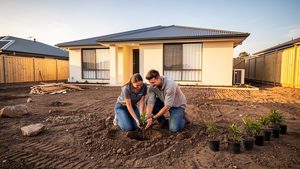
There’s an old saying: the best time to plant a tree was twenty years ago. The second best time is today. If you’re standing on a freshly finished block, soil stripped, topsoil compacted by machinery, every trace of native vegetation bulldozed to make way for the slab, see it as an opportunity, not as a problem!
If I’ve just described your new block of land, this might just be the most useful piece of gardening advice you’ll ever get.
The decisions you make about your new garden in the first twelve months will shape what that block looks like for the next thirty years. A lawn planted today is a lawn you’ll be mowing for three decades. A canopy tree planted today is a tree that’ll be providing shade, fruit, flowers, and habitat before your kids finish school.
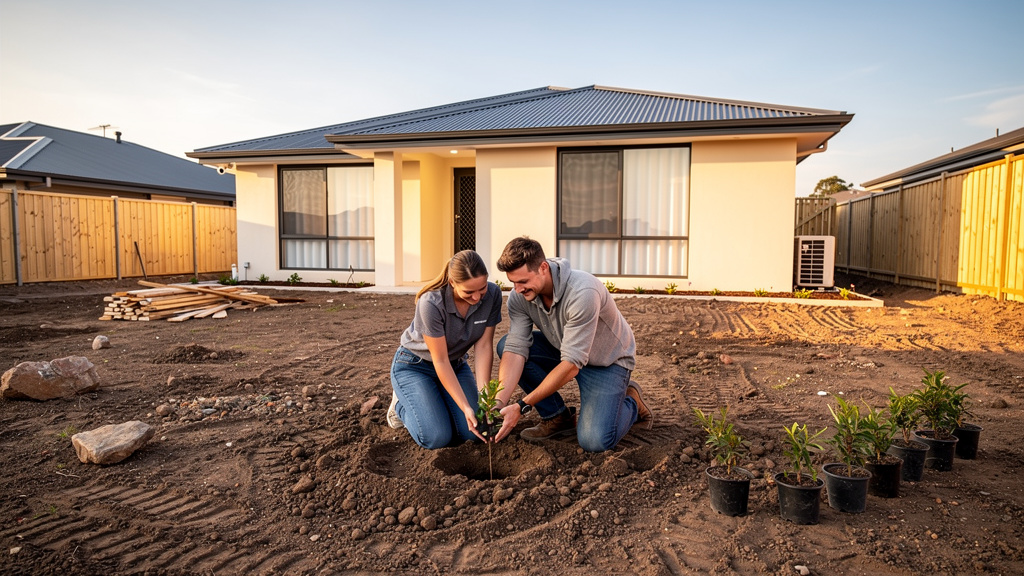
So let’s talk about making those first decisions well. Specifically, how to design a garden that does two things at once: looks good and works as genuine habitat for the native wildlife that was there before you arrived. Across every climate zone in Australia, the same opportunity exists. Not in Australia? Rest assured that while the plants, the wildlife, and the timing differ. The principle doesn’t.
And let me be clear on one thing right up front… this is a garden that will reduce future maintenance, not increase it!
Why a New Build Is the Best Moment to Get This Right
Most established garden advice is about retrofitting: pulling out the agapanthus, ripping up the buffalo lawn, finding space between the liquid ambers to squeeze in a lilly pilly. It’s slow, expensive work, and you’re always fighting what’s already there.
A new build gives you a blank slate. That bare, compacted dirt isn’t a problem. It’s an opportunity that most homeowners only get once. You get to choose the canopy layer from scratch. You get to design the understorey without working around existing plants. You get to place the feature rocks, the water feature and the frog-friendly corner exactly where they’ll do the most good.
The other advantage is time. The wildlife garden you want in ten years – with mature trees, a dense shrub layer, and a thriving population of blue-tongues and honeyeaters, requires ten years of growth. Every week you delay that first planting is a week of habitat that won’t be there when you want it. The tree you plant today is the tree that’s doing the work in 2036.
Australia – and so much of the world, has lost enormous amounts of native vegetation to urban development. Every suburban garden that functions as habitat, even a small one, contributes to a broader network of stepping stones that allows wildlife to move through an otherwise hostile landscape. Your block is one piece of a much larger puzzle.
Five Principles That Apply Here in Australia or Wherever You Call Home
Climate zones determine which plants you use and when you plant them. These principles apply whether you’re in Darwin, Dandenong, Detroit or Duneden.
1. Plant in layers
Natural bush isn’t a monoculture. It has canopy trees, mid-level shrubs, understorey plants, groundcovers, and ground-level leaf litter, all stacked vertically. Each layer provides different habitat: nesting sites in the canopy, shelter and food in the shrubs, ground cover for reptiles and insects at the base.
A garden that’s only lawn with a few shrubs has one layer. A garden with a canopy tree, a shrub belt, a native grass fringe, and a groundcover layer has four. Each layer you add multiplies the number of species that can use the space. The structure matters more than any individual plant choice.
2. Think in connections, not islands
A single patch of natives in an otherwise bare garden is better than nothing. But a continuous belt connecting your back fence to your neighbour’s patch, which connects to the creek reserve two blocks over, is genuinely functional as a wildlife corridor. Animals, particularly small reptiles, frogs, and ground-foraging birds, move through landscape networks, not isolated spots.
Talk to your neighbours. Even informal alignment on a hedge species or a shared fence planting makes a real difference. NSW Government corridor research shows that stepping-stone patches of minimum 400 square metres, spaced no more than 100 metres apart, allow birds to move safely between them. Even a modest suburban garden, planted thoughtfully, can be part of that network. Your 100m2, your neighbour’s and the two across the road is that first 400m2 island!
3. Sequence your flowering and fruiting
Native wildlife feeds year-round, not just in spring. A garden that’s got everything flowering in October and nothing in July feeds honeyeaters for six weeks and starves them for the other ten months. Design for sequence: something in flower or fruit in every season. When you’re choosing plants, note their peak flowering or fruiting period and make sure your palette covers the calendar.
4. Add the structures, not just the plants
Plants are the foundation, but the other elements matter too. A rock pile in a sunny corner gives lizards a basking spot and a refuge. A shallow water dish or small pond gives frogs, birds, and insects a drink and a breeding site. A log left to rot on the ground hosts insects, which host everything else. Leaf litter left under shrubs rather than raked up creates exactly the ground-level microhabitat that wrens, robins, and skinks rely on.
These aren’t complicated or expensive additions. A stack of sandstone offcuts from the build. A terracotta saucer with a few pebbles for small creatures to grip. A section of old fence post laid on the ground and left alone. The tidiest-looking gardens are often the worst for wildlife. The most productive ones are the ones that tolerate a little organised mess.
5. Drop the chemicals
Pesticides and herbicides don’t distinguish between the pest you’re targeting and the beneficial insects, frogs, and lizards that are keeping your pest population in check naturally. A functioning garden ecosystem is largely self-regulating: predators control prey, and the pyramid stays in balance. Introducing pesticides collapses the base of that pyramid and eventually makes the pest problem worse, not better. Choose plants suited to your conditions, mulch well, and let the ecology do the work.
🌿 Zone 1: Tropical
Darwin • Cairns • Townsville • North QLD • Kimberley • Top End NT
The opportunity here
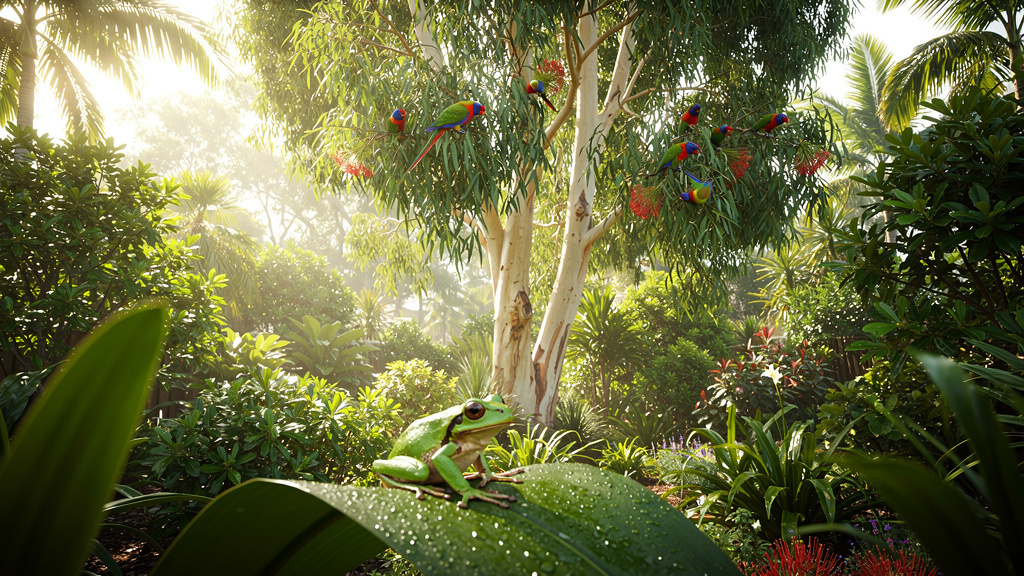
The tropical north has the highest biodiversity of any Australian climate zone. Given half a chance, the wildlife that’ll move through your garden includes rainbow lorikeets, sunbirds, figbirds, flying foxes, green tree frogs, barred frogs, bluetongue lizards, water dragons, skinks and a staggering range of native bees and butterflies. What most tropical blocks lack after construction isn’t species. It’s habitat structure for them to shelter in and move through.
When to plant
In the tropics, plant at the start of the wet season – typically November through January. The monsoon will do a significant amount of your establishment watering for you. Dry season planting is possible with irrigation, but the wet season gives you a head start that’s hard to replicate with a hose.
Plant palette
- Weeping Paperbark (Melaleuca leucadendra) – a major nectar source for honeyeaters, lorikeets, and flying foxes; tolerates waterlogged to dry soils; provides nesting material and shelter
- Golden Penda (Xanthostemon chrysanthus) – mass golden-yellow flowers attract honeyeaters, lorikeets, and sunbirds; dense canopy provides shelter
- Blue Quandong (Elaeocarpus grandis) – large, intensely blue fruit feeds cassowaries, imperial pigeons, and fruit doves; canopy tree for larger blocks
- Scarlet Fuchsia (Graptophyllum excelsum) – tubular red flowers are irresistible to honeyeaters and sunbirds; mid-level shrub
- Sea Hibiscus (Hibiscus tiliaceus) – large yellow flowers attract native bees, beetles, and other insects; foliage hosts moths and butterflies
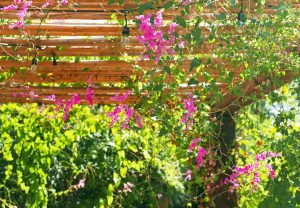
- Fraser Island Creeper (Tecomanthe hillii) – tubular pale-pink flowers draw honeyeaters and moths; canopy climber providing dense cover
- Native Ginger (Alpinia caerulea) – dense clumping understorey; fruit eaten by a range of birds; provides ground-level shelter for frogs and reptiles
- Graceful Signalgrass (Ottochloa gracillima) – native grass groundcover; provides seed for finches and small birds; creates ground habitat for insects and reptiles
Two design moves worth making
Build a frog pond. The tropics support an extraordinary range of frog species. Even a small, shallow water feature — a half wine barrel sunk into the ground, planted with native sedges and aquatic plants, will attract green tree frogs within a season. No fish: they eat the tadpoles. Pebbles at the edge so small creatures can climb out. Shade from a nearby shrub to keep the water from overheating.
Dense groundcover for reptiles. Water dragons and bluetongues need both sun and shelter. A rock pile with sun exposure on one side and dense groundcover on the other gives them both. Native ginger and signal grass planted thickly at ground level, combined with a small stack of sandstone or granite, will have skinks moving in within weeks.
🌿 Zone 2: Subtropical
SE Queensland • Gold Coast • Sunshine Coast • Northern Rivers NSW
The opportunity here
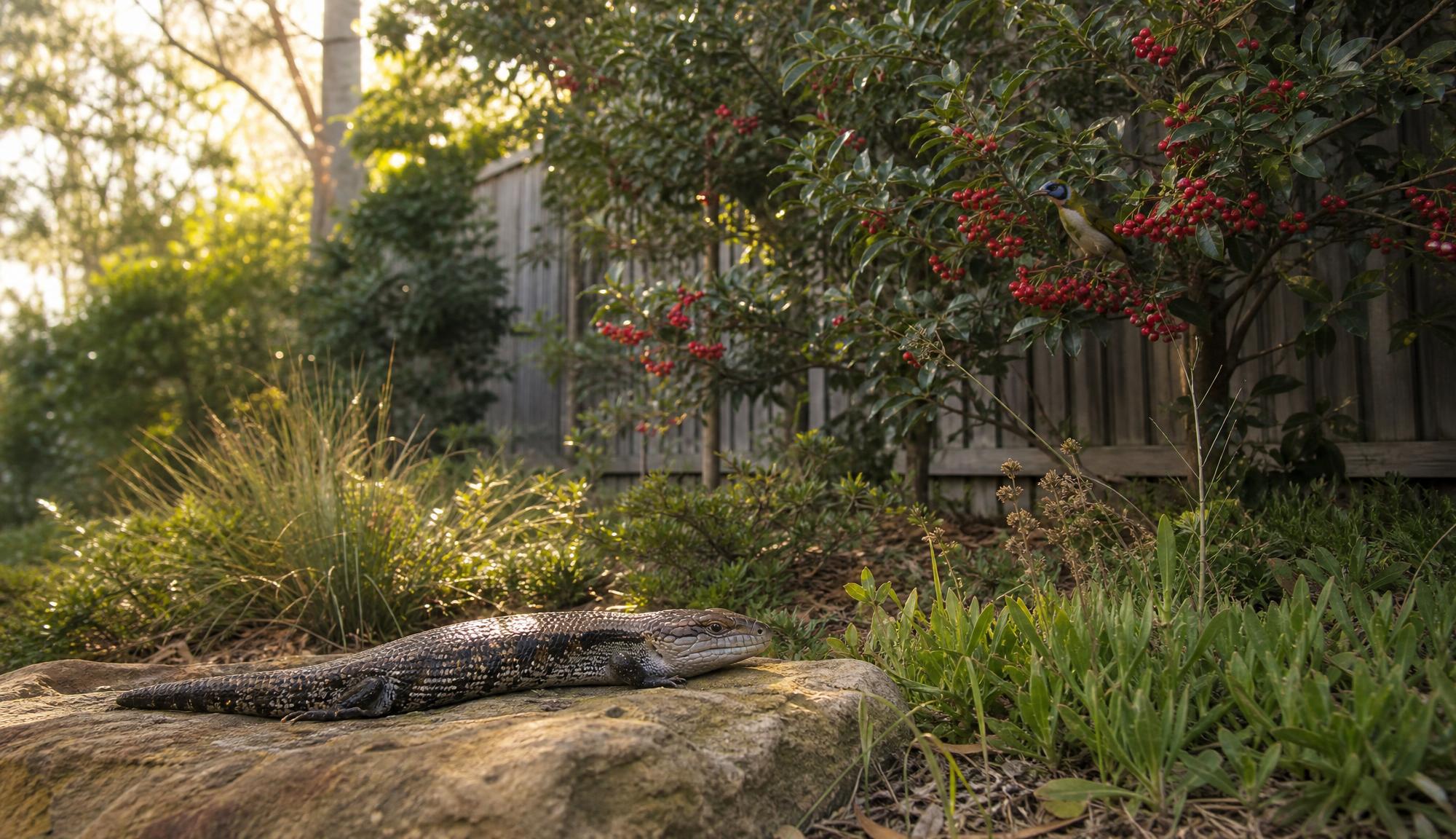
South-east Queensland and the northern rivers of NSW sit in one of Australia’s most biodiverse corridors. The suburban wildlife potential here is remarkable: blue-tongue lizards, frill-neck lizards, brush turkeys, blue-faced honeyeaters, rainbow lorikeets, figbirds, Lewin’s honeyeaters, striped marsh frogs, green tree frogs, and a rich range of native bees are all candidates for a well-planted suburban block. Brisbane City Council actively encourages native planting for habitat, and many local councils in the region have rebate schemes for removing lawn and planting locals.
When to plant
Autumn is the preferred planting window – March through May. The soil’s still warm enough to encourage root development, and the cooler, wetter months ahead reduce establishment stress. Spring works for robust species. Avoid summer planting if you can: the heat and humidity are hard on newly planted stock.
Plant palette
- Lilly Pilly / Riberry (Syzygium australe, Syzygium luehmannii) — prolific red or pink fruit taken by figbirds, wonga pigeons, silvereyes, and honeyeaters; excellent hedge or screen; prunes beautifully without losing habitat value
- Coffee Bush (Breynia oblongifolia) — larval host for several butterfly species; red-and-black fruit taken by silvereyes and other birds; low maintenance understorey
- Midyim Berry (Austromyrtus dulcis) — edible speckled white berries; attracts silvereyes, Lewin’s honeyeaters, and wompoo fruit-doves; low to mid shrub for part shade
- Sandpaper Fig (Ficus coronata) — prolific fruiting tree; attracts figbirds, wompoo fruit-doves, rose-crowned fruit-doves, Lewin’s honeyeaters, satin bowerbirds, and channel-billed cuckoos. Note: Like all Ficus, roots can be a problem however, this species is much less aggressive than it’s relatives. For peace of mind, do not plant closer then 5 metres to any plumbing, paths or buildings.
- Blueberry Ash (Elaeocarpus reticulatus) — beautiful pink flowers followed by blue berries; attracts wonga pigeons, topknot pigeons, Lewin’s honeyeaters, and satin bowerbirds; suits taller screening layer
- Bottlebrush (Callistemon viminalis — Weeping Bottlebrush) — prolific red flowers beloved by honeyeaters and lorikeets; tolerates wet clay soils; also good along drainage swales
- Lomandra longifolia (Mat Rush) — nearly indestructible native grass-like groundcover; provides dense ground habitat for skinks and frogs; seed taken by small birds
- Dianella species (Flax Lily) — bright blue berries taken by silvereyes, bowerbirds, and honeyeaters; tolerates shade under trees; year-round structure at ground level
Two design moves worth making
The fruiting belt. Run a mixed hedge of lilly pilly, blueberry ash, and coffee bush along your back fence. Stagger the species so something’s in fruit in every season. This single move will bring more bird diversity to your garden than any other planting decision. Keep it 1.5 to 2 metres wide and let it be a bit loose rather than clipped hard.
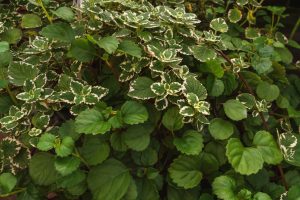
Lizard lounge. If you’ve already got a dense bed of Mother of Herbs or similar groundcover, you’ll know exactly what I’m talking about.. lizards move in fast. A rock pile with a flat basking stone on the north-facing side, backed by dense planting of lomandra or native ginger, and you’ll have resident blue-tongues within a season.
🌿 Zone 3: Temperate
Sydney basin • Southern NSW • Victoria • ACT • South Australia • Tasmania
The opportunity here
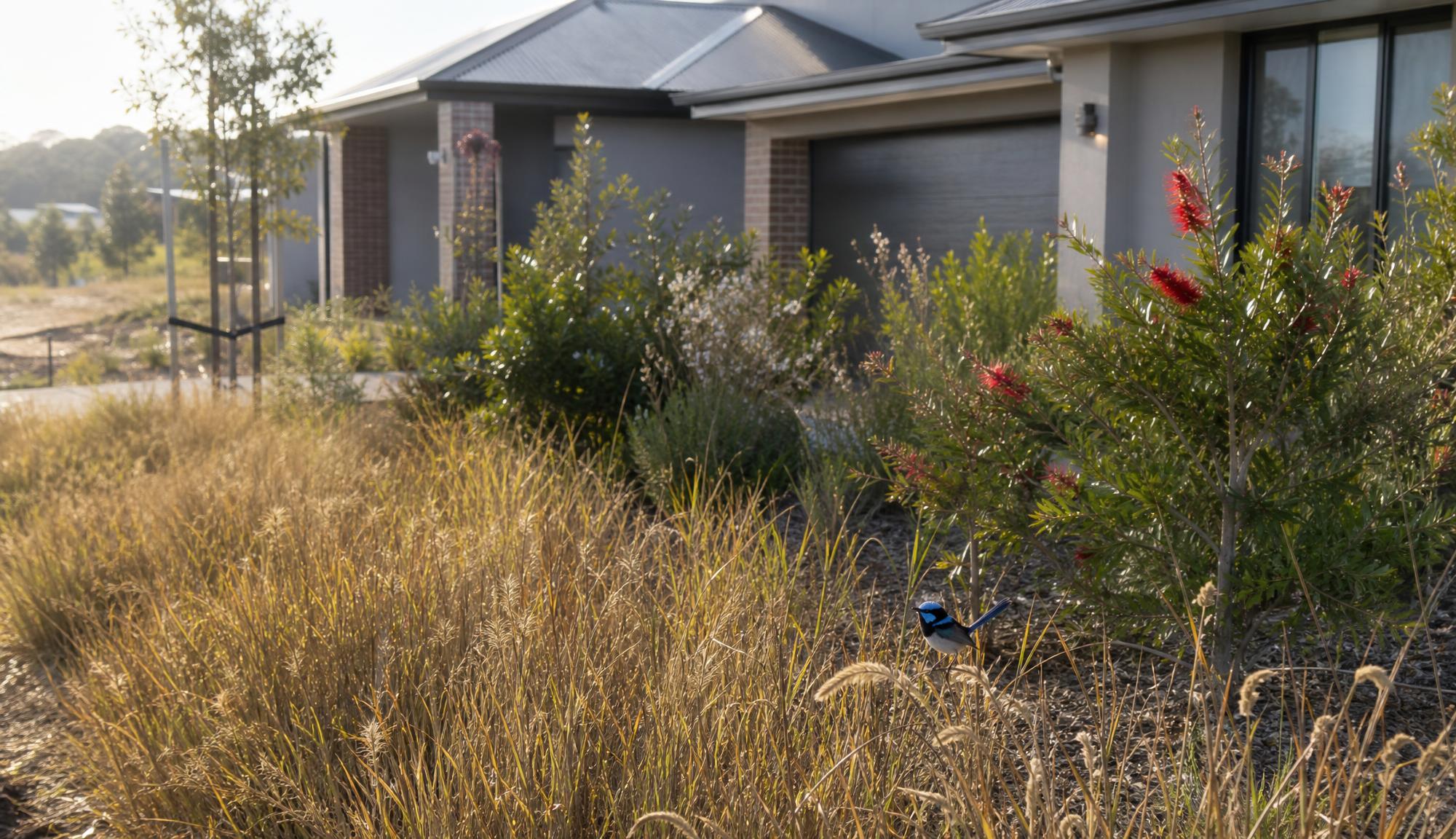
The temperate zone is where most of Australia’s urban population lives, and where suburban wildlife is under the most pressure from habitat loss. The good news is that the wildlife response to even modest planting is fast and visible. Superb fairy-wrens, eastern spinebills, crimson rosellas, yellow-tailed black cockatoos, and common blue-tongue skinks will all investigate a newly planted native garden quickly. Sydney, Melbourne, Adelaide, and Canberra all have strong native gardening communities and local councils are increasingly offering plant giveaways and gardening support.
When to plant
Autumn is again the preferred window – April through May. Melbourne and Adelaide gardeners can also plant through winter, particularly bare-rooted stock. In Tasmania and the highlands, wait until late winter or early spring after the worst of the frosts. Avoid planting in December and January in this zone: summer heat on newly planted stock is the most common cause of failure.
Plant palette
- Blueberry Ash (Elaeocarpus reticulatus) – adaptable to a wide range of soils; pink bell flowers followed by blue berries; attracts wonga and topknot pigeons, Lewin’s honeyeaters, and satin bowerbirds; good small to medium tree for the front or back garden
- Kangaroo Apple (Solanum laciniatum) – fast-growing pioneer shrub; yellow egg-shaped fruit attracts currawongs, satin bowerbirds, crimson rosellas, and bronzewing pigeons; useful for filling gaps quickly while slower trees establish
- Native Currant (Coprosma quadrifida) – shade-tolerant understorey with red berries taken by silvereyes, flame robins, grey fantails, superb fairy-wrens, and thornbills; invaluable for the shaded southern side of a block
- Correa species – tubular winter flowers provide nectar for honeyeaters when almost nothing else is flowering; one of the most strategically important plants in the temperate garden
- Bottlebrush (Callistemon and Melaleuca species) – tough, reliable nectar source across all temperate sub-zones; eastern spinebills and New Holland honeyeaters are rarely far from one in flower
- Kangaroo Grass (Themeda triandra) – the signature native grass of temperate Australia; seed taken by finches and grass parrots; provides ground habitat for skinks; turns copper-red in summer and autumn
- Wallaby Grass (Rytidosperma species) – fine, delicate native grass; good companion to kangaroo grass; important for ground-foraging birds
- Muntries (Kunzea pomifera) – low groundcover producing edible apple-flavoured berries; attracts crimson rosellas, superb fairy-wrens, silvereyes, and bronzewing pigeons; excellent for exposed, sunny positions
- Wattle (Acacia species – select locally provenant species) – fast establishment, nitrogen fixing, excellent bird nesting habitat; yellow flowers provide early spring nectar; black seeds taken by parrots and cockatoos
Two design moves worth making
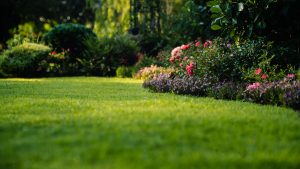
The native grass strip. Replace one edge of your lawn with a 1.5-metre-wide strip of kangaroo grass and wallaby grass, underplanted with low groundcovers like muntries or native violets. It needs mowing once a year in late winter, doesn’t need fertilising, tolerates drought, and will have superb fairy-wrens hunting through it within months. It’s also one of the most structurally beautiful things you can do in a temperate garden.
Winter nectar continuity. Correa species are the key. Plant at least two or three in a sheltered spot and you’ll guarantee honeyeater visitation through the coldest months when almost nothing else is offering nectar. Pair with a late-flowering bottlebrush and you cover the calendar.
🌿 Zone 4: Mediterranean
Perth • South-west WA • Adelaide Hills • Eyre Peninsula
The opportunity here
The south-west of Western Australia is one of only 36 global biodiversity hotspots on the planet, with one of the highest rates of plant endemism anywhere in the world. Planting natives in Perth or the south-west isn’t just good gardening. It’s participating in conservation of an irreplaceable ecosystem. New Holland honeyeaters, splendid fairy-wrens, Carnaby’s cockatoos, and bobtail (shingleback) lizards are all regular suburban visitors given suitable habitat. Native bee diversity here is extraordinary: there are more native bee species in south-west WA than in much of the rest of the country.
When to plant
In the Mediterranean climate, autumn planting isn’t just preferred, it’s almost mandatory. The dry, hot summer means anything planted after October faces a brutal establishment challenge. Plant between April and June: the warm soil encourages root development, and the winter rains do most of the watering. Plants established through winter are far better positioned to survive their first Perth summer than anything planted in spring.
Plant palette
- Banksia species (Banksia menziesii, B. attenuata, B. prionotes, B. littoralis) – the structural backbone of any south-west WA habitat garden; iconic nectar cones attract New Holland honeyeaters, western spinebills, and Carnaby’s cockatoos; different species flower at different times of year, providing year-round continuity
- Grevillea species (select local provenance) – prolific nectar producers; different species cover spring, summer, autumn, and winter flowering; critical for honeyeaters and spinebills
- Kangaroo Paw (Anigozanthos species) – WA’s floral emblem; tubular flowers perfectly suited to honeyeater feeding; many species and cultivars available, covering a range of heights and flowering periods
- Corymbia ficifolia (Red-Flowering Gum) – one of the most spectacular flowering trees in the world; mass crimson flowers attract large numbers of honeyeaters and lorikeets; excellent street or garden canopy tree
- Hakea laurina (Pincushion Hakea) – stunning crimson-and-cream pincushion flowers; nectar source for honeyeaters; provides dense thorny shelter for small birds and nesting sites
- Eremophila species (Emu Bush) – over 200 species adapted to dry conditions; tubular flowers attract honeyeaters year-round; invaluable for filling the seasonal gaps other plants leave
- Melaleuca lateritia (Robin Redbreast Bush) – brilliant orange-red flowers very attractive to honeyeaters; good screening shrub for borders and boundaries
- Ruby Saltbush (Enchylaena tomentosa) – low groundcover with red berries taken by emus, honeyeaters, and finches; excellent for dry, exposed positions
- Scaevola (Fan Flower species) – good butterfly plant; tolerates sandy soils and salt exposure; useful low-level planting for garden edges
Two design moves worth making
Stagger your banksias. Choose species that flower sequentially: Banksia prionotes flowers autumn to winter, B. menziesii through winter and spring, B. attenuata through summer. Three banksias, carefully chosen, give you honeyeaters visiting the garden every month of the year. Space them as the canopy layer of a layered bed, with grevillea and eremophila filling the mid-level, and kangaroo paw and scaevola at ground level.
A rock pile for bobtails. The shingleback or bobtail lizard is one of Perth’s most beloved garden residents. They’re slow, friendly, and eat slugs, snails, and a range of garden pests. They need a rock pile with warm, flat basking surfaces and deep crevices for shelter. Use local sandstone or granite offcuts from the build if you have them. Site it in a position that gets morning sun. Then leave it alone. Bobtails are long-lived and will return to the same basking spot for decades.
🌿 Zone 5: Semi-arid and Inland
Inland NSW • Western QLD • Central Australia • Interior WA and SA
The opportunity here
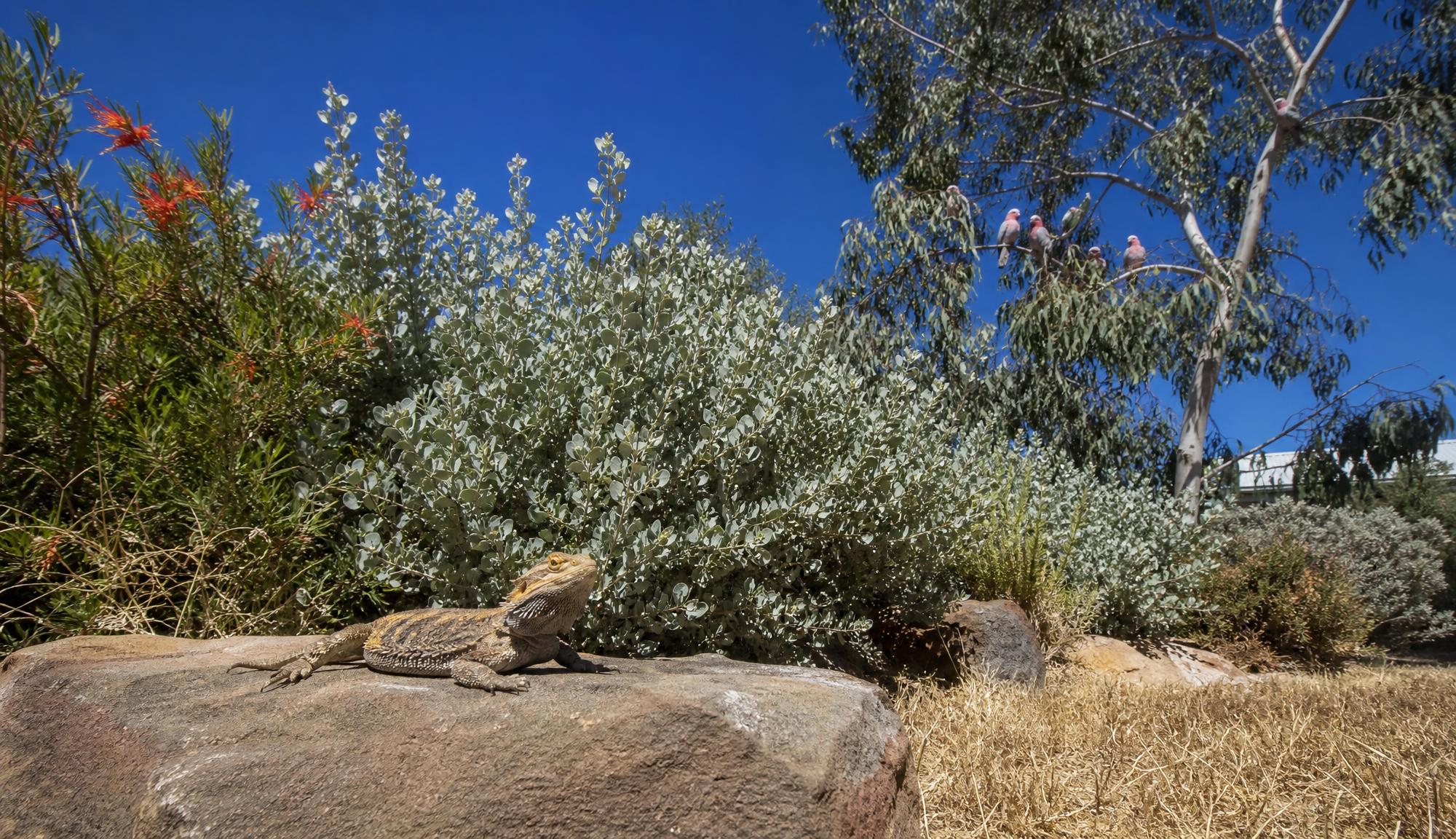
If you’re building in an inland or semi-arid area, the challenges are real: extreme heat, low and unreliable rainfall, soils that bake and crack. But the wildlife potential is also real, and it’s often underappreciated. Galahs, corellas, Major Mitchell cockatoos, red-rumped parrots, and zebra finches are all present in most inland towns. Bearded dragons, thorny devils, and a range of skinks are common residents in established gardens. Native bees thrive in warm, dry conditions.
The key insight for inland gardens is this: the native species indigenous to your area are fully adapted to the local conditions.. They don’t need the constant irrigation and feeding that exotic species demand. Once they’re established, they largely look after themselves.
When to plant
Plant in autumn after the first significant rain — typically March through May. Avoid the summer heat entirely for new plantings. If you must plant in spring, go in early – August or September, and commit to watering through the first summer. Mulch heavily: a 7 to 10 cm layer of coarse organic mulch dramatically reduces soil temperature and moisture loss.
Plant palette
- Emu Bush (Eremophila species) – over 200 species adapted to arid and semi-arid Australia; tubular flowers in red, pink, purple, and white attract nectar-feeding birds year-round; one of the most reliable genera for inland habitat
- Old Man Saltbush (Atriplex nummularia) – tough, large-growing shrub; edible leaves; provides substantial shelter for birds and reptiles; tolerates saline, clay, and heavily degraded soils
- Ruby Saltbush (Enchylaena tomentosa) – low groundcover with persistent red berries; attracts emus, crested pigeons, spinifex pigeons, zebra finches, and honeyeaters
- Nitre Bush (Nitraria billardieri) – dense, thorny shrub; edible fruit taken by crested pigeons, honeyeaters, and finches; excellent shelter plant for small birds from predators
- Native Grasses (Themeda triandra, Austrostipa species, Rytidosperma species) – essential for ground-foraging birds, finches, and grass parrots; seed production is the primary food source for many inland bird species
- Grevillea species (inland-provenant) – select species local to your region; invaluable nectar source for honeyeaters in all seasons
- Pigface (Carpobrotus and Disphyma species) – succulent groundcover; handles reflected heat and poor soils; flowers attract bees; provides ground cover for insects and small reptiles
Two design moves worth making
A water point. In an arid garden, a reliable water source is the single most powerful wildlife-attracting feature you can install. A deep terracotta dish or a small solar-pumped water feature, sited in a position with some shade and good visibility for the animals using it, will draw birds, lizards, and insects from a wide area. Change the water regularly to prevent mosquito breeding. Add pebbles for smaller creatures to stand on.
Deep mulch, everywhere. This isn’t just a water-saving measure, though it’s that too. A thick layer of coarse organic mulch creates the moist, cool microhabitat under the surface that insects, skinks, and ground-dwelling invertebrates depend on. Where insects go, everything else follows. Mulch under every shrub and tree to at least a metre out from the base, and top it up annually.
The New Build Planting Sequence: A Practical Timeline
During the build: protect what you can
If any native vegetation survived the construction phase, protect it fiercely. A mature native tree that survived the build is worth fifty tube-stock trees you plant later. Fence off root zones, keep machinery away, and if the tree has any chance of survival, give it water during dry periods. Talk to your builder before work starts: sometimes a single conversation is enough to save a tree that would otherwise be inadvertently killed.
Weeks 0 to 4: soil first
Post-construction soil is typically stripped of topsoil, compacted by machinery, and possibly contaminated with builder’s rubble, lime wash, and concrete waste. Before you plant anything, address the soil. Test the pH if you’re unsure. Break up compaction with a fork or rotary hoe. Add compost generously — a minimum of 5 cm worked into the top 20 cm. Lay a thick layer of mulch over anything you’re not planting immediately to prevent weed colonisation, which happens fast on a bare block.
Months 1 to 3: canopy layer first
Plant your largest trees as early as possible. Canopy trees are the longest-term investment in your garden: every month of lead time they have over the rest of the planting adds genuine value. They need the longest time to establish, and the shade and shelter they eventually provide will determine how the rest of the garden develops below them. A 45-litre tree will establish faster than a tube-stock tree, but a tube-stock tree planted today will catch up to a 45-litre tree planted two years from now. Plant small and early rather than large and late.
Months 3 to 6: shrub layer
Once the trees are in, add the mid-level shrub layer. This is where most of your fruiting plants, flowering nectar sources, and dense shelter shrubs go. Use tube-stock where budget is tight: native shrubs in warm climates often outpace their potted equivalent within twelve to eighteen months. Plant densely enough that the shrubs will eventually close canopy between them, creating the continuous shelter that wildlife prefers.
Months 6 to 12: groundcovers, grasses, and features
Fill the ground layer with native grasses, groundcovers, and the structural elements that complete the habitat: the rock pile, the frog pond, the water dish, the log. These elements are also what make the difference between a garden that looks like a native plant display and one that functions as actual habitat. A lizard needs more than a lilly pilly. It needs somewhere to hide, somewhere to bask, and somewhere to find food.
Budget reality: you don’t need to do all of this at once. Plant the canopy trees, lay mulch everywhere else, and fill in the rest as budget allows. A mulched bed with three canopy trees and the promise of more plants to come is significantly better for soil health and weed control than a lawn waiting for a landscape budget to appear.
Q & A’s
Do I need to remove all the grass before I plant?
Not necessarily. You can sheet-mulch over lawn: lay cardboard directly over the grass, overlap the edges generously, then cover with 10 to 15 cm of mulch. The grass dies underneath, the cardboard and mulch break down, and you can plant directly through the mulch into holes cut in the cardboard. It’s the easiest large-scale lawn conversion method available.
Can I plant natives right up against the house?
Most natives are fine near a house with sensible clearance. The usual rules apply: avoid large trees within the spread of their root system of underground pipes or foundations, and maintain a clear zone of about 1 metre against the wall for access and ventilation. Shrubs and groundcovers right against a house are generally unproblematic and can help with insulation and moisture management.
My council has specific rules about vegetation. What do I need to know?
Many councils require approval to remove trees above a certain trunk diameter, even on private land. The flip side is that many councils also offer support for native planting: free plant days, subsidy schemes for lawn removal, and guides to locally appropriate species. Check your local council website before you start, both to avoid inadvertent breaches and to access whatever support might be available. In some states, significant penalties apply for unauthorised vegetation removal.
My cat will just kill anything that uses the garden. What do I do?
This is a real issue and has to be addressed. (I’ve written about the challeges here.) A domestic cat with unrestrained outdoor access will kill a very significant number of small birds, lizards, and frogs regardless of how well-planted the garden is. The most effective solutions are: keeping cats indoors or in an outdoor enclosure, and fitting any outdoor cat with a Birdsbesafe collar cover – a bright-coloured ruff that gives birds enough visual warning. A garden designed for ground-foraging birds and reptiles particularly benefits from cat management.
How long before I start seeing wildlife?
Faster than you’d expect. Honeyeaters will investigate a newly planted native garden within days of the first flowers opening. Small skinks typically appear in a new rock pile within weeks if the conditions are right. Frogs will move into a water feature within one to two seasons. The garden that takes a decade to fully develop its ecological complexity will start showing results within the first twelve months.
Is it more expensive than a conventional garden?
Upfront, it can cost roughly the same, though tube-stock natives are often cheaper per plant than large exotic specimens. The long-term economics are solidly in favour of a native garden: significantly lower water bills once established, no fertiliser costs, minimal pest control, and no mowing of the areas you convert to planted beds. Many councils offer free or subsidised native plants that further reduce upfront cost.
Plant That Tree Today!
The wildlife that belonged to your block before the build didn’t disappear. It’s in the creek reserve two streets away, in the remnant bush at the edge of the estate, in your neighbour’s garden. It’s waiting for the habitat to come back. And it will come back, faster than most people expect, if you give it something to come to.
You don’t need a perfect plan. You don’t need a landscape architect or a large budget. You need the right plants in the ground, sooner rather than later, in enough layers to give wildlife what it needs: food, shelter, water, and corridors to move through.
The tree you plant this weekend will be giving shade and nesting habitat in seven to ten years. The shrubs you put in this autumn will be feeding honeyeaters by next spring. The frog pond you dig this month will have residents before summer is out. None of it happens without that first planting. And the best time for that was yesterday.
And… Shameless Plug For My Personal Favourite!
Given the hours I’ve invested writing this post, it would be remiss of me not to mention one of the most adaptable small native trees and an absolute personal favourite… I have eight growing on my 5,000m2 block!
Tulipwood (Harpullia pendula) is one of the most climate‑flexible native trees you can plant. It’s native to northern NSW right though to far-north QLD but I’ve seen it growing in every state and territory in Australia with the exception of Tasmania. It’s often used as ‘street trees’ due to it’s non-invasive root system and that it won’t grow tall enough to interfere with overhead power lines.
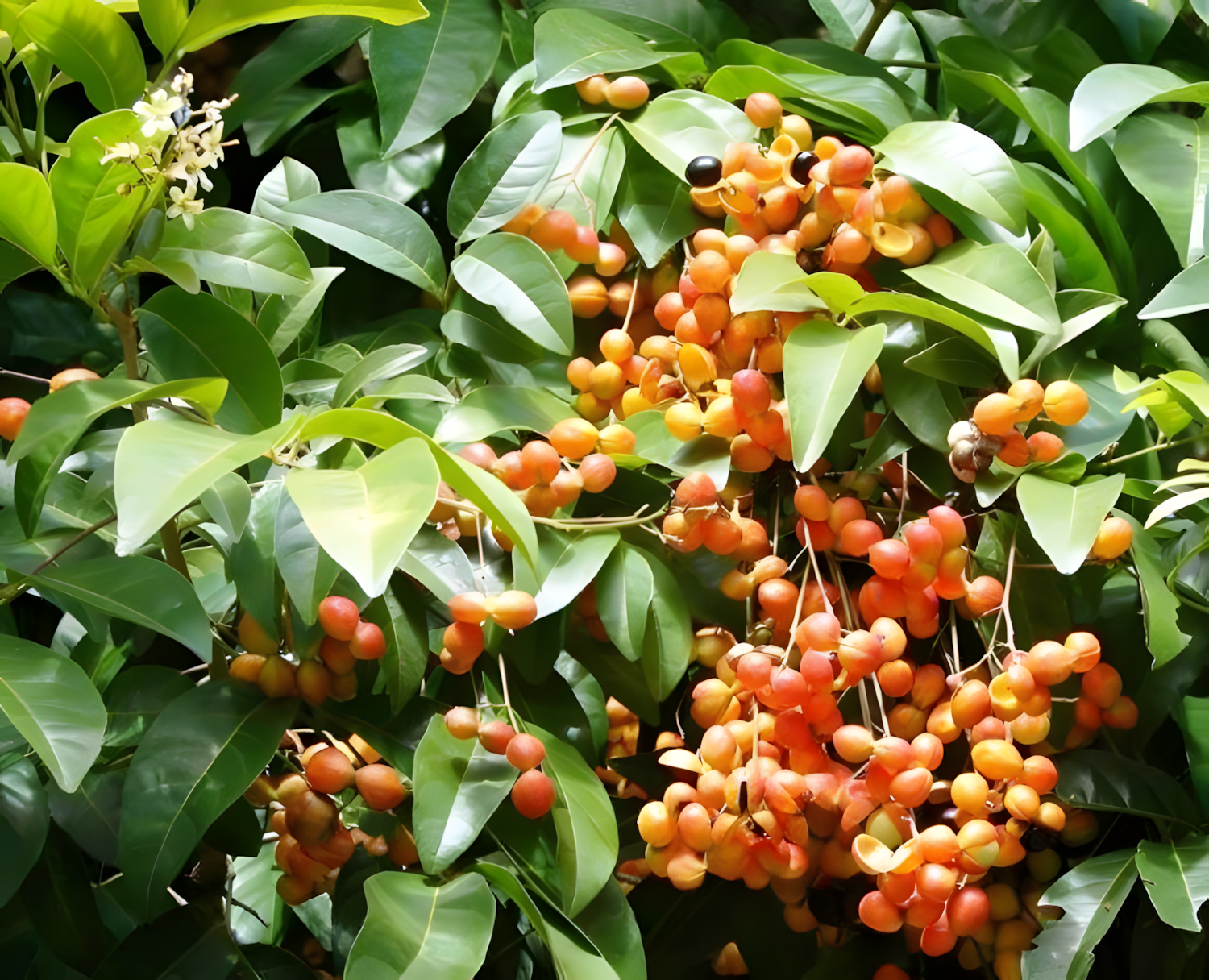
Once established, Tulipwoods handle drought well, and it’s even hardy enough to cope with light frost in cooler pockets. Tulipwood thrives in full sun or part shade. In full sun it will grow to around 8 metres while in rainforest‑edge conditions it can stretch 10 or more metres, showing how easily it adjusts to different microclimates.
Its berries feed local birds and its foliage supports native butterflies, making it an ideal, low‑risk choice for wildlife corridors in new estates.
And now, It’s over to you! What will you plant in your new garden?
My sources:
- Habitat corridor stepping-stone sizing (400 m² minimum, 100 m max spacing): NSW Government — Planting for Wildlife Habitat Corridors
- Connected Corridors for Biodiversity guidance: Sydney Coastal Councils PDF
- Private gardens and Melbourne biodiversity: Landscape Australia — Suburban Oasis
- Queensland wildlife garden guidance: DETSI QLD — How to Make a Great Garden for Wildlife
- Perth native plants: Retic Renovation — Australian Native Plants Perth
- South-west WA as global biodiversity hotspot: well-established scientific classification, confirmed multiple sources