
Last Updated on December 23, 2025 by teamobn
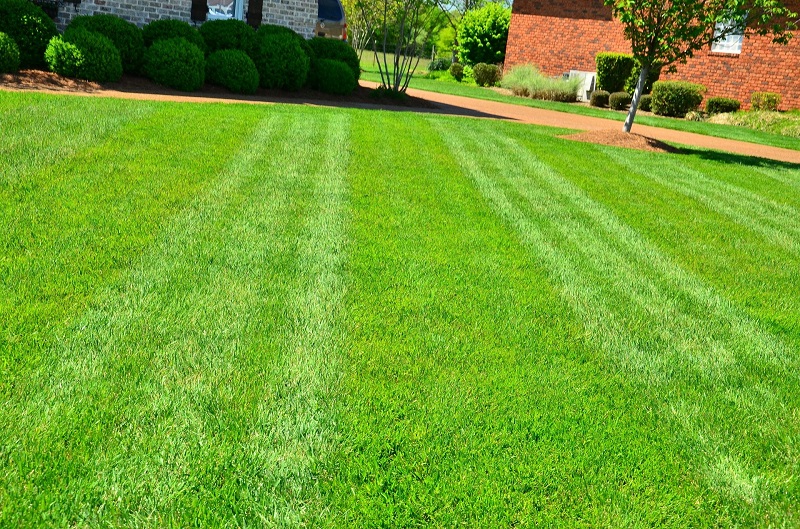
Our early ancestors, who once roamed the dry valleys of East Africa in search of water, would be stunned by our access to it today. Crystal-clear water is pumped from distant sources, filtered through advanced systems, and delivered to our homes with a simple turn of the tap.

That’s why a chamomile lawn makes so much more sense. It’s not just a lawn, it’s a practical, fragrant, and water-smart alternative.
Key Takeaways
- A chamomile lawn is a great swap for traditional grass if you want something softer, more water-wise, and less demanding, with the bonus of that light, herbal scent underfoot.
- Picking the right type matters. If you want the look and fragrance without the flowers and extra bees, a non-flowering option like ‘Treneague’ is usually the easiest, lowest-maintenance choice.
- The “make or break” stage is the start. Good soil prep and about twelve weeks of keeping foot traffic light gives the plants time to root in properly, which is what creates that dense, long-lasting carpet later.
- In small yards, layout is everything. Stepping stones protect the high-traffic paths, and adding vertical elements like trellises or wall planters makes the whole space feel bigger and more finished.
Growing a Chamomile Lawn
Let’s face it. Our pampered, chemical-laced, perfectly trimmed lawns are often wasteful, expensive, and environmentally unsustainable. Traditional lawns demand constant watering, mowing, and fertilization, which can strain your wallet and the planet. A chamomile lawn is a refreshing alternative for gardeners looking to embrace a more practical and eco-friendly solution. Not only does it reduce maintenance costs, but it also offers beauty and functionality.
Why Choose Chamomile for Your Lawn?
Chamomile provides a lush, fragrant carpet of greenery that requires less water and upkeep than traditional grass. Its low-growing varieties, like English chamomile, spread effortlessly, creating a soft, aromatic lawn. Beyond its visual and olfactory appeal, chamomile is an eco-friendly option that supports pollinators like bees and butterflies, promoting biodiversity in your garden.
A Cost-Effective Solution for Gardeners
Gardening can be an expensive hobby. Seeds, tools, and materials quickly add up. However, chamomile presents an opportunity to save money while creating something beautiful. Forget those pricey garden center plants. With a little patience and some creativity, you can grow your chamomile lawn from scratch without breaking the bank.
Here’s the secret: that old packet of chamomile tea bags hiding in your kitchen cupboard could be your ticket to a thriving lawn. Those tea bags often contain seeds that can be harvested and planted. Instead of tossing them out, you’re giving those seeds a second life, and saving yourself the cost of purchasing new ones.
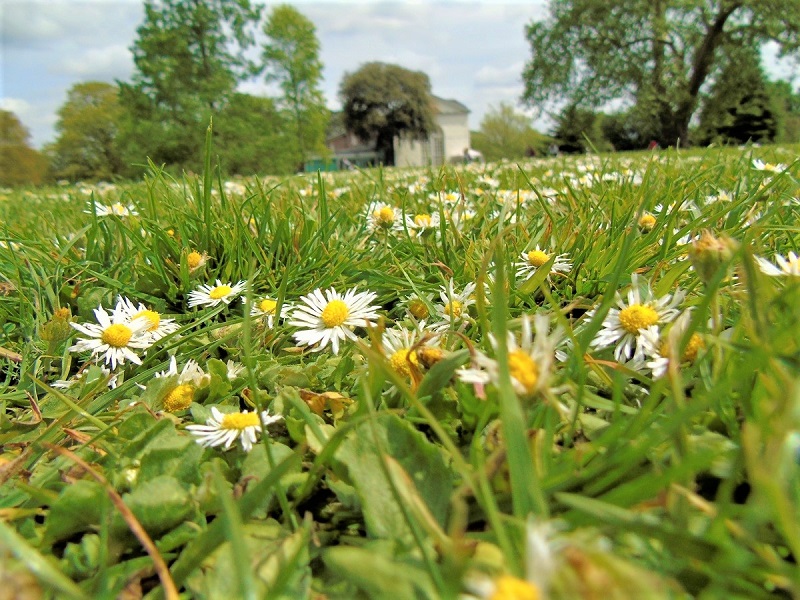
By opting for chamomile, you’re not just growing a lawn. You’re cultivating a sustainable, beautiful, and cost-effective alternative that’s good for you and the environment. Hidden in those humble tea bags is the potential for a greener, healthier garden, and a more mindful way of living.
Planting Chamomile
Growing it for a lawn alternative or as part of your garden, choosing the right location and properly preparing the soil will ensure your plants thrive. Chamomile’s resilience and minimal requirements make it an excellent choice for gardeners of all skill levels.
Preparing the Planting Area
Chamomile thrives in sunny locations with free-draining soil. Start by identifying a patch of bare soil that receives plenty of sunlight. Remove any existing weeds to prevent competition for nutrients and space. A long-handled cultivator can make this task easier, but you may need to pull out stubborn weeds by hand.
Once the area is clear, enrich the soil with organic matter to improve its fertility and drainage. Spread a layer of three inches of compost and one inch of sand over the soil. Use a spade or garden fork to work these amendments at least six inches deep into the ground. Rake the surface smooth to create an even seedbed.
Sowing Chamomile Seeds
Chamomile seeds are small but potent, and a little goes a long way. If you’re using chamomile tea bags as a seed source, carefully rip open the bags and sprinkle the contents over the prepared soil. For larger areas, use approximately ½ ounce of seed per 1,000 square feet of lawn.
Timing is critical for successful germination. Sow chamomile seeds in the spring or early summer, once the danger of frost has passed and the weather is stable. Avoid planting before heavy rains are expected, as they may wash away the seeds.
Caring for Newly Planted Seeds
After sowing, gently tamp the seeds into the soil. This ensures good contact with the ground, which is crucial for germination. Lightly water the area to settle the seeds without displacing them. Keep the soil evenly moist throughout the germination period, which typically lasts about two weeks. Use a fine spray nozzle to water the area, preventing excessive runoff or pooling.
Germination and Early Growth
Within two weeks, you should see chamomile seedlings beginning to emerge. Once germination occurs, continue to water regularly but avoid overwatering, as chamomile prefers well-drained conditions. Thin out crowded seedlings to give each plant enough room to grow, ensuring a lush and healthy patch.
By following these steps, you can enjoy the beauty and benefits of chamomile in your garden. Whether planting a chamomile lawn or adding it to your garden beds, this versatile plant will reward you with its fragrance, functionality, and easy maintenance.
Care and Maintenance
Proper care and maintenance ensure your chamomile lawn thrives and remains a delightful feature of your garden. While chamomile is a hardy and low-maintenance plant, following these guidelines will help it establish and flourish.
Thinning and Early Growth
When the seedlings reach about three inches in height, thin them out so that each plant is spaced six inches apart. This spacing allows each plant to develop a robust root system and spread evenly to fill the area. Adequate spacing also minimizes competition for nutrients and water, giving your chamomile lawn the best chance to thrive.
Protecting Young Plants
Avoid walking on your chamomile lawn for at least 12 weeks after planting to give the plants time to establish themselves. If possible, minimize foot traffic for up to a year. This precaution allows the roots to strengthen and the plants to spread without disturbance. Consider using stepping stones or designated pathways if you need to access the area during this time.
Minimal Maintenance Requirements
Once established, your chamomile lawn will require very little upkeep. One of its best features is its ability to self-sow, meaning you only need to plant it once. Over time, the plants will naturally reseed and fill in any gaps, ensuring a lush and consistent lawn with minimal effort.
Watering and Weed Control
Chamomile thrives in moist, well-drained soil, so keep the area evenly watered, especially during dry spells. However, avoid overwatering as chamomile doesn’t tolerate soggy conditions. Regularly remove weeds, as chamomile struggles to compete with aggressive plants. Mulching around the edges can help suppress weed growth and retain soil moisture.
Seasonal Trimming
In late summer, trim your chamomile lawn with a mower or garden shears to remove dead flower heads and encourage fresh growth. This maintenance step also helps the plants maintain their shape and prevents them from becoming too leggy. If you’re using a mower, set it to the highest setting to avoid cutting the plants too short.
Enjoying Your Chamomile Lawn
Once established, your chamomile lawn will reward you with a carpet of tiny, daisy-like flowers in the summer. These blooms release a sweet apple-like aroma when walked on, creating a sensory delight. The soft, fragrant foliage is both visually appealing and functional, offering a unique and eco-friendly alternative to traditional grass lawns.
By following these simple care and maintenance steps, your chamomile lawn will remain a beautiful, low-maintenance feature of your garden for years to come. Sit back, relax, and enjoy the beauty and fragrance of this charming addition to your outdoor space.
Choosing the Right Chamomile for Lawn Alternatives
Selecting the appropriate variety is key when replacing traditional grass with a chamomile lawn. Several types stand out for their distinct characteristics and suitability for different purposes.
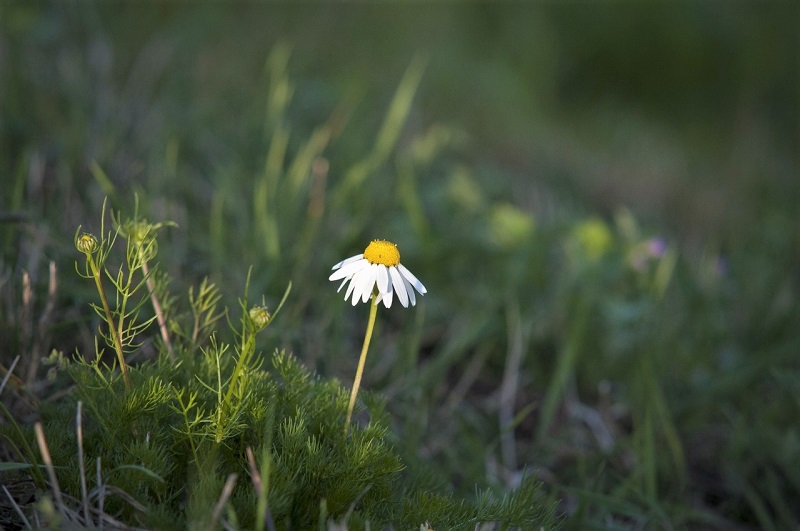
- German Chamomile (Matricaria chamomilla) Growth Characteristics: This variety reaches 1 to 2 feet (31-61 cm). Best Uses: Thanks to its height and flowering nature, German chamomile is ideal for growing around garden beds or within the garden itself. Benefits: Besides its decorative appeal, German chamomile is prized for its herbal and medicinal properties.
- English Chamomile (Chamaemelum nobile) Growth Characteristics: Known for its low-growing and creeping nature, making it more suitable for lawns. Cultivation Tips: Requires minimal mowing and maintenance; thrives in areas with low foot traffic and limited mower access. Optimal Choice for Lawns: If used for lawn purposes, the non-flowering dwarf cultivar ‘Treneague’ is preferred. Unlike the standard C. Nobile, ‘Treneague’ doesn’t flower, ensuring a consistent lawn-like appearance.
- Roman Chamomile (Chamaemelum nobile) Growth Characteristics: Similar to English chamomile but often features slightly more upright growth. It is aromatic and produces small, daisy-like flowers. Best Uses: Works well as a ground cover or in garden pathways where moderate foot traffic occurs. Benefits: Highly fragrant and offers medicinal properties similar to German chamomile.
- Moroccan Chamomile (Anthemis mixta) Growth Characteristics: Tends to grow slightly taller than English chamomile, reaching heights of up to 12 inches (30 cm). Best Uses: Suitable for decorative purposes in flower beds or mixed gardens. Benefits: Offers vibrant flowers that attract pollinators and adds a unique aesthetic appeal.
Choosing between these varieties depends on your specific needs, whether you’re looking for a decorative and functional garden addition or a practical lawn substitute.
Designing a Chamomile Lawn for Small Yards and Courtyards
Small spaces can still feel special, and a chamomile lawn is one of those details that makes a tiny yard feel like a “real” garden. You get soft green coverage and that light, apple-like scent, without needing the wide open space that traditional grass usually demands. In courtyards and compact backyards, that kind of low, lush planting can make the whole area feel calmer and more put-together, not cramped.
Working With Limited Space
Small yards often end up as leftover space, boxed in by fences and shaded by nearby walls. A chamomile lawn can flip that around and make the area feel intentional. Because low-growing varieties like ‘Treneague’ stay short and dense, they don’t swallow the space or block views the way taller plants can. It reads as a clean “ground layer” that makes everything around it look better.
The main thing is scale. In a courtyard that’s only around 10 by 12 feet, a chamomile lawn can be the star of the show, with pots, seating, and a few taller plants around the edge. That keeps the middle open, makes the area feel balanced, and stops maintenance from getting out of hand.
Creating Zones Within Your Chamomile Lawn
Even a small lawn feels more usable when it has a bit of structure. Zoning doesn’t have to be complicated. It can be as simple as a change in edging, a narrow border planting, or a slight step down into the chamomile area. Those little changes create depth, which is one of the easiest ways to make a small yard feel bigger than it is.
Paths also help. A few stepping stones or reclaimed pavers let you walk through the chamomile without trampling it, especially in spots you’ll use often. They also make maintenance easier because you can reach different areas without compacting the soil every time you step in.
Maximizing Vertical Space Around Your Lawn
When you don’t have much floor space, going upward makes a big difference. The edges around a chamomile lawn are perfect for vertical planting. A trellis with a climber, wall planters, or tiered shelves can pull the eye up and make the whole garden feel more layered and complete. It also keeps the chamomile from looking like a lonely green patch in the middle of the yard.
Vertical elements can be practical too. In hot courtyards, a bit of afternoon shade can stop chamomile from drying out too quickly. A simple pergola or shade sail placed to block the harshest late-day sun can reduce watering needs, while still letting the lawn get the morning light chamomile likes.
Conclusion
Growing chamomile is an easy and rewarding project for gardeners of all skill levels. It transforms traditional lawns into beautiful, fragrant spaces while reducing maintenance and environmental impact. With proper care, your chamomile lawn will bring your garden years of enjoyment and natural beauty.
When you want to elevate your garden to the next level, check out our guide on 10 beautiful perennial flowers to grow!
FAQ: Chamomile Lawn
- Can I grow a chamomile lawn if I have dogs or cats?
- Usually, yes. Chamomile is generally considered pet-safe, and a lot of people even associate it with calming effects. The bigger issue is wear and tear, not toxicity. A chamomile lawn can handle light walking and casual paw traffic, but it won’t love constant zoomies, digging, or rough play in the same spot. If your pets tend to follow the same route across the yard, add a few stepping stones or a small path to take the pressure off the plants and keep the stems from getting crushed.
- How do I manage weeds without using harsh chemical sprays?
- The best weed control is a thick, healthy carpet of chamomile. Once it fills in, there’s less open soil for weeds to take hold. Still, you’ll probably get a few popping up here and there, especially early on. Hand-pulling is the safest approach because you can remove the weed without harming the chamomile roots around it. If you’re dealing with stubborn weeds, you can use a vinegar-based spot treatment, but be careful. Vinegar doesn’t know the difference between a weed and your lawn, so apply it only where you need it and avoid touching the chamomile.
- Will a chamomile lawn attract an overwhelming number of bees?
- It can, depending on the variety. If your chamomile flowers, pollinators will show up, which is great for the garden but not always ideal if you like walking barefoot. If you want the scent and soft look without drawing in lots of bees, go with the non-flowering ‘Treneague’ type. It stays low, green, and fragrant, but doesn’t produce the blooms that attract honeybees.
- Can I harvest the lawn for making homemade herbal tea?
- Yes, as long as you’re growing a flowering type like Roman or German chamomile. You can pick the flowers, dry them, and use them for tea. Just keep your lawn “tea-friendly” by sticking to organic fertilizers and avoiding chemical sprays if you plan to drink what you harvest. For best flavor and aroma, harvest in the morning once the dew has dried, when the flowers tend to be at their most fragrant.