Last Updated on October 27, 2026 by teamobn
The entry door of your home serves as the gateway to your personal sanctuary. It’s more than a functional feature — it’s a design statement, a security measure, and a critical element of energy efficiency.
Your front entry sets the tone for curb appeal and comfort, but if you’re still weighing different materials and styles, see this guide on how to choose the right type of door for your home. It gives broader context on door types so you can align aesthetics, durability, and efficiency from the start.
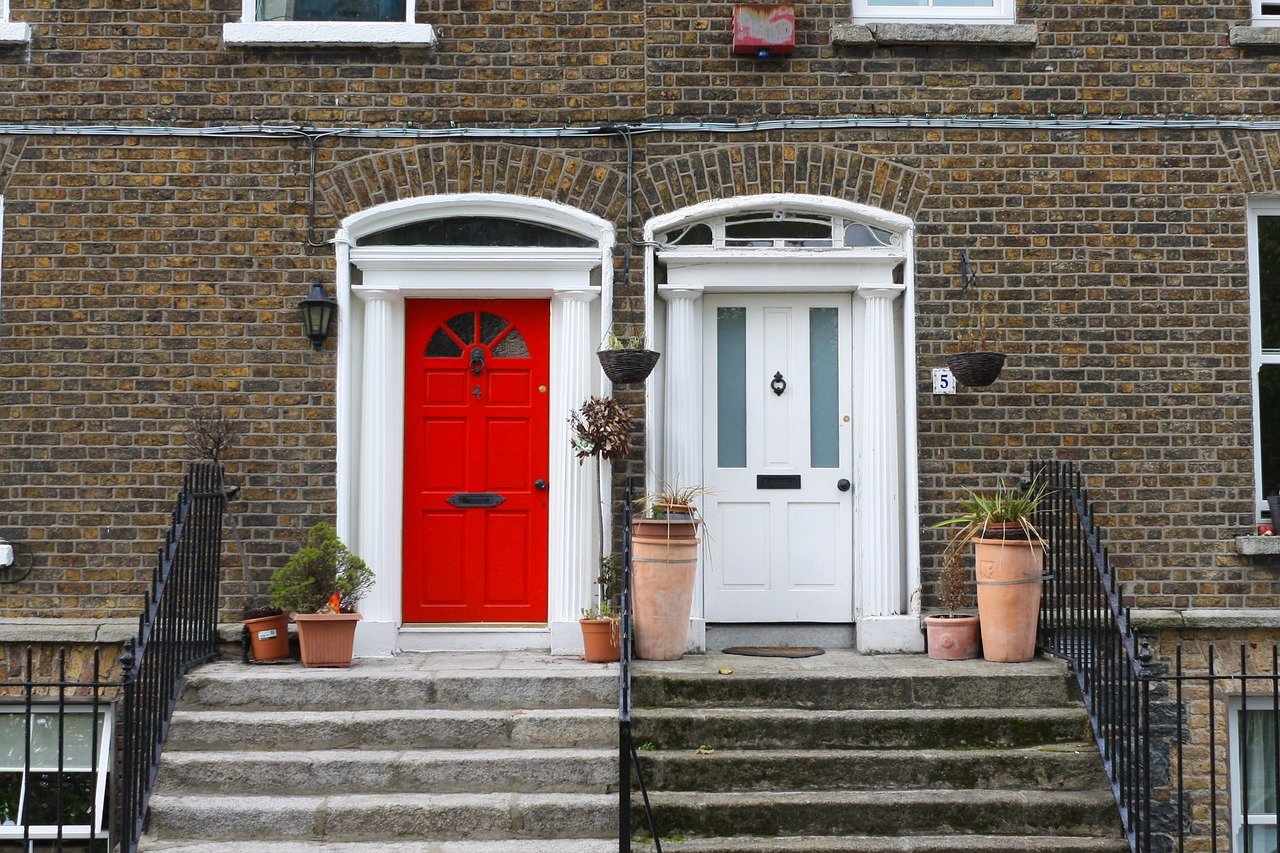
The Ultimate Guide to Picking the Right Entry Door for Your Home
Choosing the right exterior door can enhance your home’s curb appeal, protect against the elements, and improve energy savings.
With diverse climates and architectural styles, homeowners need doors that are stylish, durable, and weather-resistant. Here, we explore the top exterior door options to help you make an informed decision.
1. Composite Doors
Composite doors are a top choice for modern homeowners due to their durability, versatility, and superior performance. They combine materials like insulating foam, glass-reinforced plastic, aluminum, and wood for a robust design.
Key Features:
- Durability: Resistant to peeling, cracking, and fading, with a lifespan of up to 30 years.
- Low Maintenance: Requires no additional painting or frequent upkeep.
- Thermal Efficiency: Excellent insulation helps keep homes comfortable year-round.
- Enhanced Security: Built for sturdiness with high-quality locking mechanisms.
Ideal For: Homes seeking a blend of style, energy efficiency, and security, with designs ranging from classic to contemporary.
2. Double Front Doors
Double front doors make a grand impression with their elegance and functionality. These doors consist of two panels within a single frame and come in materials like wood, fiberglass, aluminum, and steel.
Key Features:
- Grand Appeal: Instantly elevates curb appeal and adds inviting charm.
- Functionality: Provides a wider opening, perfect for moving large furniture or equipment.
- Energy Efficiency: Can feature insulated materials to prevent energy loss.
Ideal For: Spacious homes or wide entryways where aesthetics and convenience are priorities.
3. Fiberglass Doors
Fiberglass doors offer the perfect combination of energy efficiency and weather resistance while mimicking the appearance of natural wood.
Key Features:
- Weather Resistance: Resists warping, swelling, and cracking in extreme climates.
- Energy Efficiency: Foam-core insulation minimizes heat transfer and drafts.
- Design Versatility: Available in smooth or woodgrain finishes for a customizable look.
Ideal For: Homes in regions exposed to extreme weather, providing beauty and resilience.
4. Aluminum Doors
Aluminum doors are prized for their contemporary aesthetics and robust construction. Lightweight yet strong, they are a low-maintenance choice.
Key Features:
- Longevity: Resistant to rust, cracks, and dents.
- Thermal Performance: Features such as thermal breaks enhance insulation.
- Modern Appeal: Sleek lines and finishes complement contemporary designs.
Ideal For: Modern homes where durability and design are equally valued.
5. Timber Front Doors
Timber doors offer a timeless elegance, providing a natural aesthetic while being environmentally friendly.
Key Features:
- Sustainability: Crafted from renewable resources.
- Aesthetic Appeal: Adds a warm, classic charm to various home styles.
- Durability: Engineered options resist warping and require minimal maintenance.
Ideal For: Homeowners who prioritize curb appeal and a luxurious, natural look.
6. Stable Front Doors
Stable doors, divided into top and bottom sections, offer versatility and charm. Popular for garden or patio access, they combine function and style.
Key Features:
- Versatility: The top section opens independently for ventilation.
- Increased Airflow: Enhances airflow while maintaining a level of security.
- Rustic Appeal: Provides a charming, countryside vibe.
Ideal For: Homes with outdoor spaces where increased ventilation is desired.
7. Steel Doors
Steel doors are synonymous with strength and security, providing unmatched durability and energy efficiency.
Key Features:
- Security: Exceptional resistance to impact and forced entry.
- Energy Efficiency: Insulated steel doors reduce drafts and energy loss.
- Durability: Low-maintenance and warp-resistant finish.
Ideal For: Homeowners seeking top-tier security and reliability.
8. uPVC Doors
uPVC doors are the quiet overachievers of the entry door market. They won’t win a design award, but they keep the weather out, the heat in, and the budget intact.
uPVC stands for unplasticised polyvinyl chloride. It’s a rigid form of PVC with no plasticiser added, which is exactly what makes it stiff enough to hold a door frame square instead of going floppy the way flexible PVC does.
The material doesn’t rot, swell, warp or feed termites, and it never needs painting or staining. On a coastal block or in a wet climate, that’s a longer list of wins than it sounds.
One thing worth knowing before you shop. uPVC is a far bigger player in windows than in entry doors, especially in North America, where fibreglass and composite dominate the front door market.
In Australia and the UK it’s a common choice for both. If you’re buying in the US, expect to hunt a little harder for a uPVC entry door in the style you want.
Key Features of uPVC Doors
Cost-Effective:
Budget-friendly without sacrificing quality. Generally the cheapest of the mainstream door materials.
Low Maintenance:
Washes down with soap and water. No painting, no staining, no sanding, ever.
Weather Resistance:
Doesn’t rot, warp, swell or corrode, and won’t attract termites or borers.
Security Features:
Multi-point locking systems, with a galvanised steel or aluminium reinforcement running inside the frame profile. Ask whether the reinforcement is there, because not every cheap import has it.
Thermal Efficiency:
Multi-chambered profiles and sealed glazing units make uPVC one of the better insulators for your money.
The main uPVC door types
The same material turns up in a surprising number of configurations. Which one suits you comes down to how much space you have and how you want to use the opening.
Casement doors:
Hinged on one side and open outward. They pull hard against a compression gasket when they shut, which gives the best weather seal of the lot. A single casement is the standard Australian and UK entry door.
French doors:
A pair of casements hinged on the outer edges, meeting in the middle and opening outward. Great for a patio or a wide entry.
Sliding patio doors:
Panels slide horizontally on a track. No swing space needed, which matters on a tight block or a small deck.
Tilt and turn doors:
Turn the handle one way and the door tilts inward at the top for ventilation. Turn it further and the whole door swings open. Handy for a side entry you want vented without leaving a door standing wide open.
Bi-fold doors:
Several narrow panels fold and stack to one side, opening the entire wall. Popular for connecting a living area to a deck or courtyard.
Stable doors:
Split into top and bottom halves that open independently. The top half gives you airflow and a view while the bottom half stays shut and locked.
Every one of these styles comes in different colours, woodgrain or smooth finishes, and a choice of handles, hinges, letterboxes and glazing. The colour is a laminated foil rather than paint, so it can’t be changed later.
Glazing and energy performance
Most of the thermal performance comes from the glass and the seals, not the plastic. Double glazing with two panes and an argon-filled gap is the standard specification, and triple glazing is available if you’re in a cold climate and want to pay for it. Low-E coatings reflect radiant heat back into the room in winter and back out in summer.
Ask for the whole-door U-value rather than the glass U-value. Lower is better, and a great glazing unit in a poor frame still leaks air.
Where to find the rating depends on where you live. In the US, look for an NFRC label and the ENERGY STAR rating. In Australia, glazed doors are rated under WERS with a star system.
Check the weatherstripping and the compression seal around the edge, and ask about drainage. Every uPVC door should have weep holes at the base of the frame, so water that gets past the seal has somewhere to go other than into your wall.
Security
A uPVC frame with multi-point locking is hard to force, because the door is pinned to the frame at three or more points rather than one. That’s the whole reason the material performs well here. The plastic itself isn’t what keeps you safe.
Two things to specify. First, anti-snap and anti-bump lock cylinders, because a cheap euro cylinder is the weak link no matter how many locking points the door has.
Second, laminated or toughened glass in the door and any sidelights. A lock is irrelevant if someone can put a brick through the panel beside it.
Installation
uPVC doors are measured, made and fitted rather than bought off a rack, so installation is a two-visit job. The installer measures the opening first, then returns with the finished door a few weeks later.
Fitting is a half-day for a single door. The old door and frame come out, the opening is squared up, the new frame is packed and fixed, the gap is sealed with foam and a mastic bead, and the hardware is adjusted so the door swings and latches cleanly.
Check that the frame is square and the door doesn’t drag before you pay the balance. A badly fitted uPVC door drops on its hinges within a year.
Maintenance
This is where uPVC earns its keep. A bucket of soapy water and a soft cloth handles almost everything. Skip the abrasive pads and the solvents, because they dull the foil surface and there’s no repainting your way out of it.
Once a year, do four things.
- Wipe down the seals and check them for cracks or hardening.
- Clear the drainage slots at the base of the frame.
- Lubricate the hinges, lock and handle with a silicone spray.
- Check the door still latches cleanly. A striker that needs a shove means the hinges have moved.
Don’t pressure wash the seals. It’s the fastest way to blow them out of the frame.
Repairs
Genuine failures are uncommon, which is the good news. Scuffs on a foiled finish can sometimes be touched up, and a failed sealed glazing unit gets swapped out like any other. A cracked panel, a bent frame or a split weld means a new door, though, because uPVC profiles aren’t repaired on site.
The bad news is parts. Handles, hinges and lock mechanisms are specific to the profile system, and a cheap imported door can leave you hunting a part that nobody stocks.
Ask the supplier what happens in ten years when a hinge wears out. A supplier who can’t answer that is telling you something.
Cost
uPVC is the cheapest of the mainstream door materials to buy, sitting below timber and aluminium and well below a decent composite door. What you actually pay depends on the size of the opening, the glazing specification, the locking hardware, the colour or foil finish, and how much steel reinforcement is in the frame.
Get three quotes on the same specification, in writing. Quotes that differ wildly usually aren’t comparing the same door. The cheap one tends to have single glazing, no reinforcement and a generic lock.
Where uPVC falls short
It moves: uPVC expands and contracts more with temperature than timber or aluminium doors. Long runs need expansion allowances, and dark colours in full sun can distort on thin, cheap profiles.
You can’t paint it: The foil finish is the finish for life. Change your colour scheme in five years and the door stays put.
It looks like plastic: Because it’s plastic. The woodgrain foils have improved a lot, but nobody is mistaking a uPVC door for a solid timber one.
Bushfire: If you’re building in a bushfire-prone area of Australia, uPVC is generally not accepted at the higher Bushfire Attack Levels. Check with your certifier or building surveyor before you order, because this one can cost you the door twice.
End of life: uPVC is recyclable in theory and poorly recycled in practice. It’s a long-life product with a weak disposal story.
Ideal For: Budget-conscious homeowners who want reliable, weather-tight, low-maintenance performance and aren’t chasing a statement front door. It’s also a sensible choice for a rental, a granny flat, a side or rear entry, or any opening where the weather is the enemy and the aesthetic is secondary. If the front door has to carry the street appeal, spend the money on composite or timber there and use uPVC where it isn’t on show.
Key Considerations for Choosing Exterior Doors
When selecting an exterior door, consider these factors to make the best choice for your home:
- Climate Compatibility: Choose materials that withstand your region’s weather conditions.
- Energy Efficiency: Opt for doors with excellent insulation to reduce energy costs.
- Security: Ensure doors have robust locking mechanisms for peace of mind.
- Style and Aesthetics: Select a door that complements your home’s design.
- Maintenance Requirements: Factor in how much upkeep the door will need.
Final Thoughts
A high-quality exterior door is an investment in your home’s safety, efficiency, and curb appeal. With options ranging from composite and aluminium to timeless timber and innovative fiberglass, there’s a solution for every need and style. Carefully assess your priorities, climate, and budget to choose a door that enhances your home’s functionality and beauty for years to come.
Want more? Subscribe to our weekly newsletter!