Last Updated on December 10, 2025 by teamobn
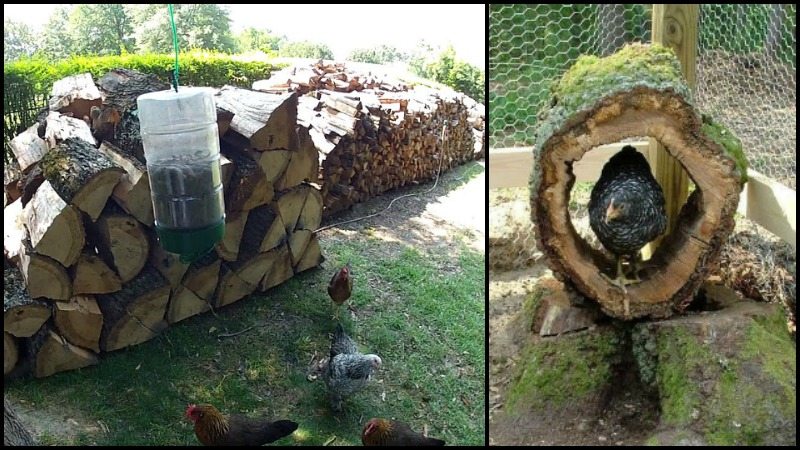
Backyard chickens need mental and physical stimulation to stay healthy and happy. Without enough to do, chickens can become bored, leading to unhealthy behaviors like feather pecking, aggression, and stress. Providing engaging chicken toys encourages natural behaviors such as foraging, scratching, and perching.
This guide offers 10 easy DIY chicken toy ideas you can make from common household items. These simple projects will help keep your flock active, entertained, and free from boredom.
Have a look at these ten chicken toys that you can easily make to keep them entertained and healthy all the time… 🙂
Click on any image to start the lightbox display. Use your Esc key to close the lightbox. You can also view the images as a slideshow if you prefer.
Toys for Chickens: 10 Easy DIY Ideas for Backyard Hens
1. Interactive Treat Dispensers (DIY Treat Bottle)
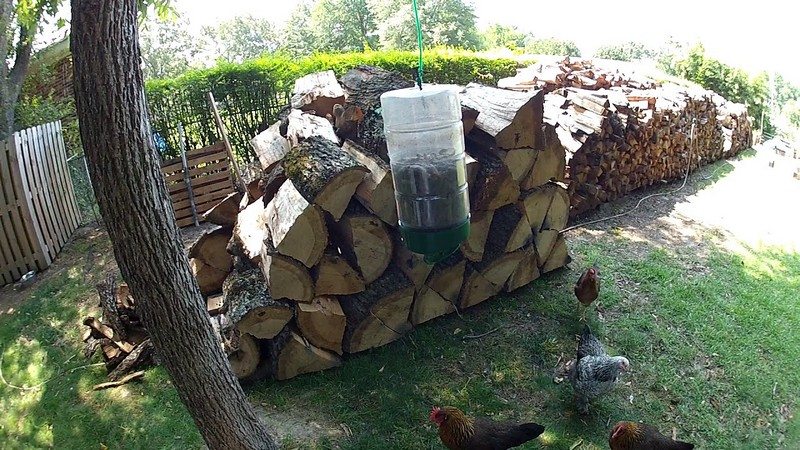
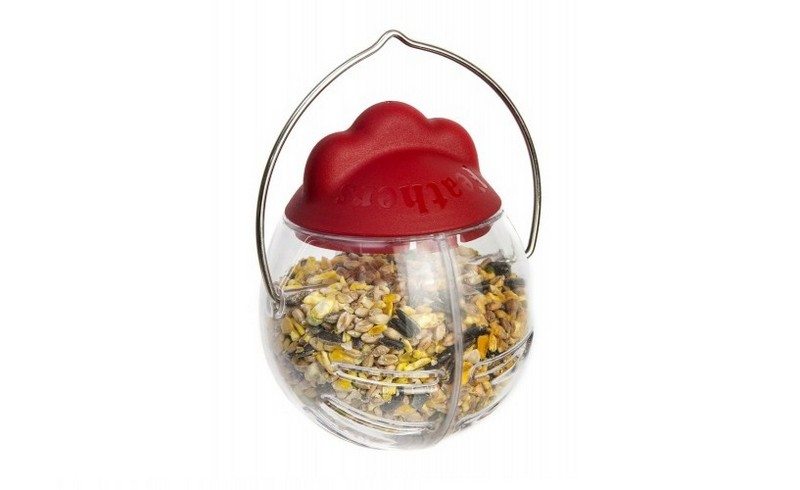
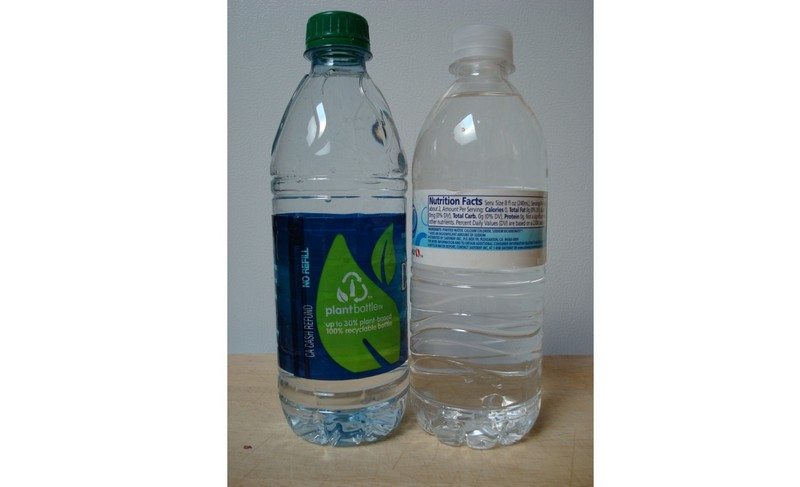
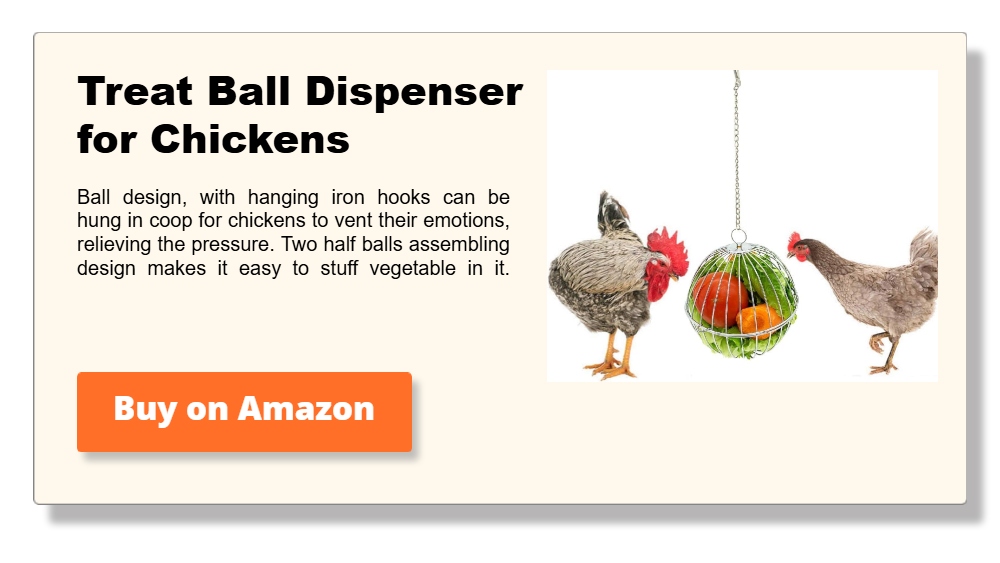
Interactive treat dispensers are excellent chicken toys for encouraging foraging and providing mental stimulation. This easy DIY project uses empty plastic containers to create a fun challenge for your flock.
What Are the Materials Needed to Make an Interactive Treat Dispenser
- Sturdy plastic bottle or peanut butter jar (washed and dry)
- Drill or sharp nail (for making holes)
- Chicken feed or scratch mix
- Sandpaper (optional, for smoothing edges)
How to Make an Interactive Treat Dispenser: Step-By-Step Instructions
- Rinse and thoroughly dry the plastic bottle or jar.
- Drill several small holes around the sides of the container. The holes should be just large enough for a single piece of chicken feed to fall through.
- Use sandpaper to smooth any rough plastic edges around the holes. This prevents your chickens from cutting their beaks.
- Fill the container with chicken feed or a scratch mix, then securely put the lid back on.
- Place the treat dispenser in the chicken run or coop. You can gently roll it to show your chickens how the treats fall out.
Safety Tips
Regularly inspect the dispenser for cracks or sharp edges and remove it if damaged. Always choose sturdy plastic that will not easily break or splinter.
2. Shredded Newspaper
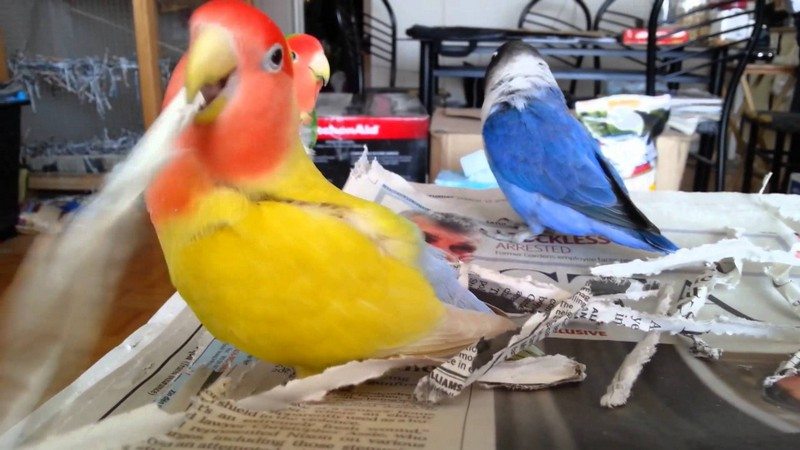
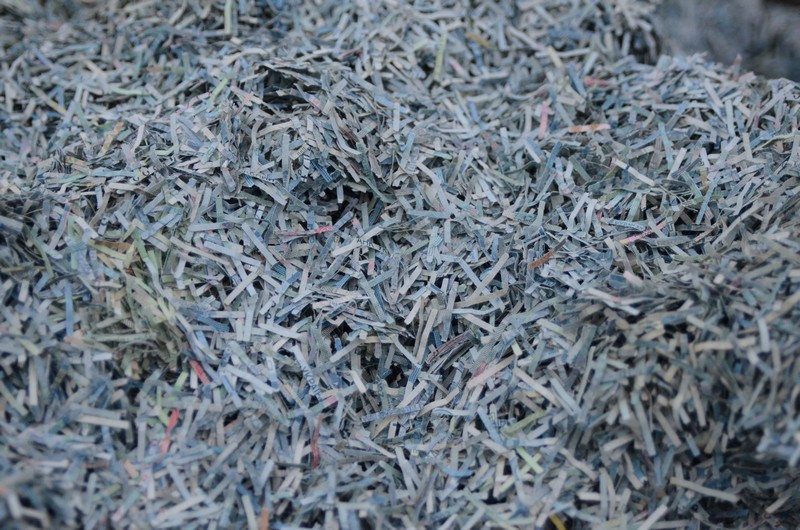
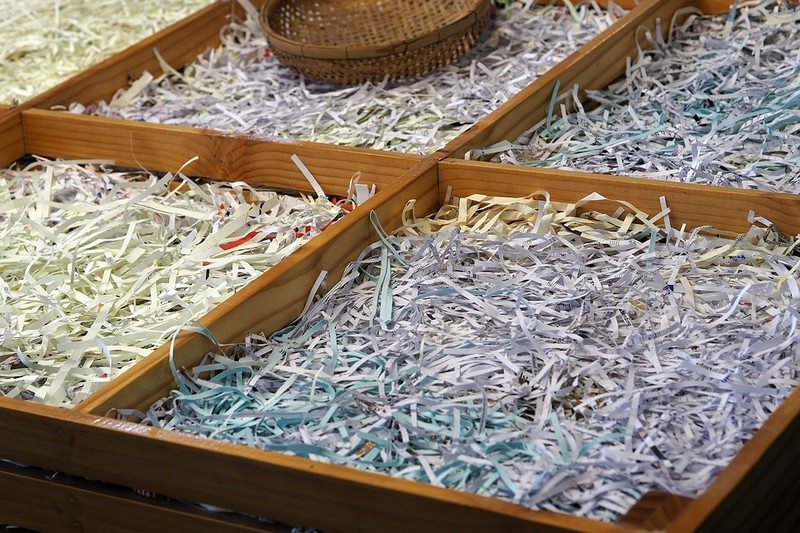
Shredded newspaper is a simple and effective chicken toy that encourages natural foraging and scratching behaviors. It also provides a great way to recycle old newspapers.
What Materials Will You Need
- Old newspapers (avoid glossy inserts or colored ads)
- A large box or container (optional, to contain the paper)
Steps
- Gather a stack of old newspapers. Make sure they are plain newsprint and do not include glossy magazine pages or heavily colored advertisements, as these can contain inks that might be harmful.
- Shred the newspapers into long strips or small pieces. You can do this by hand or use a paper shredder.
- Scatter the shredded newspaper directly on the coop floor or inside a large, shallow box.
- You can hide a few treats or a sprinkle of feed within the paper to encourage your chickens to dig and explore.
Safety Tips
Remove and replace the shredded paper regularly to keep the coop clean. Only use plain, black and white newspaper. Ensure the paper is dry to prevent mold growth.
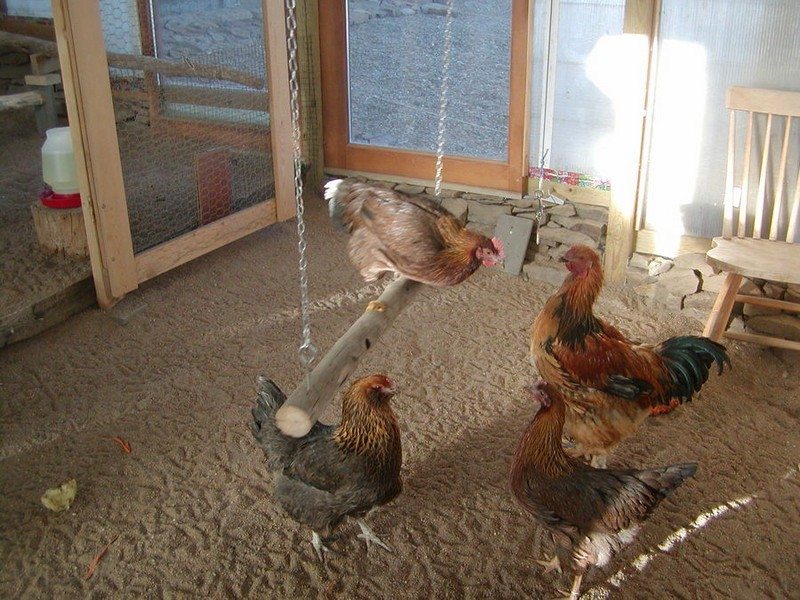
3. Perching Places
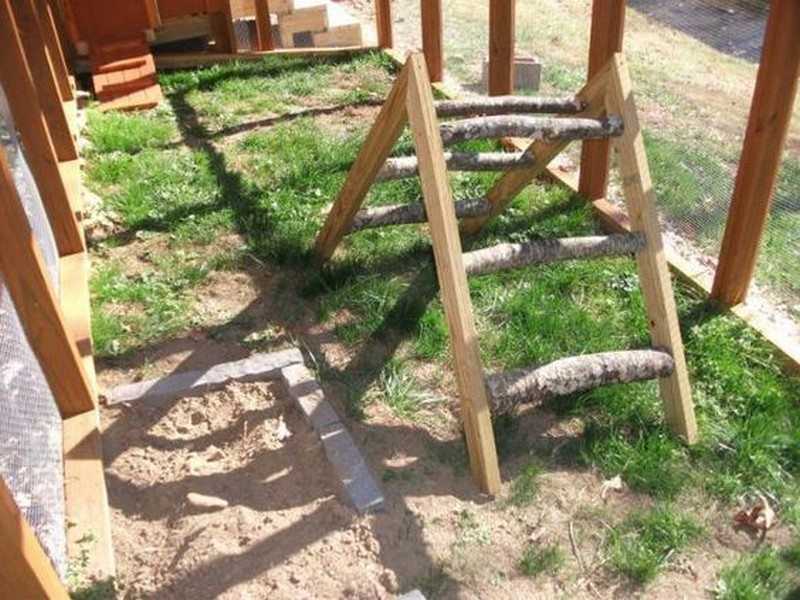
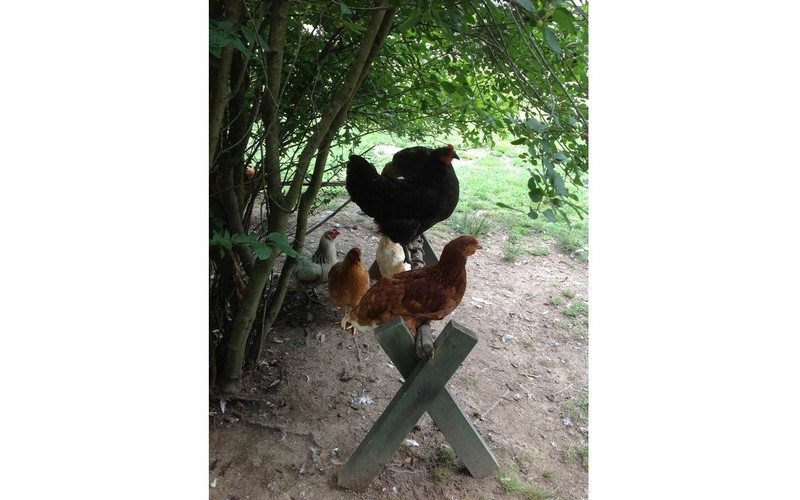
Perching places are important chicken toys because they give your flock a chance to climb, balance, and rest off the ground. Outdoor perches act like a chicken jungle gym and encourage natural roosting behavior during the day.
Materials
- Thick tree branches, logs, or sturdy wooden poles
- Saw (if you need to cut branches to size)
- Screws or nails
- Drill or hammer
- Two sturdy supports such as posts or a frame
Steps
- Choose several strong branches or poles that are thick enough to support a full-grown chicken.
- Create a simple frame or use existing posts in your run to support the perches.
- Attach the branches horizontally at different heights using screws or nails. Make sure each perch is stable and will not twist or roll.
- Place the perches inside the chicken run, in a dry and safe area.
- Observe your chickens as they explore, hop up, and test the new perching places.
Safety Tips
- Avoid perches that are too thin, as they may hurt your chickens’ feet.
- Check for sharp splinters or protruding nails and remove or sand them.
- Keep the highest perch at a safe height so birds can jump down without injury.

4. Old Tree Stump or Branch (Bug Hunting Station)
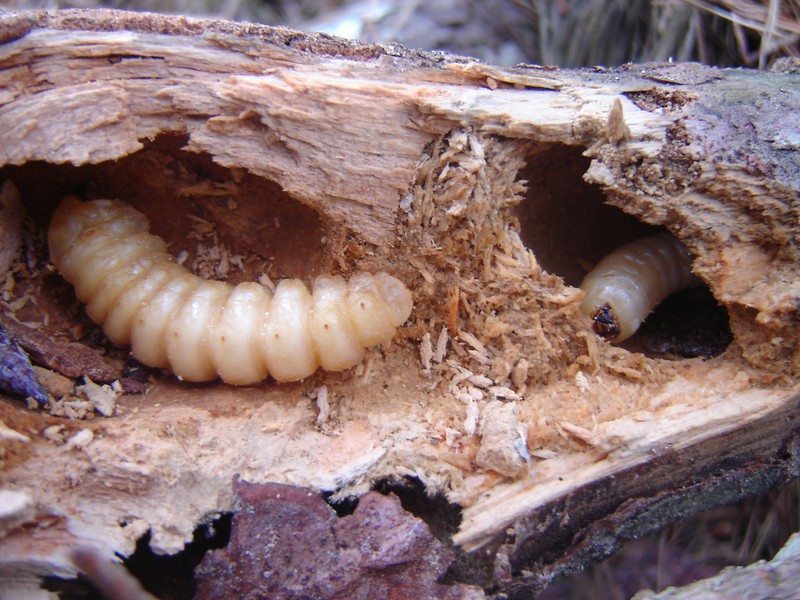
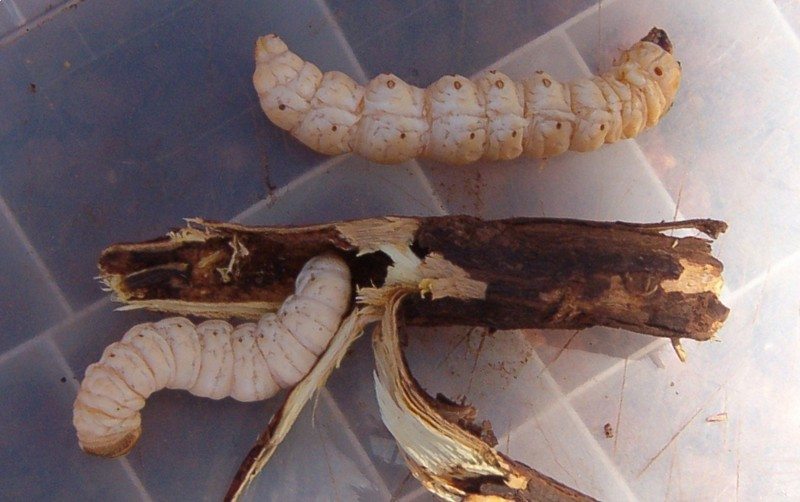
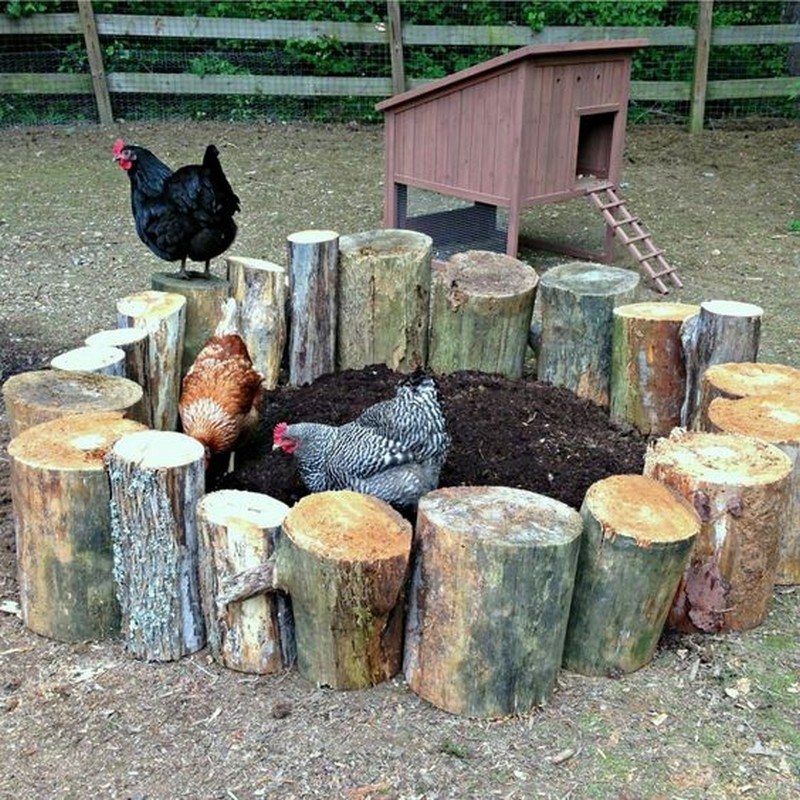
An old tree stump or large branch is a natural toy for chickens. It attracts bugs and small insects that your flock can hunt and eat. This turns ordinary wood into a foraging station that satisfies their instinct to scratch and peck.
Materials
- Old tree stump, large branch, or log
- A small shovel or garden fork (optional)
Steps
- Place the stump or log in one area of your yard or run and leave it there for several days.
- Over time, insects and other small creatures will move underneath the wood.
- After a few days, lift or roll the stump or branch to expose the damp soil and hidden bugs.
- Allow your chickens to rush in and peck at the bugs and larvae.
- When they lose interest, place the wood back down and repeat the process in a few days.
Safety Tips
Do not use rotten wood that crumbles into unsafe, sharp pieces. Make sure the stump or branch is not treated with chemicals or paint. Move the wood carefully so you do not accidentally hit or drop it on a chicken.

5. Old CDs (Shiny, Colorful Hanging Toys)
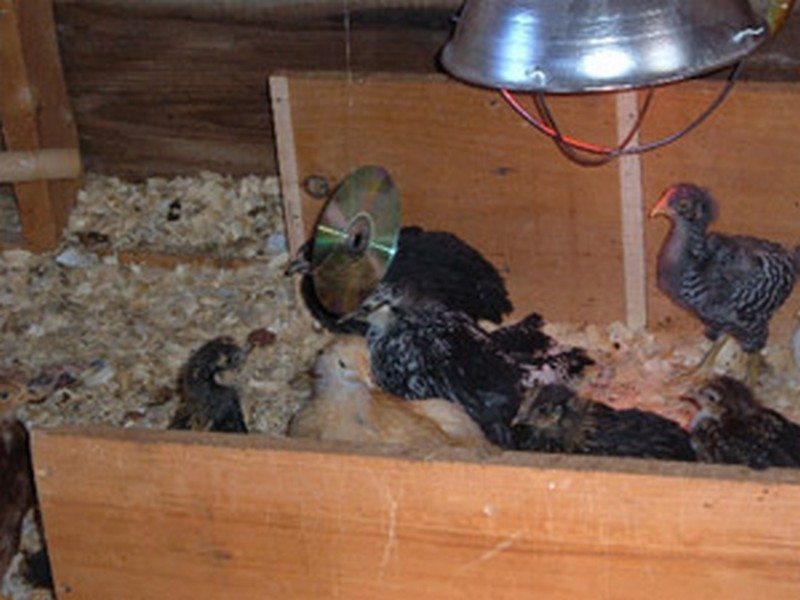
Chickens see color well and are naturally curious about shiny, moving objects. Old CDs can be turned into simple hanging chicken toys that catch the light and give your flock something fun to peck at and investigate.
Materials
- Old CDs or DVDs
- String, twine, or light chain
- Scissors
- A hook, nail, or branch for hanging
Steps
- Collect several old or scratched CDs that you no longer need.
- Cut a length of string or twine and thread it through the center hole of each CD.
- Tie a knot to secure the CD so it does not slide off.
- Hang the CD at head height for your chickens, in a safe, open area of the run. You can hang several together so they spin and sparkle.
- Watch as your chickens peck at the reflections and chase the moving lights.
Safety Tips
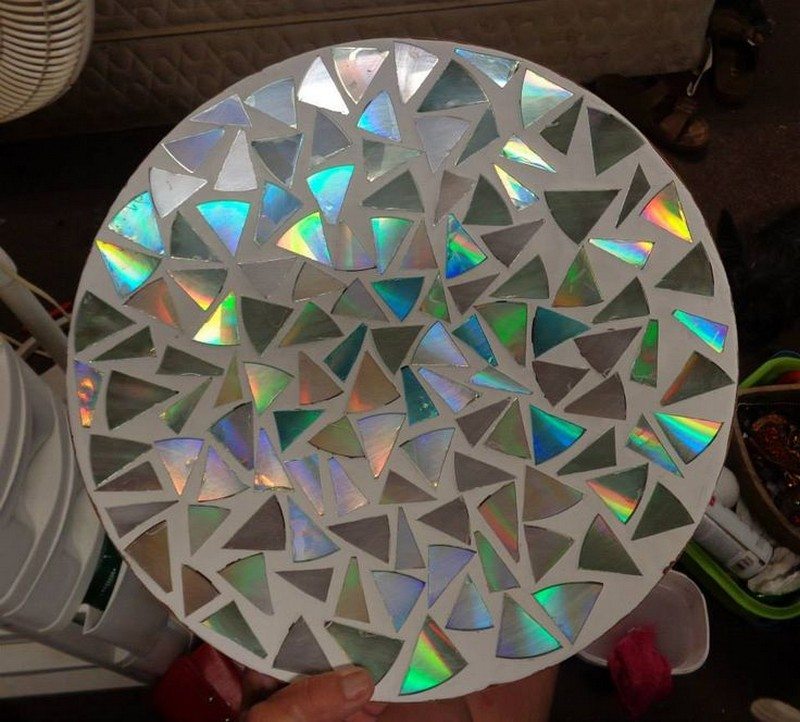
Avoid hanging CDs where they could blow into a fence or sharp surface. Do not break the CDs into small pieces, as sharp edges can be dangerous. Make sure the string is secure and short enough that chickens cannot become tangled.

6. Compost Piles (Working and Foraging Toy)
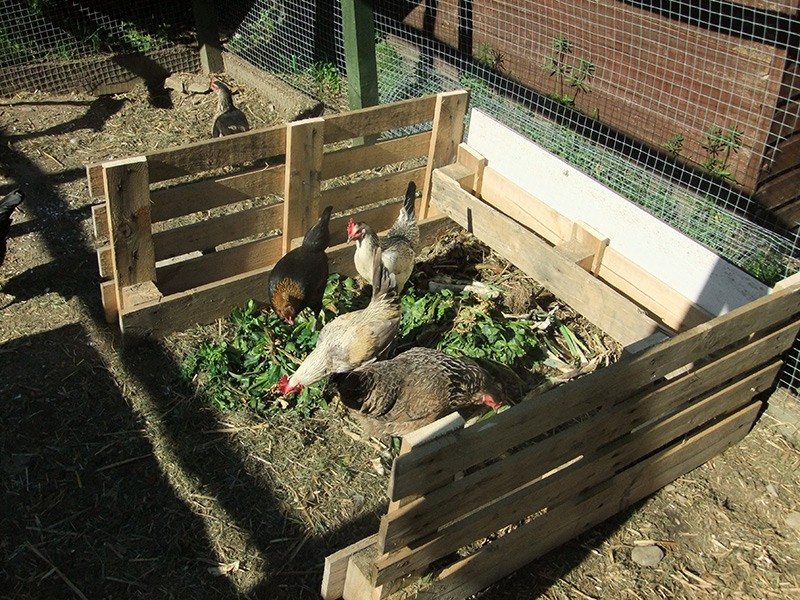
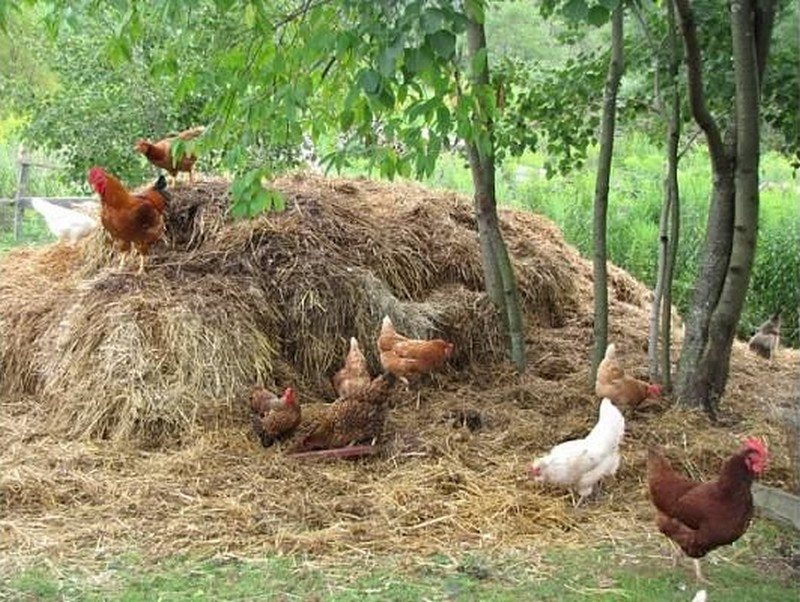
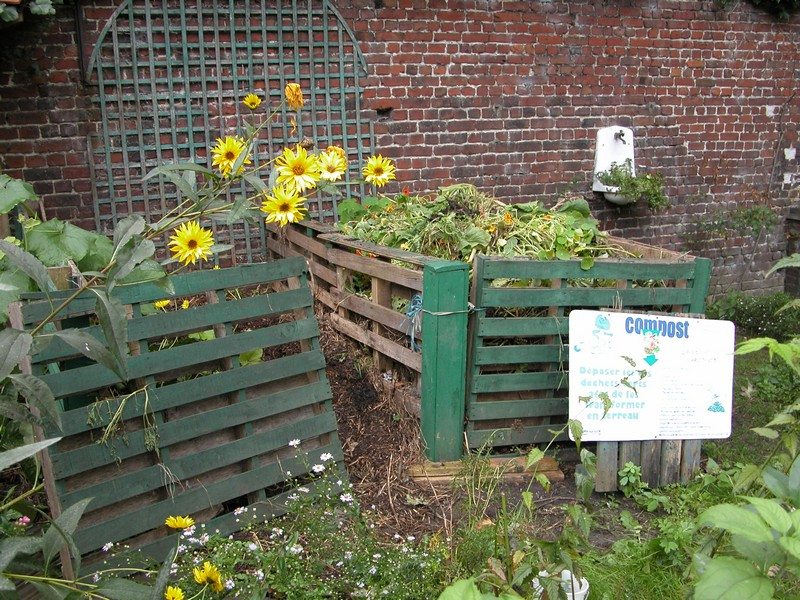
A simple compost pile can become one of the best toys for chickens. It encourages scratching, digging, and foraging, and your birds will happily help you turn kitchen scraps and yard waste into rich compost.
Materials
- Compost bin or a designated compost area
- Fruit and vegetable scraps, yard clippings, and dry leaves
- Access for your chickens to scratch in the pile
Steps
- Choose a safe area where you can build a compost pile or place a low compost bin.
- Add layers of kitchen scraps, grass clippings, leaves, and other compostable materials. Avoid adding meat, dairy, and very salty or moldy foods.
- Allow your chickens supervised access to the compost pile. They will scratch through the layers, eat insects and worms, and help mix the material.
- Occasionally, use a rake or fork to turn the compost, then let your chickens continue the work.
Safety Tips
If your compost pile is very large or deep, supervise closely so chickens do not get trapped. Make sure the compost area is secure from predators. Do not allow your chickens to eat moldy, spoiled, or toxic foods.
7. Dust Baths
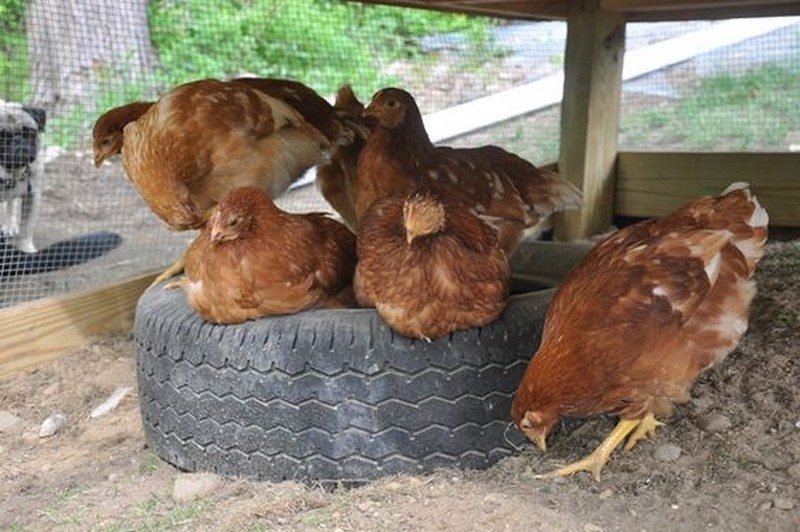
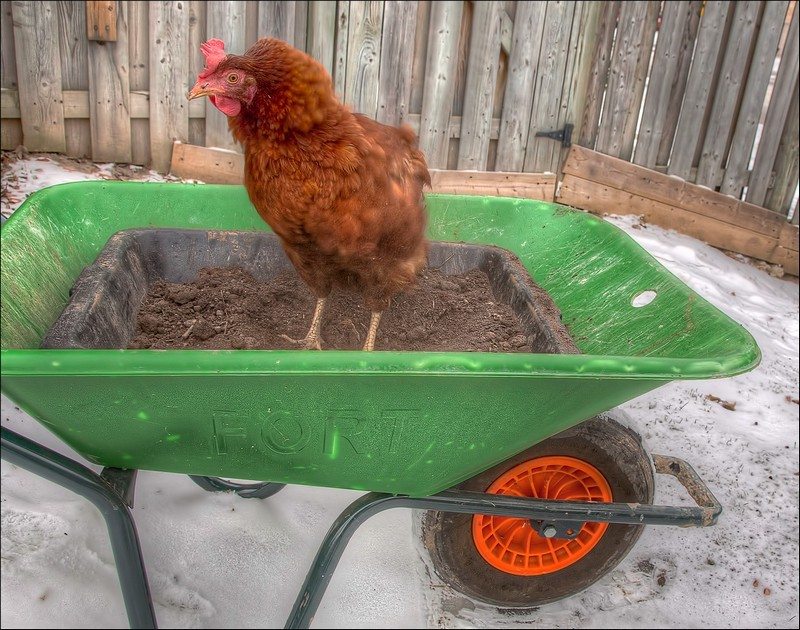
Dust baths are essential for chicken health. They help control mites and parasites and also act as a social activity. A well-made dust bath functions as both care and play, giving your flock a place to roll, flap, and relax together.
Materials
- Large, shallow container such as a kiddie pool, plastic bin, or wooden box
- Clean sand, dry dirt, or a mix of both
- Optional: a small amount of wood ash from untreated firewood
Steps
- Choose a container that is at least 10 to 12 inches deep and wide enough for several chickens to fit comfortably.
- Place the container in a dry, sheltered area of the run where it will not fill with rainwater.
- Fill it with about 4 inches of sand, dry dirt, or a mixture of the two. You can add a small amount of clean wood ash if you like, but avoid ash from treated or painted wood.
- Gently place one or two chickens into the dust bath to show them the new area.
- Soon they will start to scratch, roll, and flap their wings, throwing dust over their feathers and inviting other birds to join.
Safety Tips
Clean and refill the dust bath regularly to maintain good hygiene. Keep the dust bath dry. Replace the material if it becomes muddy or moldy. Avoid using chemicals, scented litter, or any harsh substances in the bath.
8. Pet Bird Toys and Baby Toys (For Curious Chicks)
Small pet bird toys and soft baby toys can work well for young chicks. These toys stimulate curiosity, pecking, and gentle play without relying on food treats, which is better for developing birds.
Materials
- Lightweight pet bird toys without small, loose parts
- Soft baby toys or plush animals (without batteries or hard plastic eyes)
- Hooks or string to hang toys, if needed
Steps
- Choose simple, colorful toys that are too large for chicks to swallow. Avoid toys with loose beads, bells that can break, or long strings.
- Place soft toys on the floor of the brooder or chick area so the chicks can peck and climb on them.
- Hang lightweight bird toys at chick head height where they can tap and move them.
- Watch how the chicks respond. Remove any toy that frightens them or seems unsafe.
Safety Tips
Clean toys regularly to keep the brooder sanitary. Remove any toy that becomes torn, frayed, or chewed open. Avoid toys with small parts, batteries, magnets, or hard plastic eyes that can break off.
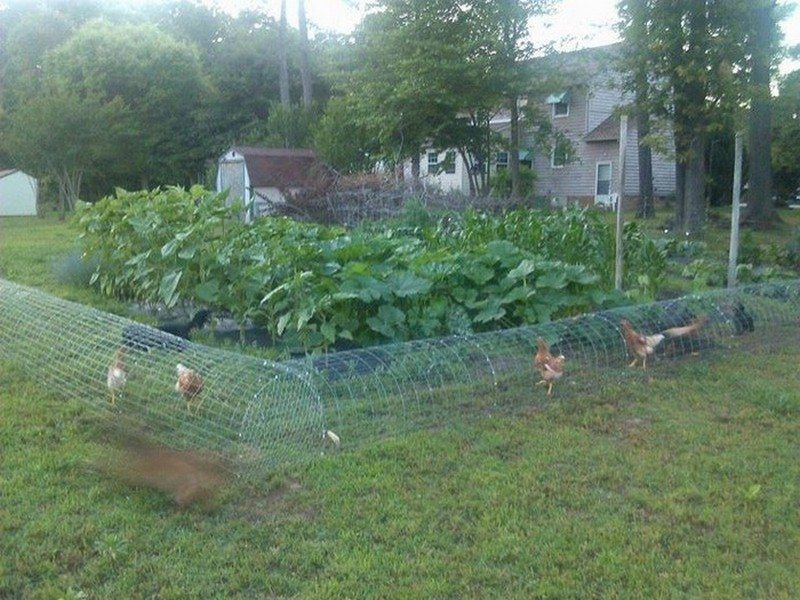
9. Runs and Tunnels (Mini Chicken Run for Play)
A chicken run gives your flock space to roam and explore. You can add simple tunnels to create more interest and encourage movement. For chicks, a mini run or tunnel made from a plastic container can feel like a Playground.
Materials
- Existing chicken run or safe outdoor area
- Large plastic containers such as milk jugs or 2 liter bottles
- Scissors or a utility knife (for adults only)
- Optional: small pet tunnels or PVC pipes
Steps
- For chicks, take a clean plastic container such as a milk jug or large bottle.
- Cut off the top and smooth any rough edges. Create a wide opening that chicks can walk through.
- Place the container on its side in the brooder or small run, so it forms a tunnel.
- For older chickens, you can use larger tunnels or low arches made from PVC pipes or pet tunnels in the run.
- Arrange the tunnels in different patterns to keep things interesting.
Safety Tips
Secure larger tunnels so they cannot roll or collapse on a chicken. Make sure all openings are large enough for birds to pass through easily, so they do not get stuck. Sand or trim any sharp plastic edges.
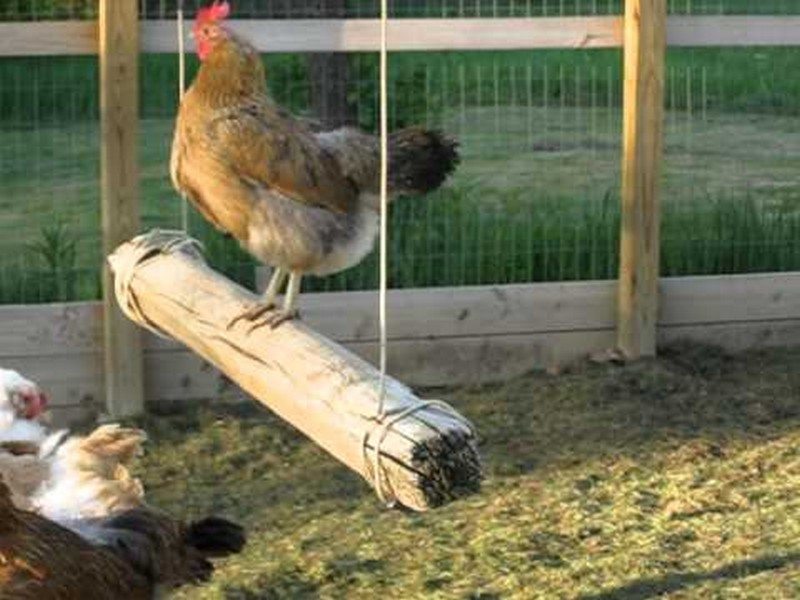
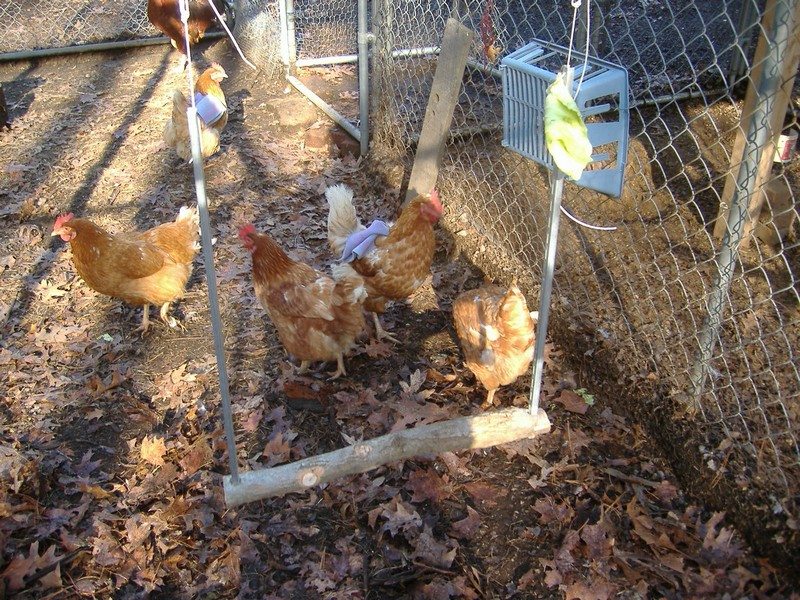
10. Rope Swing (Balance and Leg Exercise)
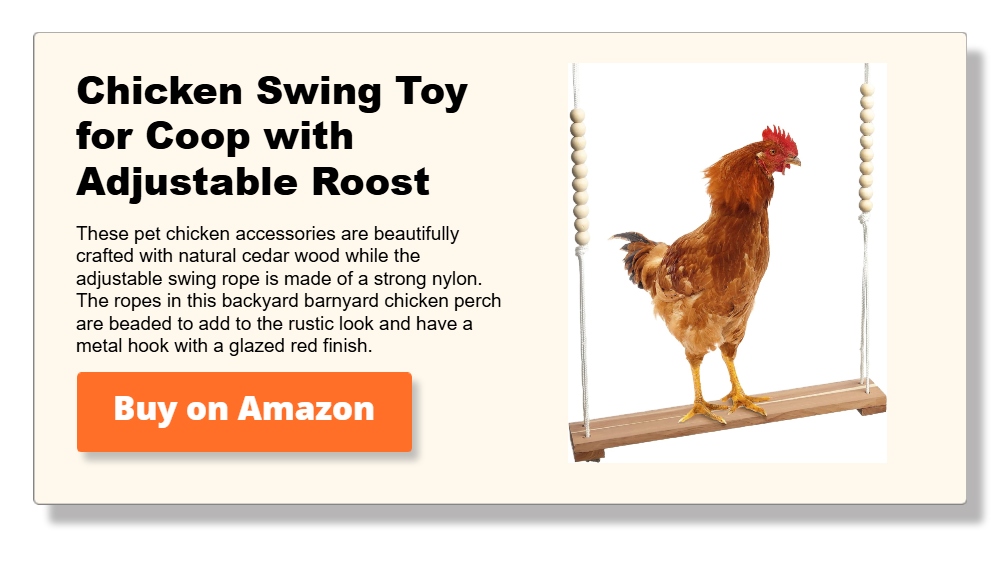
A rope swing is a classic chicken toy that helps improve balance and leg strength. It also gives birds a comfortable place to rest above the ground and can reduce boredom in confined runs.
Materials
- Strong rope or cord
- Wooden rod, thick dowel, or sturdy tree branch
- Saw (if you need to cut the rod)
- Stable overhead support such as a beam or tree branch
Steps
- Cut the wooden rod or tree branch to a length that comfortably fits several chickens, such as 60 to 90 centimeters.
- Cut two equal lengths of rope.
- Attach one rope securely to each end of the wooden rod with tight knots.
- Tie the other ends of the ropes to a solid overhead support so the rod hangs evenly and does not tilt to one side.
- Adjust the height so the swing is just above ground level, making it easy for chickens to hop on and off.
- Give your chickens time to get used to the swing. Some may jump on right away, while others will wait and watch.
Safety Tips
Keep the swing low enough to prevent leg injuries from jumping down. Test the swing by pulling and pressing on it to make sure it holds firm before allowing chickens to use it. Check ropes and knots regularly for wear and retie or replace if needed.
Looking to build a chicken coop but don’t want to spend a fortune? Check out our free chicken coop plans here…
Cluck ‘n’ Roll: Safety First With Chicken Toys!
Before you add any new chicken toys, it is important to think about safety. The right toys will encourage natural behavior without putting your flock at risk.
1. Choose Safe Materials
Pick non toxic, sturdy materials that can handle pecking and scratching. Avoid treated wood, sharp metal, or plastics that might shatter. If you are unsure about a material, leave it out.
2. Size and Openings Matter
Make sure toys are large enough that parts cannot be swallowed. Avoid openings that are just big enough for a chicken’s head, as this can cause birds to get stuck.
3. Smooth Surfaces and Edges
Check every toy for rough edges, splinters, loose screws, and sharp corners. Sand or cover rough spots so your chickens do not injure their feet, beaks, or combs.
4. Build Strong, Stable Toys
Chickens can be surprisingly strong when they jump and flap. Make sure perches, swings, and climbing structures are firmly attached and can hold several birds at once without tipping.
5. Weather and Location
Outdoor toys must handle sun, rain, and wind. Use weather resistant materials where possible and place toys in spots that drain well. Avoid low, muddy areas that stay wet.
6. Easy Access and Variety
Place toys where chickens can easily reach and use them. Offer a mix of perches, foraging toys, dust baths, and tunnels. Rotate toys every week or two so your flock does not lose interest.
7. Supervise New Toys
When you introduce a new toy, watch how your chickens react. Remove any toy that causes panic, aggressive behavior, or seems unsafe in practice.
8. Regular Maintenance
Inspect all chicken toys often. Clean them, remove broken parts, and replace anything that looks worn out. A short weekly check can prevent injuries and keep your flock safe.
The Wrap Up
Backyard chickens are curious and intelligent animals. They need more than food and water to stay content. Simple chicken toys can turn an ordinary coop into an active, healthy environment.
By offering perches, swings, foraging games, dust baths, tunnels, and natural bug hunting areas, you encourage your flock to scratch, peck, climb, and explore throughout the day. These activities reduce boredom, lower stress, and can help prevent behavior problems such as feather pecking and bullying.
You do not need to spend a lot of money. Many of the best toys for chickens are made from items you already have at home, such as bottles, branches, boxes, and old CDs. With a little creativity and attention to safety, you can design a coop that keeps your hens busy and content.
Frequently Asked Questions: Toys for Chickens
Why do my chickens need toys?
Chickens need toys to prevent boredom and stress. Toys encourage natural behaviors such as foraging, scratching, perching, and dust bathing. This keeps your flock mentally and physically active and helps reduce problems like feather pecking and bullying.
Are these toys safe for my chickens?
These chicken toys are safe when built and used correctly. Always choose non-toxic, sturdy materials and avoid sharp edges, loose parts, and treated wood. Check toys often for damage and remove anything that becomes unsafe.
Will chicken toys attract pests or predators?
Toys themselves do not usually attract predators. However, leftover food from treat toys or a dirty coop can. Keep the run clean, remove spoiled food, and store feed securely. A well maintained coop is less likely to attract pests and unwanted visitors.
How do I introduce new toys to my chickens?
Place new toys in the run or coop where chickens can easily see them. You can sprinkle a small amount of feed nearby to encourage first contact. Give your flock time to explore at their own pace. Some birds will be curious right away, while others take longer.
Can these toys be used for different chicken breeds?
Yes. These toys work for most standard and bantam chicken breeds. You may need to adjust the height of perches and swings for larger or smaller birds. Always check that openings and tunnels are big enough for your largest hen.
Will chicken toys help egg production?
Toys do not directly increase egg production, but they support a healthy, low stress environment. Chickens that feel safe and active are more likely to lay well. Enrichment helps your flock stay calm and can support steady laying over time.