
Last Updated on December 11, 2025 by teamobn
Hypertufa planters are lightweight, stone-look pots that you can make from a simple DIY mix of Portland cement, peat moss, and perlite. They look like natural rock, but they are much easier to move and shape than real stone.
These planters are perfect for succulents, alpine plants, and small ferns because the walls are porous. That means they hold some moisture while still letting roots breathe. Hypertufa planters are also inexpensive to make, and you can shape them into almost any size or design you like.
In this guide, you will learn:
- What hypertufa is
- The exact hypertufa mix ratio to use
- How to make a hypertufa planter step by step
- How to keep your planters from cracking in winter
- Which plants grow best in hypertufa planters
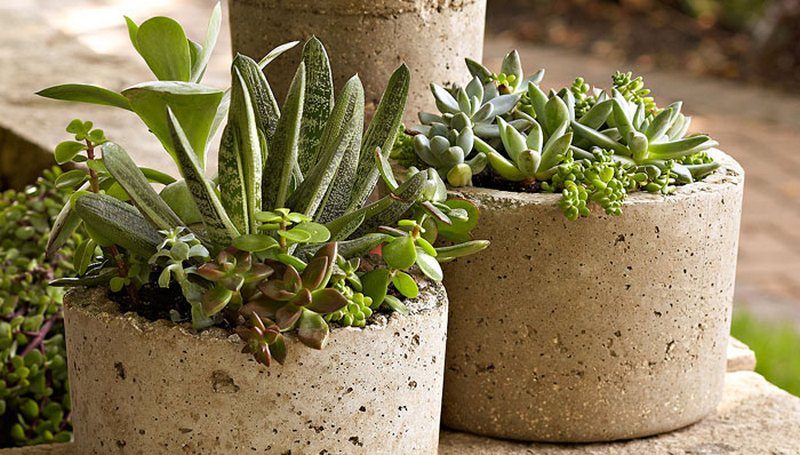
Want something different for your garden? These hypertufa planters could be the right one for you!
The pale gray and ivory monoliths jutting out on the shores of California’s Mono Lake may look like eerie art installations, but they occur naturally and are actually limestone formations.
The limestone is formed by the constant deposition of calcium-rich algae and other minerals in the lake. Over time, the limestone builds up and forms these strange-looking structures.
Tufa is a variety of limestone, and the Mono Lake rock formations are famous for their otherworldly beauty.
Over time, these deposits build up and form the spectacular rock formations that are so beloved by visitors. If you love the look of tufa limestone planters but don’t want to spend a fortune on them, you can make them on your own.
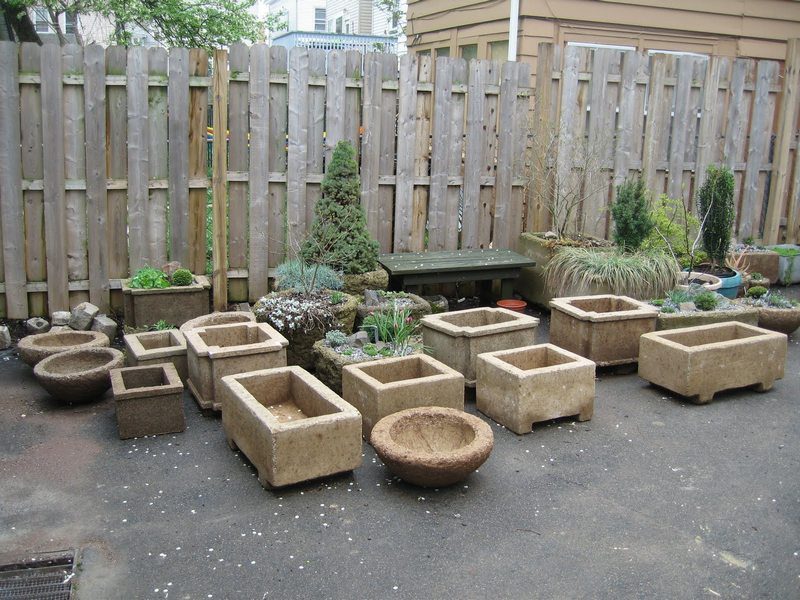
Hypertufa Planter Quick Guide
- Best hypertufa mix ratio: 2 parts Portland cement, 3 parts perlite, 3 parts peat moss
- Water: Add slowly until the mix feels like thick oatmeal that holds its shape
- Initial curing time: 24 to 36 hours in the mold
- Final curing time: 7 to 10 days wrapped and kept damp in the shade
- Best plants: Sedums, sempervivums, succulents, alpine plants, and small ferns
- Main benefits: Lightweight, stone like look, porous, long lasting, and low cost
What Is Hypertufa?
Tufa is a natural type of limestone that forms over a long time when minerals build up in lakes and springs. The strange pale rock towers at Mono Lake in California are a famous example of tufa formations.
Hypertufa is a man made version that mimics the look and feel of tufa stone. It is usually made from Portland cement, peat moss, and perlite or vermiculite. The mix sets into a light, gritty, porous material that looks like stone.
Hypertufa planters are popular in small gardens and patios because they are:
- Easier to move than heavy stone
- More affordable than many ceramic pots
- Porous, so plant roots can breathe and extra water can drain away
You can make hypertufa containers in many sizes. They can be as large as a shallow basin for a mini rock garden, or as small as a cup sized planter for a single succulent.
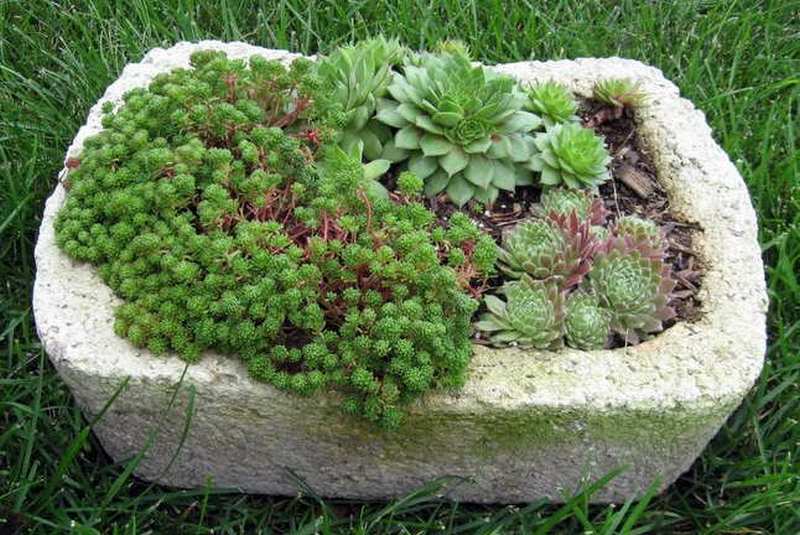
Crafting Hypertufa Planters
Making hypertufa planters is a simple DIY project. You need a few basic tools, a place to mix, and some patience while the planter cures.
What Materials Are Needed to Craft a Hypertufa Planter?
- 2 parts Portland Cement
- 3 parts Perlite (or vermiculite)
- 3 parts Peat Moss (or sawdust)
- Water
Tools:
- Measuring container (for parts)
- Large container or tub for mixing
- Waterproof gloves
- Plastic sheet or drop cloth
- Two containers to use as molds (one larger, one smaller)
- Cooking spray or plastic wrap
- Wire brush or old knife
How Do You Make A Hypertufa Planter: Step-by-step Instructions
Step 1. Prepare Your Workspace
Lay a plastic sheet or drop cloth on a flat surface outdoors or in a well-ventilated shed. Put on waterproof gloves to protect your hands from the cement. Gather all your materials and tools so you do not have to stop once you start mixing.
Why it matters: Cement can irritate your skin and lungs. A clean, safe space helps you work faster and more comfortably.
Step 2. Measure The Dry Ingredients
Use your measuring container to mix by parts, not by weight.
- Add 2 parts Portland cement
- Add 3 equal parts perlite or vermiculite
- Add 3 equal parts peat moss or sawdust
Try to measure as accurately as you can. A correct ratio keeps the mix light but still strong.
Step 3. Combine The Dry Mix
Pour all the dry ingredients into a larger mixing tub. Use your gloved hands to blend everything until the color looks even. Break up any clumps of peat moss so you do not get weak spots or big chunks in the planter walls.
Why it matters: Even mixing helps the planter cure evenly and resist cracking.
Step 4. Add Water Slowly
Pour in a small amount of water and mix. Keep adding water a little at a time and mix after each addition.
You want the mix to feel like thick oatmeal or cookie dough. It should hold its shape when you squeeze a ball of it in your hand, but should not drip or run.
If the mix gets too wet, add a little more peat moss and perlite to balance it.
Why it matters: A mix that is too wet can become weak, crack, or crumble later.
Step 5. Prepare The Molds
Choose two containers that nest inside each other:
- The larger container shapes the outside of the planter.
- The smaller container creates the inner planting space.
Spray both containers with a light coat of cooking oil or line them with plastic wrap. This helps the hypertufa release more easily when it is time to unmold.
Step 6. Pack The Hypertufa Mix
Scoop some hypertufa mix into the bottom of the larger outer mold. Press it down firmly.
Work the mix up the sides to create walls about 4 centimeters thick. Try to keep the top rim level for a neat finish.
Why it matters: Walls that are too thin are more likely to crack or break when you remove the mold.
Step 7. Create The Cavity
Place the smaller inner mold in the center of the outer mold. Press it down carefully until the gap under it matches the depth you want for planting.
Weigh the inner mold with stones, sand, or water so it stays in place. If you see gaps or thin spots between the two molds, press in more hypertufa mix.
You can also push a small piece of dowel or pipe through the bottom to create a drainage hole.
Step 8. Initial Curing
Cover the entire setup with a plastic bag or sheet to hold in moisture. Leave it undisturbed for 24 to 36 hours in a cool, shaded place.
The surface should feel firm and cool to the touch when it is ready to unmold. It should not feel soft or wet.
Why it matters: Slow, gentle curing at this stage helps prevent cracks and makes the planter stronger.
Step 9. Unmold And Refine
Remove the weights and lift out the inner mold first. Then turn the outer mold over and gently tap or flex it until the hypertufa planter slides free.
Use a wire brush, stiff brush, or old knife to smooth or roughen edges while the mix is still slightly soft, also called green. You can round the rim or add texture to the sides.
Step 10. Final Curing
Wrap the planter in damp burlap or plastic and set it in the shade. Keep it damp for 7 to 10 days. You can mist it lightly each day or re wet the burlap if it starts to dry out.
After a week, you can move the planter to a sheltered spot where it can continue to cure.
Why it matters: Slow curing makes the cement stronger and helps close tiny channels in the surface. This helps the planter resist water damage and freezing.
Step 11. Rinse And Plant
After the curing period, rinse the planter well with clean water. This helps wash away some of the lime from the surface.
If you did not create a drainage hole earlier, drill one now using a masonry bit.
Let the planter dry completely. Then fill it with an appropriate potting mix and add your favorite plants such as succulents, alpines, or small ferns.
Your handmade hypertufa planter will continue to harden over the next few weeks. Over time, moss and lichens may grow on the surface, giving it a natural, aged stone look.
You can also watch the step-by-step instructions here…
What Molds Can You Use For Hypertufa Planters?
You do not need special molds for hypertufa. Many common household items work very well and give you interesting shapes.
Repurposed Kitchenware
Old mixing bowls, salad bowls, and loaf pans all make good molds. Line them with a thin grocery bag or plastic wrap. The plastic stops sticking and can add fine wrinkles that look like natural rock lines.
Keep the walls at least 4 centimeters thick, especially at the rim. Thin rims are easy to chip.
Once the planter is unmolded, you can brush or scrape the edges to remove sharp lines and help moss take hold over time.
Plastic Bottles And Buckets
Cut the tops off clean plastic buckets, ice cream tubs, and water jugs. Their smooth sides make it easy to release the planter after curing.
Spray the inside of the mold with cooking oil before adding the mix.
For tall planters, you can tape a cardboard tube in the center to create a drainage channel. Remove the tube after the first day and brush away any loose grit.
Cardboard And Foam For Organic Shapes
Cardboard boxes can become quick square or rectangular molds. Wrap them in clear tape so they do not soften when the mix is wet.
If you want more natural curves, carve dense packing foam with a bread knife and cover it with plastic wrap. Foam lets you create soft, flowing shapes that look like worn river stones.
Simple Release Agents
Lightly rubbing molds with vegetable oil or petroleum jelly helps prevent sticking. For extra texture, roll the oiled mold in dry sand before packing it with hypertufa. The sand grains leave tiny pits in the surface once rinsed, which gives an aged, rocky look.
After unmolding, scrub the planter with a stiff brush to knock off loose particles and reveal the speckled mix.
How Do You Make Hypertufa Planters Survive Winter Freeze And Thaw?
Cold weather and freezing water can damage porous containers. A few smart tricks help your hypertufa planters last for many seasons outdoors.
Add Fibers For Flexibility
Mix in a handful of polypropylene fibers or natural coconut fibers with your dry ingredients. Fibers help bridge small cracks and spread stress evenly through the walls.
They also reduce weight a little, which makes the planters easier to move.
Make sure you blend the fibers well so you do not see large clumps.
Use Wire Mesh For Strength
You can reinforce larger planters with light chicken wire or galvanized hardware cloth.
Cut a piece of mesh that can wrap around the cavity inside the planter. Bend it to match the shape and place it in the middle of the wall thickness, not right at the inner or outer surface.
As you pack the hypertufa mix, it will surround and grip the wire. This hidden skeleton helps the planter resist breaking when temperatures drop below freezing.
Add Tiny Air Pockets With Dish Soap
You can create tiny air bubbles in the mix by adding a small amount of dish soap to the water. Stir a teaspoon of mild dish soap into the water before you add it to the dry mix.
Gently fold the soapy water into the mix. Do not beat or whip it. These small bubbles give freezing water a little space to expand so it does less damage.
Keep Curing Slow And Moist
Fast drying is the enemy of strong cement. Always wrap fresh planters and keep them damp for at least a week.
After the first week, move them to partial shade and mist them daily for another week if possible. This gentle drying helps seal tiny pathways that would otherwise soak up too much water.
Well cured hypertufa planters shed water better and handle freeze and thaw cycles with less cracking.
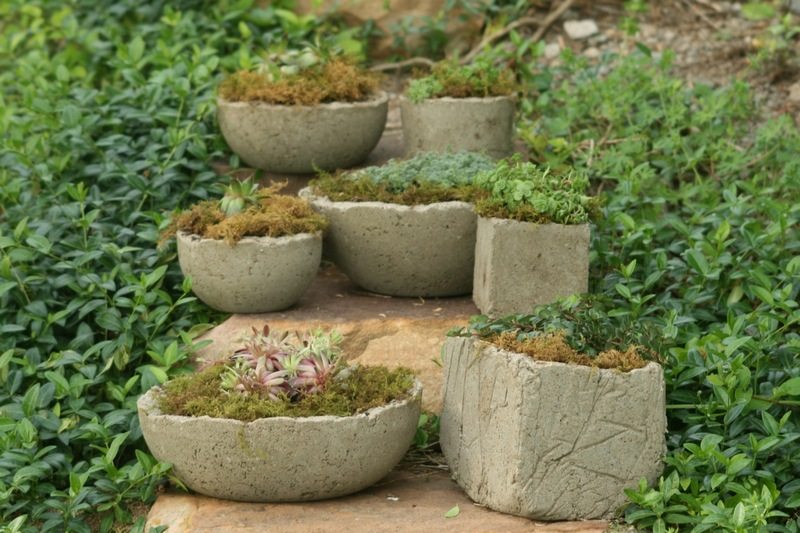
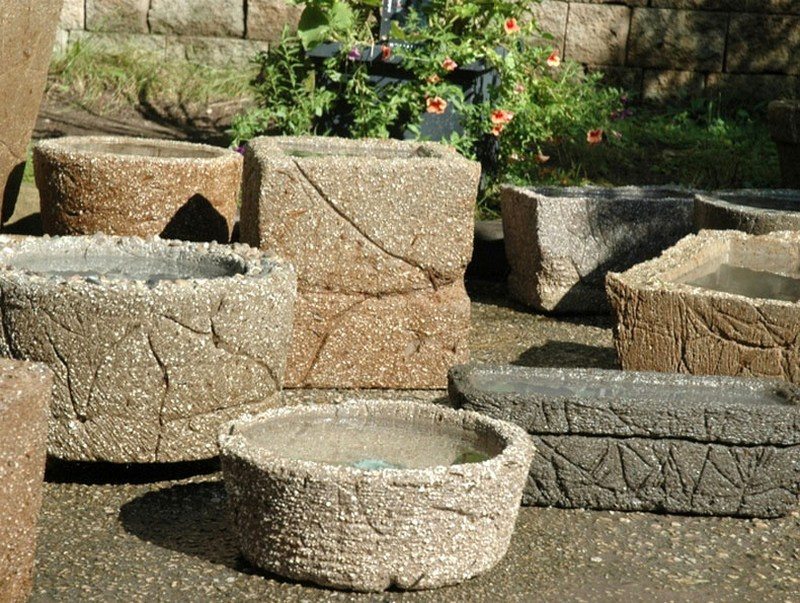
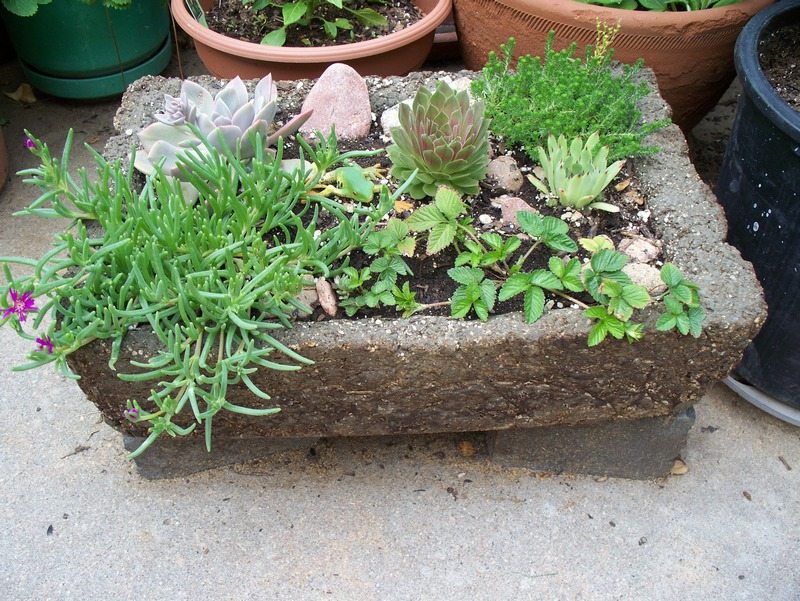
Hypertufa Planters Gallery
Click on any image to start the lightbox display. Use your Esc key to close the lightbox. You can also view the images as a slideshow if you prefer 😎

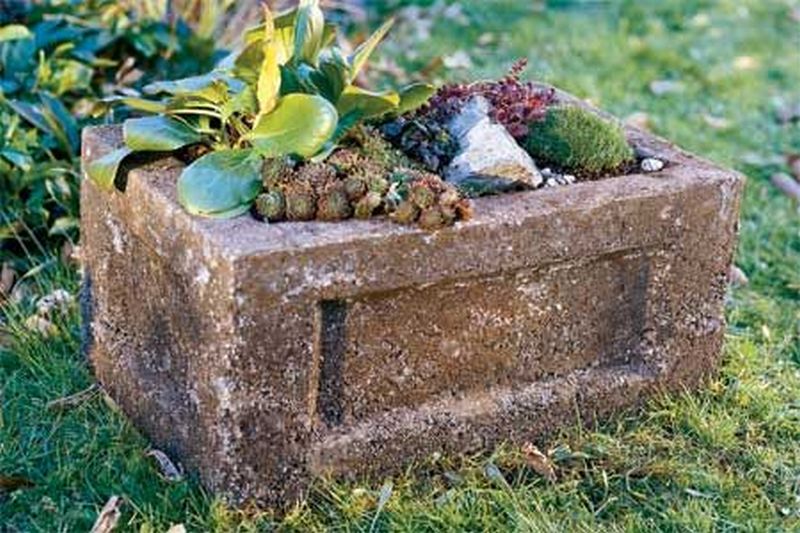


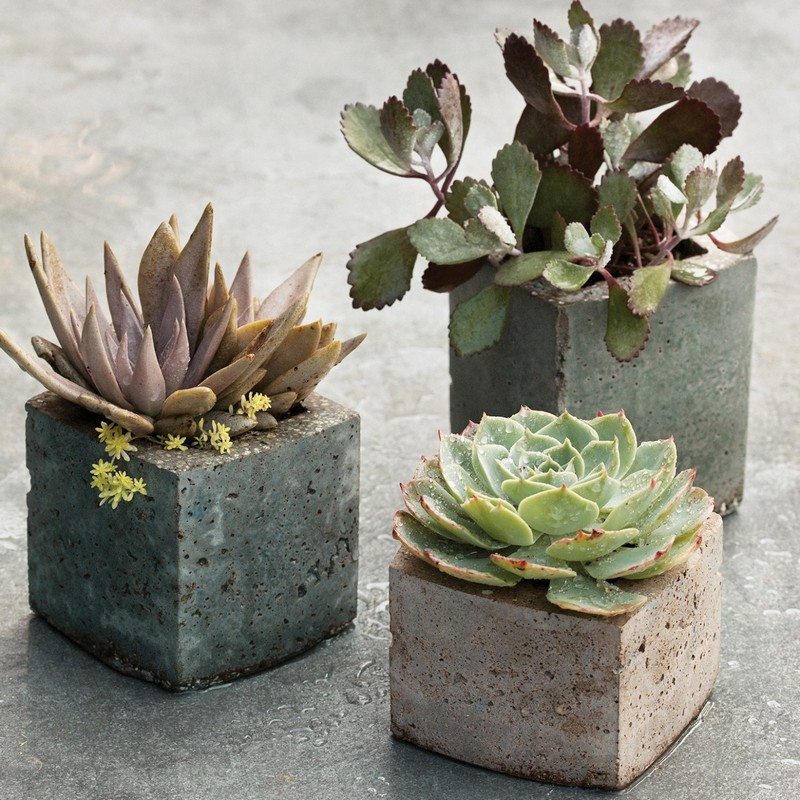
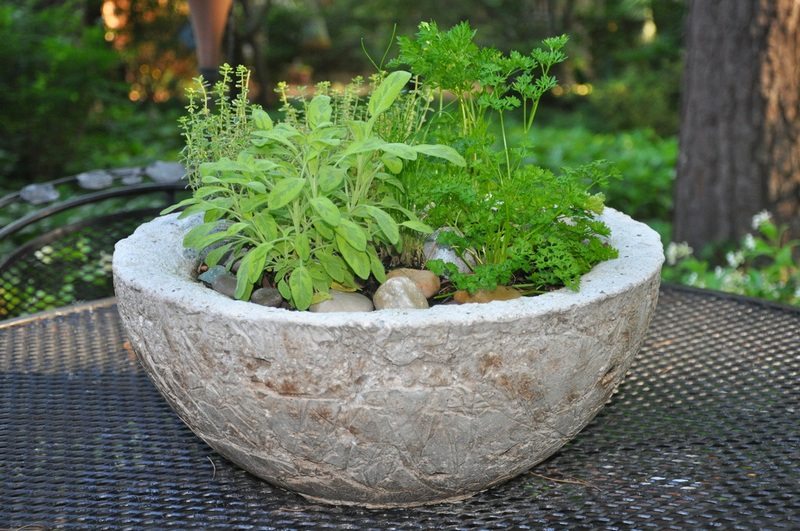
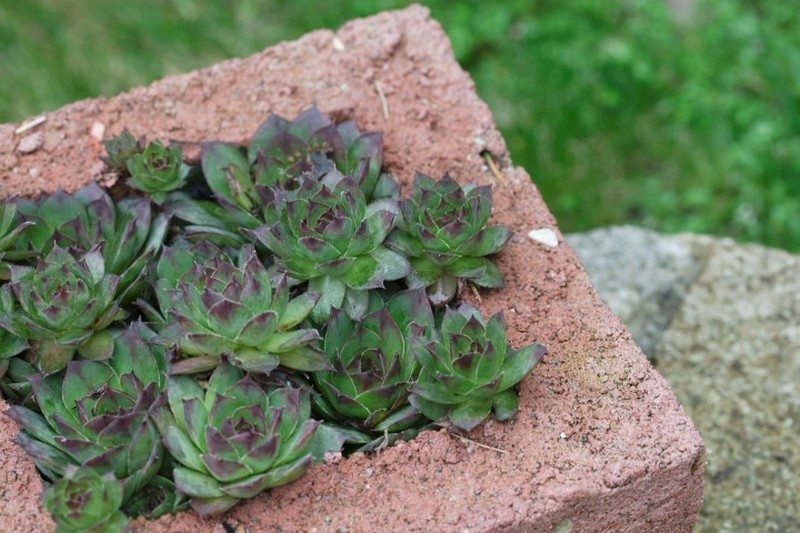

What Plants Grow Best In Hypertufa Planters?
Porous walls and mineral rich surfaces create perfect little homes for certain types of plants. Choosing the right ones will make your containers look like living stone sculptures.
Drought-Loving Succulents: Sedums And Sempervivums
Stonecrop (sedum) and hen and chicks (Sempervivum) are classic choices for hypertufa planters.
Use a very well-drained mix. A simple blend is:
- Half cactus mix
- Half coarse grit or small gravel
Tuck small rosettes into crevices along the rim or into small pockets in the planter surface. Their shallow roots grip the rough material easily.
Water lightly once a week in warm weather. Hypertufa drains quickly, which helps prevent the root rot that often kills succulents in glazed pots.
Shade Companions: Miniature Ferns
Small ferns such as dwarf maidenhair and button ferns like cool, moist, dappled conditions.
Use a mix such as:
- Peat-free compost
- Fine bark
- Perlite for air and drainage
Plant ferns slightly below the rim to hold in a bit more humidity. Their fronds will spill over the edge and soften the rough stone-like look.
Feed once a month during the growing season with a weak liquid fertilizer such as diluted fish emulsion.
Cold Climate Gems: Saxifrages And Edelweiss
These alpine plants naturally grow on rocky slopes and gravel fields. Hypertufa is almost ideal for them.
For alpines, add crushed granite chips or sharp grit to the top layer of soil to improve drainage. Set the planter on bricks or pot feet so air can move under it and water can drain freely.
Snow in winter will usually not hurt them. Porous walls let meltwater escape instead of trapping it around the roots.
In spring, they reward you with bright, star-like flowers against the gray stone look of the planter.
Soil Mixes And Feeding
Match the soil mix to the natural needs of your plant:
- Succulents like gritty, lean soil
- Ferns like richer, organic, airy soil
- Alpines prefer mineral rich, sharply drained soil
Each season, top dress the planter with a thin layer of fresh mix or gravel instead of digging deep. This protects fine roots that may have grown into the walls.
Feed lightly. Too much fertilizer makes soft growth that is more likely to rot or catch diseases.
Seasonal Care And Cleaning
In hot summer weather, check moisture with your finger. Push your finger into the soil about 2 centimeters. If the soil feels cool and slightly damp, wait before watering.
In autumn, flush built up salts by watering deeply until water runs clear from the drainage hole.
Brush the outside of the planter gently with a soft brush to remove loose dirt and algae. Try not to scrub away all the natural patina, since this gives hypertufa its aged stone charm.
Common Hypertufa Problems And How To Fix Them
Even with care, a few problems can show up. Here are some quick answers.
- Problem: The planter cracks while curing
- Cause: The walls were too thin, or they dried too fast.
- Fix: Keep walls at least 4 centimeters thick. Wrap the planter and keep it out of direct sunlight while it cures. Mist if it starts to dry out.
- Problem: The planter feels weak or crumbly
- Cause: Too much water in the mix or not enough cement.
- Fix: Follow the 2 parts cement, 3 parts perlite, 3 parts peat moss ratio. Add water slowly and stop when the mix holds its shape.
- Problem: White powder appears on the surface
- Cause: Lime from the cement is leaching out.
- Fix: Scrub the planter with a stiff brush and rinse well. Leaving it outdoors in the rain for a week also helps wash it away.
- Problem: Plants look soggy or rotten
- Cause: Poor drainage or a mix that holds too much water.
- Fix: Add more grit or perlite to the soil. Make sure there is at least one good drainage hole and that it is not blocked.
Conclusion
Crafting hypertufa planters blends creativity with practical skill. Careful measuring and slow curing reward you with lightweight, stone-like pots. Adding fibers or mesh strengthens walls against harsh weather. Thoughtful plant choices let each container shine throughout the seasons. Follow these steps and your garden gains lasting texture, character, and charm.
If you liked this project, you will also like viewing these easy DIY projects…
Frequently Asked Questions About Hypertufa Planters
What is the best hypertufa mix ratio for planters?
A common and reliable mix ratio is 2 parts Portland cement, 3 parts perlite, and 3 parts peat moss. This gives you a light, porous material that is still strong enough for outdoor planters.
How long should hypertufa cure before planting?
Let the planter set in the mold for 24 to 36 hours. Then unmold it and cure it wrapped in damp burlap or plastic in the shade for 7 to 10 days. Rinse well and let it dry before adding soil and plants.
Can hypertufa planters stay outside in winter?
Yes, if they are made and cured correctly. Keep the walls at least 4 centimeters thick, cure them slowly, and use a well drained soil mix. Adding fibers and using good drainage also help prevent freeze and thaw damage.
Are hypertufa planters safe for vegetables and herbs?
Most gardeners use hypertufa mainly for ornamental plants such as succulents, flowers, and ferns. If you want to grow edible plants, let the planter weather outdoors for several weeks, rinse it well, and use high quality soil. If you are unsure, you can reserve hypertufa planters for non edible plants and use other containers for herbs and vegetables.
How can I make hypertufa planters lighter?
Use perlite instead of sand or gravel and avoid very thick walls. Adding fibers can also reduce weight a little while keeping the planter strong.