Last Updated on August 12, 2026 by teamobn
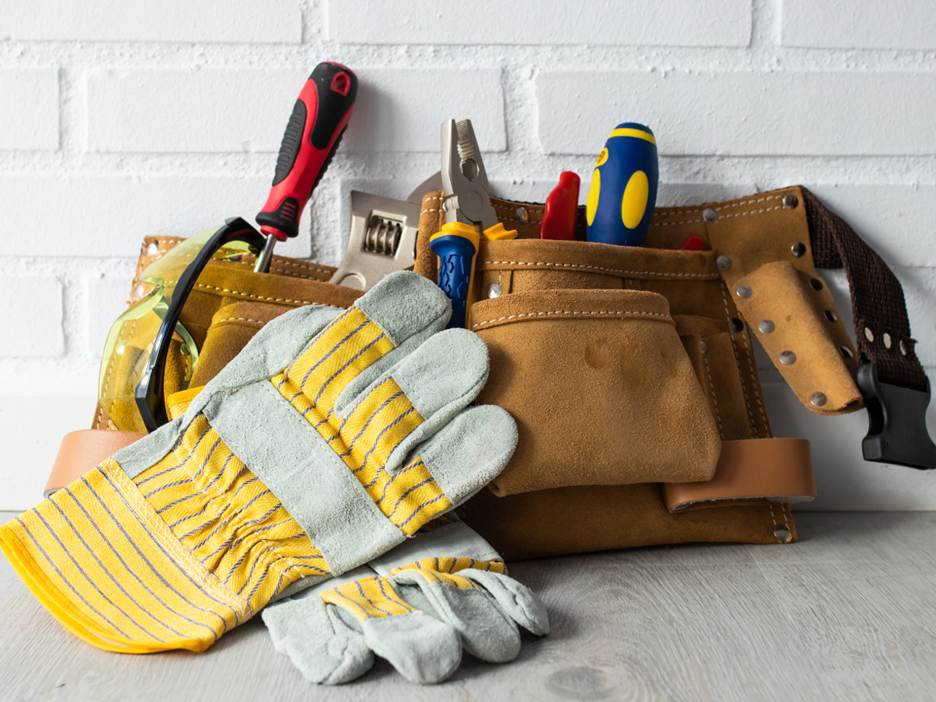
Preventive home maintenance plays a critical role in protecting a property’s structural integrity, safety, and long-term value. Homes are made up of interconnected systems that naturally experience wear over time due to regular use, environmental exposure, and aging materials. When routine upkeep is deferred, minor issues within one system can quietly place stress on others, increasing the risk of unexpected failures that disrupt daily life and lead to costly repairs.
In many cases, household emergencies are not random events but the outcome of overlooked warning signs and postponed maintenance. Situations such as sudden drain backups highlight the need for a same-day drain cleaning service for emergency response when routine care has been neglected. While emergency solutions restore functionality, they also underscore the importance of consistent inspections and early intervention as the most reliable ways to prevent disruption and financial loss.
Why Routine Maintenance Matters for Long-Term Home Health
Routine maintenance supports the overall health of a home by addressing minor issues before they develop into larger, system-wide problems. Preventive home maintenance enables homeowners, landlords, and property managers to identify early signs of wear, inefficiency, or damage and address them under controlled conditions rather than in urgent situations.
From a financial standpoint, planned maintenance expenses are typically lower and more predictable than emergency repairs. When systems fail unexpectedly, repairs involve higher labour costs, secondary damage, and limited scheduling flexibility. Over time, a consistent maintenance approach reduces cumulative costs while preserving property value.
Equally important is safety and reliability. Well-maintained plumbing, electrical, roofing, HVAC, and foundation systems contribute to a stable living environment. While emergency solutions restore functionality, they also underscore the importance of consistent inspections and early intervention as the most reliable ways to prevent disruption and financial loss.
Plumbing Systems and Water Flow Management
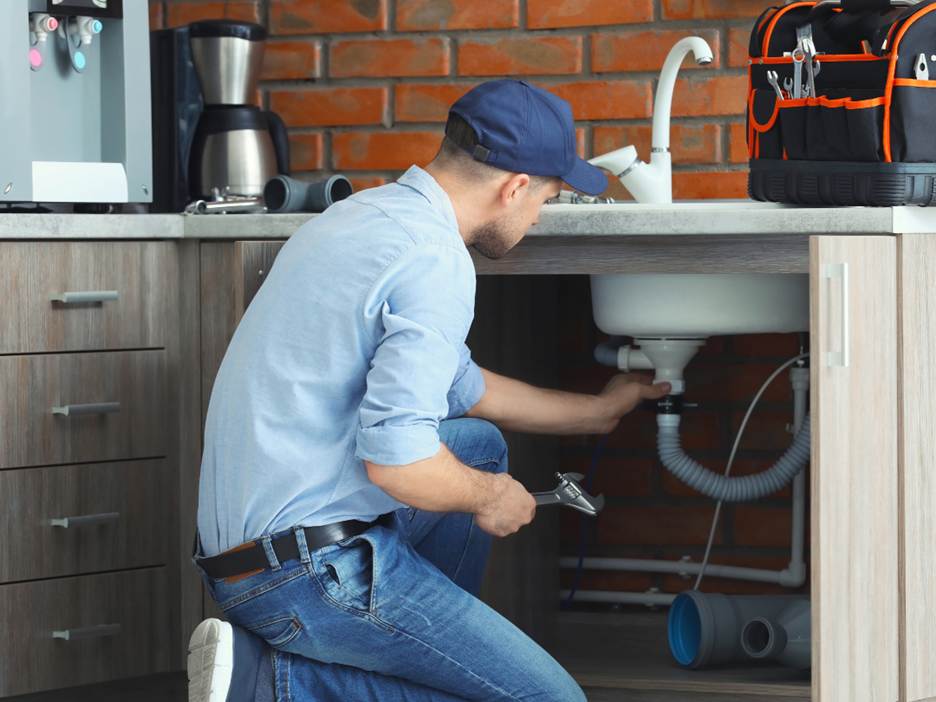
Plumbing systems are among the most vulnerable areas when maintenance is overlooked. Pipes, drains, fixtures, and seals experience constant use and gradual buildup that can restrict water flow or weaken connections.
Common Plumbing Issues That Escalate Without Maintenance
Minor plumbing concerns can appear insignificant at first, but usually worsen if left unaddressed. Common plumbing problems are as follows:
- Slow-draining sinks or tubs caused by buildup in pipes
- Small leaks under sinks or behind walls
- Inconsistent water pressure throughout the home
- Unusual sounds in pipes when water is running
Over time, these issues can lead to pipe corrosion, water damage, and mould growth in the interior. Many homeowners rely on drain cleaning services only after a blockage becomes severe. Regular drain inspections and cleaning help prevent sudden backups that require same-day drain cleaning intervention.
Early Warning Signs in Drainage Systems
Drainage problems provide clear signals before a complete failure occurs. Check out the early indicators below where drainage systems require maintenance:
- Recurring clogs in multiple fixtures
- Water keeps backing up in lower-level drains
- Persistent odours near sinks or floor drains
Addressing these signs early reduces the risk of wastewater exposure and structural damage.
Electrical Systems and Fire Prevention
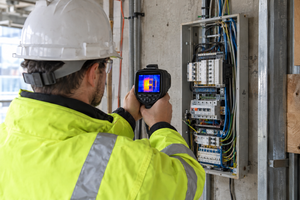
Electrical systems play a critical role in home safety, yet they are overlooked during routine maintenance. Aging wiring, outdated panels, and overloaded circuits can create hidden hazards.
Regular electrical inspections help identify worn insulation, loose connections, and components that no longer meet modern safety standards. In North America, electrical failures are one of the leading causes of residential fires. One widely cited statistic shows that electrical issues contribute to tens of thousands of home fires each year, underscoring the importance of regular inspections and upgrades.
Here are key preventive actions:
- Testing outlets and ground fault circuit interrupters
- Checking for warm outlets or frequent breaker trips
- Replacing damaged cords and outdated fixtures
These steps help ensure electrical systems remain safe and reliable over time.
Roofing and Exterior Protection
A home’s roof and exterior serve as the first line of defence against weather exposure. Even minor exterior damage can allow water intrusion, affecting insulation, framing, and interior finishes.
Roofing Maintenance and Weather Resistance
Roofing materials deteriorate gradually due to sun exposure, wind, and seasonal temperature changes. Preventive inspections help identify vulnerabilities before leaks develop. It’s crucial to look out for:
- Missing or damaged shingles
- Cracked flashing around vents and chimneys
- Accumulated debris in roof valleys
Regular maintenance extends roof lifespan and reduces the risk of interior water damage.
Gutters, Downspouts, and Water Control
Effective water management protects foundations and basements from moisture-related issues. Proper gutter and downspout maintenance encompasses:
- Clear gutters direct water away from the structure
- Proper downspout extensions reduce soil erosion
- Functional grading prevents water pooling near foundations
Water management failures are a common contributor to foundation problems, which are among the most expensive home repairs.
Foundations and Structural Stability
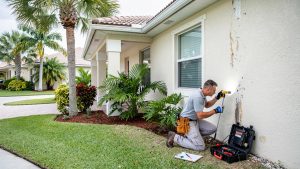
Foundations provide structural support and stability for the entire home. Small cracks or drainage issues can worsen over time if not addressed.
Preventive foundation maintenance includes:
- Monitoring cracks for changes in size or direction
- Ensuring proper drainage around the perimeter
- Addressing soil settlement or erosion early
A study on residential structural repairs suggests that early intervention can reduce repair costs by more than half compared to a delayed response. While foundation issues may appear minor initially, they indicate underlying water or soil movement problems.
HVAC Systems and Indoor Comfort
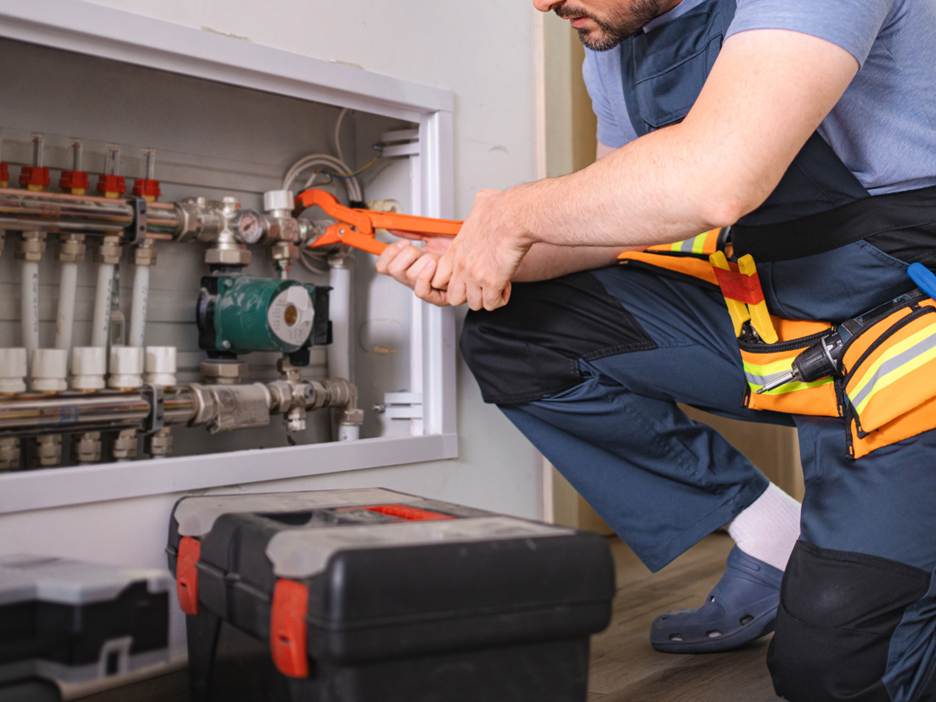
Heating, ventilation, and air conditioning systems regulate indoor temperature, air quality, and humidity. Neglected HVAC systems often fail during peak usage periods.
Routine HVAC maintenance supports:
- Consistent heating and cooling performance
- Improved indoor air quality
- Reduced energy consumption
Simple tasks such as filter replacement, duct inspections, and seasonal servicing extend system life and reduce the likelihood of sudden breakdowns.
Using a Home Maintenance Checklist for Consistency
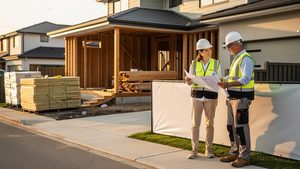
A structured home maintenance checklist helps property owners stay organized and proactive. Rather than reacting to visible damage, checklists promote routine inspections across all systems.
A comprehensive checklist may contain:
- Monthly plumbing and drain checks
- Seasonal roof and gutter inspections
- Annual electrical and HVAC evaluations
Property managers and landlords benefit especially from documented maintenance routines, which support compliance, tenant satisfaction, and asset protection.
Practical Habits That Reduce Emergency Risk
Preventive home maintenance is not limited to inspections. Daily habits also influence system longevity. Daily homeowner habits that help lower emergency risk are as follows:
- Avoid disposing of grease or debris down drains
- Monitor water usage and pressure changes
- Address minor repairs promptly
Consistent attention reduces dependency on emergency services and minimizes reminders of neglect.
When Maintenance Is Overlooked, and Emergencies Occur
Despite best efforts, some emergencies still happen. In plumbing-related events, delayed maintenance results in severe blockages or backups that require same-day drain cleaning. While same-day drain cleaning can restore function quickly, it also highlights how avoidable many emergencies are with earlier intervention.
Emergency response should be viewed as a backup, not a strategy. Preventive planning, combined with access to drain cleaning services, helps homeowners minimize disruption and property damage.
Building a More Resilient Home Through Routine Care
Preventive home maintenance protects more than just physical structures. It safeguards financial stability, occupant safety, and long-term property value. By addressing minor issues across plumbing, electrical, roofing, foundations, HVAC, and water management systems, homeowners and property managers reduce the likelihood of costly emergencies. Routine care, supported by a reliable home maintenance checklist and awareness of early warning signs, remains the most effective strategy for maintaining a resilient and dependable home.