
Last Updated on December 23, 2025 by teamobn
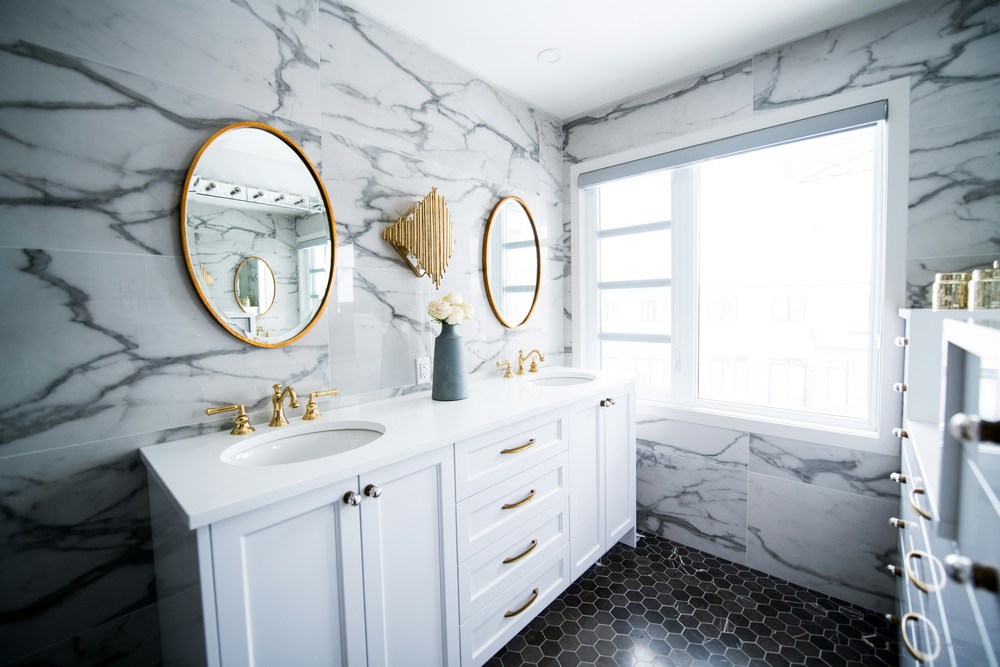
When choosing your bathroom tiles, there’s so much you need to consider, from the type of tile to the size, colour, pattern, and more. For your bathroom, you want a tile that won’t just add to the aesthetic of your home, but due to the nature of activities performed in a bathroom, you also want them to be practical.
In this guide, we’ll chip away at the challenge and give you the best tips for choosing the perfect tiles for your bathroom.
Contents
- 1 Key Takeaways
- 2 How Do I Pick the Best Tiles for My Bathroom?
- 3 Final Thoughts
- 4 FAQ: Bathroom Tiles
Key Takeaways
- Prioritize porcelain or ceramic tiles for high-moisture areas to ensure your bathroom surfaces remain durable and water-resistant over time.
- Select larger tile formats for smaller bathrooms to reduce grout lines and create the visual illusion of a more expansive space.
- Plan your tile layout and starting points before installation to avoid awkward slivers and ensure a symmetrical, professional finish.
- Allocate a 10 to 20 percent wastage buffer when ordering to account for cuts, breakages, and future repairs.
How Do I Pick the Best Tiles for My Bathroom?
To choose the best bathroom tiles, you need to consider the size of your bathroom, the tile material, practicality, and grouting.
This can seem overwhelming, but considering each component individually allows you to narrow your search and find the perfect tiles. We have outlined each category below to show you what to consider.
Choose Your Tile Type
For those wondering where to start when it comes to choosing your bathroom tiles, think practically and take your pick from the different types of tiles.
Here are the best types of tiles to use in a bathroom:
Porcelain Tiles
Porcelain tiles are made to endure thanks to them being durable, highly water-resistant and sturdy. These tiles don’t scratch or stain easily – perfect for the bathroom!
These tiles come in a huge array of colours, and can even be made to look like wood or stone. They also come in a matt or high-gloss finish.
Ceramic Tiles
Consider ceramic tiles as of the same calibre as porcelain tiles – this is largely due to them being made of similar materials, just less finely ground.
This type of tile is also hugely popular due to the range of colours they’re available in. They’re easy to maintain, and they’re incredibly cost-effective. However, they are slightly less durable than their porcelain counterparts.
Vinyl Tiles
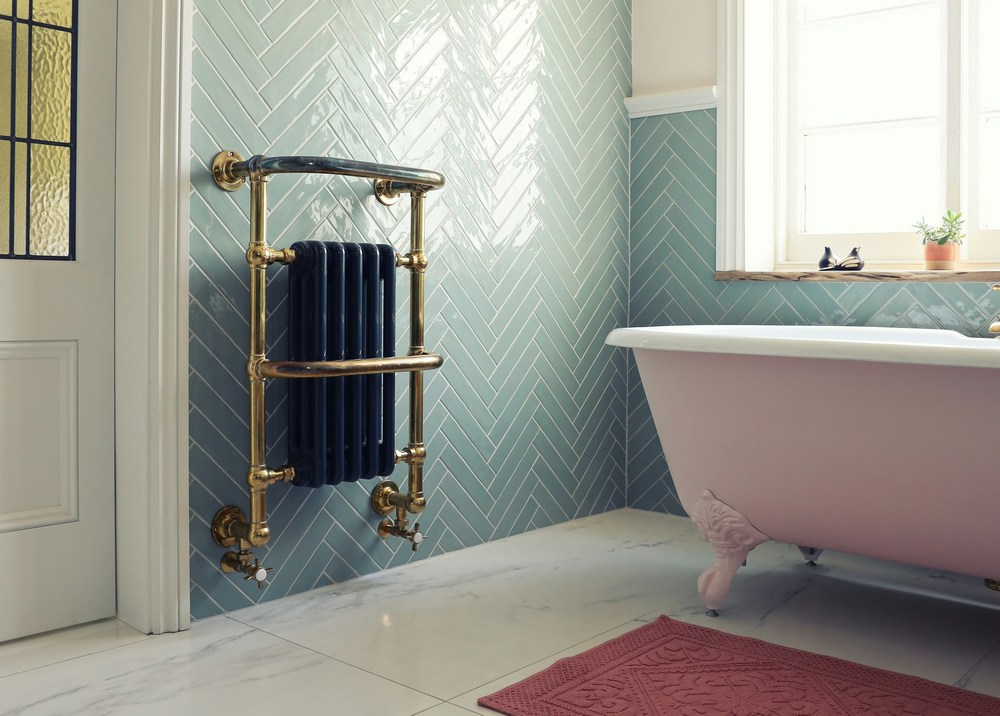
For a highly-practical option, it’s worth looking into tiles for your bathroom. They can take a surprising amount of wear-and-tear, while also being extremely cost-effective. And, if the above benefits aren’t enough to pique your interest, add that they can provide a wonderful aesthetic.
Pebble Stone Tiles
Pebble tiles, or river rock tiles, are brilliant for those wanting to create a natural aesthetic in the bathroom – brilliant for a holiday theme. Pebble tiles add an interesting texture to your design. They come in sheets of pebbles that are held together by grout when laid.
Marble Tiles
For those who desire a luxurious feel to their bathroom, you don’t get better than the timeless marble tiling. This stunning tile adds a subtle texture to your bathroom design with the veins of colour.
Whether you’re going for something more traditional or modern; marble is perfect, but it does require quite a bit of maintenance to keep it in pristine condition as it does stain relatively easily.
Glass Tiles
Anyone wanting a highly customisable tile to help make your bathroom design your own, then glass tiling is the way to go. Glass tiles also come in a wide selection of colours and shades and they’re excellent for reflecting light and making your bathroom feel more spacious.
Consider Size
The size of your bathroom will play a role in the size of your bathroom tiles. For smaller bathrooms, you’ll want to avoid making the floor look too busy or small. Smaller bathrooms can benefit from a large tile because, with fewer grout lines, the floor appears less cluttered and creates the appearance of a bigger bathroom.
Glossy finishes will brighten your space, especially if you choose a light tile colour. Hexagonal or other shaped tiles can also create the illusion of a bigger space, although you might have more grout lines to contend with.
Consider Tile Patterns
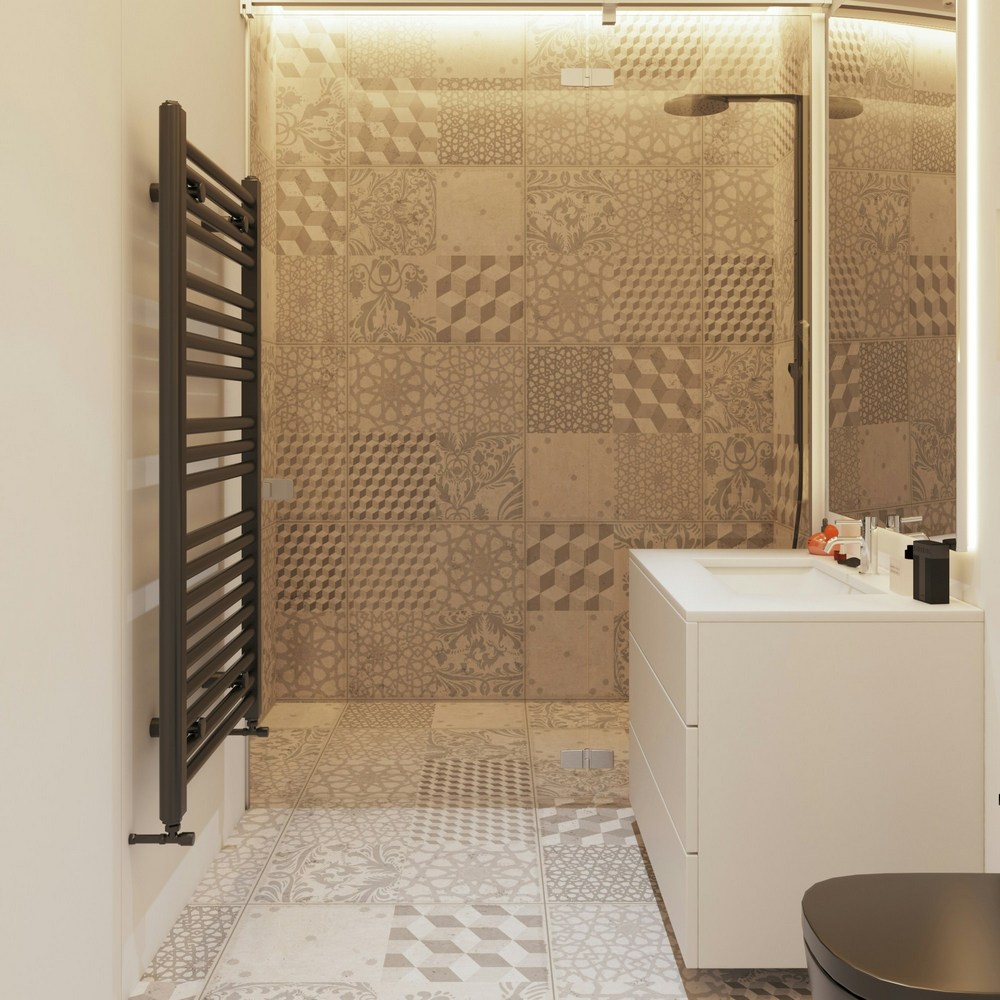
Patterned tiles are a brilliant way to make a statement in your bathroom. You could use patterned floor tiles or create a pattern with your wall tiles to make a feature in your shower. Colour, shape, and texture are wonderful ways to create patterns in your bathroom. Choose a variety of different-coloured tiles or those with a bright pattern.
Bathroom tiles come in a variety of patterns and colours, including traditional Victorian-style tiles and abstract patterns. Mosaic tiles are also an excellent way to add patterns as a border around your wall tiles without overwhelming the space.
Pick a Tile Colour
If your bathroom has more natural light filtering through, don’t be afraid to dabble with darker hues, but to create a warm and spacious environment, you can’t go wrong with light tiles.
Pick a Grout Colour
Yes, the actual tiles are the main feature, but don’t forget about the grout! This key component also adds to the whole look and feel of the bathroom.
For a more cohesive look, choose a grout that matches the colour of the tiles, but to add some drama, consider using contrasting colours. To play it safe you can always go for the neutrals like grey, cream and beige.
Think Practically
Everyone loves a stunning tile design, but as pretty as they come, you want them to be practical, too. You won’t think they’re so beautiful when a new stain appears every time someone goes into the bathroom.
Specifically, when looking for the perfect tiles for your bathroom, you need something that is easy to maintain and offers good slip resistance. This is great for keeping the area clean and essential for ensuring longevity and safety. A bathroom floor can get wet easily; you don’t want children or elderly relatives to slip and injure themselves.
You should also consider how the tiles feel underfoot, avoiding any that will feel harsh or uncomfortable while barefoot.
Bathroom Tiles And Layout Planning
Even the nicest tiles can end up looking “off” if the layout wasn’t planned first. Where the tiles begin and end, how the pattern lines up, and where the eye naturally lands in the room all matter. Thinking it through upfront saves you from ugly cuts, wasted tiles, and that sinking feeling when you realize the last row is a bunch of skinny slivers.
Map Your Zones Before Ordering Tiles
Start by breaking the bathroom into zones. The shower area, vanity splashback, and floor don’t just look different, they also take different levels of water and wear. Do a quick sketch and mark the fixed things that will interrupt your tile runs, like doors, windows, niches, taps, and the toilet. It doesn’t have to be fancy, just clear enough to work with.
This is where you’ll spot problems early. Sometimes the tile size you love doesn’t play nicely with your room dimensions, and you won’t realize it until you’re cutting awkward strips along one wall. Changing tile size or even rotating the layout can fix that. A small adjustment here can save money and make the finished job look cleaner.
Decide Where Wall Tiles Should Start And Stop
Tile height changes the whole feel of the bathroom. Full-height wall tiling can look sharp and modern, and it makes sense in wet zones, but it can also make a larger bathroom feel a bit sterile. Half-height tiling with paint above can feel warmer and less “all tile all the time,” but it needs more planning so it doesn’t look chopped off or land in a weird spot near fittings.
Look at natural stopping points like the top of the door frame, the height of a window sill, or going all the way to the ceiling. In wet areas, don’t guess. Make sure tiles go high enough to handle splash zones, especially around showerheads and mixers. Extending the tiled area beyond the shower head in every direction is a safe approach, and it helps the room feel intentional instead of patched together.
Plan Feature Walls And Accent Areas Carefully
Feature tiles look best when they’re used with a clear purpose. A full wall behind the vanity, the back wall of the shower, or the wall behind a bath are spots where they actually get seen and appreciated. What usually doesn’t work is sprinkling feature tiles randomly or putting them where towel rails, cabinets, and clutter will cover most of the design anyway.
Before you order, work out how many feature tiles you really need, because those “special” ranges often cost more and sometimes take longer to arrive. Also think about how the grout will change the look. A grout line can either sharpen a pattern or muddy it, and you want to know that before you commit.
Factor In Tile Layout To Minimise Waste
Where you start laying tile has a big impact on how the room looks. If you begin in the wrong spot, the most visible area might end up with uneven cuts, and the symmetry you wanted ends up at the back wall nobody notices. For floors, that “most visible spot” is often the doorway or the center line you see when you walk in. For walls, it’s usually the vanity or the main shower wall.
Dry-laying tiles before you install them is one of the simplest ways to avoid mistakes. You’ll see exactly where cuts land at corners and edges, and you can shift the layout slightly to avoid thin strips that look cheap and are a pain to cut cleanly. Sometimes moving the starting point by a few centimeters is all it takes to make the whole room look more balanced.
Budgeting For Bathroom Tiles
Bathroom tiles can swing from cheap to eye-wateringly expensive, and it’s easy to spend your whole budget on the tiles alone. Then you still have to pay for waterproofing, adhesive, grout, trims, and installation. A bit of planning helps you get the look you want without that “how did it get this expensive?” moment halfway through the job.
Understand The True Cost Per Square Metre
The tile price on the label is only part of the story. You’ll also need adhesive, grout, waterproofing materials, edge trims, and a buffer for offcuts and breakages. A practical rule is to add around 30–50% on top of the tile cost to cover the extras, depending on the bathroom and how detailed the layout is. Larger tiles can sometimes balance out their higher price because you use less grout and make fewer cuts, but they can also be less forgiving if your walls or floor aren’t perfectly flat.
Labour is the other big cost if you’re hiring a tiler. Mosaics, herringbone, diagonals, and detailed feature walls take more time, so the quote goes up fast. Ask for an itemised quote that separates labour and materials so you can see what’s driving the cost and where you might simplify.
Allow For Wastage Without Overbuying
Wastage is normal. Tiles get cut, some crack, and patterns often need extra pieces so lines match up properly. For a straightforward layout with larger tiles, around 10% extra is usually enough. If you’re doing diagonal layouts, herringbone, or small tiles, plan closer to 15–20% because there’s more cutting and more chance of breakage.
Buying too little is usually worse than buying a bit extra. If you have to reorder, you can end up waiting weeks, and the new batch might not match perfectly. Keep your leftovers instead of returning them. Tile ranges disappear all the time, and matching a single broken tile years later can be a nightmare. One spare box stored away is a small insurance policy.
Mix Premium And Budget Tiles Strategically
You don’t need to cover every wall in premium tiles to make the bathroom feel high-end. Use the “nice” tiles where your eyes naturally go, like inside the shower, behind the vanity, or as a feature strip, then use a simpler, more affordable tile for the larger surrounding areas.
This gives you the impact without paying premium rates across the entire room. One thing to check before you commit is tile thickness. If your feature tile is thicker than your main tile, you may need extra trims or fiddly transitions to make it sit flush, which can add time and cost.
Shop Sales And Clearance Lines Wisely
Clearance tiles can be a great deal, but only if you can get enough stock to finish the job. Measure first, do the math, and buy everything you need in one go. End-of-line tiles usually won’t be restocked, so you don’t want to be short halfway through.
Also, inspect what you’re buying. Some tiles are discounted simply because they’re discontinued, but others are on sale because of quality issues like chips, warping, or inconsistent colour. If the discount is huge, open a few boxes and check them before you leave the store. That quick check can save you a lot of pain later.
Consider Cleanliness
You should also consider how easy the tiles will be to clean. Smooth tiles are easier to clean, whereas textured tiles have more gaps where water can rest, making them more time-consuming to clean. When choosing the material for your tile, it’s worth researching how easy they are to clean.
Final Thoughts
You’ve spent a lot of time, effort and money on your project, so when you’re choosing the best bathroom tiles, you want to be equally as intentional with your choice. It’s worth taking the time to consider not just how they look but also how easy the tiles are to clean, whether they are safe to use in a bathroom, and whether a pattern will suit the space.
FAQ: Bathroom Tiles
- How do I choose the right grout color for my bathroom tiles?
- Think about the look you want first. If you match the grout to the tile, everything blends together and the room usually feels bigger and calmer. It also hides slight misalignments and small chips better. If you go with a contrasting grout, the tile pattern stands out more, which can look sharp and intentional, but it also makes every line more noticeable. Darker grout tends to be easier to live with in bathrooms because it doesn’t show everyday grime as quickly.
- Can I install large format tiles in a small bathroom?
- Bigger tiles mean fewer grout lines, which makes the space feel cleaner and less busy. That smoother look can make a small bathroom feel larger. The main catch is the surface underneath. Large tiles need a very flat floor and walls, because any uneven spots are harder to hide than they are with smaller tiles.
- What is the difference between ceramic and porcelain bathroom tiles?
- Porcelain is the better option over ceramic since it is less porous or denser. You can easily clean them and they are not susceptible to stains. The material can also last longer if well-maintained. Ceramic is a budget-friendly option for any home builder.