
Last Updated on January 7, 2026 by teamobn
Selling vacant land is a very different experience from selling a house, yet many landowners enter the process assuming the same rules apply. When the property doesn’t move as quickly as expected, frustration sets in.
The reality is that land buyers think differently, evaluate risk more carefully, and place value on factors that homeowners rarely consider.
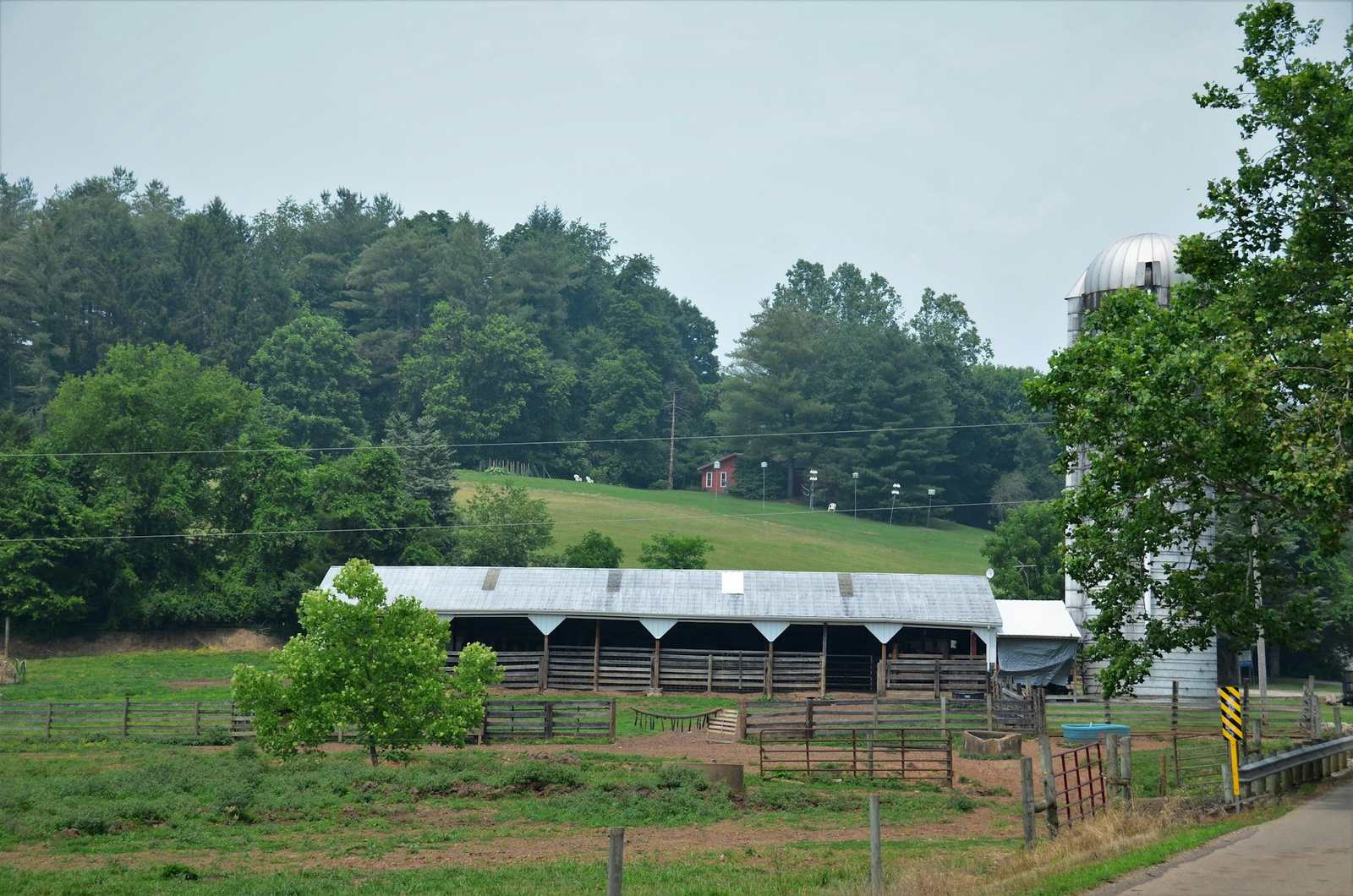
Understanding how these buyers make decisions is the foundation for a fast, successful sale. When your strategy aligns with their mindset from the very beginning, selling land quickly becomes far more realistic than most people imagine.
Unlike residential properties, vacant land doesn’t come with visual cues like kitchens, bathrooms, or staging that help buyers fall in love instantly. Instead, buyers are purchasing potential. They are asking themselves how the land can be used, how much work will be required before development, and whether the numbers make sense long term. Because of this, selling land fast is less about emotion and more about clarity, preparation, and smart positioning.
Understanding the Land Buyer Mindset
To sell land efficiently, it helps to understand who your buyers are. Many land buyers are investors, builders, or individuals with a specific purpose in mind, such as building a home, starting a business, or holding the property for future appreciation. These buyers are analytical. They compare multiple parcels at once and are quick to walk away if something doesn’t add up.
Risk plays a much larger role in land purchases than in home purchases. Buyers worry about zoning restrictions, access issues, environmental limitations, and unexpected costs. If your listing doesn’t address these concerns clearly, buyers slow down or move on to another opportunity. Speed comes from removing doubt and making it easy for buyers to say yes.
Why Correct Pricing Is the Fastest Way to Sell Land
Pricing is the single most powerful factor in selling land quickly. Many landowners price their property based on what they paid, how long they’ve owned it, or what they hope to get out of the sale. Unfortunately, the market doesn’t respond to emotional pricing. Land buyers care about current value and comparable sales, not personal attachment.
Vacant land is especially sensitive to pricing because buyers often have many options. Investors and builders constantly analyze deals and recognize overpriced land instantly. When a property is priced too high, it doesn’t spark urgency. Instead, it sits on the market, accumulating days that signal something may be wrong. Over time, even serious buyers may avoid it, assuming the seller is unrealistic or unwilling to negotiate.
Correct pricing from day one creates momentum. When land is priced competitively, it attracts attention quickly and generates early inquiries. This early interest often leads to faster offers and stronger negotiating positions, rather than chasing the market with repeated price drops. Strategic pricing positions your property as a solid opportunity from the start. A well-priced parcel also sends an important message. It tells buyers that the seller understands the market, has done their homework, and is prepared to move forward. That perception alone can dramatically shorten the selling timeline.
How Clear Property Information Builds Trust and Speeds Up Sales
One of the biggest reasons land sales stall is uncertainty. Buyers hesitate when they can’t find clear answers to basic questions. Is there legal road access? What is the zoning? Are utilities nearby? Can the land be built on immediately, or will it require additional approvals?
When this information is missing or vague, buyers either delay their decision or walk away entirely. Every unanswered question introduces risk, and risk slows down land transactions. On the other hand, clarity builds confidence.
Providing detailed and accurate property information upfront is one of the most effective ways to sell land faster. This includes zoning details, survey availability, property boundaries, access points, and utility options. If the land has limitations, being transparent about them is just as important as highlighting its strengths. Honest listings attract serious buyers who are prepared to move forward, rather than casual shoppers who disappear after discovering surprises.
Clear information also reduces unnecessary back-and-forth communication. When buyers can review everything they need in advance, they are more comfortable making quicker offers. In many cases, transparency shortens the due diligence period and accelerates closing timelines.
Why Accessibility Matters More Than You Think
Access is one of the most critical factors in land value and marketability. Buyers want to know how they can physically reach the property and whether access is legally documented. Even a beautiful parcel can become extremely difficult to sell if access is unclear or questionable.
Highlighting road access, easements, and proximity to nearby infrastructure reassures buyers that the land is practical and usable. If access improvements are needed, explaining what those improvements involve helps buyers plan and evaluate the opportunity realistically. Addressing access issues upfront prevents last-minute deal breakers that can derail a sale.
The Power of Flexible Selling Options
One major challenge in the land market is financing. Traditional lenders are often hesitant to finance vacant land, especially smaller or rural parcels. As a result, many motivated buyers struggle to secure loans even when they are genuinely interested.
Offering flexible selling options can dramatically expand your buyer pool and speed up sales. Seller financing, simplified closing terms, or flexible timelines can make your property accessible to buyers who are otherwise ready to move forward. These options reduce friction and allow deals to happen faster without necessarily lowering the asking price.
Flexibility doesn’t mean sacrificing your interests. Instead, it allows you to structure a deal that works for both parties. For many landowners, offering flexible terms results in quicker negotiations and smoother closings because buyers feel supported rather than constrained.
Marketing Land the Right Way
Selling land quickly also depends on how and where it is marketed. Land listings need to focus on potential and usability rather than features like interior finishes. Clear descriptions, accurate maps, and professional photos help buyers visualize what the land has to offer.
Marketing land to the right audience is just as important. Investors, builders, and recreational buyers all look for different things. Tailoring your messaging to buyer intent increases engagement and shortens the time to find the right match. Consistency in presentation matters. Listings that look professional, organized, and informative stand out in a crowded market. They convey seriousness and reliability, qualities that buyers value highly.
Why Speed Comes from Preparation, Not Pressure
Many landowners believe that selling land fast requires rushing or cutting corners. In reality, speed comes from preparation. When pricing is accurate, information is clear, and options are flexible, buyers naturally move faster. Trying to rush a sale without proper groundwork often backfires. Buyers sense uncertainty and become cautious. By contrast, a well-prepared listing creates confidence and momentum, making the entire process feel easier for everyone involved.
Selling land successfully comes down to preparation, clarity, and strategy rather than rushing the process. When pricing reflects real market demand, property details are presented transparently, and buyers are offered flexible paths to move forward, and momentum builds naturally. These elements work together to create confidence and urgency, allowing serious buyers to act quickly without unnecessary delays. With a thoughtful approach in place, landowners can protect their property’s value while positioning themselves to sell land fast in a competitive, ever-changing market.