
Last Updated on January 7, 2026 by teamobn
The industry has been through a long stretch of steady progress, but something different is happening now. Automation is stepping into daily operations in a way that feels less like a tech experiment and more like a shift in how HVAC professionals move through their workday. The pace is quick, the tools are sharper, and the expectations from homeowners and commercial clients are rising right alongside it. HVAC teams are adjusting with a level of practicality that reflects how the trade really works, hands on and results driven.
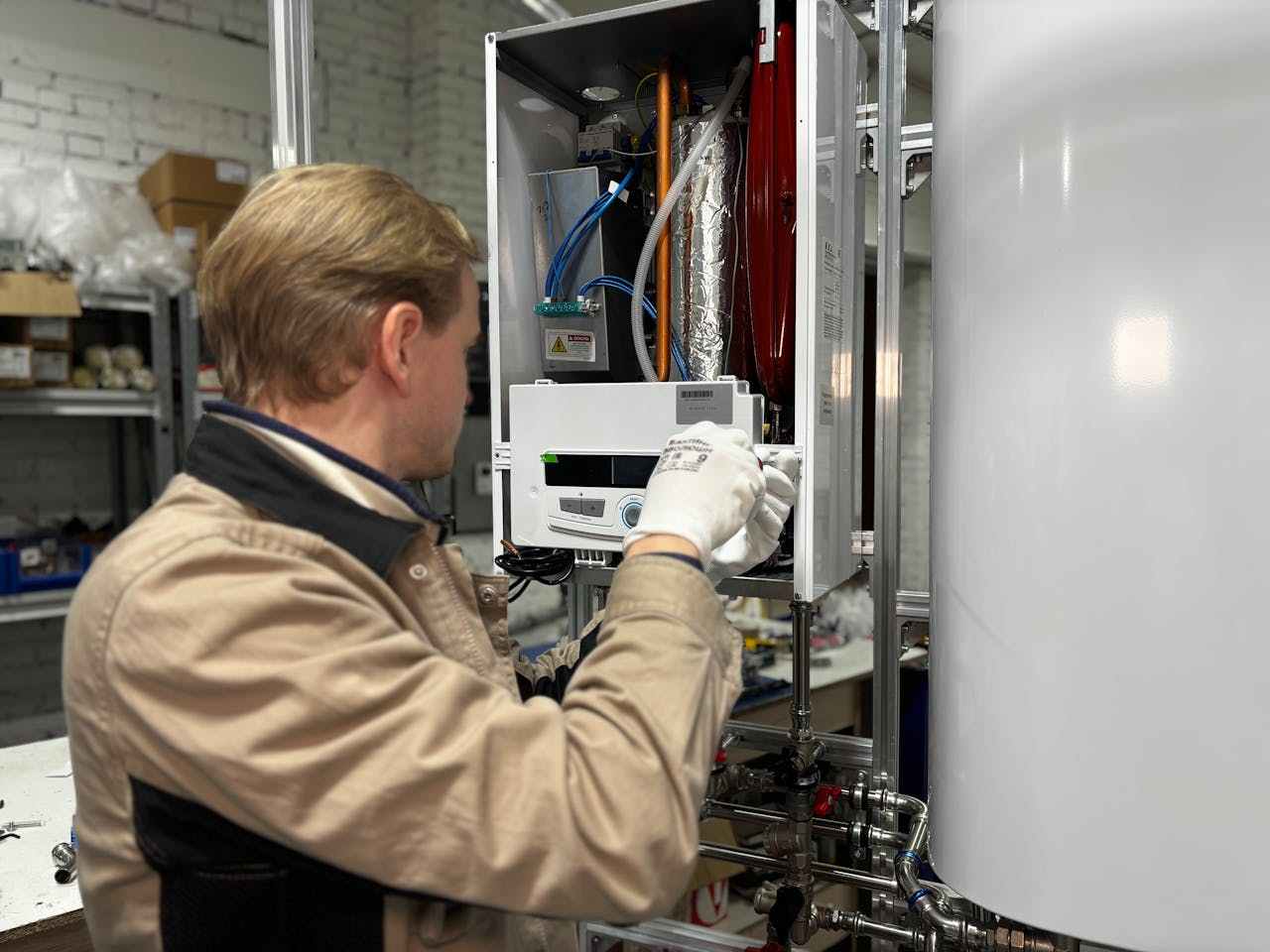
Adapting Workflows With Smarter Planning
Time used to disappear in the gaps between scheduling, job prep, and real-time communication from the field. Automation is tightening those gaps. Teams are getting better visibility into upcoming calls and can prepare with a sense of clarity that used to be tough to capture in a crowded week. This shift is especially noticeable during peak seasons when every job counts. Even small improvements in planning can take pressure off the crew and cut through the stress that tends to pile up during high demand. Companies are also leaning into smart renovations as clients look for ways to combine energy efficiency upgrades with long term planning for home systems. The move toward better planning tools is slow in some pockets of the industry, but the benefits are starting to speak for themselves.
Digital Tools Reshaping Field Precision
Automated documentation is becoming a quiet workhorse. What once required a mix of handwritten notes and extra follow up can now be handled directly from the field with much fewer steps. That creates cleaner data for office staff and helps technicians avoid repeat explanations about what happened on site. Many companies are linking diagnostics, historical service records, and asset performance in one place so crews can make faster calls without feeling rushed. These systems are getting more connected across trades too, and many platforms now support electrical, plumbing or HVAC management software that gives teams a fuller picture of what is happening behind the walls. Some contractors also rely on HVAC software compatible with QuickBooks to keep finances aligned with field work in a straightforward way that does not create extra bookkeeping headaches. The result is a job process that feels less cluttered and more grounded in clean information.
Training That Keeps Up With the Tools
Introducing automation only works if crews feel confident using it. Training approaches are evolving, and companies are realizing that traditional manuals or long lecture style sessions do not fully prepare people for fast moving digital tools. Hands-on instruction is becoming more common, where technicians can test software in low pressure settings or run mock service routes before switching over in the real world. The goal is to turn tech into an ally rather than something that adds stress to an already demanding job. As younger technicians join the workforce and seasoned professionals adapt their skills, teams are developing their own hybrid learning rhythm that blends experience with new methods.
Customer Expectations Are Driving Faster Tech Adoption

Clients are more informed than they used to be. They read system performance data, track energy bills, follow extreme weather patterns, and want clearer updates about the work happening in their homes or buildings. Automation is helping HVAC companies respond with quick communication and accurate timelines. Service windows are tightening, remote diagnostics are reducing unnecessary visits, and automated follow ups help clients stay engaged long after installation or repair. Companies that lean into these changes tend to build trust faster because the customer feels included without having to push for updates. The added clarity also helps reduce misunderstandings, which creates smoother service relationships over time.
Automation in Large Scale Commercial Operations
Commercial facilities introduce a different level of complexity. The systems are larger, the stakes are higher, and the margin for error is thinner. Automation is allowing teams to track equipment health across many units at once, flag issues before they disrupt operations, and coordinate repairs with a level of accuracy that used to take far more back and forth. Building managers appreciate these advances because they create less guesswork and fewer unexpected interruptions. The data coming from automated systems is also helping companies identify long term patterns, which supports better budgeting and gives technicians cleaner insights into recurring issues. It is a practical blend of human expertise supported by digital clarity.
Every industry eventually reaches a moment when the old way of working no longer handles the pressure of modern expectations. HVAC has arrived at that moment, but the shift feels steady rather than overwhelming. Automation is taking over the repetitive parts of the job and giving technicians more room to focus on problem solving, craftsmanship, and client relationships. The trade has always balanced physical skill with technical knowledge, and today those strengths are being amplified by tools that make the work smoother and more predictable. This is the kind of progress that does not drown out the human expertise at the heart of HVAC. It strengthens it.
Frequently Asked Questions About Automation in HVAC Field Work
What does automation actually mean for HVAC technicians in the field?
In day-to-day HVAC work, automation usually refers to software and connected tools that reduce manual tasks rather than replace skilled labor. This can include automated scheduling, digital service records, real-time equipment data, and mobile reporting tools. Instead of spending extra time on paperwork or tracking down information, technicians can access what they need from one system. The work itself remains hands-on, but the supporting processes become more efficient and easier to manage.
Will automation reduce the need for skilled HVAC technicians?
Automation is not eliminating the need for experienced HVAC professionals. In many cases, it increases the value of skilled technicians by removing repetitive administrative work and allowing more focus on diagnostics and repairs. HVAC systems are still complex, physical systems that require judgment, experience, and problem-solving. Automation supports those skills by delivering clearer information and reducing guesswork, not by replacing the technician’s role.
How does automation improve scheduling and dispatching?
Automated scheduling tools help HVAC companies assign jobs based on location, technician availability, and job complexity. This reduces unnecessary travel time and minimizes scheduling conflicts. Dispatchers can see changes in real time, which allows them to adjust routes or assignments when emergencies arise. For technicians, this often means fewer last-minute surprises and a clearer picture of the workday before it begins.
Is automation expensive for small or mid-sized HVAC companies?
Costs vary depending on the platform and level of integration, but automation is no longer limited to large enterprises. Many tools are designed with small and mid-sized contractors in mind and are offered through subscription models. Over time, savings often come from reduced administrative labor, fewer missed appointments, and better inventory control. For many companies, automation becomes a cost-control measure rather than an added expense.
How does automation affect customer communication and satisfaction?
Automation improves communication by keeping customers informed without requiring constant manual follow-up. Appointment confirmations, arrival windows, service summaries, and maintenance reminders can be sent automatically. This transparency helps customers feel informed and respected. Clear communication also reduces disputes or misunderstandings, which strengthens long-term relationships and improves overall satisfaction with the service experience.
What kind of training is needed to adopt automated HVAC tools?
Most modern HVAC platforms are designed to be intuitive, but training is still important. Effective onboarding usually involves hands-on practice rather than long classroom sessions. Many companies introduce tools gradually, allowing technicians to build confidence before fully switching systems. When training focuses on real-world scenarios, crews tend to adopt new tools more comfortably and use them consistently.
Does automation change how HVAC companies plan for the future?
Yes, automation provides better long-term visibility into system performance, service patterns, and equipment lifecycles. This data helps companies make more informed decisions about staffing, inventory, maintenance plans, and capital investments. Instead of relying on estimates or memory, HVAC businesses can plan based on real usage trends and service history, which supports steadier growth and smarter operational decisions.