
It is alright to admit when a roofing problem is beyond your experience or skill. You can save money and trouble when looking for a “roof repair near me.” However, finding a reliable contractor does require more effort.
Learn how to find the right repair contractor for your roof with our comprehensive guide on vetting them.
Contents
Key Takeaways
- Always verify a contractor’s licensing and insurance to ensure your home is protected by a qualified professional.
- Recognize when a roofing problem exceeds your DIY skills to avoid safety hazards and further structural damage.
- Watch for red flags like high-pressure sales or a lack of written documentation to avoid common roofing scams.
- Consistent maintenance and professional inspections are the best ways to maximize the lifespan of your recent roof repairs.
Defining Your Roof Repair Needs Before You Search
Before you start calling roofers, take a little time to figure out what’s going on and what you actually need. When you can describe the problem clearly, contractors can give you more accurate quotes and you’re more likely to end up with the right person for the job.
Identify Your Roof Type and Materials
Start with the basics: what kind of roof do you have, and what’s it made of. Asphalt shingles, clay tiles, standing seam metal, and flat membranes all behave differently and they aren’t repaired the same way. A contractor who’s great with shingle roofs might not be the best fit for tile, and flat roofs are their own world entirely. If you can name your material and the general roof style, it’s much easier to narrow down to roofers who’ve actually worked on systems like yours.
Scope Out the Problem Safely
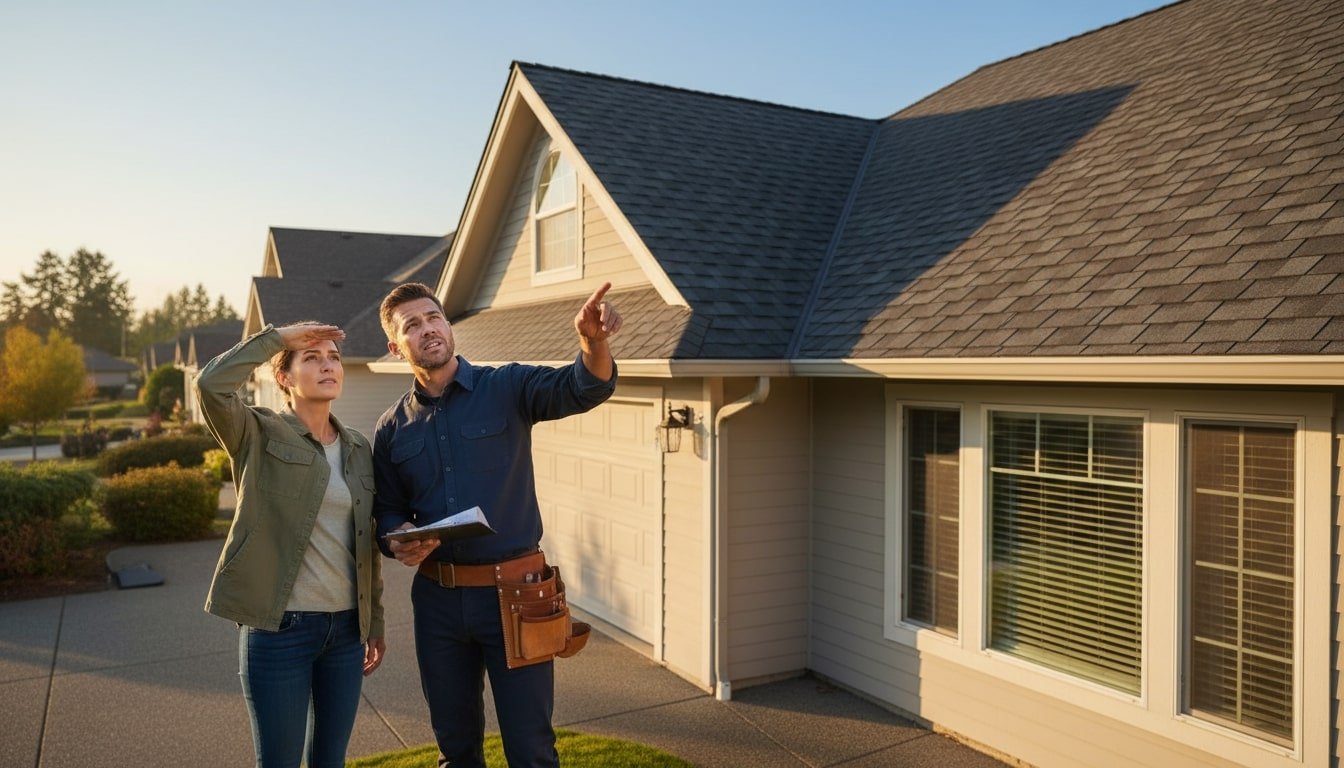
It’s tempting to climb up and “just take a quick look,” but it’s not worth the risk, especially if the roof is wet, steep, or already damaged. Stick to a ground-level inspection first. Binoculars help, and you can often spot missing shingles, lifted edges, sagging areas, rusted flashing, or debris buildup without leaving the ground.
Inside, check the attic if you can do it safely. Look for damp insulation, dark stains on the wood, or daylight coming through around roof penetrations. Take photos of anything suspicious, plus any ceiling stains or drip points inside the house. Those pictures make the first call with a contractor much more productive because you’re not trying to explain everything from memory.
Determine Your Project Goals
Get clear on what you’re trying to accomplish before you start collecting quotes. Do you need a quick patch to stop an active leak, or are you aiming for a repair that buys you years. If the roof is already near the end of its life, it may make more sense to replace a section or plan for a full replacement instead of paying for repeated small fixes.
It also helps to set a rough budget range and timeline. You don’t need a perfect number, but having an idea of what you can spend and how urgent the issue is helps contractors recommend options that fit, rather than pushing a one-size-fits-all solution.
Essential Qualifications for Any Roof Repair Contractor
After you’ve narrowed down your “roof repairs near me” results, the next step is making sure each contractor is actually qualified to work on your home. A nice website and good sales pitch don’t mean much if they can’t do the job legally, safely, and correctly.
Licensing and Insurance Basics
A legitimate roofing contractor should have the required license for your state or local area, if licensing applies where you live. That’s the baseline proof they’re allowed to take on residential roofing work and they’ve met the minimum requirements set by your area.
Insurance matters just as much. You want to see proof of general liability insurance (in case they damage your property) and workers’ compensation coverage (in case someone gets hurt on your roof). Don’t rely on “yes, we’re insured” as an answer. Ask for copies, then verify them yourself either through your contractor licensing board or by calling the insurance company listed on the certificate.
Experience That Matters
“Years in business” can be a good sign, but it doesn’t tell you if they’re right for your roof. The more important question is whether they’ve repaired your roof type and handled your specific kind of issue before.
Someone who does asphalt shingles all day might not be the best person to touch standing seam metal, tile, slate, or a flat membrane system like TPO. Ask how many similar repairs they’ve done recently, not ten years ago. Request photos and, if possible, references from projects that match your situation. The right experience lowers the odds of a quick fix that fails early, causes hidden leaks, or messes with a manufacturer warranty.
Warranties and Guarantees
A contractor worth hiring should be willing to put their warranty in writing. Most solid roof repair companies offer a workmanship warranty that covers labor and installation issues for at least one to five years, depending on the scope of the repair.
That warranty is separate from the manufacturer’s material warranty, which can be much longer but doesn’t cover sloppy installation. Before you sign anything, ask what each warranty covers, how long it lasts, and what the process looks like if something fails later. Get every promise in the contract. Verbal guarantees are easy to make and hard to enforce if the contractor stops answering calls or disappears.

Red Flags to Avoid When Hiring Roof Repair Near You
Catching a bad contractor early can save you a lot of money and a lot of headaches. Pay attention to how they talk, what they won’t put in writing, and how they handle basic questions during the first call or site visit.
- High-pressure sales tactics: Be cautious if they push “today only” pricing or try to scare you into signing on the spot. A solid roofer will explain what they found, give you options, and let you make a decision without rushing you.
- Storm chasers and out-of-area crews: If a company shows up right after a storm and they don’t have a real local presence, treat that as a warning. Out-of-state plates, a temporary phone number, or no physical office address often means they can disappear when it’s time to fix problems.
- Large upfront cash demands: Paying a deposit is normal. Paying the full amount upfront, or being pressured into a large cash payment before materials are delivered or work starts, is not. That’s one of the most common signs you’re dealing with a scam or a contractor who’s short on cash for a reason.
- Lack of written documentation: Professional roofers provide a written estimate, a clear scope of work, and proof of licensing and insurance. If they dodge paperwork, won’t show documents, or keep everything verbal, move on.
- Vague or evasive answers: if they can’t explain how they’ll do the repair, won’t give local references, or get weird about who will actually be on-site, assume you’re going to have communication issues once the job starts. Good contractors are usually straightforward about process, timeline, and crew.
- Unusually low bids: A low price can be tempting, but if one quote is way below the rest, there’s usually a catch. It could mean cheap materials, unlicensed labor, skipped steps, or a plan to add “surprise” costs once the roof is opened up. Comparing scopes line by line is the best way to spot what’s missing.
Long-Term Maintenance After Professional Roof Repair
A roof repair isn’t the finish line. The work buys you time and protection, but regular upkeep is what keeps that repair holding up and prevents surprise leaks that turn into emergency calls.
Schedule Regular Roof Inspections
Periodic inspections are one of the simplest ways to protect the repair you just paid for. Even good work gets tested by sun, wind, and seasonal storms. An inspection every one to three years, depending on your roof material and local weather, helps catch small issues before they become active leaks.
If you can, use the same company that did the repair. They already know what was fixed, what areas were borderline, and what details to keep an eye on. Some local roofers also offer maintenance plans that include discounted inspections and quicker scheduling after severe weather, which can be handy when everyone else is calling at the same time.
Handle Basic Homeowner Maintenance Tasks
You don’t need to climb on the roof to do useful maintenance. A few simple ground-level habits go a long way.
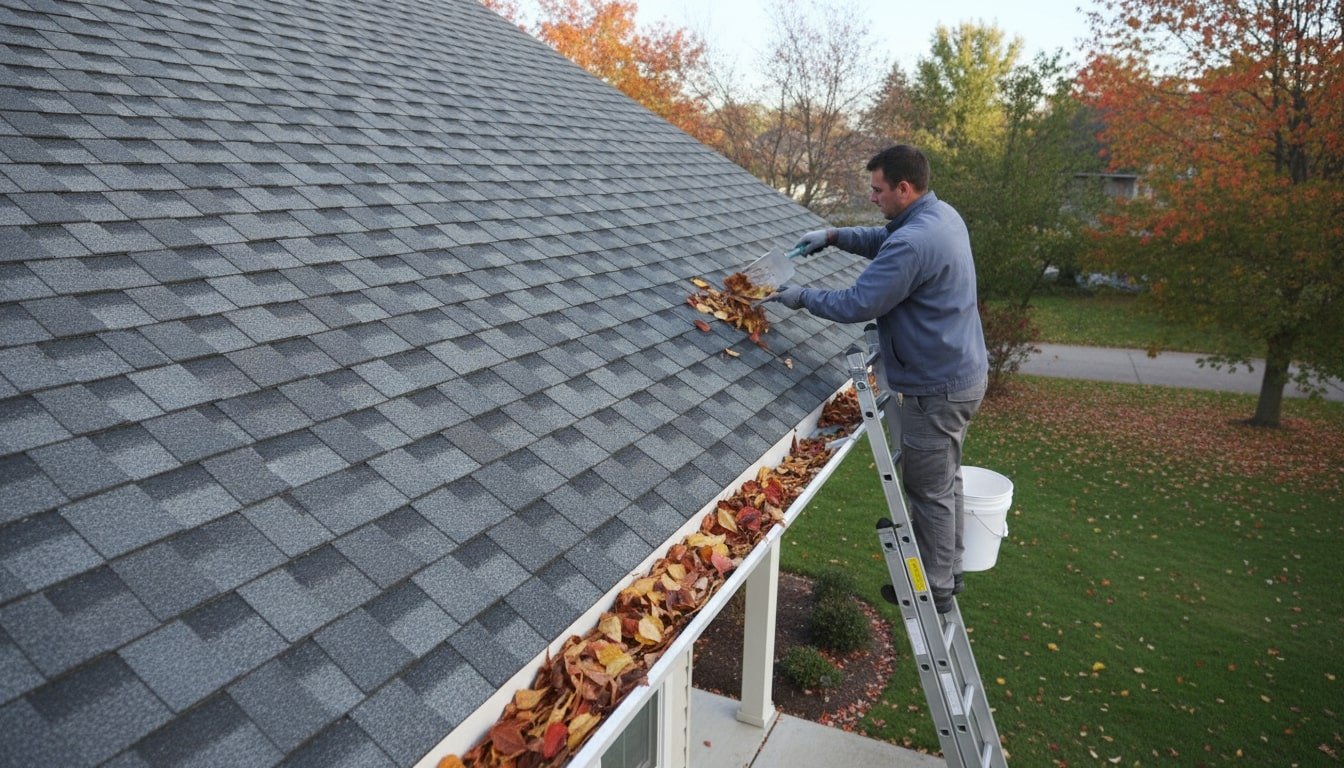
Keep gutters and downspouts clear so water drains away instead of backing up under shingles, flashing, or fascia. Trim branches that hang over the roof because they can scrape shingles, drop limbs during storms, and create shade that encourages moss and algae. After heavy rain or wind, do a quick walk-around and look for obvious changes like missing shingles, bent flashing, or fallen branches. If you spot something, call your roofer sooner rather than later. Small damage is usually cheaper to deal with when it’s fresh.
Track Repairs, Photos, and Warranty Documents
After a repair, collect your paperwork and keep it in one place, both digital and printed if possible. Save the contract, invoice, inspection notes, warranty details, and any photos taken before, during, and after the work. That file becomes useful fast if you notice new stains, need to ask about workmanship, or have to deal with an insurance claim later.
It also helps to keep a simple log with dates of major storms, any leaks you noticed, and service visits. Add who you contacted and what work was done. When you have clear records, warranty questions are easier, and any future contractor can understand the roof’s history without guessing.
Know When Ongoing Repairs Mean It’s Time to Replace
Even with good maintenance, every roof reaches a point where repairs stop making financial sense. If you’re calling a roofer after almost every heavy storm, or leaks keep popping up in new areas, the roof may be aging past reliable patchwork. At that stage, the bigger issue is often underneath, like worn underlayment, repeated flashing failures, or decking problems in multiple spots.
A trustworthy contractor should be able to explain what’s failing and show you the difference between continued repairs and partial or full replacement. Track what you’re spending over a few years. If the total cost of repeated fixes starts getting close to a meaningful chunk of replacement cost, putting that money toward a new roof usually gives you better protection and fewer headaches.
Conclusion
Finding a trustworthy “roof repair near me” takes a little more work than clicking the first listing and hoping for the best. The goal is to hire someone who’s properly licensed and insured, has real experience with your roof type, and communicates clearly before the job even starts. Take the time to compare written estimates, call a couple of references, and pay attention to red flags like vague answers or rushed sales pressure. When you choose carefully, a good local roofer can fix the problem properly and help you avoid the repeat-leak cycle that drains your budget and patience.
FAQ: Finding Roof Repair Near Me
- How do I know if I really need professional roof repair near me?
- You probably need a pro if leaks keep coming back after DIY patches, or you’re seeing bigger warning signs like sagging spots, widespread missing shingles, or water stains inside the house. Storm damage and active leaks during rain also fall into the “call someone” category, because small openings can turn into bigger structural issues fast.
- How many estimates should I get for roof repair near me?
- Two to three written estimates is usually the sweet spot. It gives you enough range to compare price, materials, warranty coverage, and timeline without dragging the process out. Avoid picking the lowest number automatically. Look for a clear scope of work, proof of licensing and insurance, and a contractor who answers questions without dodging.
- What should a roof repair contract include?
- A good contract spells out exactly what they’re fixing, what materials and brands they’re using, when the work starts and ends, and how payment is handled. It should also include warranty terms and the contractor’s license and insurance details. If something matters to you, it should be in writing, not promised casually during a call.
- Are same-day “roof repair near me” offers a red flag?
- Not automatically. Same-day or next-day service can be normal, especially for emergency leaks or after storms. The red flag is pressure, like pushing you to sign immediately or asking for a large cash payment upfront. Confirm they’re local, verify licensing and insurance, check recent reviews, and make sure you get a written estimate before agreeing to anything.