
Last Updated on December 22, 2025 by teamobn
If you love getting out on the road with your motorcycle, you may have wondered how to bring your dog safely along for the ride. The good news is that you can build a DIY dog trailer for your motorcycle using basic tools and common materials. This guide shows you how to plan, build and customize a dog trailer, and how to keep your pet safe, comfortable and relaxed on every trip.
Building your own dog trailer lets you control the size, features and style. You can include insulation, a soft bed, good ventilation, and even a clear rain cover so your dog can enjoy the view. With careful planning and a patient approach, this project is suitable for anyone with basic DIY skills.
Contents
- 1 Quick Answer: How to Build a DIY Dog Trailer for a Motorcycle
- 2 How Do You Build a DIY Dog Trailer for a Motorcycle?
- 2.1 Materials
- 2.2 Tools You’ll Need
- 2.3 Step-by-step Instructions
- 2.3.1 Step 1: Plan and Design Your Dog Trailer
- 2.3.2 Step 2: Cut the Timber and Plywood
- 2.3.3 Step 3: Build the Frame
- 2.3.4 Step 4: Attach the Floor and Walls
- 2.3.5 Step 5: Install the Axle and Wheels
- 2.3.6 Step 6: Add Brakes and Signal Lights
- 2.3.7 Step 7: Insulate and Seal the Interior
- 2.3.8 Step 8: Install the Lexan Rain Cover and Windows
- 2.3.9 Step 9: Line the Interior With Automotive Carpet
- 2.3.10 Step 10: Build and Install the 2-Inch Foam Bed
- 2.3.11 Step 11: Paint and Weatherproof the Exterior
- 2.3.12 Step 12: Add Safety and Visibility Features
- 2.3.13 Step 13: Test the Trailer Before Adding Your Dog
- 3 How Do You Make a Dog Trailer Comfortable for Your Pet?
- 4 How Do You Train a Dog to Ride in a Trailer?
- 5 Is It Legal and Safe to Tow a Dog Trailer?
- 6 Conclusion
Quick Answer: How to Build a DIY Dog Trailer for a Motorcycle
To build a DIY dog trailer for a motorcycle, design a small enclosed cabin sized for your dog, then build a strong wooden frame with a plywood floor and walls. Install an axle and wheels, add working brakes and signal lights, and make sure the hitch connects securely to your motorcycle. Finish the interior with insulation, ventilation windows, soft bedding and a waterproof cover so your dog stays safe, cool and comfortable while you ride.
Typical DIY Dog Trailer Example
- Fits: one small or medium dog
- Inside size: about 90–100 cm long and 50–60 cm wide
- Build time: around 2 or 3 weekends for a beginner
- Rough cost: about 200 to 400 US dollars, depending on the parts and tools you already own
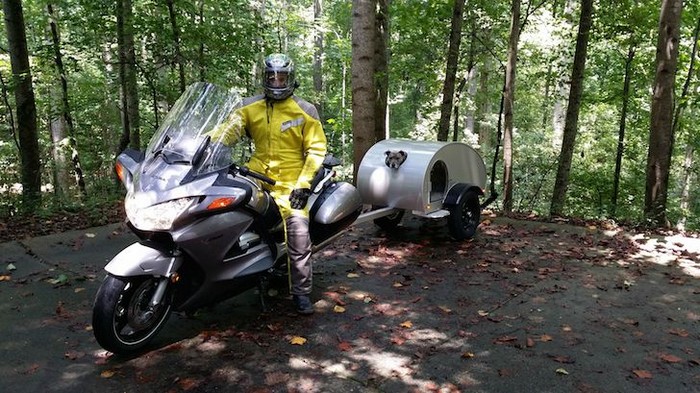
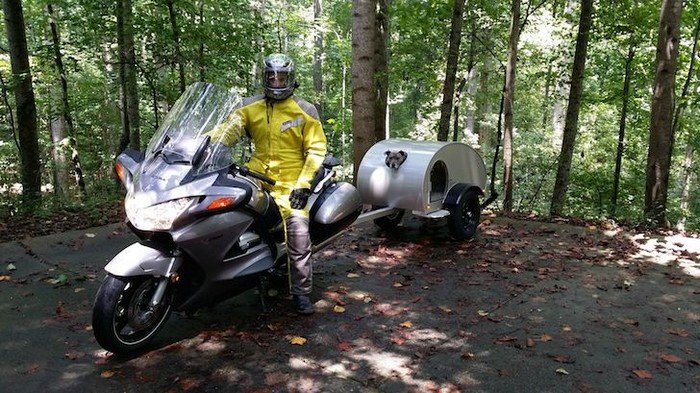
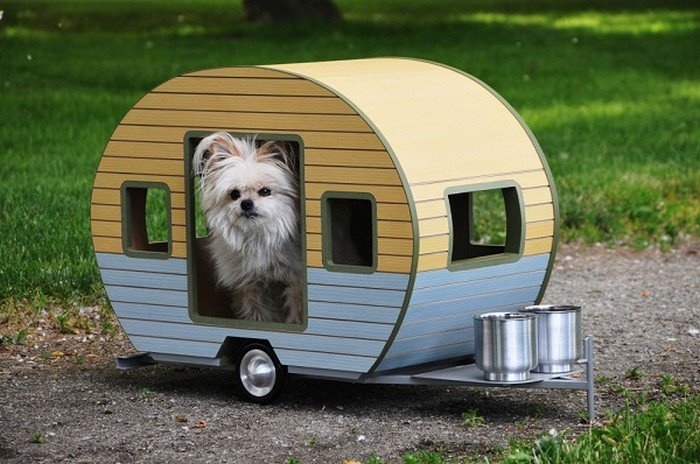
Your dog will love riding in a small camper-style trailer. They get fresh air, a clear view of the world and a cozy place to nap while you travel.
How Do You Build a DIY Dog Trailer for a Motorcycle?
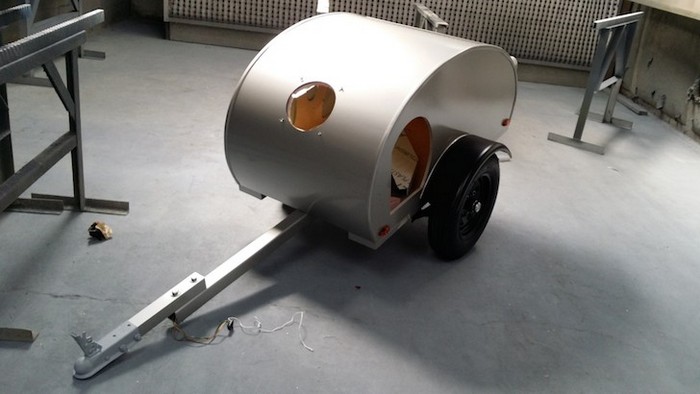
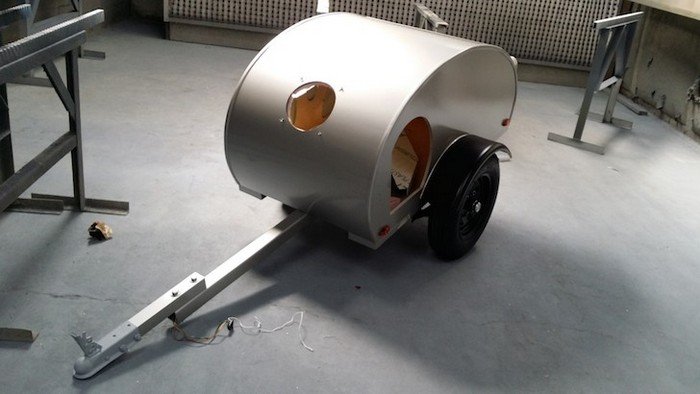
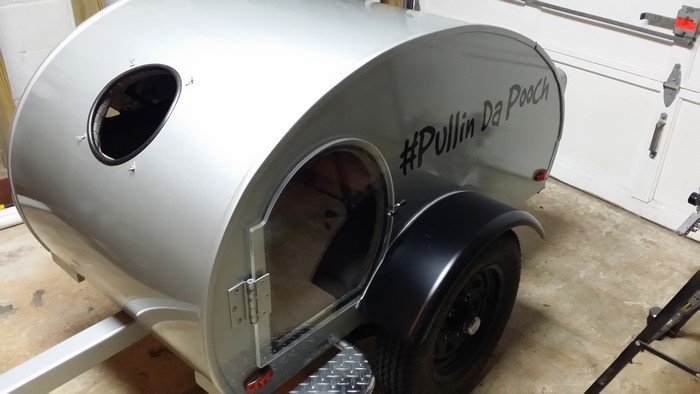
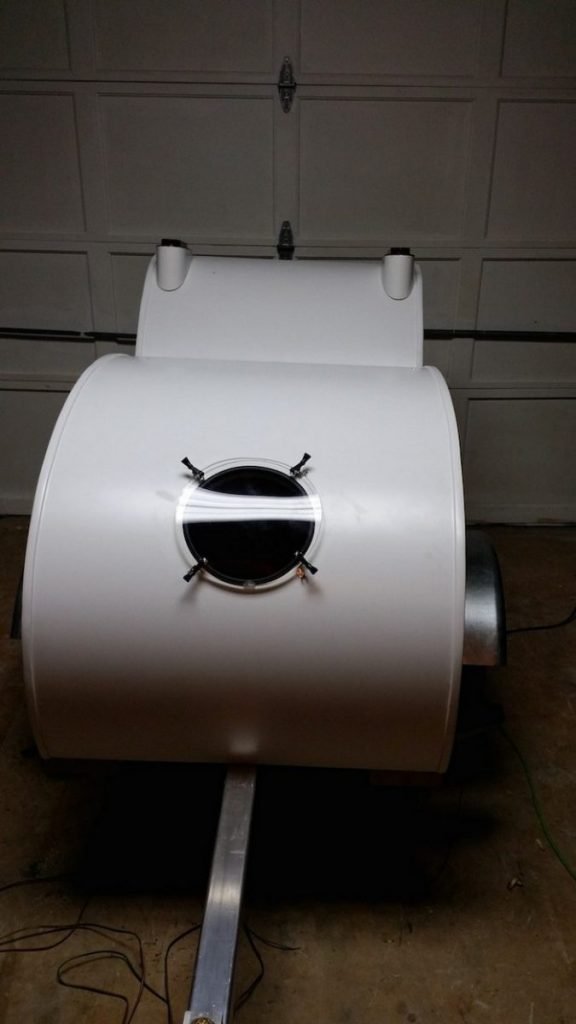
This project is based on a teardrop-style mini camper trailer for dogs. It is enclosed for safety, with insulation for temperature control and features like a temperature gauge and a camera so the owner can keep an eye on the dog while riding.
The owner’s motorcycle uses a temperature gauge that shows both the inside temperature in the trailer and the outside temperature. A small rear camera is mounted so the rider can see the dog on a monitor. These extra features are not required, but they show how you can upgrade and monitor your dog’s comfort in real time.
Materials
- 1/2″ Birch Wood
- 3/4″ Plywood
- 3/8″ Plywood
- 2×6 Timber
- Wood Glue
- Wood Screws
- Axle and Wheels
- Nuts and Bolts
- Brakes
- Signal Lights
- LEXAN Rain Cover
- Spray Foam
- 2″ Foam
- Vinyl Cover
- Paint
- Automotive Carpet
- Spray Adhesive
Tools You’ll Need
- Measuring Tape
- CNC Router
- Staple Gun
- Cordless Drill
- Jigsaw
If you do not own a CNC router, you can still complete this project using a jigsaw, careful templates and patience. The CNC router simply makes cutting curved shapes and repeated parts easier.
Step-by-step Instructions
Step 1: Plan and Design Your Dog Trailer
Decide how large the trailer needs to be. Your dog should be able to lie down fully stretched, sit up and turn around without bumping into the walls. Sketch a simple teardrop or box shape on paper or with design software.
Think about:
- Your dog’s size and weight
- Where to place windows for ventilation
- How the trailer will attach to your motorcycle
- Where the door will be for easy entry and exit
Step 2: Cut the Timber and Plywood
Use your design as a guide to mark and cut the frame pieces from 2×6 timber and the panels from plywood.
- Use 3/4 inch plywood for the floor so it is strong and stiff
- Use 1/2 inch birch wood for the side walls
- Use 3/8 inch plywood for the front and back walls
Cut slowly and follow your marks closely. If you do not have a CNC router, create cardboard or paper templates and trace them onto the wood, then cut with a jigsaw.
Step 3: Build the Frame
Lay out the 2×6 timber pieces on a flat surface to form the base frame. Check that everything is square by measuring corner to corner.
- Apply wood glue at each joint
- Clamp the pieces if possible
- Drive wood screws into each joint for strength
Take time with this step. A straight, square frame means the trailer will tow better and the walls will fit correctly.
Step 4: Attach the Floor and Walls
Fix the 3/4 inch plywood floor to the frame using glue and screws. Make sure there are no gaps between the floor and frame.
Then attach the side walls made from 1/2 inch birch, followed by the front and back walls from 3/8 inch plywood.
- Pre-drill screw holes to avoid splitting the wood
- Wipe away any excess glue that squeezes out
Step 5: Install the Axle and Wheels
Turn the trailer body upside down or on its side to mount the axle. The axle should be centered front to back for good balance and stability.
- Secure the axle to the frame with strong brackets and bolts
- Attach the wheels to the axle with nuts and bolts, tightened firmly
Spin the wheels to check that they turn freely and do not rub on the frame.
Step 6: Add Brakes and Signal Lights
For road safety, your dog trailer should have working lights and brakes that match your motorcycle.
- Install the brakes following the manufacturer’s instructions
- Mount taillights and signal lights at the rear where other drivers can see them clearly
- Connect the wiring to a plug that matches your motorcycle’s trailer or light connector
Test all lights before your first ride.
Step 7: Insulate and Seal the Interior
Spray foam insulation helps keep the inside of the trailer cooler in summer and warmer in cold weather.
- Apply spray foam between the wall panels
- Allow it to dry completely
- Trim any extra foam so the inner surfaces are flat
Seal any gaps where air or water might leak in.
Step 8: Install the Lexan Rain Cover and Windows
A clear LEXAN panel can act as a front window or part of the roof so light enters the trailer and your dog can see out.
- Cut the LEXAN to the required size
- Drill small pilot holes in the edges
- Screw it into place with a weatherproof seal around the edges
This cover helps keep out rain while letting your dog look around and enjoy the ride.
You can also add mesh windows on the sides for extra ventilation. These should be strong enough to resist scratching and have secure closures that your dog cannot open accidentally.
Step 9: Line the Interior With Automotive Carpet
Automotive carpet creates a soft, non-slip, durable surface inside the trailer.
- Cut the carpet pieces to fit the floor and walls
- Spray adhesive on the back of the carpet and on the surface you are covering
- Press the carpet in place and smooth out air bubbles
This gives your dog’s paws a better grip and improves insulation.
Step 10: Build and Install the 2-Inch Foam Bed
Cut a piece of 2-inch-thick foam to match the floor size inside the trailer. Slide it into a vinyl cover or wrap it in vinyl and secure it with a staple gun along the underside where your dog will not contact the staples.
The vinyl cover makes cleaning easy. You can wipe it down or remove it for washing. Place this foam mattress on top of the carpeted floor.
Step 11: Paint and Weatherproof the Exterior
Sand the outside surfaces, then paint them with a weather-resistant paint made for outdoor or automotive use.
Choose a color that matches your motorcycle or stands out clearly on the road.
You can add stripes, shapes or your dog’s name to give it a fun, custom look. After the paint dries, you can add a clear coat for more protection.
Step 12: Add Safety and Visibility Features
Finish the trailer with small details that improve safety and convenience:
- Reflective tape or stickers on the sides and rear
- A strong latch on the door
- Tie down points inside if you plan to use a safety harness
- A temperature gauge for inside and outside readings
- A camera inside the trailer is linked to a screen on your motorcycle
Step 13: Test the Trailer Before Adding Your Dog
First, connect the trailer to your motorcycle and tow it empty. Ride at low speed on quiet streets. Listen for rattles, watch how it tracks behind the bike, and test the brakes and lights.
If everything feels stable, add some weight, such as sandbags or heavy boxes, to simulate your dog’s mass and repeat the test. Only when you are fully satisfied with the balance, stability and safety should you invite your dog to ride.
How Do You Make a Dog Trailer Comfortable for Your Pet?
Creating a comfortable space inside the dog trailer is as important as building a strong frame. A comfortable dog is calmer, safer and more likely to enjoy the experience.
Choose the Right Bedding
Good bedding protects your dog’s joints, absorbs vibration from the road and helps control temperature.
- Focus on durability
- The bedding must handle scratching, turning and daily use. Look for tough fabrics made for pets or outdoor use. Avoid thin fabrics that tear under claws.
- Prioritize washability
- Your dog may shed, drool or have the occasional accident. Choose bedding with a removable cover that you can wash and dry easily. Materials that resist dirt and hair make cleaning faster.
- Softness and support
- A foam mattress is a great choice. Memory foam or orthopedic foam can support older dogs or dogs with joint problems. A waterproof liner between the foam and the outer cover keeps the cushion clean and stops moisture from soaking in.
- Ensure a snug fit
- Measure the trailer floor and choose or cut bedding that fits without bunching up. Bedding that shifts during the ride can be uncomfortable and might make your dog lose balance.
- Consider your dog’s needs
- Some dogs run hot and prefer cooler bedding, such as breathable fabrics or mats with cooling gel. Others get cold easily and may like thicker, warmer cushions or blankets. Observe your dog at home to see what they prefer.
Ensure Adequate Ventilation
Good airflow inside a dog trailer is essential, especially in warm weather or sunny conditions.
- Install mesh windows
- Place mesh windows on at least two sides of the trailer so air can move through and create a cross breeze. Mesh windows let fresh air in while keeping insects out and preventing your dog from jumping or falling out.
- Use secure closures
- Windows should have zippers, latches or other closures that your dog cannot open. You should be able to open them wider for extra air or close them during rain or cold weather.
- Consider adjustable vents
- If you travel in different seasons, adjustable vents are helpful. You can open them during summer rides and partly close them when it is cooler, so your dog does not get chilled.
- Add small fans in very hot climates
- In very warm areas or for very fluffy dogs, a battery-powered or solar-powered fan can help. Mount it securely where your dog cannot chew the wires. The goal is gentle air movement, not strong wind directly on your dog’s face.
- Check airflow before every ride
- Before you set off, make sure bedding, bags or other items are not blocking the vents or windows. Regularly check that the mesh is not torn and the closures still work well.
Add Personal Touches
Adding familiar items makes the trailer feel like a safe, friendly space rather than something strange.
- Include favorite toys
Place one or two of your dog’s favorite toys inside the trailer. Rotate them sometimes to keep things interesting. Toys can distract your dog from road noise and motion. - Use something with your scent
A T-shirt or small blanket that smells like you can calm your dog. Place it near their bed so they feel like you are close by, even when you are sitting up on the motorcycle. - Create a comfort corner
Set up one main area in the trailer as the “rest zone” with bedding and comfort items. Keep this space open and uncluttered, so your dog knows exactly where to lie down and relax. - Match what they know from home
If your dog always sleeps on a certain type of bed, blanket or crate mat, use the same or a similar item in the trailer. Familiar patterns, textures and smells help reduce stress. - Keep routines similar
When possible, try to feed and walk your dog at their usual times, even when traveling. Regular routines make it easier for them to accept the new trailer as just another place they spend time with you.
Click on any image to start the lightbox display. Use your Esc key to close the lightbox.






How Do You Train a Dog to Ride in a Trailer?
Many dogs need time to get used to a trailer. Training slowly and using positive rewards can turn the trailer into a place your dog enjoys.
- Start with familiarization
- Place the trailer in a quiet, familiar area such as your driveway or yard. Leave the door open and allow your dog to sniff around and explore at their own pace.
- Create positive experiences
- Toss treats just inside the door at first, then further inside as your dog becomes braver. Feed some meals in the trailer or play short games near it. Always use a cheerful voice and lots of praise.
- Practice getting in and out
- Teach a simple word, such as “trailer” or “ride”, when you ask your dog to enter. Reward them every time they climb in or step out calmly. Repeat until your dog enters and exits with confidence.
- Begin with short, still sessions
- Have your dog relax inside the trailer while it is not moving. Close the door gently for just a short time, then reopen it and reward your dog. Gradually increase the time inside.
- Introduce gentle movement
- Once your dog is calm in the parked trailer, move it slowly by hand a short distance. Keep sessions brief at first. Praise and reward your dog for staying relaxed.
- Progress to slow rides
- Start with short rides at low speeds on smooth, quiet roads. Sit with your dog in the trailer before and after the ride to reinforce that this is a safe place. As your dog grows more confident, you can gradually increase time and distance.
- Stay patient and consistent
- Every dog learns at a different pace. Never force your dog into the trailer or punish them for being afraid. Consistent, gentle training with treats and praise will build trust and confidence over time.
Is It Legal and Safe to Tow a Dog Trailer?
Know the legal requirements
Laws vary depending on your country, state or region. In many places, rules for motorcycle trailers cover items such as:
- Required lights and reflectors
- Maximum trailer width and length
- Rules for brakes on trailers above a certain weight
- Safety chains or secondary connections
Some areas may also have rules about:
- Pet safety restraints or harnesses
- Minimum ventilation and safe enclosure for animals
Check with your local transport or road authority website, or speak to an officer, before using your dog trailer on public roads.
Ensure Proper Identification for Your Dog
If your dog ever escapes or runs away while traveling, good identification greatly increases the chance of a safe return.
- Use a strong collar with an ID tag that lists your dog’s name, your name and your current phone number.
- Ask your vet about microchipping if your dog is not already chipped. Microchips are permanent and cannot fall off like a collar.
- Keep all contact information up to date when you move house or change phone numbers.
Follow Basic Traffic Safety Rules
Towing a trailer changes how your motorcycle handles. Take extra care to ride safely.
- Ride at or below the posted speed limit, and reduce speed on rough roads or in heavy traffic.
- Allow extra space for braking and cornering.
- Always use your signal lights early so drivers behind you have time to react.
- Check your mirrors often to keep track of the trailer’s position and other vehicles.
- Increase your following distance so you have more time to react to sudden stops.
A simple safety checklist before each ride
- The trailer hitch is firmly connected and locked
- Safety chain or backup connection is attached (if required)
- Brakes and signal lights are working
- Tires are properly inflated and in good condition
- A dog can lie down and turn around comfortably
- Vents and windows are open enough for fresh air
- The door latch is secure and cannot open by accident
Consider Insurance Coverage
Trailer use is not always included in standard motorcycle insurance policies.
- Review your current policy and look for sections on towing or trailers.
- Ask your insurer whether your dog trailer is covered for damage or liability.
- If needed, add extra coverage for the trailer and its contents.
Having the right insurance can reduce financial stress if something goes wrong on the road.
Conclusion
Building a dog trailer is a labor of love that enhances the quality of life for you and your beloved pet. By following the guidelines and tips provided, from selecting the right bedding and ensuring adequate ventilation to adding personal touches and training your dog for trailer rides, you can create a safe, comfortable, and enjoyable environment for your furry friend.
Check out our teepee house project to further make your dog or cat comfortable.
Frequently Asked Questions About DIY Dog Trailers
- What kinds of dogs are suitable for a motorcycle trailer?
- Healthy, confident dogs that are comfortable with car rides and loud sounds usually adapt best. Nervous or motion-sensitive dogs may need extra training time. Always ask your vet before traveling with very young, very old or medically fragile dogs.
- Can I build a dog trailer without a CNC router?
- Yes. A CNC router is helpful but not required. You can cut all parts using a jigsaw if you make careful templates and measure twice before each cut. A simpler box-style design is easier with only hand tools.
- How much does a DIY dog trailer cost to build?
- Most builders spend somewhere between 200 and 600 US dollars, depending on the quality of wood, hardware, wheels and extra features such as cameras or gauges. Using parts you already own can reduce the cost.
- Is a dog trailer safe for long trips?
- A well-built trailer with good ventilation, strong construction and proper hitching can be safe for longer trips. Always stop regularly so your dog can stretch, drink water and relieve themselves. Avoid riding in extreme heat or cold.