Last Updated on December 24, 2025 by teamobn
A comfortable home is more than a visually pleasing space; it is a foundation for healthier, more enjoyable living. Indoor comfort affects how people sleep, relax, and function daily, and it plays an equally important role in the well-being of pets.
Modern home comfort strategies focus on balancing temperature, air quality, and humidity while improving energy efficiency and sustainability. When these elements work together, they create an indoor environment that feels calm, supportive, and adaptable to everyday life.
As lifestyles evolve and more time is spent indoors, homeowners are becoming increasingly aware of how indoor conditions influence overall health.
Thoughtful comfort planning helps reduce stress, improve air circulation, and create living spaces that feel consistently comfortable throughout the year.
Contents
- 1 Understanding the Importance of Indoor Comfort
- 2 Temperature Stability as a Comfort Foundation
- 3 The Role of HVAC in Modern Home Comfort
- 4 Air Quality and Its Role in Healthier Living
- 5 Managing Humidity for Balanced Comfort
- 6 Energy Efficiency and Comfort Working Together
- 7 Designing Indoor Spaces for Everyday Living
- 8 Creating a Pet-Friendly Indoor Environment
- 9 Small Comfort Habits That Add Up Over Time
- 10 Looking Ahead: Comfort as a Lifestyle Choice
- 11 Final Thoughts
Understanding the Importance of Indoor Comfort
Indoor comfort is shaped by several interconnected factors. Temperature, airflow, air cleanliness, and moisture levels all influence how a space feels.
When one of these elements is out of balance, it can impact comfort, productivity, and even health.
Poor indoor conditions may contribute to:
- Fatigue or discomfort caused by temperature extremes.
- Dry or irritated skin and airways.
- Increased allergens and lingering odors.
- Restlessness or discomfort in pets.
Temperature Stability as a Comfort Foundation
Consistent indoor temperatures form the backbone of a comfortable home. Rapid changes between hot and cold settings can strain both occupants and systems, while steady temperatures promote ease and predictability.
Ways to support temperature stability include:
- Setting reasonable temperature ranges rather than extreme highs or lows.
- Using programmable or smart thermostats to align settings with daily routines.
- Ensuring air is evenly distributed across rooms.
- Limiting sudden adjustments that force systems to work harder.
Pets are particularly sensitive to temperature changes, as they rely on their environment to regulate body heat. Maintaining a stable indoor climate helps reduce stress and supports healthier daily routines.
The Role of HVAC in Modern Home Comfort
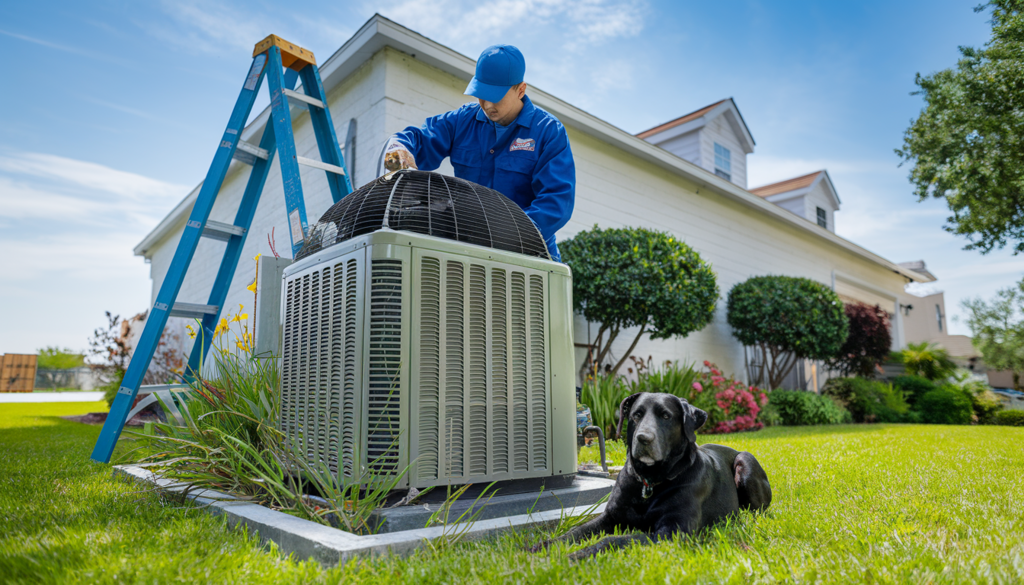
While modern home comfort involves many elements, HVAC systems quietly play an important supporting role in maintaining healthier indoor environments. Rather than being the focus of home living, these systems work best when they operate efficiently in the background, helping regulate temperature, circulate air, and support balanced humidity levels.
Maintaining Consistent Indoor Conditions
In well-managed homes, HVAC systems contribute to comfort by maintaining steady indoor conditions instead of reacting to extreme temperature changes.
Contributing to Cleaner Indoor Air
When systems are properly maintained, they also assist in filtering airborne particles. This is especially valuable in homes with pets or allergy-sensitive occupants, where cleaner air can make a noticeable difference in daily comfort and overall well-being.
Integrating HVAC Into a Broader Comfort Strategy
For homeowners, the key is not technical complexity but reliability. When HVAC systems are integrated into a broader home comfort strategy alongside good ventilation, thoughtful design choices, and energy-conscious habits, they help create indoor spaces that feel comfortable, healthy, and adaptable throughout the year.
Air Quality and Its Role in Healthier Living
Indoor air quality is one of the most important yet overlooked aspects of home comfort. Dust, pet dander, pollen, and everyday pollutants can build up indoors, especially in homes with limited ventilation.
Over time, poor air quality can affect breathing comfort and overall indoor freshness.
To support cleaner indoor air:
- Change air filters regularly.
- Keep vents, registers, and returns clear.
- Use exhaust fans to remove moisture and odors.
- Incorporate air purifiers where additional filtration is helpful.
Modern comfort systems are becoming increasingly sophisticated, offering smarter controls and better filtration. Homeowners interested in understanding these advancements can explore this comprehensive guide to modern home comfort technology, which explains how innovation is shaping healthier and more efficient indoor environments.
Managing Humidity for Balanced Comfort
Humidity plays a major role in how comfortable a home feels. Excess moisture can make spaces feel heavy and uncomfortable, while overly dry air can cause irritation and discomfort.
Balanced humidity levels help:
- Protect wood, flooring, and furnishings.
- Improve breathing comfort.
- Reduce the likelihood of mold and mildew.
- Support healthier skin and coats for pets.
Energy Efficiency and Comfort Working Together
Energy efficiency and comfort are closely connected. Efficient homes maintain stable indoor conditions while reducing unnecessary energy use. Rather than focusing solely on equipment upgrades, homeowners can adopt everyday habits that improve efficiency and comfort simultaneously.
Effective strategies include:
- Sealing gaps around windows and doors.
- Improving insulation in problem areas.
- Using ceiling fans to assist airflow.
- Avoiding blocked vents and returns.
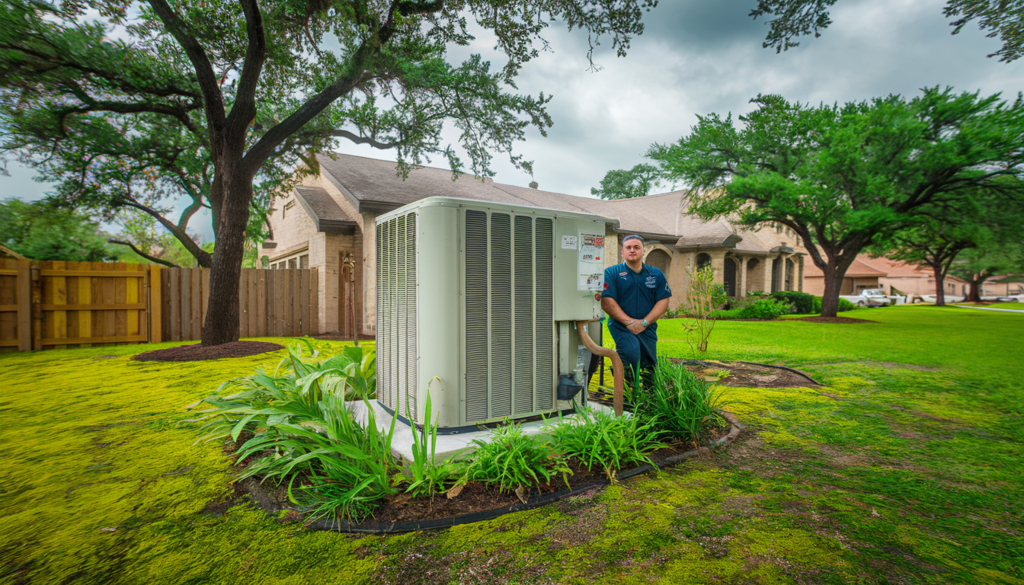
While many adjustments can be handled independently, periodic evaluations by professional technicians in their locality can help identify hidden inefficiencies. This is especially important when equipment is under warranty.
Designing Indoor Spaces for Everyday Living
Comfort is not limited to mechanical systems; it is also influenced by layout, furnishings, and how spaces are used.
Furniture placement, window coverings, and airflow paths all affect how air moves and how temperatures feel within a room.
Simple design considerations include:
- Allowing space for air circulation around vents.
- Using curtains or blinds to manage sunlight.
- Avoiding overcrowded rooms that trap heat.
- Choosing breathable materials where possible.
Creating a Pet-Friendly Indoor Environment
Pets spend much of their time indoors, making home comfort especially important for their health and behavior. Clean air, balanced humidity, and stable temperatures help pets remain calm and comfortable throughout the day.
A supportive indoor environment can:
- Reduce allergy-related discomfort.
- Prevent heat or cold stress.
- Encourage better sleep and relaxation.
- Improve overall quality of life.
Small Comfort Habits That Add Up Over Time
Improving indoor comfort does not always require major changes. Small, consistent habits often have the greatest long-term impact.
Consider adopting practices such as:
- Monitoring indoor conditions seasonally.
- Adjusting thermostat schedules gradually.
- Keeping vents and filters clean.
- Staying proactive with basic upkeep.
Looking Ahead: Comfort as a Lifestyle Choice
Modern home comfort strategies reflect a broader shift toward healthier, more intentional living. As technology continues to evolve, homeowners have more tools than ever to manage indoor environments effectively and efficiently.
By focusing on balance rather than extremes, homeowners can create spaces that support comfort, wellness, and sustainability. A well-managed indoor environment enhances daily living and contributes to a home that feels welcoming, adaptable, and healthy throughout the year.
Final Thoughts
Healthier indoor living begins with thoughtful comfort choices. By maintaining stable temperatures, improving air quality, managing humidity, and embracing energy-conscious habits, homeowners can build spaces that feel comfortable and supportive for everyone inside.
Comfort is not achieved through a single upgrade; it is the result of mindful decisions made over time. With the right strategies in place, modern homes can provide healthier, more enjoyable indoor living for years to come.