Last Updated on November 19, 2025 by teamobn
Hobbit homes are earth‑sheltered, round‑doored dwellings that blend into the landscape. They offer strong thermal performance, low visible maintenance, enhanced privacy, and potential energy savings — making them an attractive option for sustainable homes and unique hospitality projects.
Key Takeaways
- Consider drainage, moisture control, financing and lighting when planning a build.
- Earth‑sheltered design gives excellent thermal mass and passive insulation.
- Smaller, natural‑material builds often need less visible maintenance.
- Placing homes into slopes or hillsides increases privacy and reduces noise.
- Properly designed, these homes can meaningfully lower heating and cooling needs.
Quick Facts
- Type: Earth‑sheltered / turf / living‑roof dwelling (also called smials)
- Typical materials: earth, stone, timber, reclaimed materials, waterproof membranes
- Main benefits: insulation, privacy, reduced wind exposure, aesthetic integration with the landscape
- Main risks: moisture ingress, permitting/finance hurdles, daylighting limitations
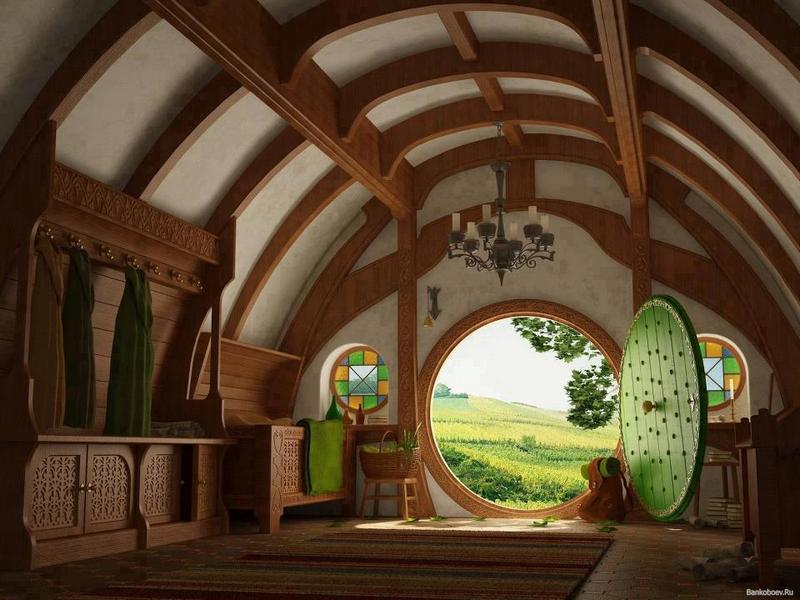
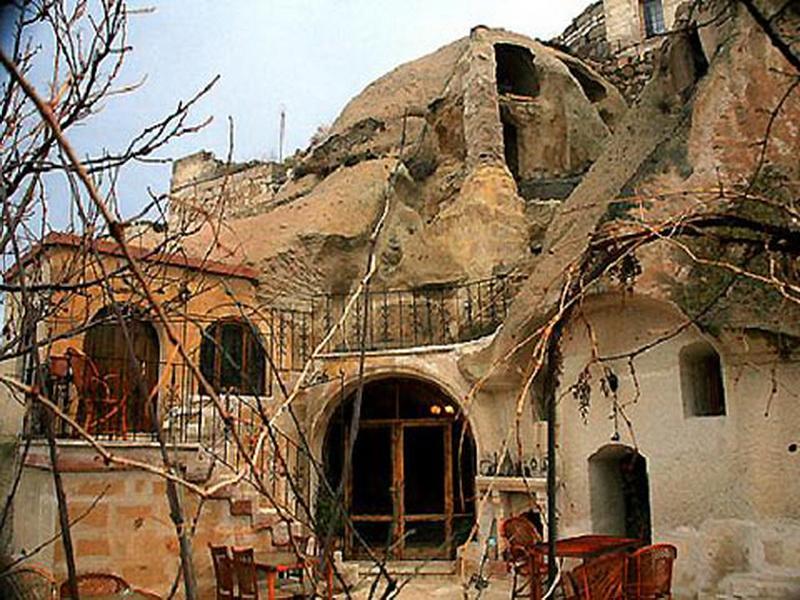
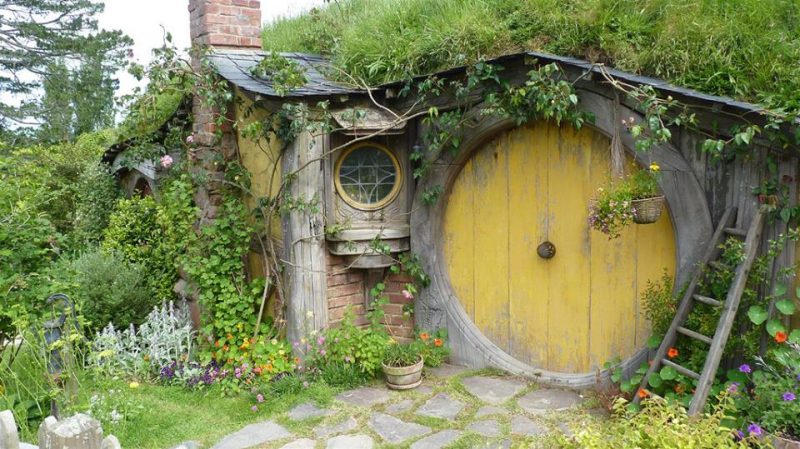
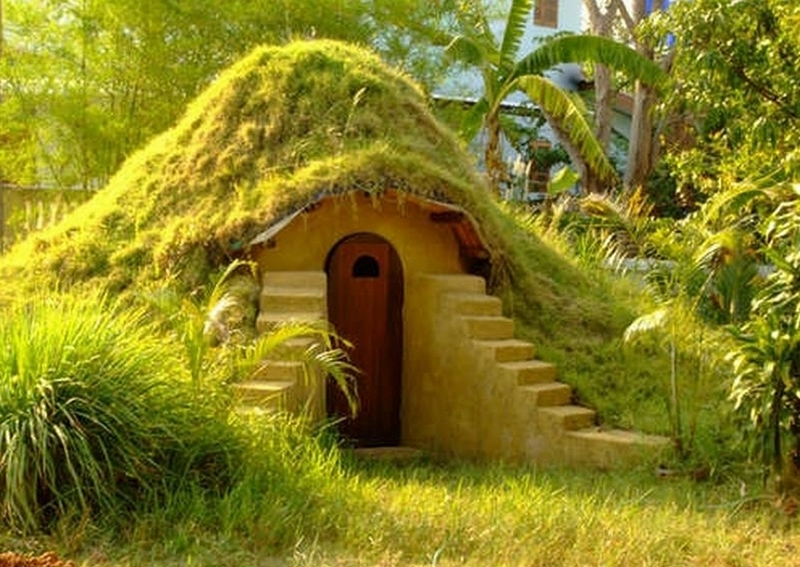
Hobbit homes (smials) are houses that are partially or fully integrated into the earth. Their iconic rounded doors and living roofs recall Tolkien’s Shire, but similar earth‑sheltered architecture has existed for centuries around the world.
Modern hobbit homes combine those vernacular forms with contemporary building science — waterproofing, insulation, mechanical ventilation and renewable energy — to create comfortable, low‑impact living spaces.
What Makes a “Hobbit” Home?
A typical hobbit home:
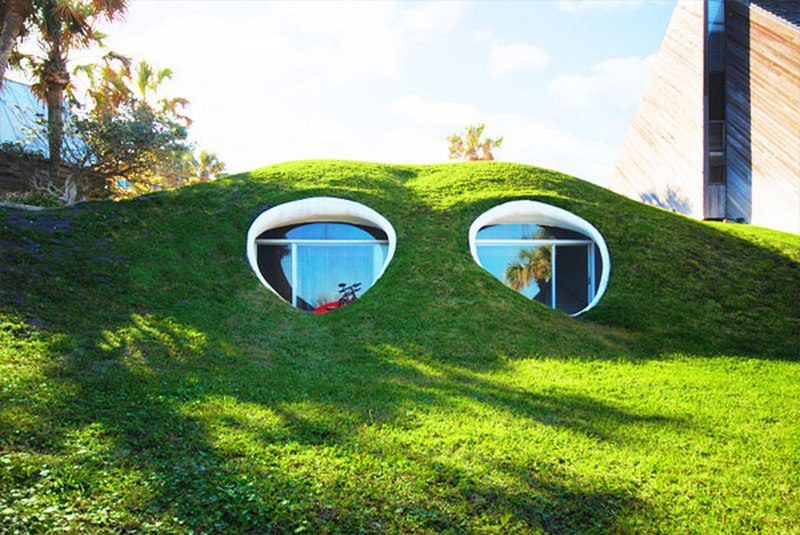
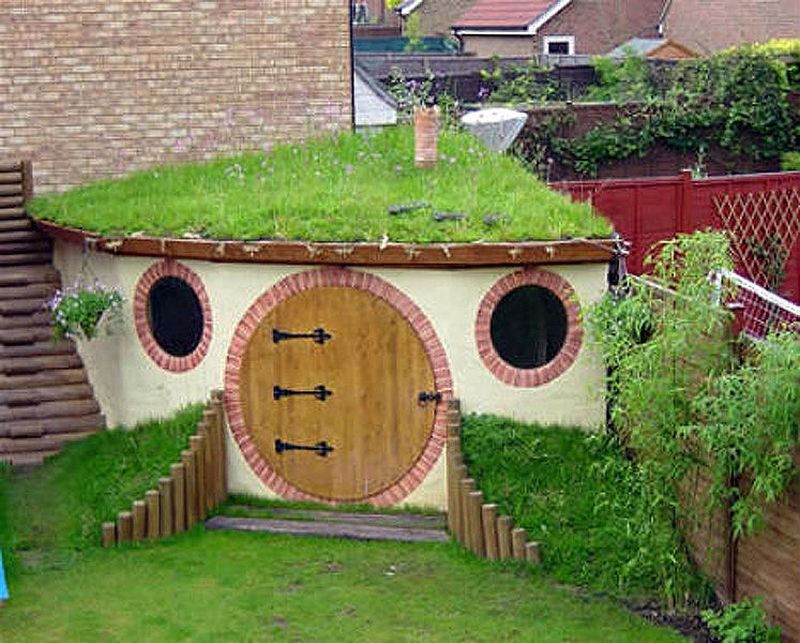
- Is partially built into a slope or covered with earth/turf.
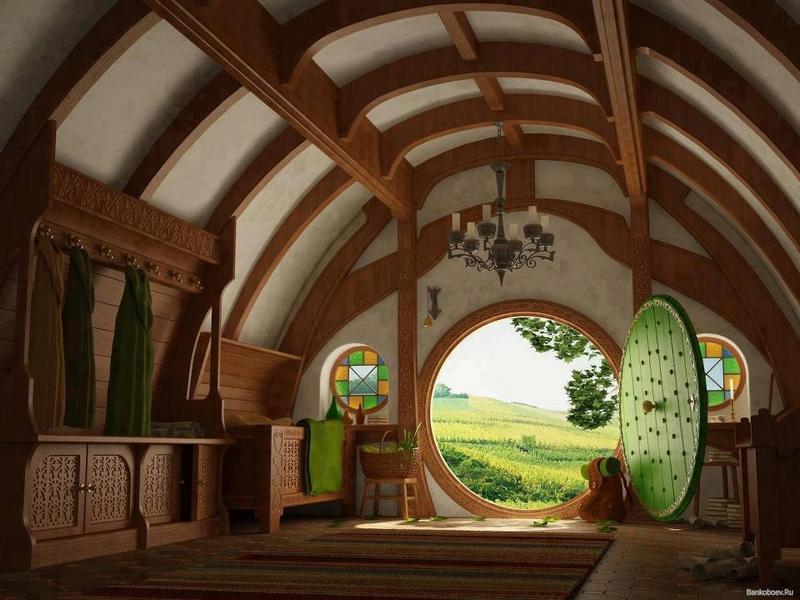
- Uses rounded shapes (doors, windows) and a low profile.
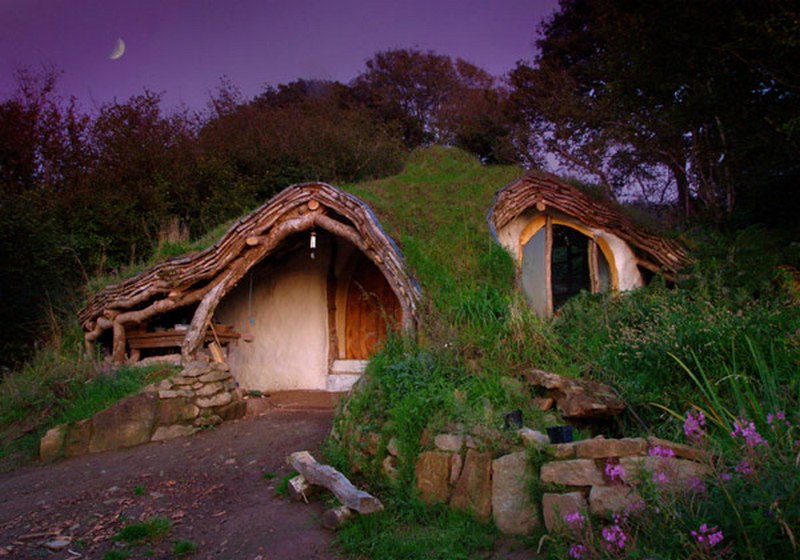
- Often has a living roof or turf roof and exterior finishes that blend with the site.
- Uses natural or reclaimed materials alongside modern membranes, insulation and mechanical systems.
Hobbit Homes Offer Several Advantages
Hobbit homes offer more than storybook charm. Their earth-integrated design delivers practical benefits — from stronger year-round temperature stability to quieter, more private interiors.
- Less Maintenance
- Natural materials like stone and turf roofs weather gracefully, and earth‑integration reduces exposure to wind and UV. That said, turf roofs and exposed stone still need periodic inspection and upkeep (drainage outlets, roof edge details, mortar/stone repairs).
- More Privacy
- Built into hillsides and with low sightlines, these homes are naturally secluded. Placement and landscaping (native hedging, berms) enhance privacy further.
- Insulation & Thermal Stability
- Surrounding earth acts as thermal mass. It evens daily and seasonal temperature swings, lowering peak heating and cooling loads. Combined with proper insulation, thermal breaks and good glazing strategies, earth‑sheltered homes can be very comfortable with lower HVAC demand.
- Reduced Fire Exposure (When Sited Sensibly)
- Earth coverings, stone facades and living roofs can reduce combustible exterior area compared to standard siding. However, fire resilience depends on landscaping (defensible space), materials selection, and adherence to local codes.
- Potential Energy Savings
- Earth‑sheltered designs can reduce heating and cooling energy use, but the amount varies widely with climate, detailing, and mechanical system choices. Present any savings as ranges or conditional outcomes, not absolute percentages, unless you have verified project data.
Practical Technical Considerations (What to Plan For)
Building a hobbit home takes more than creativity — it requires smart planning. Key technical details like drainage, moisture control, structure, and lighting can make or break the project. Getting these right ensures the home stays comfortable, durable, and safe for the long term.
Drainage & Waterproofing
- Install continuous waterproof membranes on earth‑facing walls and robust external drainage (French drains, gravel envelopes).
- Grade the site to move surface water away from the structure; include maintenance access.
Moisture Control & Ventilation
- Use mechanical ventilation with heat recovery (HRV/ERV) to control humidity and provide fresh air.
- Avoid building assemblies that trap moisture (use vapor control layers appropriate to climate).
Foundation & Structural Loads
- Earth pressure and lateral loads require engineered retaining walls and drainage behind earth‑facing walls. Consult a structural engineer early.
Daylighting & Lighting Design
- Maximize daylight with south‑facing glazing where possible, light wells, clerestories, and reflective interior finishes. Plan electric lighting for deep plan areas.
Green Roofs & Maintenance
- If using a living roof: ensure root barriers, drainage mats, suitable growing medium, and an irrigation/inspection plan.
Costs & Financing (Realistic Framing)
Nonstandard builds can complicate mortgage approval; document engineering, warranties and expected lifespans to help lenders. Consider construction loans or alternative financing if needed.
Costs depend on site work (excavation, retaining structures), waterproofing, custom carpentry, finishes, and systems (solar, geothermal).
Pros and Cons of Hobbit Homes on a Table
| Pros | Cons |
|---|---|
| Thermal Stability – Earth provides natural insulation, reducing heating and cooling needs. | Moisture Management – Requires robust waterproofing, drainage, and ventilation to prevent dampness and mold. |
| Low Visual Impact – Blends seamlessly with the landscape, preserving natural aesthetics. | Financing Challenges – Non-standard construction can make mortgages and insurance more difficult to obtain. |
| Enhanced Privacy – Integrated into hillsides, offering natural seclusion and noise reduction. | Permitting Complexity – May face unique zoning and building code hurdles due to unconventional design. |
| Reduced Exterior Maintenance – Natural materials and earth covering often require less upkeep than conventional exteriors. | Daylighting Limitations – Fewer windows can limit natural light; requires careful design for adequate interior illumination. |
| Unique Aesthetic & Appeal – Distinctive design is attractive for residential and hospitality projects. | Specialized Construction – Often requires specialized builders and engineers experienced in earth-sheltered construction. |
| Protection from Elements – Earth covering offers shelter from wind, hail, and extreme temperatures. | Higher Initial Site Costs – Excavation, retaining walls, and extensive waterproofing can increase upfront costs. |
Planning Checklist (For Owners/Builders)
- Site assessment: slope, soil type, groundwater table
- Drainage design: perimeter drains, positive grading, stormwater plan
- Waterproofing: continuous membrane, protection board, inspection access
- Ventilation: HRV/ERV sizing and placement
- Daylighting: glazing strategy, light wells, reflective finishes
- Permitting & documentation: engineered drawings, soil reports, builder warranties
- Budget line items: excavation, retaining walls, membranes, insulation, finishing trades, mechanical systems
Actual Hobbit Homes
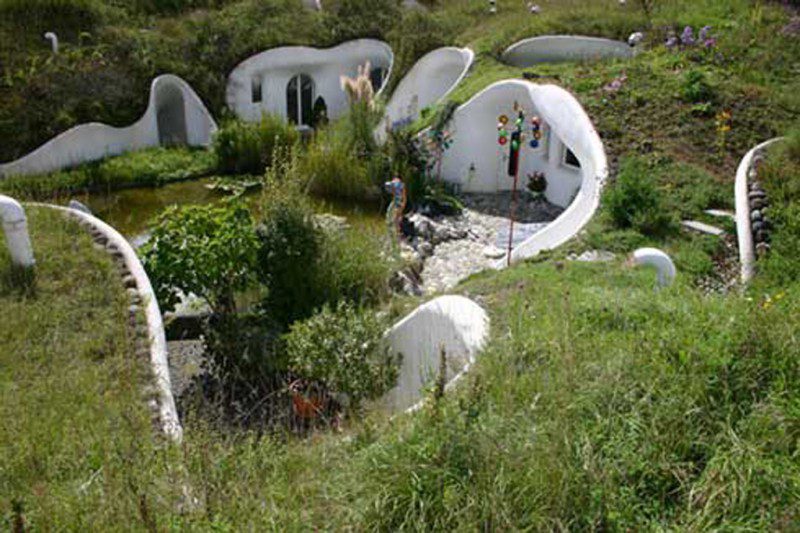
Earth House Estate, Switzerland
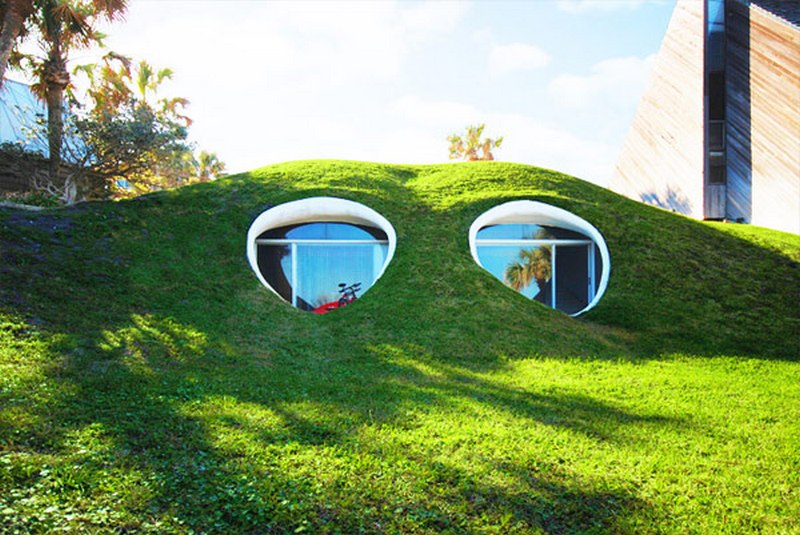
The Earth House Estate in Dietikon, Switzerland, stands as a prime example of hobbit home architecture in the real world. This estate marries the concept of sustainable living with the aesthetic appeal of hobbit homes.
It utilizes earth-sheltered construction to provide excellent insulation, and the use of natural materials minimizes its environmental footprint. The design ensures each home is a part of the landscape, offering a peaceful and eco-friendly living space.
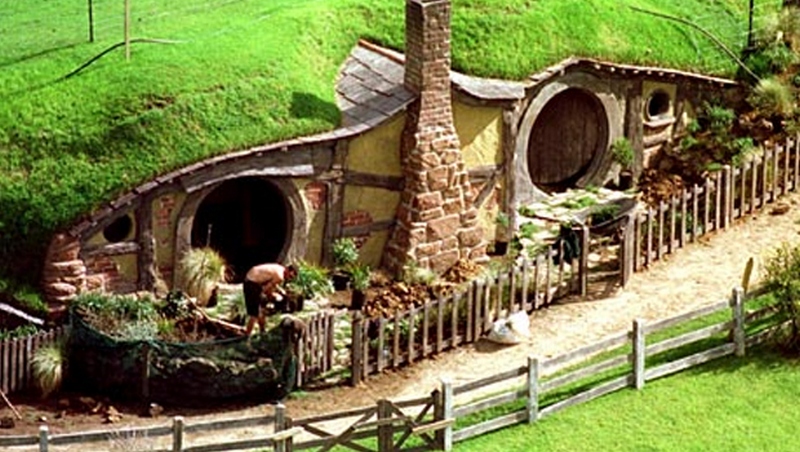
Hobbiton Movie Set, New Zealand
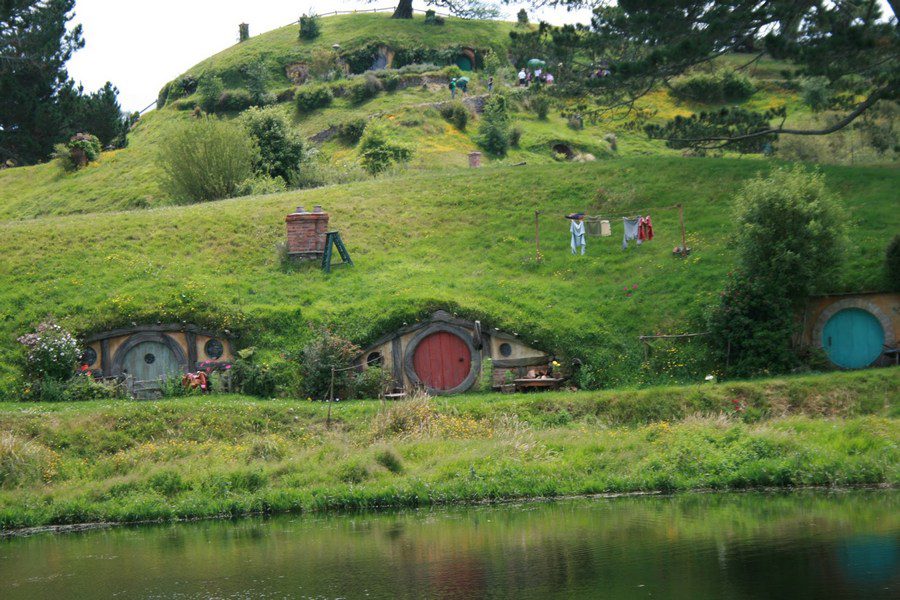
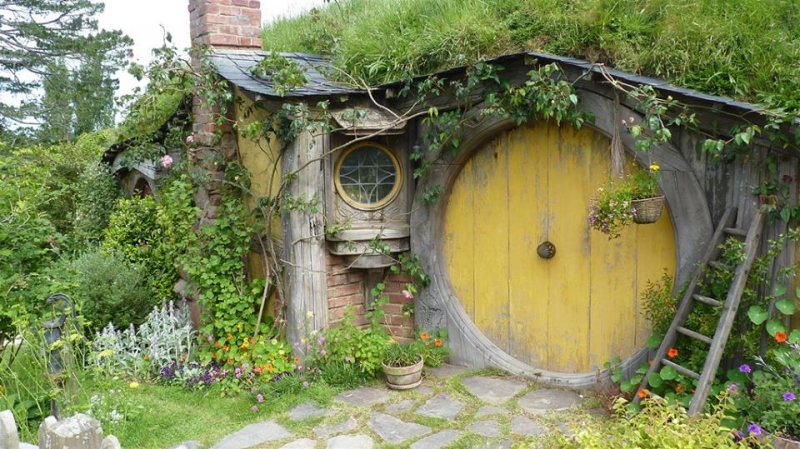
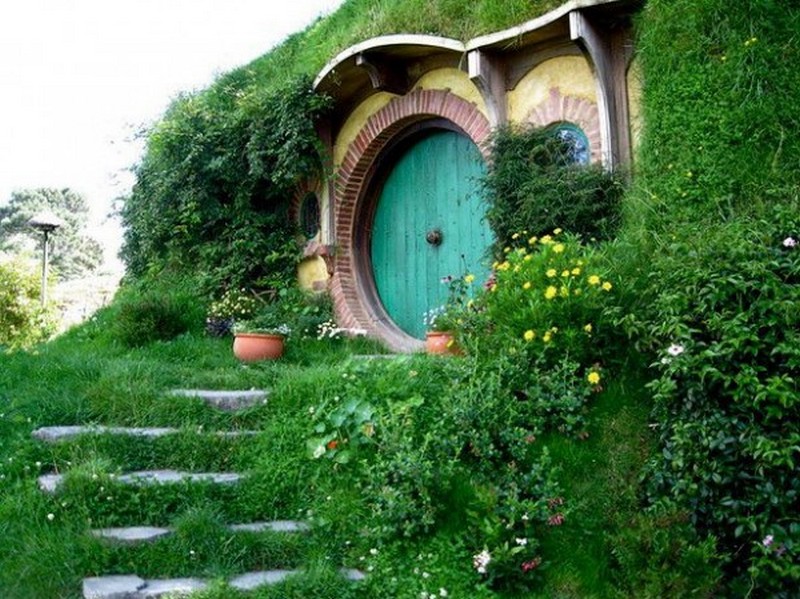
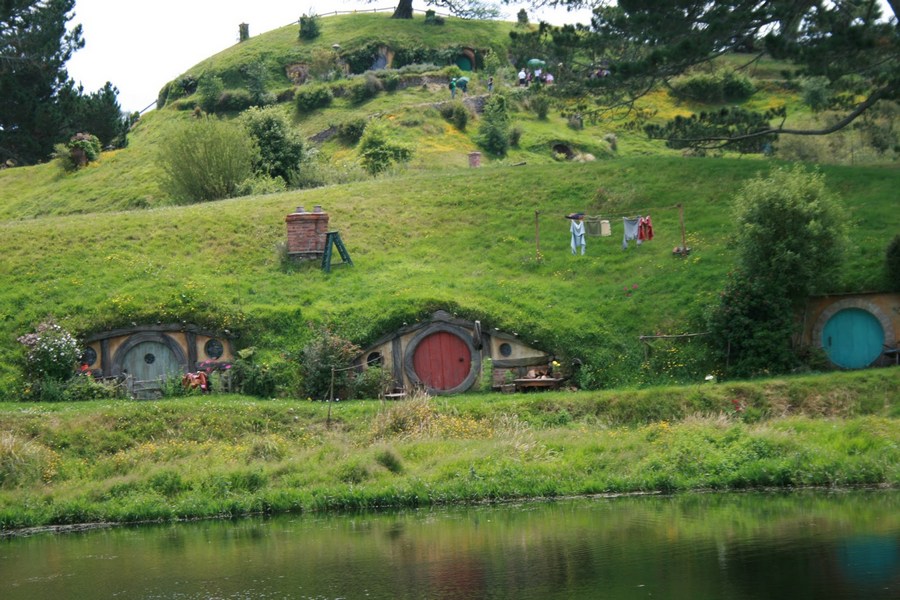
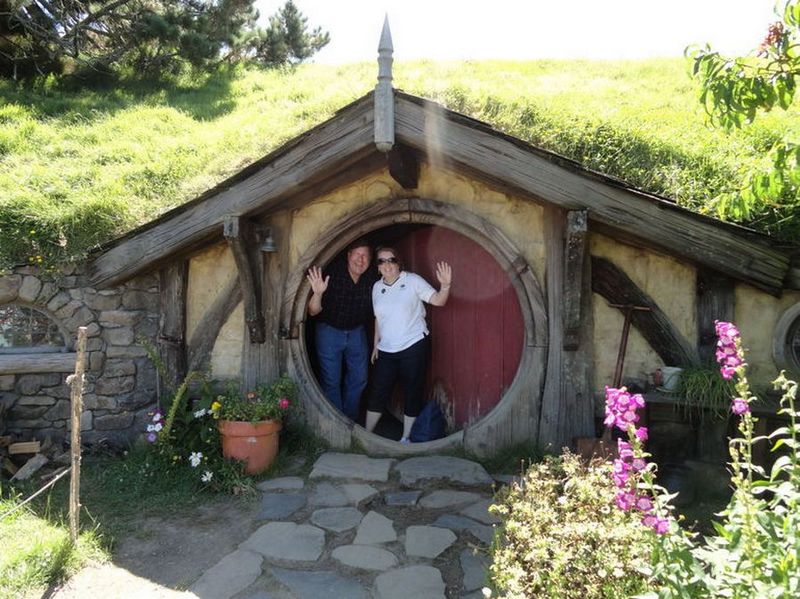
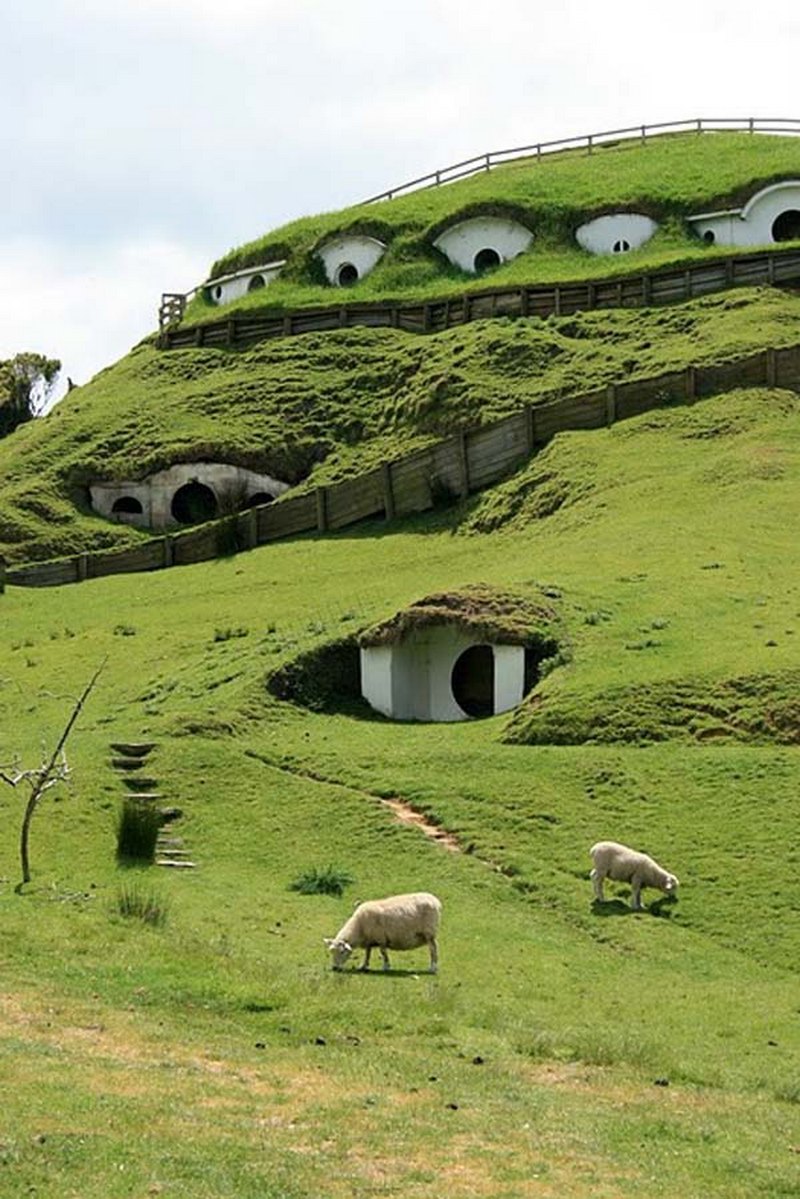
The Hobbiton Movie Set in Matamata, New Zealand, brings the fantastical hobbit homes of J.R.R. Tolkien’s universe to life. Originally constructed for the “The Lord of the Rings” film series, this site has become a tangible example of hobbit architecture.
The set features the hallmark round doors and grass-covered roofs, creating an immersive experience highlighting the charm of living in harmony with nature.
Hobbit House, Montana, USA
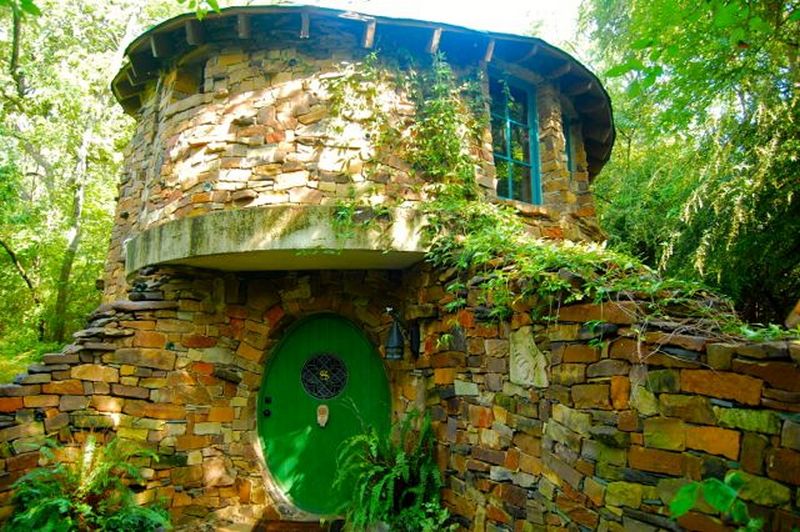
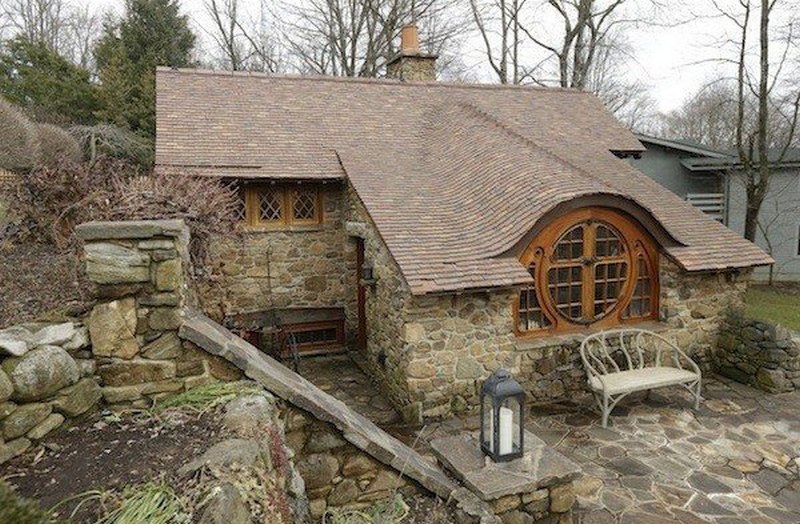
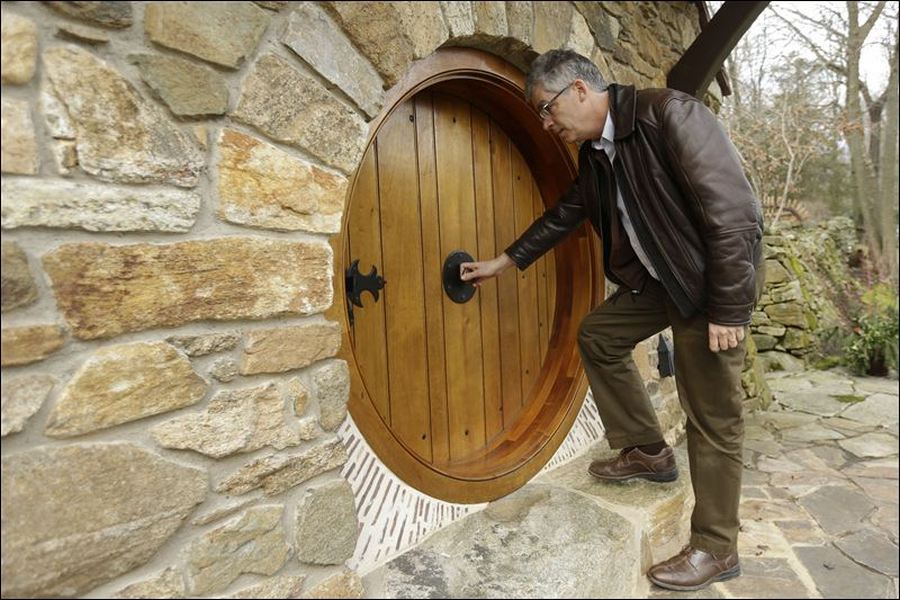
In the United States, the Hobbit House in Montana is a private residence that captures the essence of hobbit-style living. Designed by architect Steve Michaels, this home showcases custom craftsmanship, from its unique round doors to the living roof that blends with the natural surroundings.
The interior continues the theme, offering a cozy, intimate living space that prioritizes a close connection with the environment.
Click on any image to start the lightbox display. Use your Esc key to close the lightbox. You can also view the images as a slideshow if you prefer 😎



Modern Hobbit Homes and Commercial Projects
In recent years, the fascination with hobbit homes has moved beyond the pages of novels and screens of cinemas into real-world applications. Architects, builders, and enthusiasts have brought the concept to life, creating spaces that merge whimsical design with modern living.
Residential Projects
Worldwide, the hobbit home concept has captured the imagination of homeowners seeking a unique living experience. These residences are not just homes but personal sanctuaries that reflect a deep appreciation for nature and sustainable living.
- Sustainable Materials and Construction
- Modern hobbit homes prioritize using eco-friendly materials such as natural stone, wood, and recycled elements.
- Builders focus on minimizing environmental impact, selecting locally sourced materials to reduce carbon footprints.
- The construction process emphasizes harmony with the surrounding landscape, often incorporating existing land features to preserve natural beauty and biodiversity.
- Green Roofs and Energy Efficiency
- A defining feature of many residential hobbit homes is the green roof. These living roofs provide excellent insulation, reduce rainwater runoff, and help the structures blend into their natural settings. I
- nside, energy-efficient designs are standard, with features like solar panels, geothermal heating, and natural cooling systems. These technologies work together to significantly reduce energy consumption, lower utility costs, and promote a sustainable lifestyle.
- Customized to Modern Lifestyles
- While inspired by the quaint homes of the Shire, these modern hobbit homes are fully equipped to meet the demands of contemporary life.
- Designers skillfully integrate modern amenities and technologies, ensuring each home is comfortable and functional.
- From spacious kitchens to luxurious bathrooms, every aspect is thoughtfully planned to enhance the living experience without compromising the aesthetic appeal.
Homeowners of these unique dwellings enjoy the best of both worlds: the enchantment of a fantasy-inspired home and the conveniences of modern living. These residences testify to the creativity and innovation possible when traditional architecture meets contemporary green building practices.
Commercial Ventures
The allure of hobbit homes has transcended private residences, significantly impacting the hospitality industry. Hotels, resorts, and vacation rentals fashioned after these iconic dwellings provide guests with an unforgettable escape into fantasy and tranquility.
- Eco-friendly Design and Construction
- In constructing these commercial hobbit homes, developers prioritize sustainability. They often use materials sourced from the local environment, such as earth, stone, and wood, to minimize their ecological footprint.
- The design of these structures typically includes features like green roofs, natural insulation, and energy-efficient systems that ensure a comfortable stay while respecting the planet.
- This commitment to eco-friendly practices appeals to environmentally conscious travelers and enhances the natural beauty of the accommodations.
- Unique Guest Experiences
- Hobbit-inspired commercial properties offer more than just a place to stay; they provide a comprehensive experience. Guests can immerse themselves in environments that feel as if they’ve stepped straight out of the pages of Tolkien’s novels.
- Every detail is designed to transport visitors to the Shire, from the round doors and cozy interiors to the lush, green surroundings. These ventures often include themed activities, such as guided tours of the property, storytelling sessions, and traditional Hobbit meals, to deepen the immersive experience.
- Modern Amenities in a Fantasy Setting
- Despite their rustic charm, hobbit-inspired commercial properties have the amenities and comforts modern travelers expect. Wi-Fi, hot showers, luxurious beds, and gourmet dining options are seamlessly integrated into the setting, ensuring guests enjoy both the whimsy of a hobbit hole and the conveniences of contemporary accommodation.
- This blend of fantasy and functionality makes these ventures appealing to a broad audience, from die-hard Tolkien fans to travelers simply looking for an extraordinary getaway.
These commercial ventures have successfully tapped into the growing desire for travel experiences that are not only unique and immersive but also sustainable and respectful of the environment. They stand as a testament to the enduring appeal of Tolkien’s world and the innovative ways in which the hospitality industry can bring fantasy to life.
Frequently Asked Questions: Hobbit Home
- Are hobbit homes energy efficient?
- They can be — earth thermal mass smooths temperature swings and can lower HVAC demand. Efficiency depends on insulation, airtightness, climate and systems.
- What materials are used?
- Earth, stone, timber and sometimes reclaimed materials. Modern builds add membranes, insulation and mechanical systems.
- Will a hobbit home be damp or moldy?
- A: Not if designed properly. Good waterproofing, drainage and mechanical ventilation are essential to prevent moisture problems.
- Are they hard to finance?
- They can be more challenging; provide engineering reports, detailed cost estimates and builder references to ease lender concerns.
- How long to build?
- Timelines vary — from short builds for tiny shelters to many months for fully finished, code‑compliant homes. Site work and weather are major time drivers.
Conclusion
The concept of hobbit homes extends far beyond their literary origins, embodying principles of sustainability, integration with nature, and energy efficiency that broadly affect contemporary living.
From private residences inspired by the charm of the Shire to commercial ventures that transport guests to a fantasy world, hobbit homes demonstrate the versatility and appeal of eco-friendly architecture.
If you liked these, you will also like viewing these other homes…