Last Updated on October 14, 2026 by teamobn
Answer Box
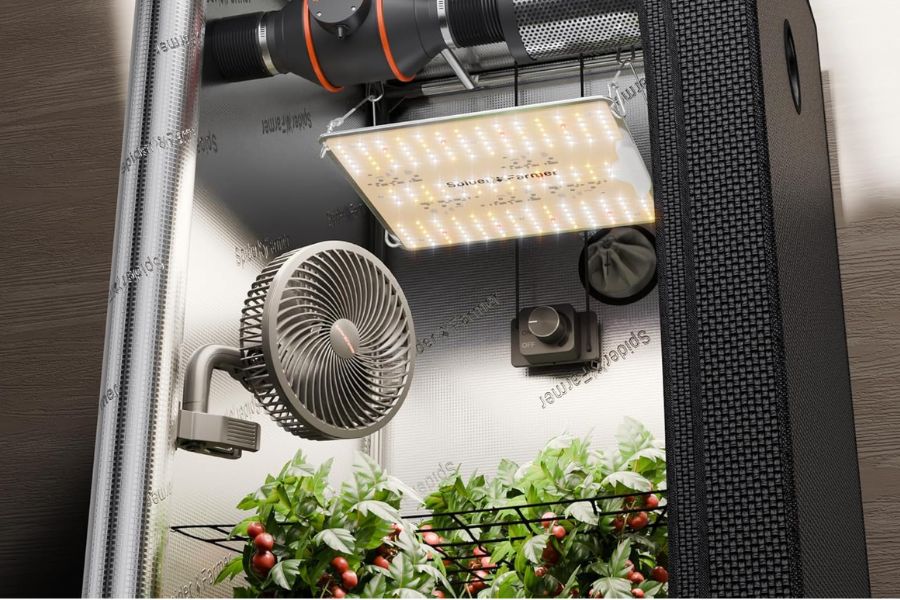
- What it is: A light‑sealed cabinet or bin lined with reflective material, fitted with full‑spectrum LED lighting, intake/exhaust ventilation, and a timer for automated cycles.
- Who it’s for: Apartment/condo dwellers, cold‑climate growers, or anyone wanting discreet, consistent results with herbs, leafy greens, and compact fruiting plants.
- Cost and time: $120–$350; 2–4 hours; difficulty: Easy–Intermediate. Core components: Cabinet/bin, reflective lining, 100–200 W full‑spectrum LED, intake and exhaust fans, timer, pots/medium, hygrometer/thermometer.
- Targets: 18–24°C; 40–60% RH; PPFD 200–300 µmol/m²/s for greens; 14–18 hours light/day for herbs/greens.
- Safety: Use a GFCI outlet, secure cabling, and maintain clearance between hot components and surfaces.
What is a DIY Grow Box?
A DIY grow box is a small, controlled environment—usually a cabinet or storage bin—optimized with reflective lining, full‑spectrum LED lighting, and managed airflow. It enables year‑round growing by stabilizing light, temperature, and humidity, while keeping pests, odors, and noise to a minimum. Ideal for herbs, greens, microgreens, compact flowers, and dwarf veggies.
- Benefits:
- Year‑round production in minimal space
- Controlled environment = faster, more reliable growth
- Lower pest/disease risk vs. outdoors
- Discreet, quiet, and odor‑managed with proper fans/filters
- Typical targets: 18–24°C (65–75°F), 40–60% RH, 14–18 h/day of light for greens.
Enhance your skills with related guides:
Bill of Materials and Tools
What are the materials needed to create a DIY Grow Box?
- Cabinet or storage bin (24–36 in tall; 16–20 in deep; light‑sealable)
- Reflective lining: mylar or reflective insulation (preferred over foil)
- Full‑spectrum LED grow light (100–200 W; dimmable preferred)
- Timer or smart plug (automated light cycles)
- Ventilation: intake and exhaust fans
- Budget: quiet 80–120 mm PC fans
- Better: 4 in inline fan + carbon filter (odor control)
- Power strip with surge protection
- Optional: prefilter/carbon filter, ducting, noise‑dampening mounts
- Pots or trays with drainage; quality potting mix or coco/perlite blend
- Hygrometer/thermometer
- Weatherstripping/tape for light‑sealing
- Screws/brackets/adhesive as needed
Helpful products:
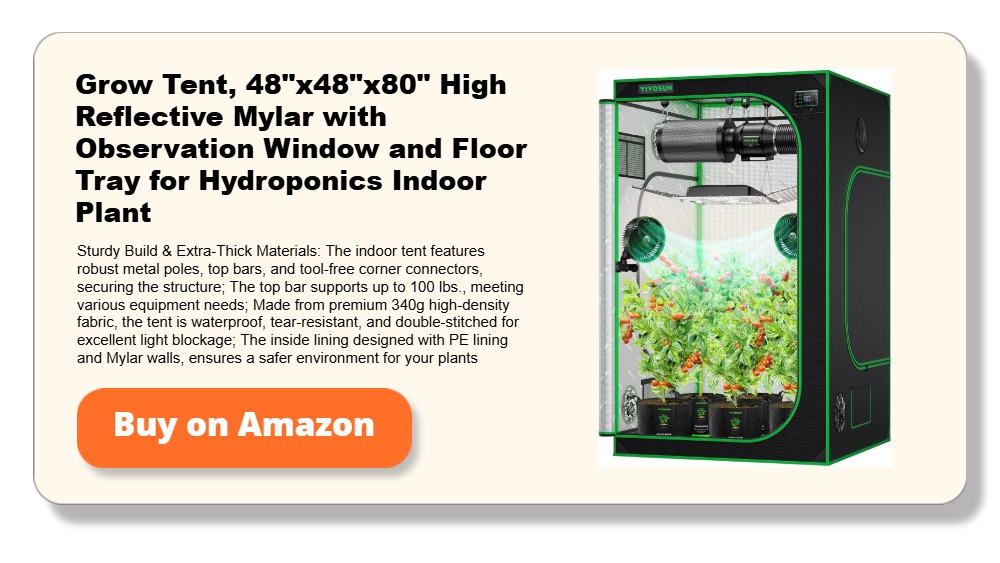
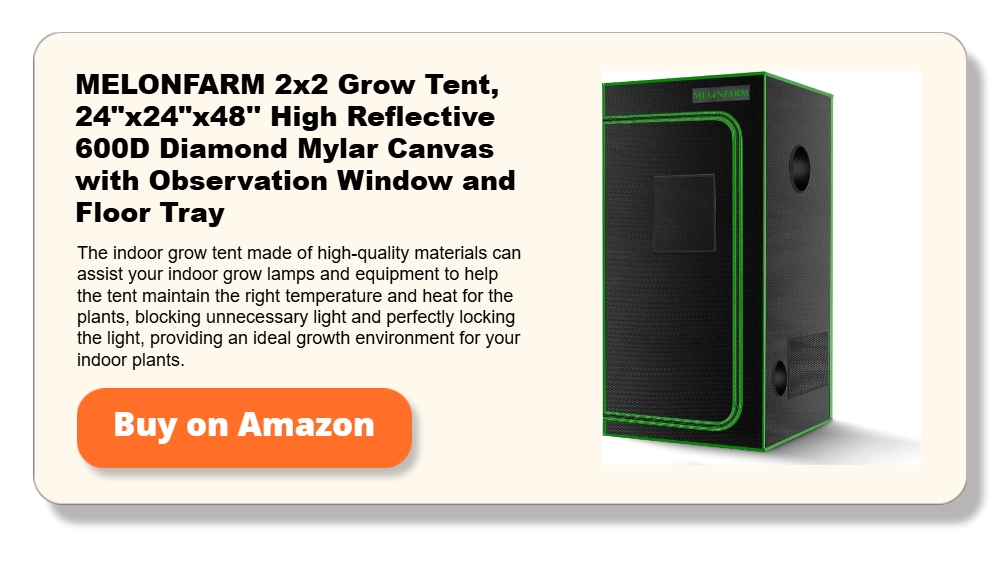
- Example indoor tent alternative: indoor grow box
- LED boards and fans: Option 1, Option 2
Building a DIY Grow Box
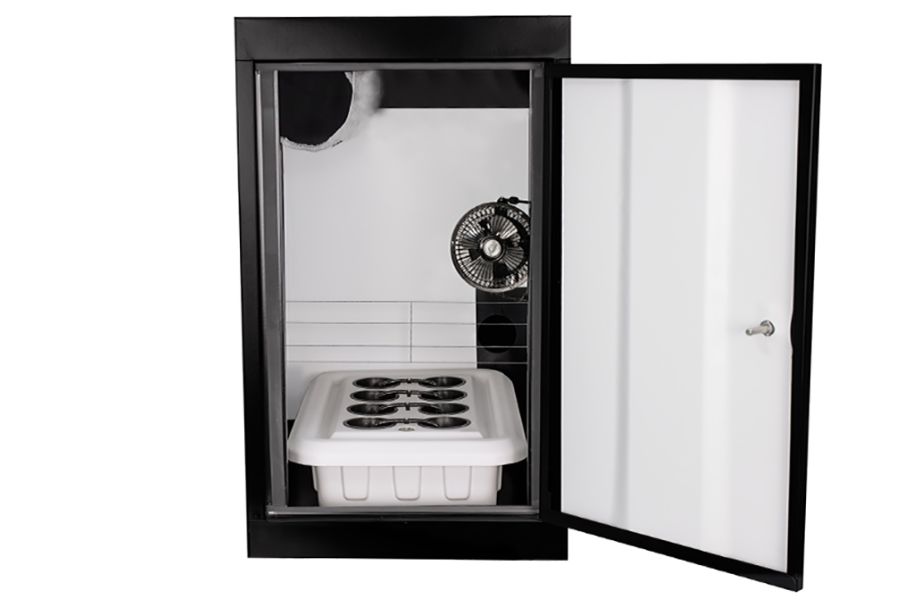
Constructing your own indoor grow box can be an enjoyable project that brings the joys of gardening into your home, even if you lack outdoor space. Follow these steps to build a grow box that will help cultivate healthy flowers or crops, ensuring you have control over essential growth conditions like light, temperature, and humidity.
How to Build a DIY Grow Box?
1. Prepare and Light‑Seal the Container
- Choose a cabinet/bin that’s 24–36 in tall and 16–20 in deep to leave room for pots and airflow.
- Clean thoroughly. Add weatherstripping around doors/lids; tape seams to eliminate light leaks.
- Place on a stable, dry surface near a GFCI outlet.
Tip:
- Do a dark‑room test: turn on the light inside and look for leaks; seal any pinholes with tape.
- If using a bin, cut a hinged access flap for easy maintenance.
2. Line the Interior with Reflective Material
Reflective material helps to maximize the light distribution within the grow box, ensuring that your plants receive an even supply of light.
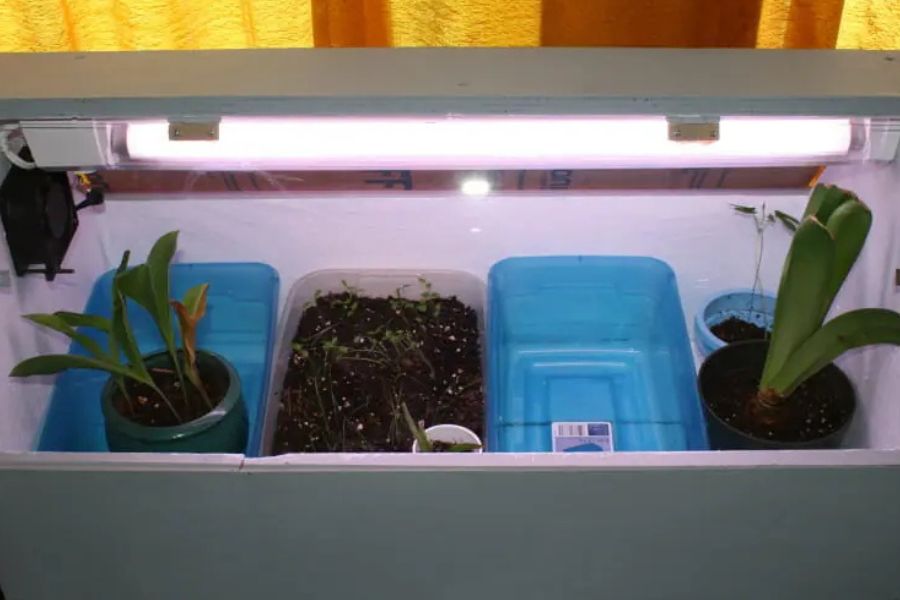
- Apply mylar or reflective insulation to all interior surfaces (walls/door/ceiling).
- Smooth out wrinkles for consistent light distribution; secure edges with foil tape.
Alternative option: If you don’t have mylar sheets, aluminum foil can be used, though it’s less effective. Make sure the shiny side is facing inward.
Why it matters:
- Reflectivity improves PPFD uniformity, reducing plant stretching and hot spots.
3. Install Full‑Spectrum LED Lighting
LED grow lights are the most energy-efficient choice for indoor gardening. They emit minimal heat and provide the full spectrum of light that plants need for photosynthesis.
- Mount LED at the ceiling with adjustable hangers.
- Starting distance: 12–18 in above canopy for herbs/greens; use dimmer if available.
- Targets:
- Leafy greens/herbs: 200–300 µmol/m²/s PPFD
- Compact fruiting plants: 400–600 µmol/m²/s PPFD (in larger boxes)
Safety:
- Maintain clearance around power drivers; avoid direct contact with reflective film.
- Route cords along walls with clips; keep off the floor and away from water.
Light schedule (typical):
- Herbs/greens: 14–18 h/day
- Fruiting plants: 16–18 h vegetative, then 12 h/day for flowering
4. Set Up the Light Schedule (typical): Ventilation System
Good airflow is essential for maintaining a healthy environment inside your grow box. Without proper ventilation, plants may suffer from mold growth or poor air circulation, which can hinder growth.
- Create low intake and high exhaust to promote vertical airflow.
- Budget: 80–120 mm PC fan intake + PC fan exhaust
- Better: 4 in inline exhaust fan + carbon filter; passive intake (vent or gap)
- Size fans by volume: CFM ≈ 1–2× box volume (L×W×H in ft³). Install dust prefilters on intakes; use soft mounts or foam to reduce vibration.
Noise/Odor tips:
- Inline fans with carbon filters reduce smells.
- Flexible insulated ducting and rubber grommets lower noise.
5. Place Plants, Sensors, and Power
- Add trays/pots with drainage; use saucers to manage runoff.
- Growing medium: quality potting mix or coco coir + perlite (60/40).
- Place a combined hygrometer/thermometer at canopy height.
- Plug LED and fans into surge‑protected power strip; put LED on timer/smart plug.
Environment Targets:
- Temperature: 18–24°C (65–75°F)
- Humidity: 40–60% RH
Pre‑flight check:
- Run 24 hours empty; record temp/RH trends; adjust fan speed or light height as needed.
Maintenance and Troubleshooting
Maintaining your DIY grow box is essential to keep your plants healthy and thriving. Regular upkeep will help you control the environment inside the box, preventing issues like mold, pests, and light leaks.
Here are some practical tips for maintaining your indoor grow box, so your indoor garden stays productive and discreet.
Routine checks:
- Daily: quick look at leaves, soil moisture, light distance, fan noise.
- Weekly: wipe dust from fans/LED, check for light leaks, recalibrate light height.
Watering and feeding:
- Water when top 1–2 cm of medium is dry; avoid standing water in trays.
- Use a balanced, dilute fertilizer for herbs/greens; flush occasionally to prevent salt buildup.
Pest prevention:
- Inspect underside of leaves; quarantine new plants.
- Wipe spills and trim dead material promptly.
Mold and humidity:
- Keep RH under 60% during late growth; increase airflow; thin dense foliage.
Heat management:
- If temps exceed 26°C (79°F), raise LED, increase exhaust CFM, or dim the light.
Safety:
- Use GFCI outlets, tidy cable runs, and drip loops.
- Keep power supplies off the floor and away from water sources.
Printable checklist (mini):
- Before planting: light‑seal, airflow test, 24‑hour dry run, timer set, sensors placed.
- Each week: fan cleaning, light height, check seals, remove debris.
Following these maintenance tips will keep your DIY grow box in excellent condition, ensuring it remains a discreet, productive space for cultivating your plants.
Best Plants for an Indoor Grow Box
The success of your indoor garden can be much enhanced by selecting the correct plants for your DIY grow box. Selecting varieties that will flourish under limited space, particular light conditions, and the degree of discretion you are hoping for is crucial since some plants are more suited for the controlled environment of a grow box.
These are some perfect plant varieties and ideas on what to think about while deciding.
Starting with low-maintenance plants will help you if you are new to indoor gardening; beginning-friendly and versatile for many conditions, herbs including basil, chives, and oregano are Easy to grow and yield quickly, and include lettuce, spinach, and radishes as well.
Great for beginners:
- Herbs: basil, mint, cilantro, chives, thyme, oregano
- Leafy greens: lettuce, spinach, kale, arugula
- Microgreens: radish, broccoli, sunflower
Compact Color:
- Flowers: pansies, marigolds, African violets, petunias (dwarf)
Small Vegetables (larger boxes, more light):
- Cherry tomatoes (dwarf), peppers (compact), bush beans, baby carrots, strawberries
Selection Tips:
- Choose compact/dwarf varieties; match light needs; prefer fast growers for frequent harvests.
Explore Related Guides:
Choosing the best plants for your indoor grow box requires weighing elements, including size, light needs, growth rate, and climate preferences.
Optional Comparison (Budget vs. Better)
| Component | Budget Option | Better Option | What to Look For |
|---|---|---|---|
| Enclosure | Opaque storage bin | Used/flat‑pack cabinet | Light‑sealable, ≥24 in height |
| Lighting | 100 W LED board | 150–200 W dimmable LED | Full spectrum; even PPFD |
| Ventilation | Dual 120 mm PC fans | 4 in inline + carbon filter | 1–2× volume CFM; <40 dB |
| Lining | Aluminum foil | Mylar/reflective insulation | High reflectivity, cleanable |
| Control | Mechanical timer | Smart plug + schedules | Reliable cycles, remote check |
Note: Prices and availability vary; ensure products meet your electrical and space requirements. Affiliate disclosure applies.
Frequently Asked Questions
- How much does a DIY grow box cost?
- Typically $120–$350 depending on cabinet size, LED wattage, and whether you add an inline fan/carbon filter.
- What light schedule should I use?
- Herbs/greens: 14–18 hours daily. Fruiting plants: 16–18 hours for veg, then 12 hours to flower.
- How do I size the fans?
- Calculate box volume (ft³) and target 1–2× that number in CFM for the exhaust fan; passive intake or smaller intake fan is fine.
- How do I keep it quiet and odor‑free?
- Use a 4 in inline fan with carbon filter, soft mounts, insulated ducting, and run the fan on a lower speed setting.
- Is it safe and legal?
- Growing permitted plants is generally fine; always follow local laws and building codes. Use GFCI outlets and keep electrical components dry and secured.
Conclusion
Building a DIY grow box creates an indoor, controlled environment for cultivating plants year-round. By carefully managing light, temperature, and ventilation, you can ensure your plants thrive discreetly indoors. With regular maintenance and attention to detail, your indoor grow box will provide a productive and satisfying gardening experience.
We have other kinds of grow boxes for various plants. Read about our garden grow box and Trellis combo project!