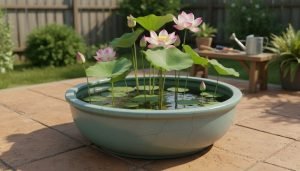

You can nurture your own lotus flower at home. Having this amazing flower grow is not as complicated as it seems. Lotus plants are resilient and will grow when they are in the proper environment. Use our comprehensive home gardening guide to cultivate your own lotus and how you can maintain it during the harshest season. Be the envy of your gardening group or friends at the end of this article.
Key Takeaways
Contents
- Growing a lotus flower at home is a highly achievable project that rewards gardeners with stunning, symbolic blooms when provided with consistent warmth and sunlight.
- Success with a lotus flower depends on using a wide, non-draining container filled with heavy clay soil and maintaining water temperatures above 70°F.
- A healthy lotus flower requires at least six to eight hours of direct sun daily and regular fertilization once the plant has established several leaves.
- Protecting your lotus flower involves monitoring for common pests like aphids and ensuring proper dormancy care to help the plant survive through the winter.
Understanding the Lotus Flower
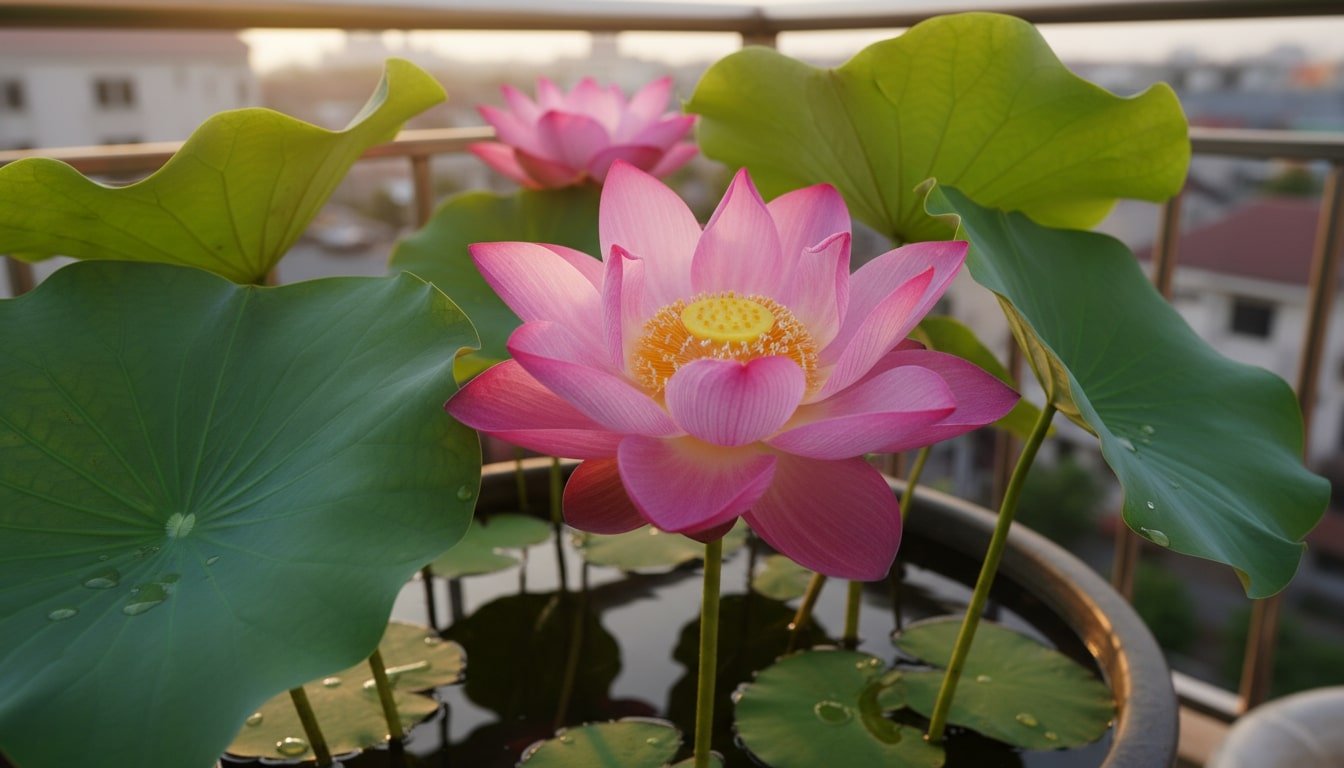
Gardeners, artists, religious practitioners, and poets have taken a fascination with the lotus flower. It is a beautiful object rising from muddy water. Most of Asia conceptualize the lotus as a symbol of purity, rebirth, and spiritual awakening. Let’s go through the reason why this flower is incredibly popular among home gardeners.
Basic Botany: How a Lotus Flower Grows in Water
The unique feature of the lotus flower is its spectacular large blooms that carry a shade of white, pink, and yellow that are in two-tone varieties. Another notable aspect of this flower is the seed pod where the lotus blooms.
Note that the lotus is a symbol of purity for a reason. Its leaves are coated with a natural wax that keeps away water and dirt. The self-cleaning lotus always maintains its beauty throughout the day.
Hardy vs. Tropical Lotus Flower Varieties
Most home gardeners run into two main lotus flower types: hardy and tropical. The big difference is how they handle temperature. Hardy lotus flower varieties can make it through winter as long as the tubers stay below the freeze line in the water, or you lift the container and store it somewhere protected.
Tropical lotus flower varieties don’t have that cold tolerance. They want steady warmth, so they’re usually a better fit for hot climates, or you’ll need to overwinter them indoors. If you know which one you have, it’s much easier to plan care through the year and get strong growth again next season.
Complete Guide to Cultivating Your Lotus Flower
Growing a lotus flower at home is one of those projects that looks intimidating, but it’s actually very doable once you understand the basics. Give it warmth, sun, still water, and the right container, and it’ll reward you with bold leaves and those unmistakable blooms that make any space feel calmer.
Materials and Tools Needed
Container and growing medium
- Wide, shallow container (18–36 inches across, 8–12 inches deep, no drainage holes)
- Heavy clay-based garden soil or clay loam (around 10–15 pounds)
- Pea gravel or small stones (optional, for a light top layer)
- Lotus tuber (hardy or tropical, matched to your climate)
Water and location
- Chlorine-free water (rainwater is great, or let tap water sit out for 24 hours)
- Sunny spot outdoors with 6–8 hours of direct sunlight daily
Fertilizer and nutrients
- Aquatic plant fertilizer tablets (slow-release, balanced formula)
Tools
- Garden gloves
- Watering can or hose
- Thermometer (helpful for checking water temp)
- Pruning shears or scissors
Optional but handy
- Mosquito dunks (Bti tablets) to prevent larvae
- Net or mesh cover to keep birds, leaves, and debris out

Step-by-step gardening guide to growing a lotus flower
- Step 1: Prepare your container and soil
- Your lotus flower thrives well in a wide and shallow container that does not have any drainage holes. Pack the container with heavy clay soil until there is a depth of 4-6 inches.
- Step 2: Plant the lotus flower tuber
- The lotus tuber should be set at a horizontal angle on the potted soil. Set the growing tips upward. Be Careful when managing the tips as they are very delicate. Anchor the thick ends of the tips with stones, but leave them exposed.
- Step 3: Add water and place it in the sun
- Incorporate water onto the container slowly. Your goal is to gently fill the container until it is 2-4 inches above the soil, without disturbing the lotus. Place the potted lotus in a place where it gets full sun exposure for at least six hours. Do not allow the lotus to be left in the shade for more than an hour.
- Step 4: Keep an eye on temperature and water level
- Lotus sprouts best when the water is warm, ideally above 70°F (21°C). Top up the container as water evaporates so the soil stays submerged. The goal is steady water, not big swings.
- Step 5: Fertilize once the plant is established
- Hold off on fertilizer at first. Once your lotus has 4–6 leaves, push 1–2 fertilizer tablets into the soil near the tuber (not directly on it). Repeat every 3–4 weeks during the growing season to keep growth and blooming on track.
- Step 6: Watch it grow and clean it up as needed
- You’ll see floating leaves first, then taller leaves, then buds once it’s happy. Trim off yellowing leaves or spent blooms by cutting the stem down near the base. It keeps the plant looking neat and helps prevent the water from getting messy.
- Step 7: Handle pests and algae without overreacting
- Check leaves for pests like aphids and remove them by hand when you catch them early. If algae shows up, it’s usually a sign of too much nutrient or too much sun hitting open water. Lotus leaves will shade the surface over time, so you can also cut back on fertilizer a bit if algae is getting out of control.
- Step 8: Prepare for winter dormancy
- Toward late summer, stop fertilizing so the plant can slow down naturally. As temperatures drop, the leaves will die back and that’s normal. Hardy lotus can stay outside if the tuber is kept below the ice line, while tropical lotus should be moved indoors to a frost-free space for overwintering.
Common Problems with a Lotus Flower and How to Protect Your Lotus Flower
There will always be problems gardeners have to prepare for and address, especially when you are cultivating a lotus flower. Use these troubleshooting methods when you encounter any issues with your Lotus.
Aphids Attacking Your Lotus Flower
Be prepared for aphids eating your lotus flower, as they are its most common pests. These are incredibly small green, black, or brown critters gathered in a cluster on the lotus’ leaves or buds. If you do not deal with them, they will make the leaves curl into an ugly and distorted mess. Allowing them to feast on your lotus will make it hard for them to produce their beautiful flowers.
Act right away when there are signs of aphids on your lotus by simply spraying affected leaves with a spray of water or simply wiping them away. If they keep appearing, consider nurturing ladybugs to feed off of aphids or use insectidal soap made specifically for water flowers.
Caterpillars and Leaf-Eating Insects on Your Lotus Flower
Caterpillars can severely damage your lotus by creating large holes on its leaves. This creates a noticeable defect on your lotus and can have a negative impact on their ability to develop its flowers. You can spot these caterpillars with dark droppings on the leaves and signs of insect damage.
Remove any caterpillars as soon as you see it manually, either with a gloved hand or tweezers. Always look beneath the leaves and stems that are hidden from plain sight as these are where they are hiding.
If caterpillars are a constant problem, consider using Bacillus thuringiensis to target these pests without hurting your lotus. Apply the product in the evening to discourage caterpillars from eating your lotus flower’s leaves.
Snails and Slugs Damaging Your Lotus Flower
Snails and slugs are attracted to the moist environment around a lotus flower and can cause considerable damage by eating holes in leaves and flowers. These mollusks are particularly problematic for a lotus flower because they thrive in the wet conditions that the plant requires. You’ll often find them feeding at night, leaving behind silvery slime trails on your lotus flower leaves.
To protect your lotus flower from snails and slugs, remove them by hand during evening inspections when they’re most active. Create barriers around your lotus flower container using copper tape, which gives these pests a mild electric shock and deters them. You can also place shallow dishes of beer near your lotus flower to trap slugs and snails, or use iron phosphate-based baits that are safe for use around water and won’t harm your lotus flower or other wildlife.
Fungal Diseases Affecting Your Lotus Flower
Fungal infections can affect a lotus flower, particularly in humid conditions or when water splashes repeatedly on the foliage. Common fungal issues include leaf spot, which appears as brown or black spots on lotus flower leaves, and stem rot, which causes the stems of your lotus flower to become soft and mushy. These diseases can spread quickly if not addressed, potentially killing your lotus flower.
Prevention is the best approach to protecting your lotus flower from fungal diseases. Ensure your lotus flower receives adequate air circulation and full sunlight, which helps dry foliage quickly. Remove any infected leaves from your lotus flower immediately and dispose of them away from the plant. Avoid overhead watering that splashes soil onto lotus flower leaves, and never overcrowd multiple plants in one container, as this creates the humid, stagnant conditions where fungi thrive around your lotus flower.
Yellowing Leaves on Your Lotus Flower
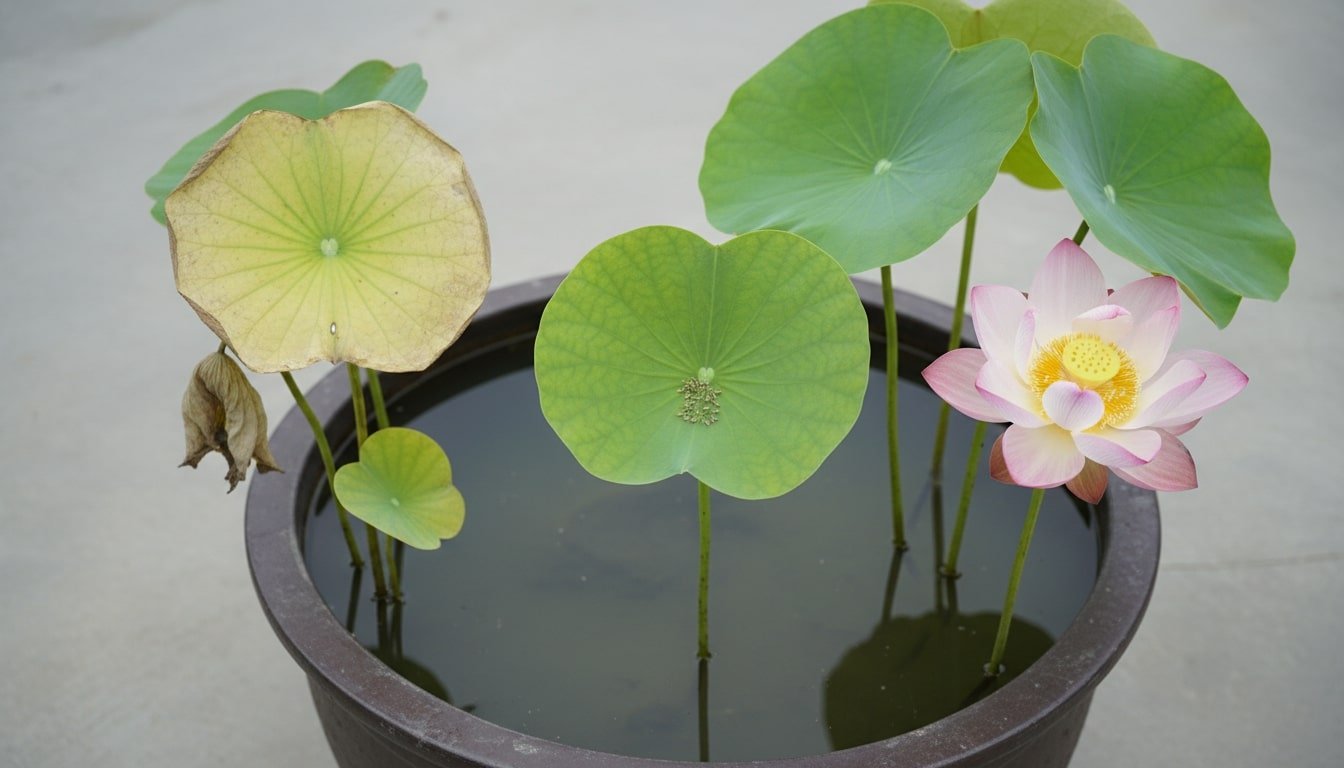
Yellowing leaves are one of the most common concerns for lotus flower gardeners and can indicate several different problems. Natural aging causes older lotus flower leaves to yellow and die back, which is completely normal. However, widespread yellowing of your lotus flower foliage may signal nutrient deficiencies, inadequate sunlight, water temperature issues, or root problems that need attention.
To diagnose yellowing on your lotus flower, first determine which leaves are affected. If only the oldest, outermost leaves of your lotus flower are yellowing, this is natural senescence and nothing to worry about. If newer leaves on your lotus flower are turning yellow, check that the plant is receiving at least 6-8 hours of direct sunlight and that water temperatures remain above 70°F. Increase fertilization if your lotus flower hasn’t been fed recently, using aquatic plant tablets to provide the nutrients your lotus flower needs to maintain healthy green foliage.

Poor or No Blooms on Your Lotus Flower
One of the most frustrating problems is when a lotus flower produces abundant foliage but fails to bloom. This issue with your lotus flower is almost always related to insufficient sunlight, as the plant requires intense, direct sun to generate enough energy for flower production. A lotus flower growing in partial shade may look healthy and green but will rarely produce the spectacular blooms you’re hoping for.
To encourage blooming, ensure your lotus flower receives a minimum of 6-8 hours of unobstructed sunlight daily, with 8-10 hours being ideal. Move your lotus flower container to a sunnier location if necessary, even if it means repositioning it several times during the season.
Additionally, make sure you’re fertilizing your lotus flower regularly during the growing season, as inadequate nutrients can also prevent blooming. Finally, be patient with a newly planted lotus flower, as some varieties may not bloom in their first year while they establish strong root systems.
Conclusion
Growing a lotus flower at home can turn a plain corner of your yard, patio, or balcony into something that feels calm and intentional. If you give it a wide container, warm water, and lots of sun, it’ll pay you back with big, healthy leaves and those show-stopping blooms. The “secret” is really just the basics done consistently: heavy soil that stays put, fertilizer at the right time, and quick cleanup of tired leaves. Once the plant settles in, a lotus flower is easier to live with than most people expect, but it still looks like a centerpiece.
Are you still looking to add more colors to your home? Read our guide on growing a colorful flower garden at home next!
FAQ: Growing a Lotus Flower at Home
- Can I grow a lotus flower in a container without a pond?
- Yes. You don’t need a pond at all. A wide, shallow container with no drainage holes works great, even on a balcony. Use heavy clay soil so it doesn’t cloud the water, then keep the water level a few inches above the soil and top it up as it evaporates. Full sun and warm conditions matter more than having a big water feature.
- How long does it take for a lotus flower to bloom from a tuber?
- In warm water (around 70°F / 21°C) and strong sun, a tuber usually sprouts in about 1–3 weeks. Flowers often show up roughly 6–12 weeks after planting, but it depends on the variety and your climate. Cooler areas sometimes get lots of leaves in year one, then more reliable blooming in year two.
- How much sunlight does a lotus flower really need?
- Plan on 6–8 hours of direct sun every day. Lotus can still grow leaves with less light, but it often won’t bloom, or you’ll get fewer flowers. A spot that gets strong midday to afternoon sun is usually better than a location that’s bright but shaded part of the day.
- Why are the leaves on my lotus flower turning yellow?
- If older leaves are yellowing, that can just be normal aging, and you can trim them off. If newer leaves are turning yellow, it’s usually a care issue like not enough sun, low nutrients, or water that’s staying too cool. Check that you’re fertilizing once the plant has several leaves, and try to keep the water consistently warm.
- Can a lotus flower survive winter in cold climates?
- Hardy lotus can handle winter as long as the tuber stays below the ice line, either in a pond or a protected container setup. In very cold areas, many gardeners move the container into a cool, frost-free place like a garage so it doesn’t freeze solid. Tropical lotus isn’t freeze-tolerant, so it needs indoor overwintering anywhere that gets frost.