Last Updated on October 30, 2025 by teamobn
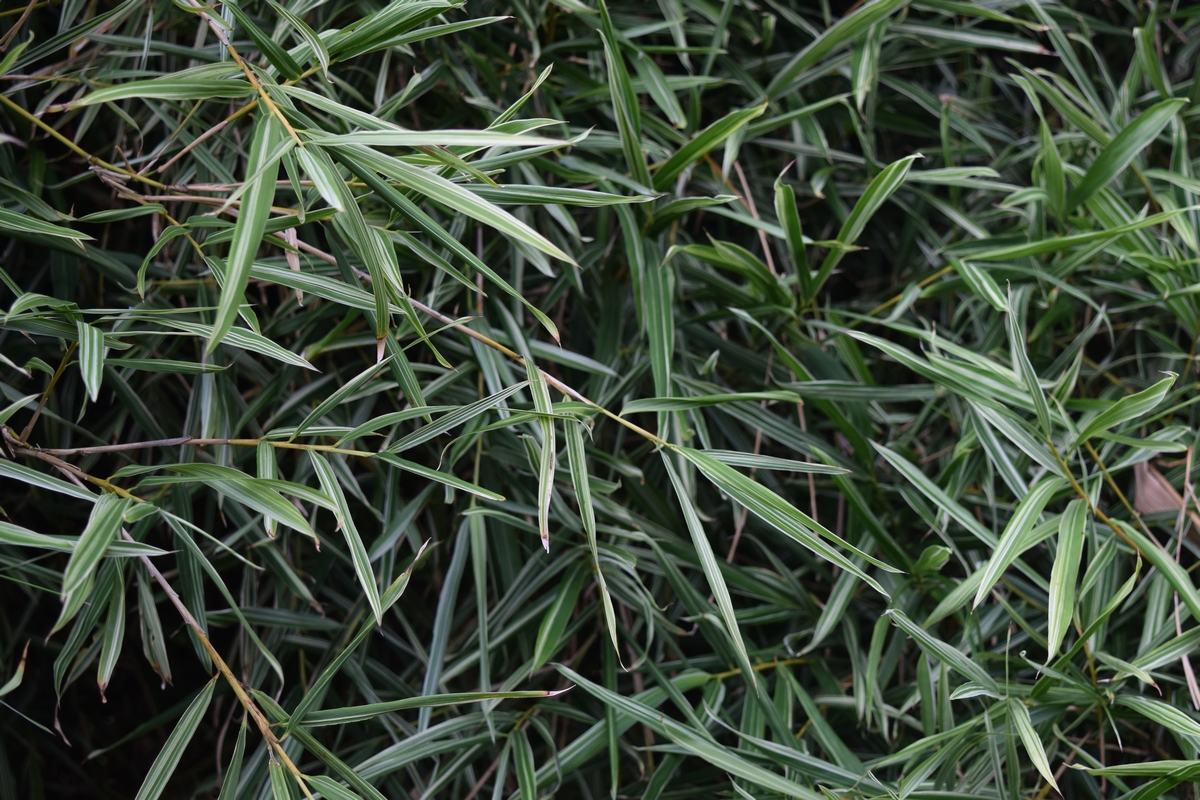
If you want to create a dense hedge to block out a neighbour, it’s hard to go past the variegated Malay Dwarf bamboo. Note that not all Bambusa heterostachya are variegated. You need to select the specific cultivar (cv) ‘variegated’, if you want this appearance. Don’t get me wrong here… the non-variegated cultivar is also an excellent ‘hedger’ with an attractive foliage colour but, for my money, I’ll take the variegated variety every time 🙂
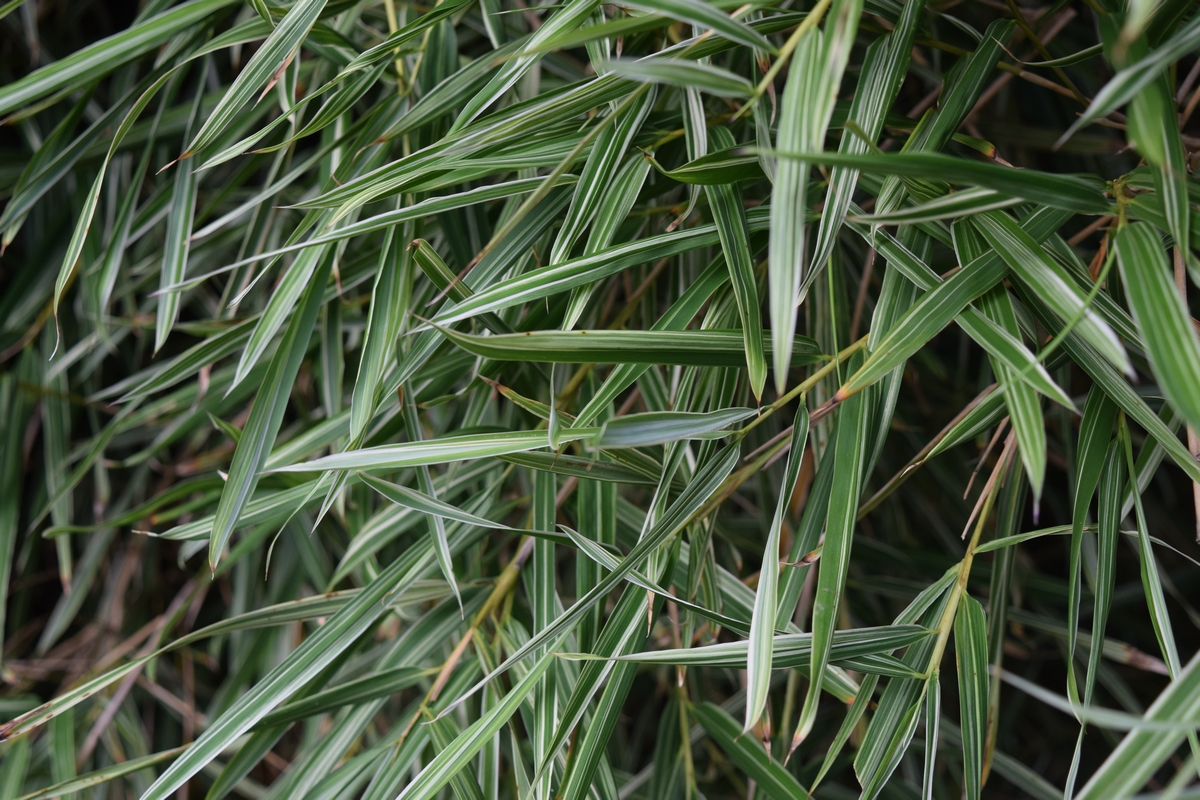
When selecting a hedging bamboo, density of foliage is also an important consideration. You’re planting a hedge for a reason and it is probably not so that you can see through it! In that regard, the Malay Dwarf variety – whether variegated or not – is hard to beat. The foliage is both dense and long-lasting.
Care and maintenance of Malay Dwarf
Contents
Most bamboos are seriously tough and Malay Dwarf is no exception. It will grow in most soils, even heavy clays and loose sands but be aware of moisture requirements. No bamboo likes ‘wet feet’ but nor do they enjoy being ‘hung out to dry’. That means less watering in heavy soils and more on highly porous soils.
I treat my bamboos kindly for the first two years with regular watering and fertilizing but then they are abandoned. Once established, most varieties really are tough and can cope with extended dry periods as well as flooding rains.
Don’t burn or compost those fallen leaves!
Bamboo foliage is very high in silica and, surprise, surprise, bamboos need silica to look their best. Therefore don’t rake up the dropped leaves and burn them or add them to your compost bin. Pile them at the bottom of your bamboo. It will love you for it!
And that brings me to mulch. Lots! And lots more. Mulching is critical if you live in a cold climate. Pile it up to protect those roots in winter! But it is just as important to mulch to prevent your bamboo from drying out in long hot summers. Spell it with me… M-U-L-C-H!
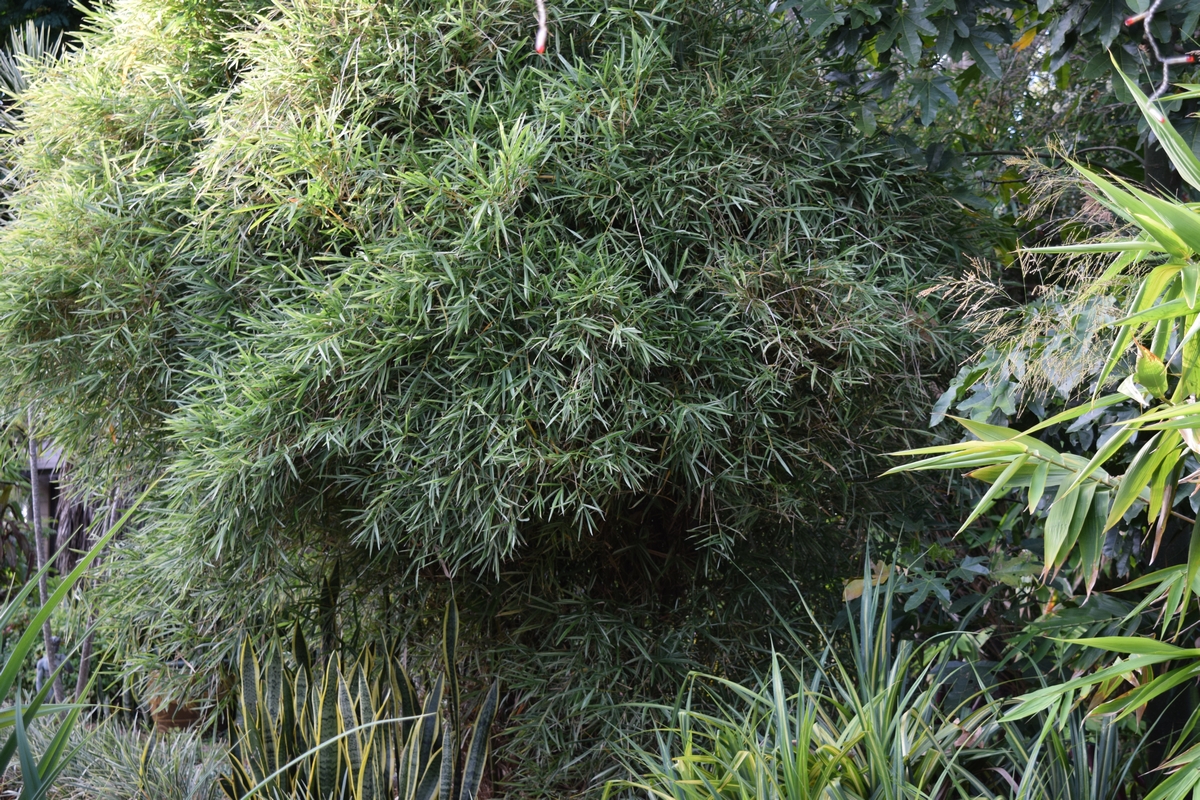
Bambusa heterostachya cv. Variegated (Malay Dwarf)
A beautiful dense ornamental with cream striped leaves. One of the best hedging bamboos due to dense, uniform foliage.
Typical height: 3 to 4m
Typical culm diameter: 2cm
Minimum temperature tolerance: -2°C
Climate: Can tolerant light frost – Grows best in Tropical and Subtropical climates
Light conditions: Full sun to part shade
Growth habit: Tight clumping, very bushy, dense
Growing conditions: Moist, well drained soil. Keep well mulched.
Country of Origin: Malaysia
Will it grow in a pot?
Like all bamboo, quite happily. But it will be a dwarf dwarf, probably never exceeding 2 metres in height. And remember that plants in pots – any plants – need regular fertilizing and frequent watering! Also keep in mind that while unglazed terracotta pots always look great, they take up water from the soil and give it up in evaporation. That probably means daily watering through the warmer months.
Want to know more about the Malay Dwarf variety?
Here’s a video we put together just for you!
Hedging Bamboo Varieties Compared: Malay Dwarf vs ‘Gracilis’ vs ‘Alphonse Karr’ vs Oldhamii
Choosing the right species decides hedge height, footprint, and upkeep. This comparison matches favorites for tight spaces and fast screens. You’ll see which hedging bamboo delivers privacy, color, and reliability.
Malay Dwarf (Bambusa heterostachya ‘Variegata’)
Compact clumper for low fences and poolside beds. It holds at 2–3 m with trimming, forms dense foliage, and shows creamy striping that brightens shade. New shoots are quick, then slow to a manageable pace. This hedging bamboo suits narrow beds, courtyards, and pots. Keep soil moisture steady and feed lightly in spring. Prune older culms at the base to maintain a fresh, leafy wall.
Bambusa textilis ‘Gracilis’
Slender Weavers delivers the classic tall screen with a small footprint. Expect upright canes and fine leaves that move in breezes without taking space. Heights of 6–8 m are common when untrimmed, yet it clips neatly at 3–4 m for suburban fences. Roots are clumping and predictable. Give it full sun or bright open shade and regular water during establishment. It’s the go-to where neighbors sit close.
Bambusa multiplex ‘Alphonse Karr’ vs Bambusa oldhamii
‘Alphonse Karr’ offers golden culms with green striping and a cheerful look. It tops out shorter than Oldhamii and works well for colorful mid-height screens. Oldhamii brings thick culms and strong vertical presence. It reaches 10–15 m in warm sites, and makes a bold windbreak when spaced in a row. Choose ‘Alphonse Karr’ for color and manageable height. Pick Oldhamii for stature and sound buffering.
Hedging Bamboos: Spacing, Planting Density, and Growth Timeline
Great screening starts with correct spacing and a realistic timeline. Plan trench, irrigation, and mulch before planting. Set density for your site so hedging bamboo establishes smoothly and grows evenly.
Spacing And Root Ball Size
Match spacing to mature width and the finish height you’ll maintain. Typical clumpers at 3–4 m hedge height space at 1–1.5 m centers.
Larger varieties need 1.5–2 m. Line roots at the same soil level as the pot. Backfill with friable soil, not heavy clay. Water in thoroughly to settle air pockets. Install drip lines as you plant so irrigation hits evenly from day one.
Planting Density For Instant Privacy
Need cover faster for a deck or boundary window. Double-row zigzag layouts tighten foliage and reduce gaps. Use smaller pot sizes to manage cost, then thin later as canopies meet.
This hedging bamboo strategy smooths the visual plane in year two. Stagger rows by 40–60 cm and offset plants by half the spacing. Keep mulch continuous so moisture and weeds are controlled while roots link.
Growth Timeline And Maintenance Milestones
Year one builds roots. Expect modest top growth while culms thicken. Year two shows the jump as new shoots rise taller and leaf mass closes gaps. By year three, a hedge looks finished at the planned height.
Trim after each flush to keep lines crisp. Feed lightly with a balanced slow-release. This keeps hedging bamboo dense without pushing weak, leggy shoots. Audit irrigation each summer.
Best Hedging Bamboos by Climate Zone: Tropical, Subtropical, Warm-Temperate
Climate shapes growth, resilience, and water needs. Match species to your zone to avoid stress and leaf scorch. The right hedging bamboo keeps color, density, and form through seasonal swings.
Tropical Zones
Heat and humidity drive fast growth and higher water demand. Choose clumping species that hold structure in storms and tolerate high rainfall. ‘Gracilis’ and Oldhamii thrive where nights stay warm.
Malay Dwarf handles courtyards and balconies. Provide airflow to limit fungal issues and rinse dust during dry spells. With steady moisture and mulch, hedging bamboo in the tropics fills space quickly and stays glossy.
Subtropical Zones
Warm summers and mild winters widen your list. ‘Gracilis’ remains a reliable screen that’s easy to shape. ‘Alphonse Karr’ offers seasonal color without runaway height. Oldhamii suits larger blocks with some shelter.
Protect young plants from dry winter winds. Add compost each spring to refresh soil biology after cool months. Irrigate deeply then let surfaces dry a little. You’ll get sturdier culms and fewer pests.
Warm-Temperate Zones
Cooler winters slow shoot cycles and push wind exposure to the forefront. Pick hardy, true clumping selections and site them out of the harshest gusts. ‘Gracilis’ tolerates light frost with protection.
Malay Dwarf suits sheltered courtyards. Use darker mulch to warm soils in spring and extend the shoot window. With careful siting and seasonal pruning, hedging bamboo maintains density without cold damage.
Conclusion
Malay Dwarf Variegated gives you a compact, non-invasive hedge that brightens tight spaces with creamy striping and dense foliage. Keep it clipped to your target height, feed lightly in spring, and maintain steady moisture for consistent leafiness. For patios, side passages, or courtyard pots, this hedging bamboo delivers reliable privacy and color without maintenance headaches.