Last Updated on July 6, 2026 by teamobn
The housing market is moving into 2026 with a real mix of headwinds and openings for home builders. After several years of whiplash, driven by interest-rate swings, tight supply, and changing buyer expectations, the market is settling down. However, housing affordability looks different across different regions with their own price range.
Buyers also aren’t rushing the way they did in the boom years. They’re taking their time and getting picky. Affordability is at the top of the list of home buyers. They follow closely any energy-efficient features or remote-work opportunities. As home builders, you cannot rely on “build it and they’ll come” mentality. The builders who win in 2026 will be the ones who track where demand is actually building, stay realistic with their financing conditions, and deliver homes that buyers want.
Key Takeaways
- The 2026 housing market has calmed down compared to the pandemic years, but it’s far more uneven. Local conditions and neighborhood-level data matter more than broad national narratives.
- Affordability is still the biggest barrier, so builders need to sell the payment, not just the price. Rate buydowns, closing cost help, and clear financing scenarios can keep absorption steady when buyers are on the fence.
- Buyers are leaning toward “right-sized” homes that use space well. Flexible rooms, multigenerational options, and energy-efficient features that lower monthly running costs are moving the needle.
- Competing with resale takes more than a new build label. Builders do better when they offer connected, healthy homes in communities with amenities people use every day, rather than assuming demand will take care of itself.
Overview of the 2026 Housing Market
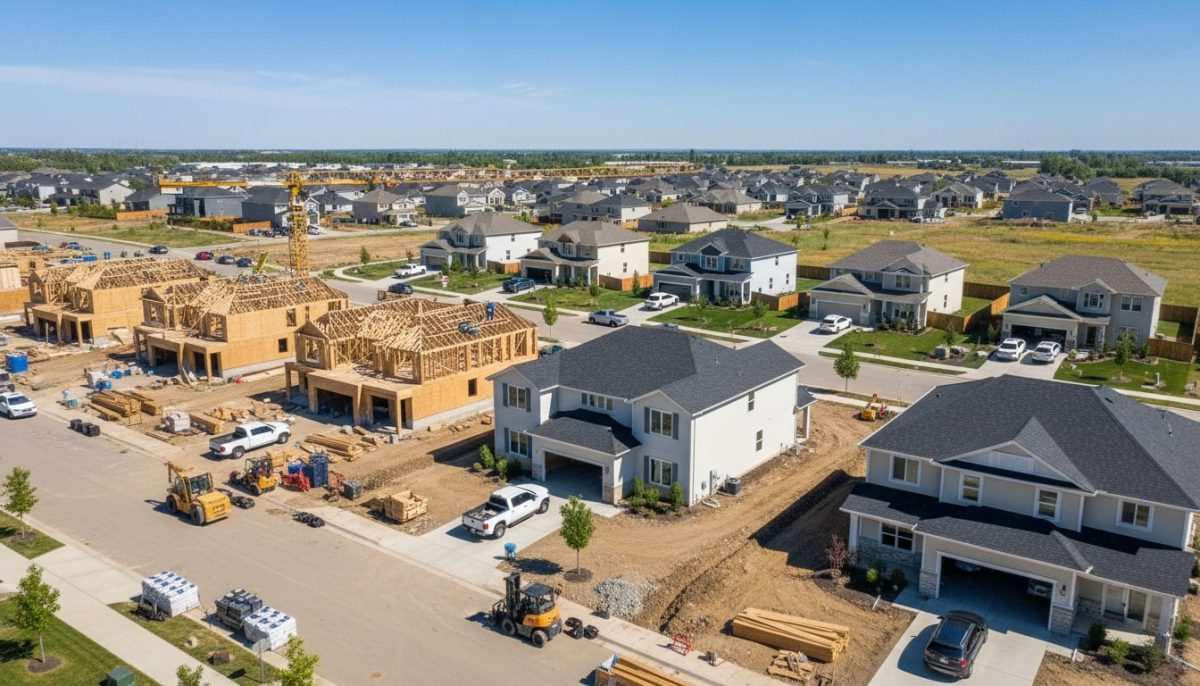
The 2026 housing market is finally starting to feel less chaotic after a stretch of big swings. We went from record-low mortgage rates to sharp rate hikes, then watched supply shortages slowly ease while bidding wars cooled into more normal back-and-forth negotiations. Between 2020 and 2024, many builders were riding a wave of pandemic-era moves, unusually strong demand, and rising build costs that kept squeezing margins. By 2025, things slowed down. Higher mortgage rates and stretched affordability pushed a lot of buyers to pause, which meant longer sales cycles in some places, while other markets stayed surprisingly strong because they’d been underbuilt for years.
Going into 2026, the market is steadier than the peak volatility years, but it’s also more uneven. You can’t treat it like one national story anymore. It’s closer to three different markets happening at the same time:
- Supply-tight submarkets where demand still beats inventory, especially for well-priced entry-level and move-up homes
- Balanced areas where buyers have choices, so pricing discipline and clear differentiation matter a lot more
- Overheated pockets where investor pullback or too much new supply is slowing absorption and making buyers more price-sensitive
Interest Rates, Affordability, and Buyer Demand
The 2026 housing market isn’t being driven by big headlines as much as everyday math. Buyers are looking at the monthly payment, what’s left after bills, and how confident they feel about the next few years. Builders who understand that equation and build their sales process around it are the ones who’ll keep deals moving.
The Interest Rate Reality in the 2026 Housing Market
Mortgage rates in 2026 are still higher than the ultra-low levels that powered the early-2020s rush, but the upside is they’ve been less erratic than the spike years. That steadier range helps some buyers step back in.
Still, the “rate shock” hasn’t fully faded. A lot of people are stuck comparing today’s payment to the 2–3% mortgages they saw friends and family lock in. Even if current rates look normal on a long-term chart, they can feel expensive in a buyer’s gut.
For builders, this shows up in slower decision-making. Buyers run the numbers, re-run them, then ask the lender to run them again. Small rate moves can change the mood overnight. That’s why tight coordination with lenders and clear, proactive financing conversations matter so much during the sales cycle.
Affordability Pressures and Payment Sensitivity
Affordability is the main filter buyers use in 2026. They might love the floor plan and the neighborhood, but the deal usually comes down to one thing: can they afford the home or not?
Higher borrowing costs, elevated initial prices, taxes, insurance, and the general cost of living are making buyers sensitive to the affordability. Even a modest price bump, HOA or tax estimate will make buyers look somewhere else.
This is reshaping what people choose. More shoppers are trading size and luxury finishes for a lower monthly payment, opting for smaller homes, simpler exteriors, or fewer upgrades. At the same time, they’re stubborn about a few essentials. Energy efficiency, innovative layouts, and practical storage land in the “don’t compromise” bucket for a lot of buyers. Builders who design around a target payment, not just a target price, usually sell their homes faster.
Which Buyer Segments Are Driving Demand
Demand in 2026 isn’t evenly spread, so it helps to know who’s actually buying and why.
- First-time buyers are still out there, but many are stretched. Down payments and monthly costs push them toward assistance programs, smaller homes, or family help.
- Move-up buyers tend to be pickier because many are sitting on very low existing mortgage rates. They’ll move, but usually for strong reasons like school districts, space, relocation, or a major life change.
- Downsizers and empty nesters are increasingly important, especially in suburbs or amenity-heavy communities. They often have equity, but they still pay close attention to total cost of ownership and long-term comfort with the payment.
Across all of these groups, there’s a common shift: buyers are more informed and less impulsive. They research online, compare more options, and expect straight answers on pricing, incentives, and what the home will cost to run every month.
How Affordability Shapes Product Mix and Price Points
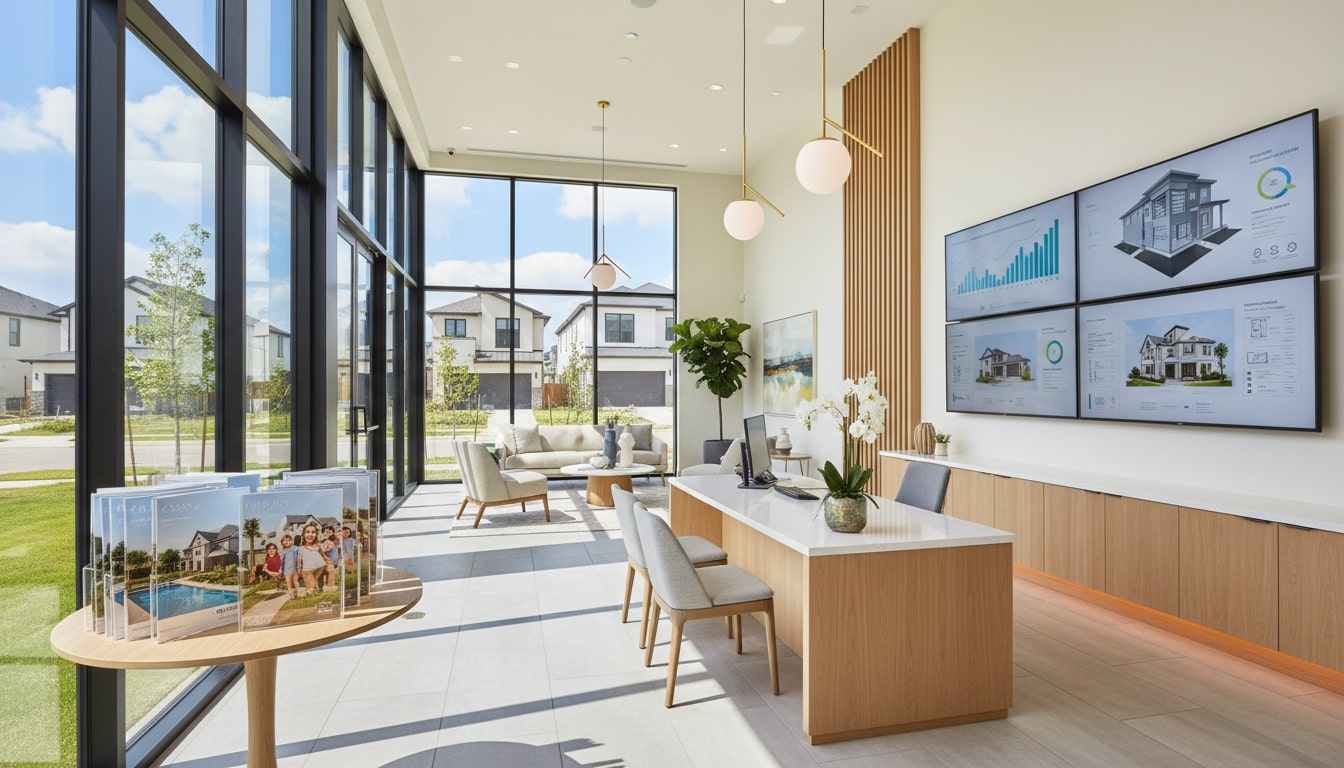
Interest rates and affordability are pushing builders toward products that hit the “i can afford this” moment quickly. Entry-level and attainable move-up homes often see stronger traffic. This is true with smaller single-family homes, townhomes, and paired homes that keep payments within reach. Communities that offer multiple price points can also adapt better as demand shifts.
Incentives have also changed. They aren’t just a last-minute tool to save a slow community. In 2026, they’re part of the plan. Rate buydowns, closing cost help, and a few carefully chosen upgrade bundles can move payment-sensitive buyers without forcing a huge base-price cut. The key is using incentives with intent so margins don’t get quietly crushed.
Builders who keep testing pricing, standards, and product positioning based on real buyer feedback tend to maintain steadier absorption, even when affordability stays tight.
Evolving Buyer Preferences in 2026
In the 2026 housing market, a lot of buyers don’t want “bigger” just to say they have it. They’re happier with less square footage if the space works harder and wastes less. For builders, that shift matters because homes move faster when the layout, features, and community match how people actually live now.
Functional Floor Plans and Flexible Living Spaces
Buyers in 2026 see their home as a multi-purpose base, not just a place to sleep. Work, school, workouts, hobbies, hosting, and quiet time all have to fit under one roof. A dedicated office is still in demand, but more buyers want a flex room that can change roles as life changes, like nursery now, study later, then a hobby or guest room.
Open layouts haven’t disappeared, but they’re getting “edited.” People like the light and flow, but they also want ways to control noise and clutter. That’s where details like pocket doors, small nooks, or a messy kitchen pantry space start to sell the plan.
Multigenerational living is also showing up more often. Some families want a second suite for aging parents. Others want a finished basement or separate entrance setup for an adult child who’s back home. Homes that make this feel normal and comfortable, not like an afterthought, tend to stand out.
Energy Efficiency and Sustainable Building Standards
Energy efficiency isn’t just a feel-good add-on anymore. Many buyers look at it as a monthly budget issue. If utility bills keep climbing, the home’s insulation, windows, and HVAC system start to matter as much as the kitchen countertop.
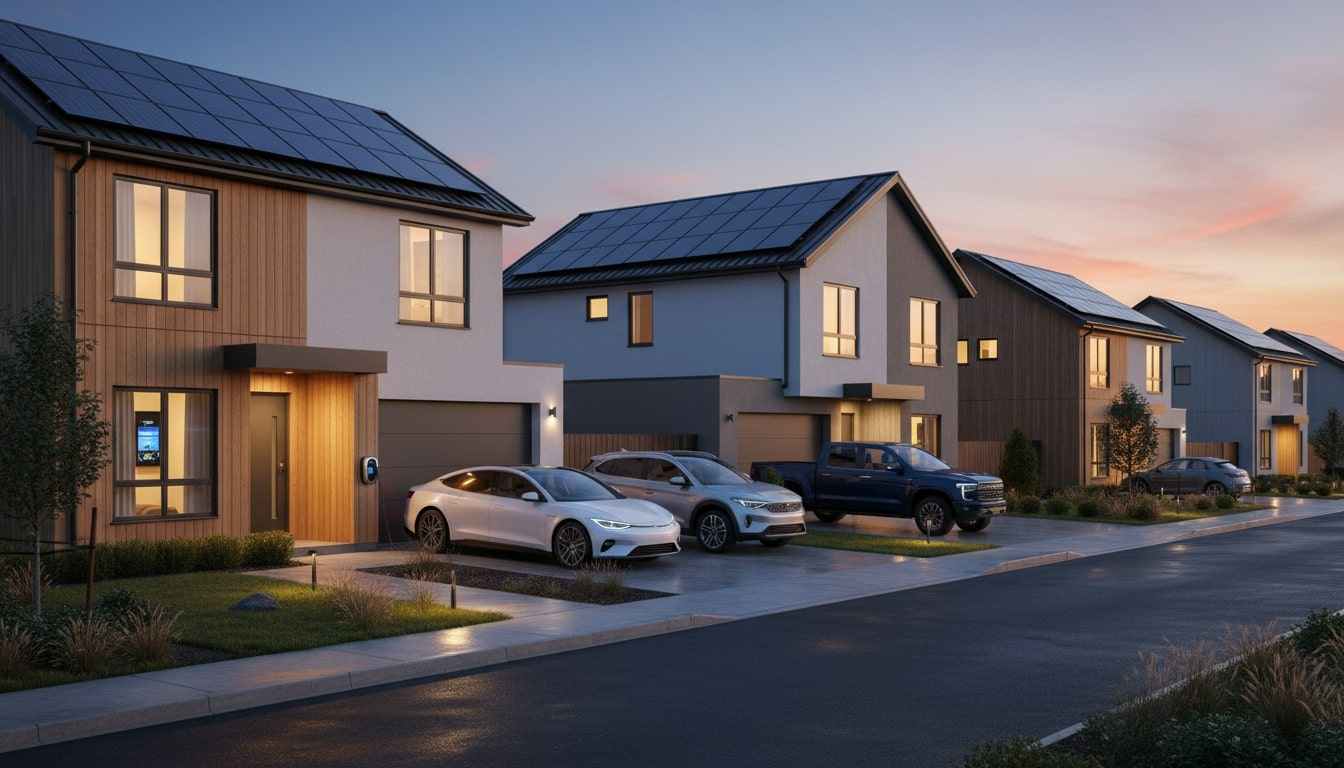
You’ll also see more buyers asking about HERS scores, insulation levels, and long-term operating costs, especially when they’re already stressed about the mortgage payment. Solar-ready wiring, EV charging in the garage, and high-efficiency HVAC are becoming expected, not special upgrades.
Builders can use this to their advantage by talking about total cost of ownership. Buyers who hesitate at a higher price often respond better when the pitch is tied to predictable monthly savings and comfort, not vague “green” messaging.
Smart Home Integration and Connectivity
Tech in 2026 is expected to feel built-in, not bolted on. Buyers want strong Wi-Fi coverage, smart thermostats, and security features that work together without juggling five apps. A solid mesh Wi-Fi setup and clean wiring plan can be more convincing than a list of random gadgets.
There’s also more interest in “healthy home” features. People pay attention to air quality now, so better filtration and ventilation can be a selling point. Touchless fixtures and water monitoring are also creeping into the expectation list among home buyers.
For builders, the easiest win is packaging. Make the basics standard, then offer a few clear upgrade tiers that buyers can understand quickly without getting lost in options.

Location Drivers and Community Amenities
Even with all the focus on the home, location still drives demand. Buyers like being near places that make everyday life easier, like walkable dining, parks, and stores. Those preferences show even among suburban areas, not just city neighborhoods.
Hybrid work has settled into something more predictable, so access to highways or transit still matters, but buyers won’t trade safety and quiet just to shave off a few minutes of commute time.
Community amenities can also move the needle. Trails, small parks, gardens, and reliable high-speed internet across the neighborhood are the kinds of things that help buyers picture daily life there. Builders who get those details right often see steadier traffic and faster absorption, especially when resale homes nearby can’t offer the same experience.
Conclusion
The 2026 housing market rewards builders who stay sharp and adjust quickly. Affordability is still the big pressure point, and rates, even if they’re steadier, keep buyers focused on the monthly payment. That said, the buyer pool hasn’t disappeared. It’s just more careful and more demanding.
Builders who lean into energy efficiency, flexible layouts, and pricing that reflects real-time market feedback are still finding serious, motivated buyers. The sales pitch also has to evolve. It’s not enough to talk about finishes and curb appeal. Buyers want a clear picture of the total cost of owning the home, including utilities, maintenance, and what incentives do to the payment. When product design and messaging line up with those priorities, absorption tends to hold up well even in choppier pockets.
FAQ: Housing Market 2026
- What is the biggest challenge for home builders in the 2026 housing market?
- The hardest part is keeping homes affordable while construction costs stay high. Demand is there, but buyers are extremely payment-sensitive at today’s mortgage rates. Builders who value-engineer smartly and use incentives like rate buydowns or closing cost help in a disciplined way can keep homes moving without giving away their margins.
- Which home features are most likely to increase a property’s resale value in 2026?
- Energy efficiency and “healthy home” upgrades are doing a lot of the heavy lifting. High-quality insulation, efficient HVAC, solar readiness, EV charging capability, and better air filtration all tie directly to lower bills and comfort, which buyers notice. Flexible spaces also help, especially rooms that can serve as an office, guest room, or multigenerational setup without major remodeling.
- How do interest rates in 2026 compare to previous years for new construction?
- Rates in 2026 feel closer to a new baseline. They’re higher than the unusually low levels in 2020, but typically less chaotic than the peak volatility many buyers saw around 2023. That stability makes planning easier for both builders and buyers, but financing is still a major hurdle, so clear options and transparent payment scenarios matter.
- Are buyers still looking for large suburban homes in the 2026 housing market?
- Suburbs are still popular, but the preference has shifted toward “right-sized” homes. Buyers want space that’s usable, not extra rooms that just add cost. Efficient floor plans, good storage, and community features often outperform oversized designs, especially when the payment difference is meaningful.
- How can builders differentiate their new builds from existing home inventory?
- New construction wins when builders make the low-hassle value obvious. Updated codes, warranties, modern systems, and smart-home readiness matter, but the real hook is often cost certainty. A new home usually doesn’t come with immediate repair bills, surprise renovations, or aging mechanical systems. When you frame it as “move in and don’t fix anything for years,” it can be a strong advantage against older resale homes.