Last Updated on March 10, 2026 by teamobn
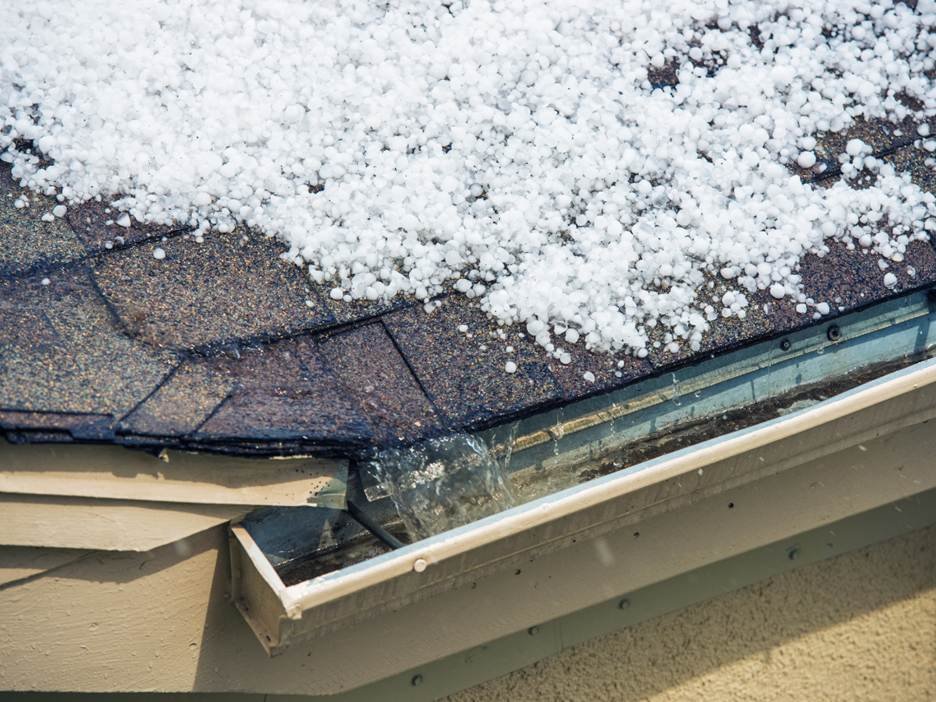
Early detection of roof issues is a critical part of maintaining structural safety and energy efficiency in regions with harsh winters. Cold climates introduce specific stresses such as freeze-thaw cycles, ice dams, heavy snowfall, rapid temperature shifts, and prolonged moisture exposure. These conditions accelerate wear on roofing materials, reduce system performance, and increase the likelihood of costly repairs. This guide outlines the key warning signs and explains how homeowners, builders, and property managers can assess potential failures before they escalate.
Understanding How Cold Weather Impacts Roofing Systems
One of the first steps in evaluating roof health is understanding how winter climates affect different roofing assemblies. This includes the mechanical, thermal, and moisture-related stresses that roof components experience. When inspecting these conditions, homeowners may benefit from contacting a professional roofing company specializing in roof installation for new build homes to ensure assessments are accurate.
Freeze-thaw cycles
Water that penetrates shingles or underlayment expands when frozen. Repeated cycles of freezing and thawing cause cracks in shingles, nails to loosen, and sealants to fail. Roof systems in northern states such as Minnesota, Michigan, and New York, as well as Canadian provinces like Ontario and Quebec, experience dozens of freeze-thaw cycles each winter.
Rapid temperature changes
Thermal shock occurs when roofs heat up in daytime sunlight and then cool rapidly at night. Asphalt shingles expand and contract constantly, weakening their structural bond and accelerating granule loss. Metal roofing systems can shift or produce fastener stress if not properly designed for thermal movement.
Prolonged snow loads
Heavy and repeated snow accumulation adds downward force on the roof deck, trusses, and supporting structure. Wet snow weighs more than dry snow, and packed accumulation places prolonged stress on older roofs. Engineers generally consider 20 to 40 pounds per square foot as common snow loads in colder regions, but localized storms can exceed these values.
Ice dams
Ice dams occur when heat from inside the home melts snow on the roof. Meltwater flows to the colder roof edges where it refreezes, forming a ridge of ice. This ridge traps more meltwater, forcing it under shingles and into the roof deck. The result is hidden moisture damage that may not show up immediately but can compromise roof integrity over time.
Early Warning Signs of Roof Failure
Early detection involves identifying visible and measurable changes in roofing materials and structural performance. The following indicators help pinpoint developing issues.
1. Granule loss
Asphalt shingles rely on granules for UV protection and water shedding. When granules accumulate in gutters or at the base of downspouts, it often signals accelerated wear. Cold climates intensify granule shedding due to ice scraping, snow removal tools, and thermal expansion.
2. Curling, cracking, or cupping shingles
Shingles that curl or lift indicate moisture infiltration, aging adhesives, or structural movement caused by temperature fluctuations. Cracks or splits often appear after severe freezes or from improper attic ventilation.
3. Visible sagging
Roof sagging can result from moisture-compromised decking, excessive snow loads, or weakening structural supports. Any sagging, even subtle, requires immediate evaluation because it suggests load-bearing failure or extensive water damage.
4. Water stains or dampness in the attic
Moisture intrusion is one of the earliest internal signs of roof system failure. Check for stains on rafters, mold on insulation, and damp or cold air pockets. Ice dams and flashing failures often cause staining that appears several feet away from the actual leak.
5. Loose, lifted, or missing shingles
High winds combined with brittle winter shingles lead to shingle displacement. Once gaps appear, moisture quickly infiltrates the underlayment, accelerating decay.
6. Damaged flashing or sealant
Flashing around chimneys, skylights, and valleys is a critical waterproofing component. Ice buildup often warps metal flashing, while freeze-thaw cycles degrade sealants, creating pathways for leaks.
Practical Inspection Methods for Homeowners and Property Managers
A structured inspection approach helps ensure that signs of deterioration are not overlooked. The following steps create a reliable evaluation process for cold climate properties in both the United States and Canada.
Exterior assessment
- Walk the property perimeter and visually inspect the roof from ground level.
- Look for uneven surfaces, missing shingles, or areas with heavy snow buildup.
- Use binoculars to inspect flashing details and ridge caps without climbing onto icy surfaces.
On roof examination (when conditions are safe)
- Check for brittle shingles, soft spots in decking, and areas where ice has pooled.
- Inspect flashing for rust, lifting edges, or separation from adjoining components.
- Confirm that ridge vents and exhaust vents are not clogged by frost or snow.
Attic inspection
- Inspect sheathing for dark spots, frost buildup, or visible mold.
- Check insulation conditions. Poor insulation contributes to ice dams and uneven melting.
- Test ventilation airflow. Healthy roofs require consistent air circulation to avoid moisture buildup.
Moisture measurement
Moisture meters provide quantitative readings that identify hidden water infiltration. This is important in regions where melting snow or wind driven rain enters through small gaps and spreads through the roof assembly.
Preventive Measures to Reduce Roof Failure
Mitigating roof failure requires a combination of installation quality, material selection, and seasonal maintenance. The following recommendations apply to regions with harsh winters.
Improve attic ventilation
Balanced intake and exhaust airflow prevents ice dam formation, reduces condensation, and stabilizes roof surface temperatures. Ridge vents combined with soffit vents offer consistent airflow across most roofing designs.
Increase insulation coverage
Insulation prevents warm interior air from reaching the roof surface. This reduces melting that contributes to ice dams. The U.S. Department of Energy recommends R49 to R60 insulation levels in colder regions.
Use cold-weather-appropriate materials
Metal roofing, architectural shingles, and synthetic underlayments offer enhanced performance in extreme winter conditions. Some materials include built in ice shields or enhanced wind resistance ratings.
Install ice and water shield membranes
These membranes provide a waterproof barrier beneath shingles in vulnerable areas such as eaves, valleys, and around penetrations. They significantly reduce the risk of leaks from ice dams.
Schedule regular winter assessments
Annual inspections before and after winter help catch emerging problems early. Professional roofers can identify structural issues that may not be visible to homeowners.
When to Seek Professional Help
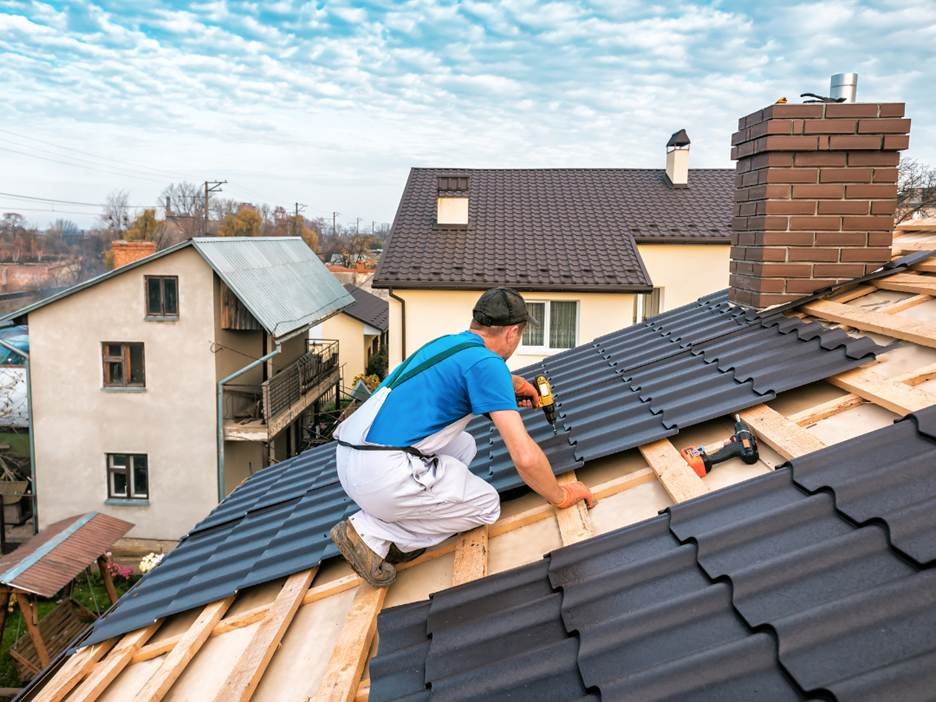
While many inspections can be performed safely from the ground or attic, any sign of structural movement, large ice dams, or significant shingle displacement warrants immediate professional evaluation. Timely intervention prevents secondary damage such as mold growth, deck rot, and compromised insulation. longer.