Last Updated on August 5, 2026 by teamobn
Buying an established home can be a smart move. You may get a better location, more space, mature landscaping, and a property with real character. But older homes can also come with hidden problems that are not obvious during an inspection at first glance.
Fresh paint, tidy rooms, and a well-styled interior can make a home look move-in ready, but that does not always tell the full story. Some of the most expensive issues are tucked away in the roof, behind walls, under floors, or beneath the surface of the property.
That is why a professional home inspection is such an important step when buying an established home. It helps you understand the true condition of the property, prepare for future costs, and avoid unpleasant surprises after settlement.
Here are five major issues a home inspection is likely to reveal, and why they matter.
1. Roof Damage and Drainage Problems
The roof is one of the most important parts of any home, yet it is often one of the hardest areas for buyers to assess on their own.
In an established home, the roof may have years of wear and tear that is not immediately visible from the ground. A home inspector may uncover broken or missing tiles, damaged shingles, rusted flashing, sagging areas, blocked gutters, or signs of previous leaks.
Even minor roofing issues can lead to bigger problems over time. Water entering through a damaged roof can affect insulation, ceilings, walls, and timber framing. Left untreated, that can lead to mould, rot, and costly repairs.
For buyers, the key issue is not just whether the roof leaks today, but whether it may need significant repair or replacement in the near future. A home inspection can help you understand the condition of the roof and whether the property price still makes sense once those repair costs are taken into account.
2. Outdated or Unsafe Electrical Systems
Electrical issues are common in older homes, especially in properties that have not been fully updated or have had renovation work done over the years.
A home inspection may reveal old wiring, worn switchboards, overloaded circuits, damaged outlets, exposed wiring, or electrical systems that no longer meet modern safety expectations. In some homes, new light fittings or appliances have been added to an older system that was never designed to handle current power demands.
This is one area where appearance can be misleading. A home may have modern finishes and still have outdated electrical work sitting behind the walls.
Electrical problems are not just inconvenient. They can also be a serious safety risk. Depending on what the inspector finds, you may need a licensed electrician to carry out further assessment or repairs.
For a buyer, that matters because electrical upgrades can quickly add to the cost of ownership. Knowing about these issues early gives you the chance to budget properly or negotiate before you commit.
3. Plumbing Leaks, Damp, and Water Damage
Water-related issues are among the most common problems found in established homes, and they are often more serious than they first appear.
A home inspection may identify leaking pipes, poor drainage, corroded plumbing, low water pressure, bathroom waterproofing failures, or signs of moisture damage in walls, ceilings, and under sinks. Inspectors may also find mould, mildew, or water stains that point to ongoing or previous leaks.
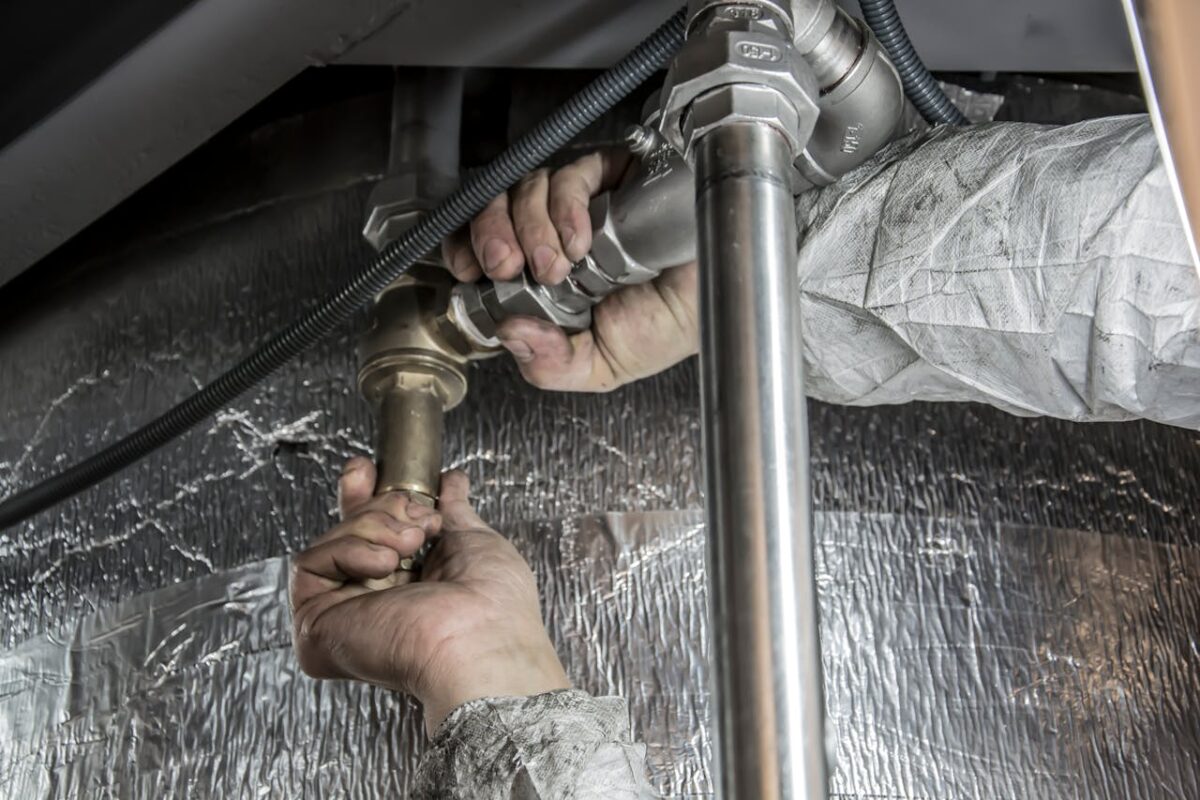
The challenge with water damage is that it tends to spread quietly. A slow leak behind a wall or under a floor can go unnoticed for a long time while gradually damaging timber, plaster, cabinetry, and flooring.
In established homes, there is also the risk that a past issue has been patched cosmetically without the real cause being fixed. A stain may have been painted over, or a leak may have been temporarily sealed, only to return later.
For buyers, plumbing and moisture issues deserve close attention. Some fixes are simple, but others can involve major repair work and ongoing maintenance. A good inspection report will help you understand whether the problem is minor or whether it points to something larger.
It’s essential to ensure that inspectors carry out a genuinely comprehensive assessment. That way, if problems are found, it will allow you to plan your budget effectively for a water damage restoration project following the inspection. When purchasing a property, it’s advisable to allocate funds for an independent inspection instead of depending entirely on the seller’s inspection report.
4. Foundation Cracks and Structural Movement
Structural concerns are often the most worrying findings in a home inspection, and with good reason. Problems with the foundation or building movement can affect the home’s safety, stability, and long-term value.
Common warning signs include cracks in walls or ceilings, uneven floors, sticking doors and windows, gaps around frames, or visible movement in external walls. These issues do not always mean the home is unsafe, but they do need careful assessment.
Established homes naturally settle over time, and not every crack is a sign of a major structural problem. Still, some movement can point to foundation issues, drainage problems, soil movement, or previous repairs that were not properly addressed.
This is where a home inspection becomes especially valuable. An experienced inspector can identify signs that need a closer look and may recommend a structural engineer if necessary.
For buyers, foundation problems can be expensive and stressful to deal with. They may also affect future renovations, resale value, and insurance. The earlier you understand what is going on, the more confidently you can make your decision.
5. Ageing Heating and Cooling Systems
Comfort matters, especially once you are living in the home every day. Heating and cooling systems often receive less attention than kitchens or bathrooms during a property search, but they can be a significant expense if they are old or failing.
A home inspection may uncover ageing HVAC equipment, dirty filters, poor airflow, worn components, lack of maintenance, or systems that are no longer operating efficiently. In some established homes, the unit may still function, but only just.
That can mean higher energy bills, uneven temperatures throughout the home, and the risk of replacement sooner than expected.
For buyers, this is worth considering as part of the overall cost of the property. A home with a low-maintenance exterior and a beautiful interior may still need a new heating or cooling system soon after purchase. Knowing that upfront helps you plan more realistically.
Why a Home Inspection Matters When Buying an Established Home
No home is perfect, especially not one that has been standing for decades. A home inspection is not about finding reasons to walk away from every property. It is about understanding what you are buying and making sure there are no costly surprises hiding beneath the surface.
For buyers of established homes, an inspection can help you:
- identify safety concerns
- uncover hidden maintenance issues
- estimate future repair costs
- negotiate with confidence
- decide whether the home is still the right fit for your budget
In many cases, the report will include a mix of minor issues and a few bigger items that need attention. That is normal. What matters most is knowing which problems are cosmetic and which ones could seriously affect your finances or peace of mind.
What to Do After the Inspection Report
Once you receive the inspection report, take the time to read it carefully. Do not focus only on the length of the report. Even well-maintained homes can generate long reports because inspectors document everything thoroughly.
Instead, focus on the seriousness of each issue.
Ask yourself:
- Is this a simple maintenance job or a major repair?
- Does this affect safety, structure, or water damage?
- Will I need specialist quotes before moving forward?
- Can I afford the likely repair costs on top of the purchase price?
This is also where the report can become a useful negotiation tool. Depending on the findings, you may be able to request repairs, negotiate a lower purchase price, or ask for further inspections by specialists.
Final Thoughts
Buying an established home can be incredibly rewarding, but it pays to go in fully informed. A professional home inspection gives you a clearer picture of the property’s condition and helps you make a smarter, more confident decision.
Roof damage, electrical issues, plumbing leaks, structural movement, and ageing heating or cooling systems are some of the most common problems that inspections uncover. Some may be minor. Others may require more serious attention. Either way, knowing about them before you buy puts you in a much better position.
The goal is not to find a flawless property. It is to understand the home you are buying, the work it may need, and whether it is still the right choice for you.
f which can significantly eat into your home-buying budget.
If selling a home with a faulty HVAC system, it’s important to disclose this information and offer your buyer a discount commensurate with the cost of repairing or replacing the unit. As a buyer, you need to ask for the inspection report to ensure you’re not paying for a faulty system at the price of a new one.
Heating, ventilation, and air conditioning (HVAC) systems play a vital role in maintaining indoor comfort. Inspectors evaluate the system’s age, condition, and performance. Common findings include dirty filters, inefficient operation, or outdated units nearing the end of their lifespan. A poorly functioning HVAC system can significantly impact energy efficiency and repair costs.