Last Updated on December 2, 2025 by teamobn
A rustic cabin is a small, simple home built with natural materials like wood, stone, or logs. These cabins prioritize comfort, warmth, and a strong connection to nature over modern, elaborate finishes. They offer an escape from the fast pace of modern life, inviting inhabitants to unwind and embrace simpler pleasures.
Key Takeaways About Cozy Rustic Cabins
- Rustic cabins are typically constructed using natural materials such as logs, timber, and stone.
- Common styles include classic log cabins, A-frame cabins, timber frame cabins, cottage-style cabins, and modern rustic cabins.
- They can serve as weekend getaways, vacation rentals, or even full-time residences if properly insulated and equipped.
- The cost of a rustic cabin varies significantly based on size, location, and materials, but simpler designs can be more affordable than larger, conventional homes.
- Effective planning for heating, insulation, and ongoing maintenance is crucial for year-round comfort and longevity.
This guide is for anyone planning, buying, or dreaming about a rustic cabin, whether as a weekend getaway, vacation rental, or full‑time home.
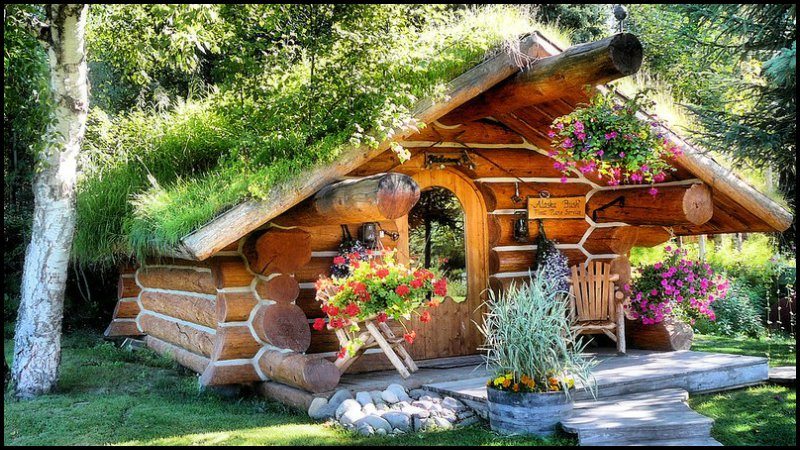
Cabin. Getaway. Shack. Bach. Whatever you may call them, who hasn’t dreamed of escaping the rat race, either temporarily or permanently?
Rustic cabins can be any size, depending on your perspective. They can be built from locally sourced materials like earth, timber, stone, or sod. The materials and design are as diverse as the dreams that drive the builders. Whether it is a small hut with a vegetable garden or the retirement cabin you have always talked about, big enough for you and occasional visiting grandchildren, there is sure to be a cabin here to daydream about.
In the snow, a cabin becomes a cozy refuge from the elements, its walls offering shelter from the biting cold as the fireplace crackles merrily. By a lake, a cabin becomes a gateway to adventure, inviting exploration and relaxation.
At the beach, a cabin becomes a sanctuary of serenity, its walls echoing the soothing rhythm of the waves. And in the forest, a cabin becomes a haven of harmony, its surroundings alive with the symphony of nature.
Click on any image to start lightbox display. Use your Esc key to close the lightbox. You can also view the images as a slideshow if you prefer 😎
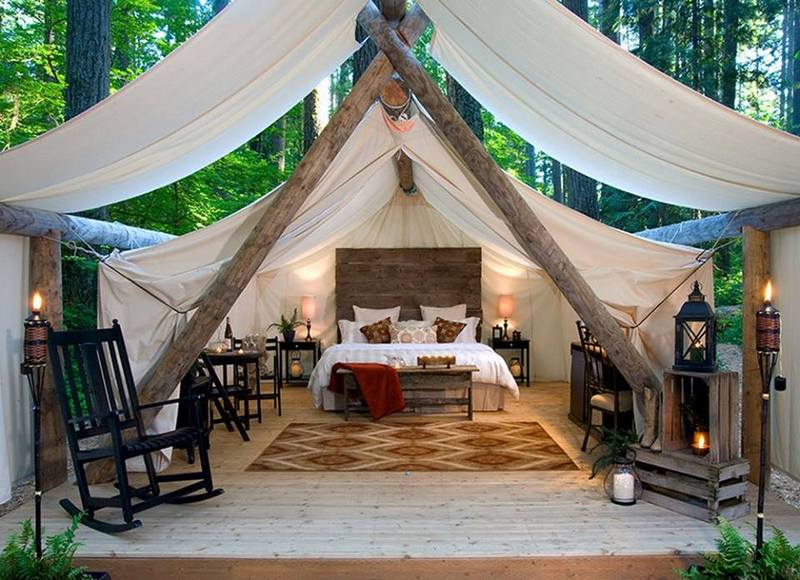
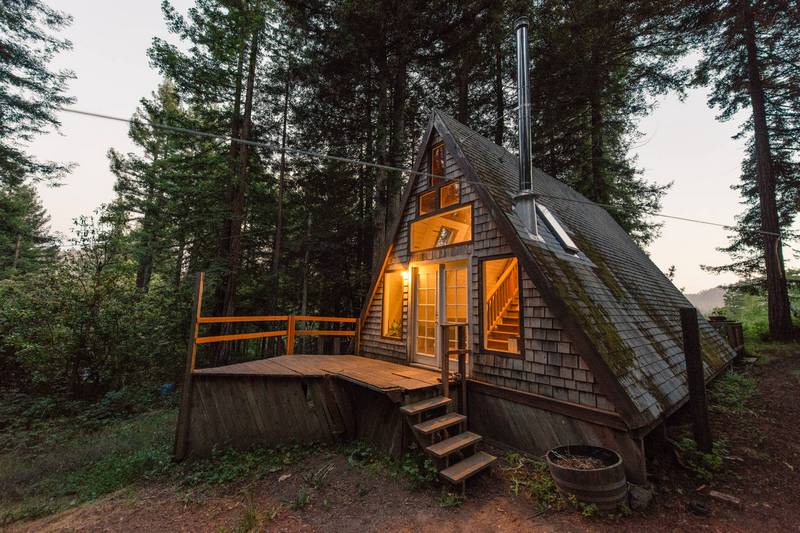
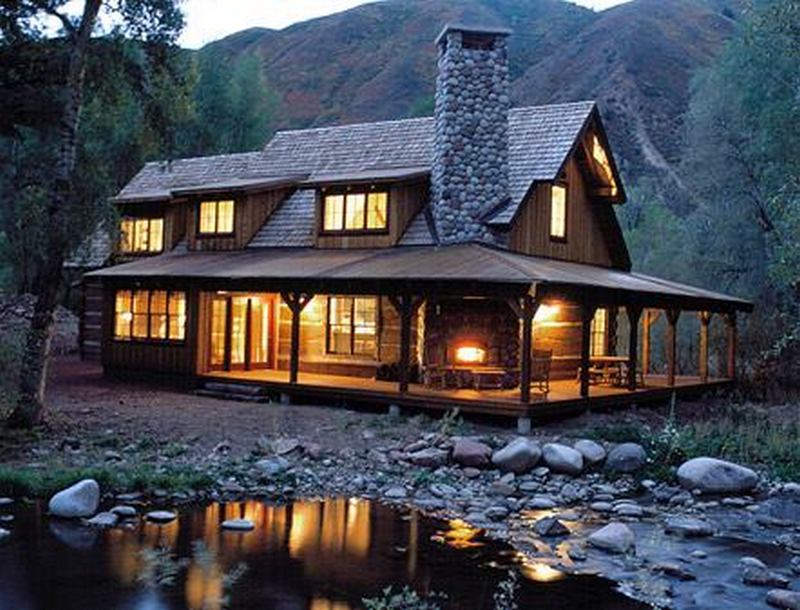
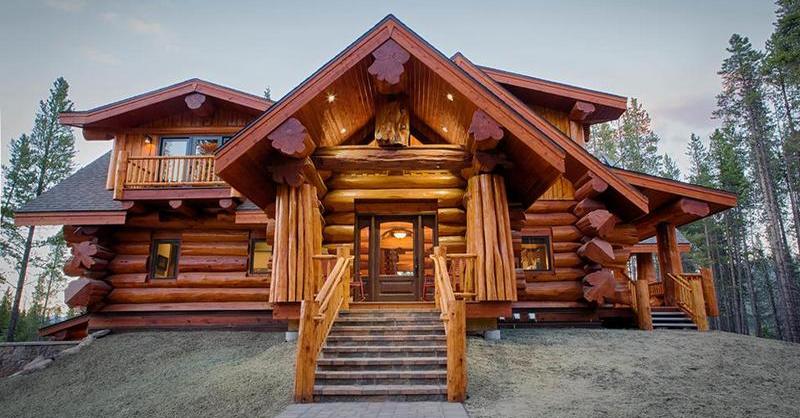
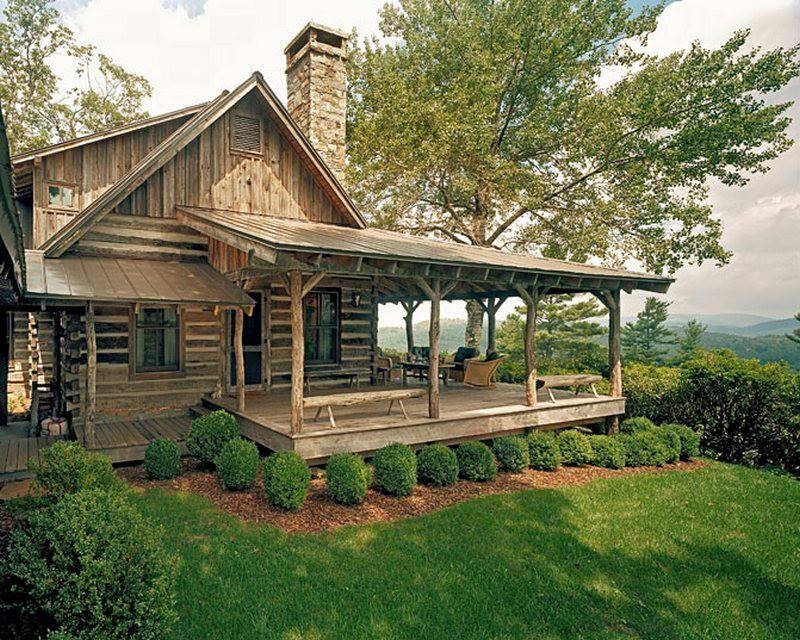

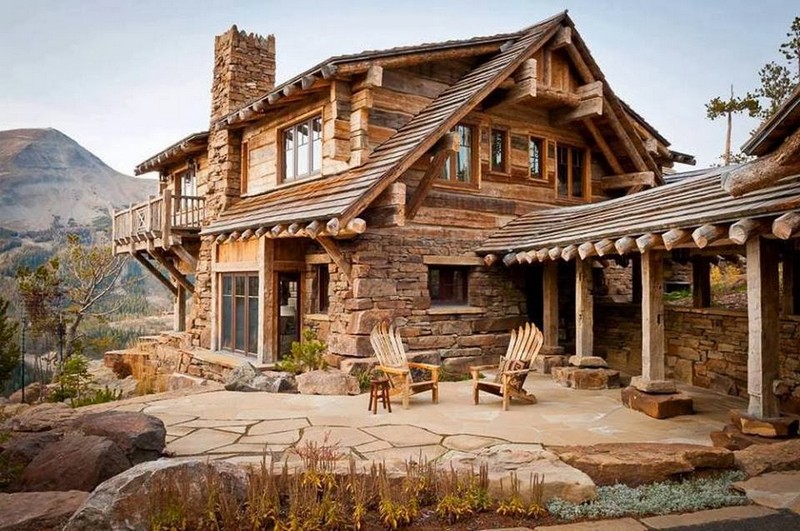
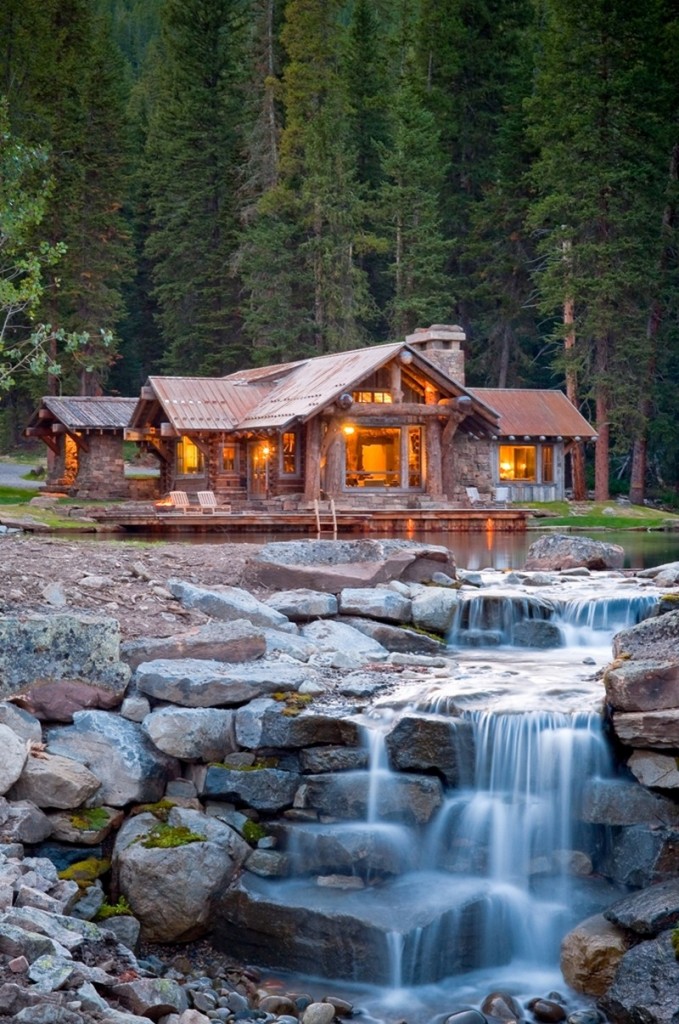

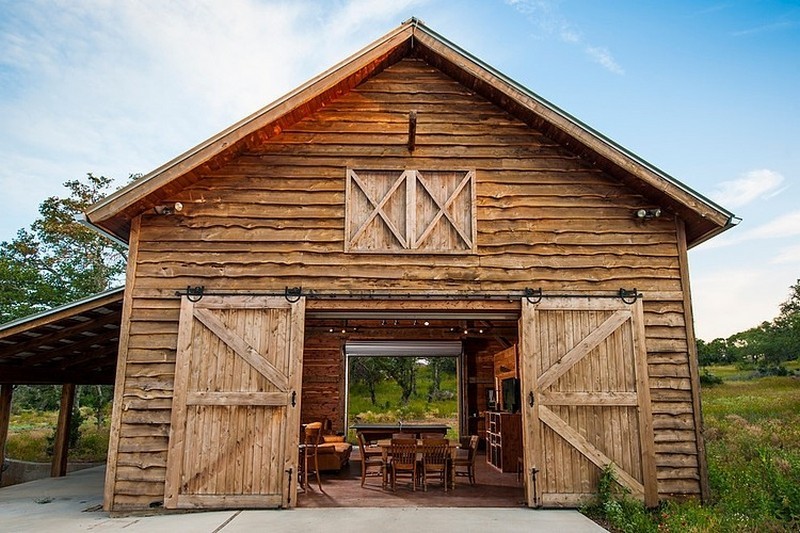
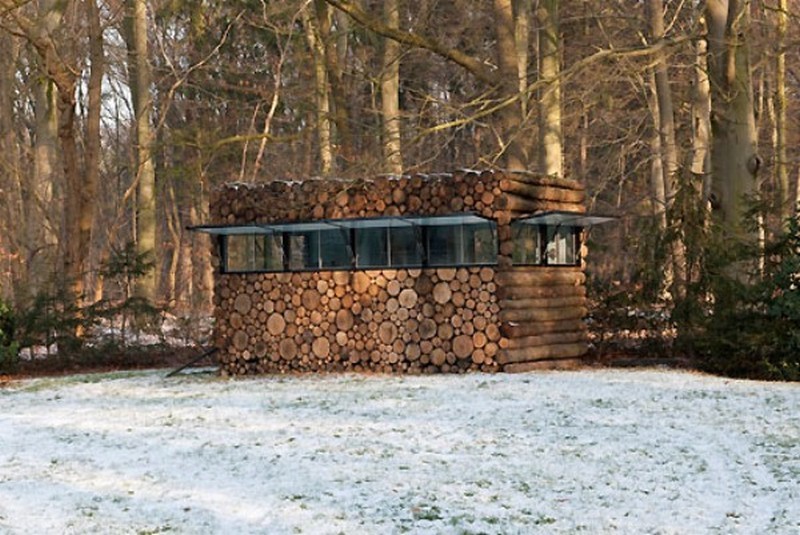
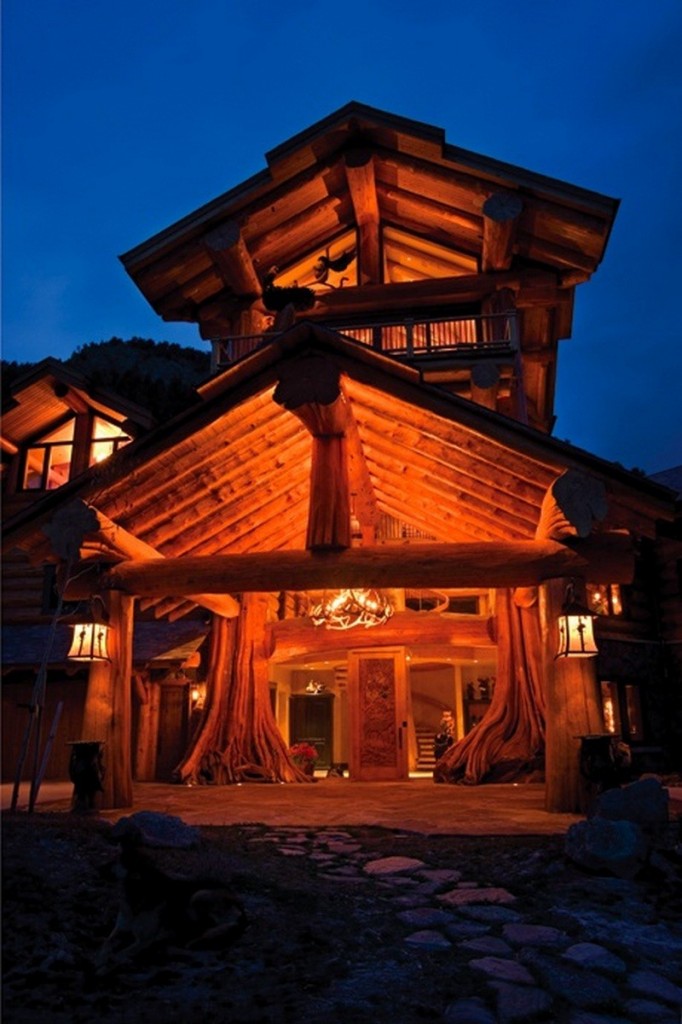
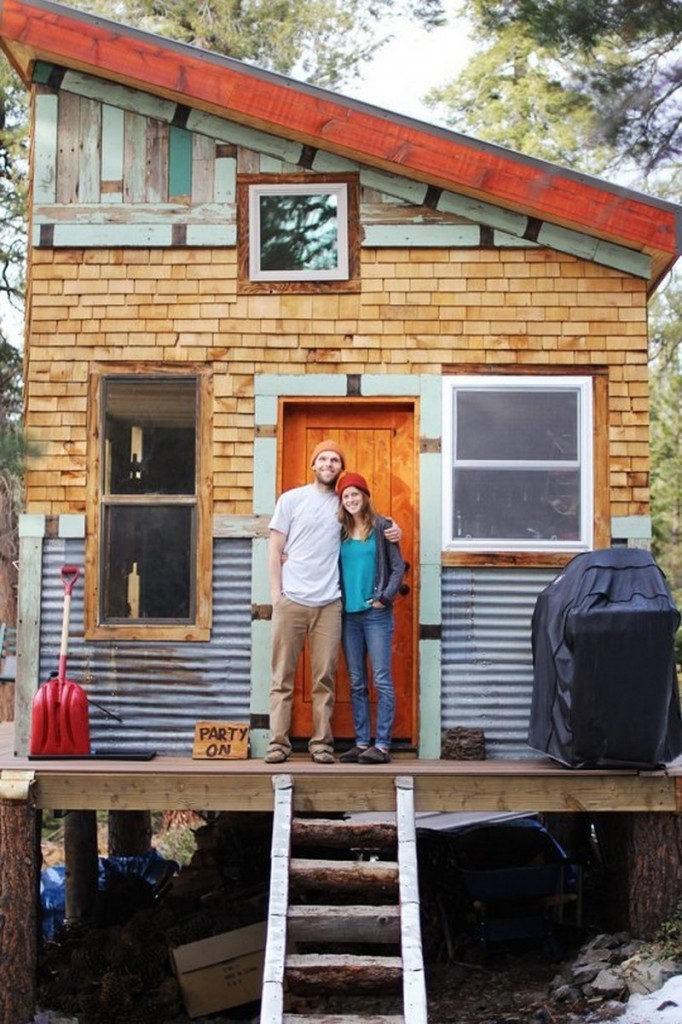
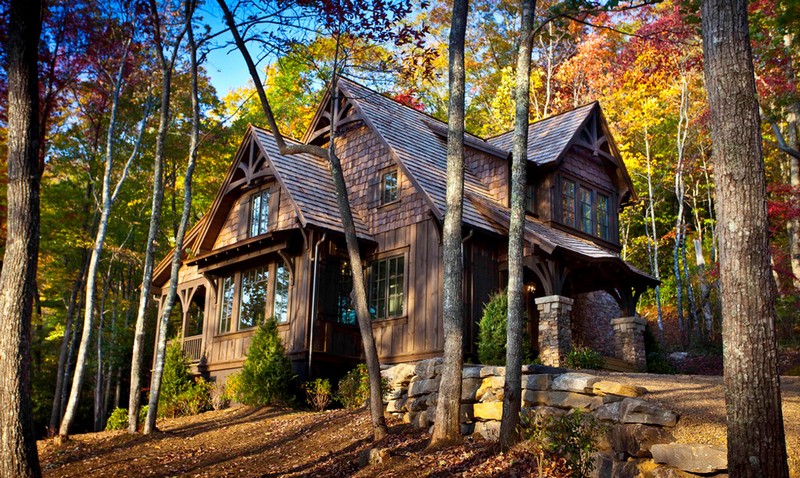
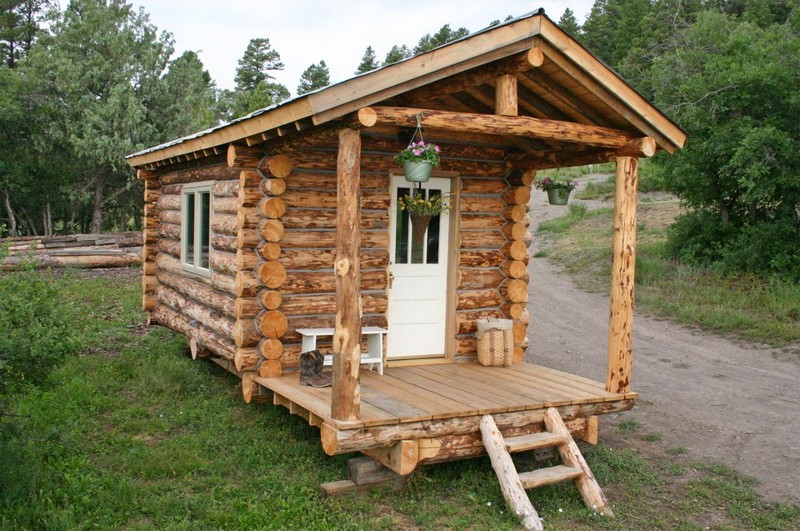
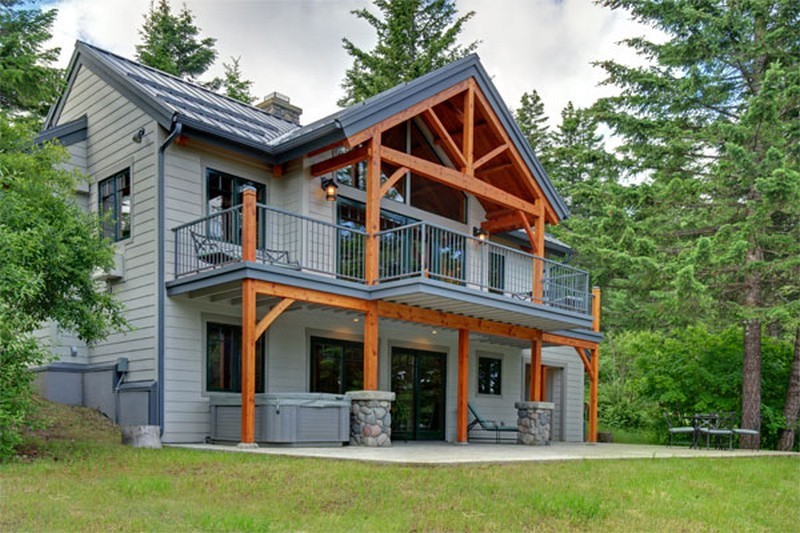
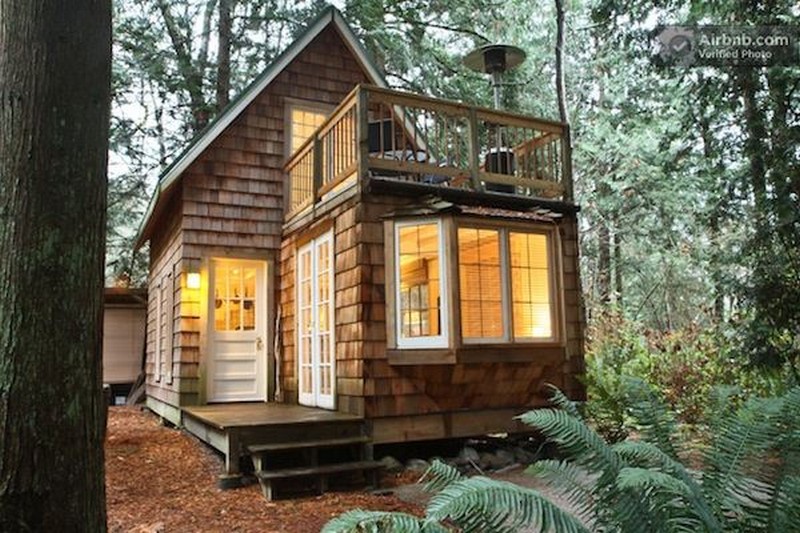
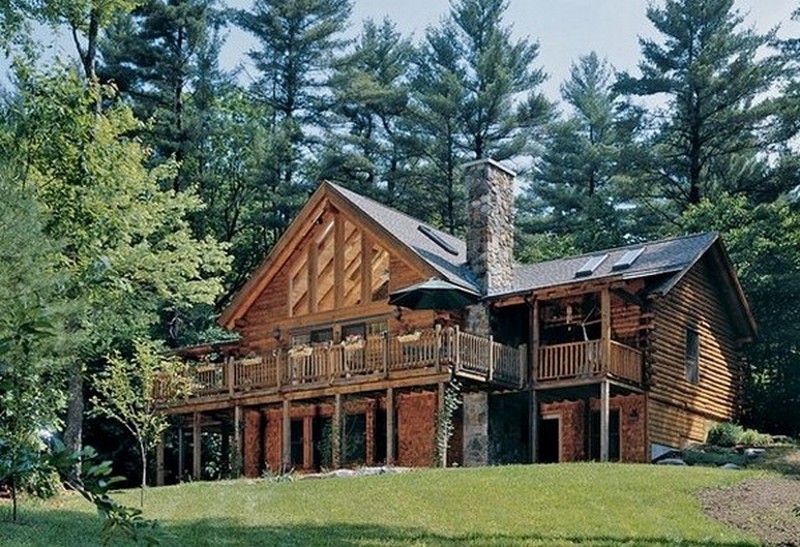
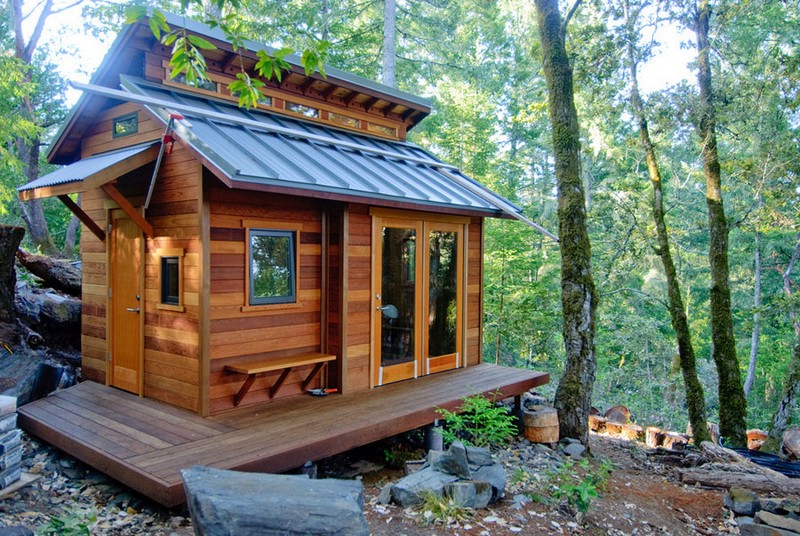
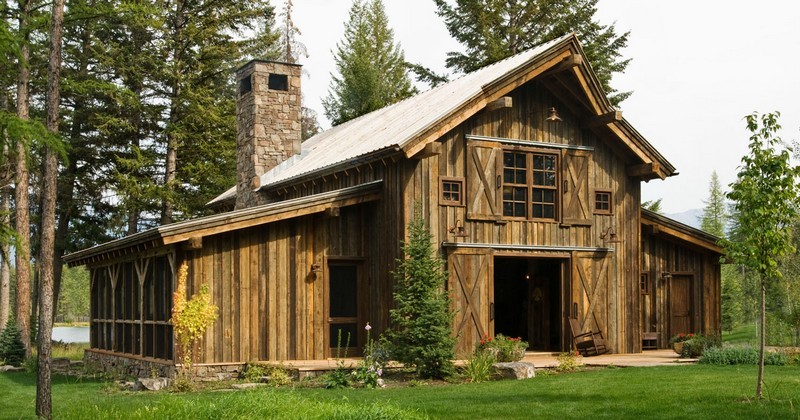
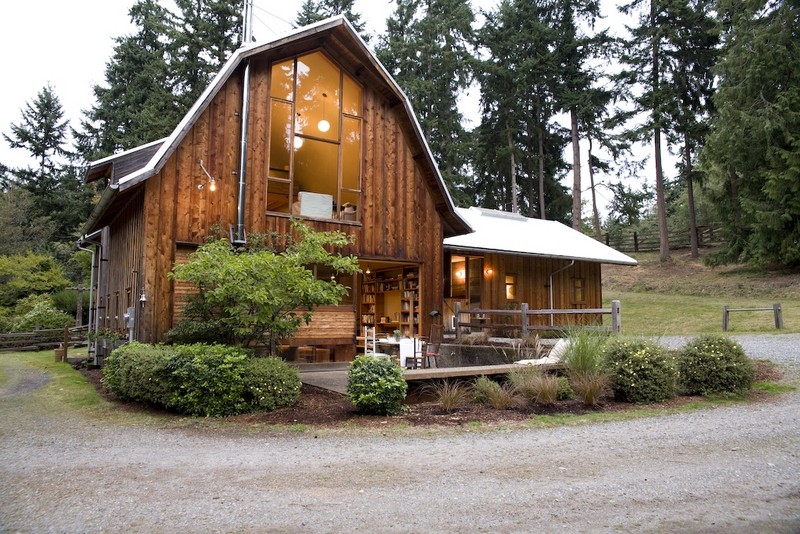
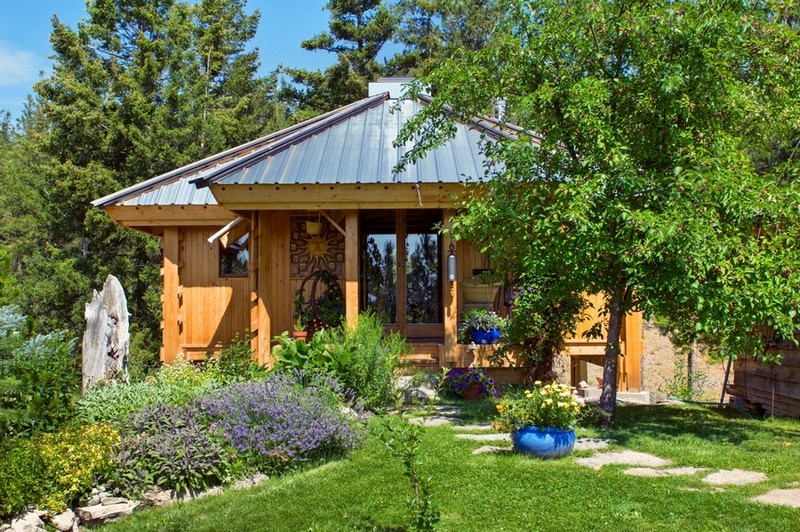
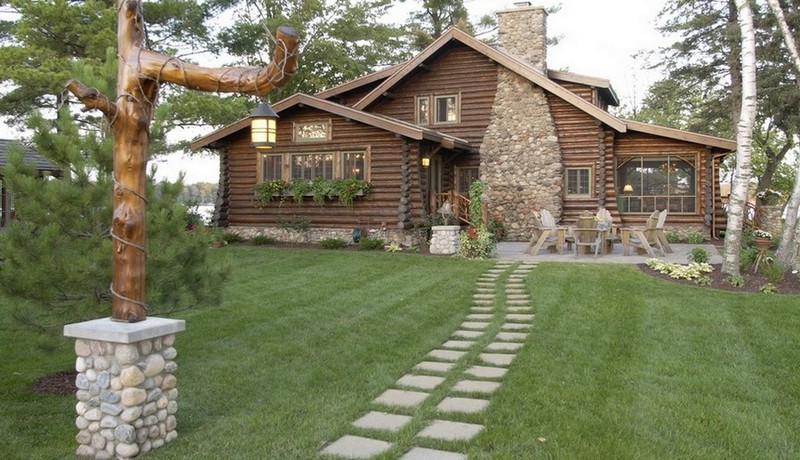
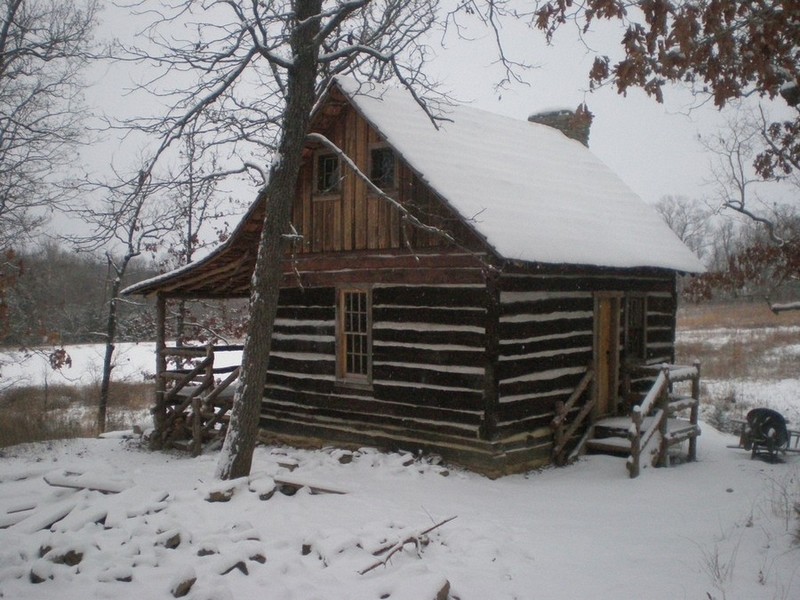
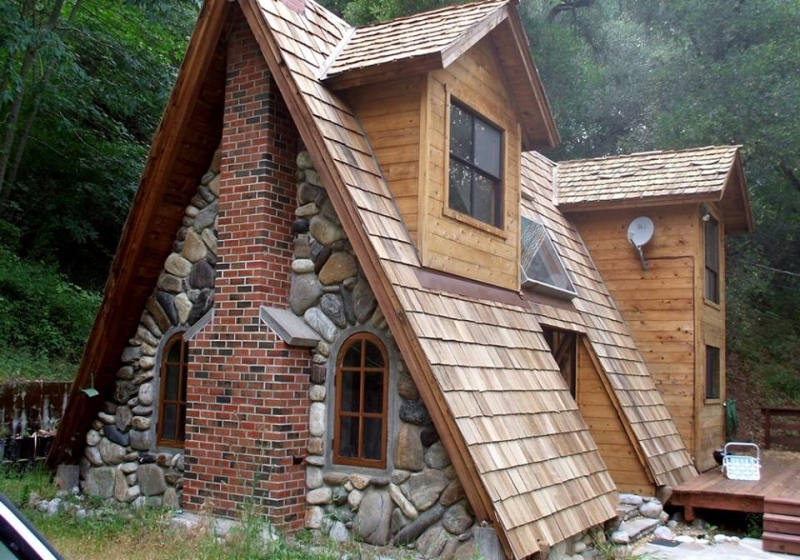
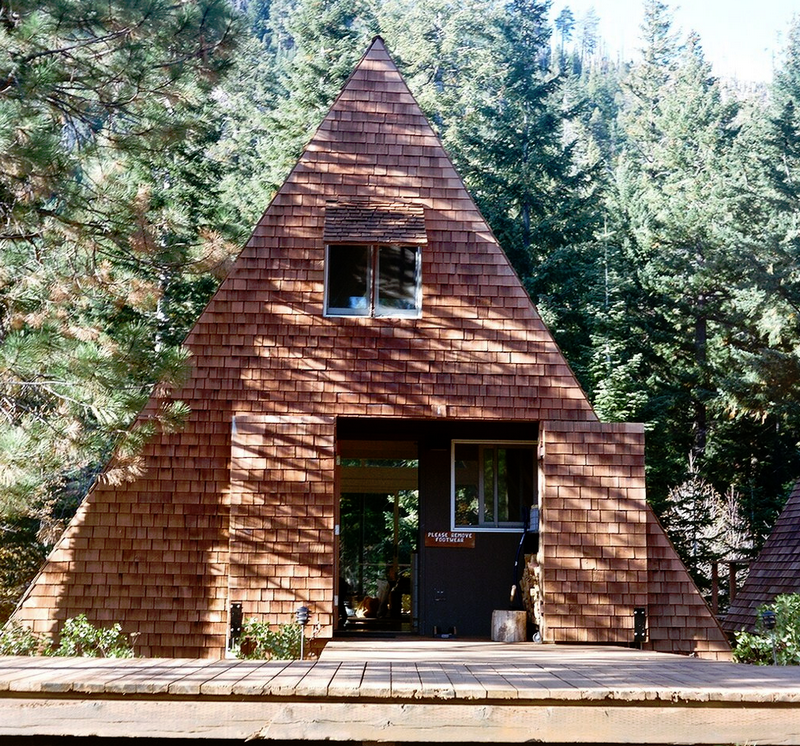
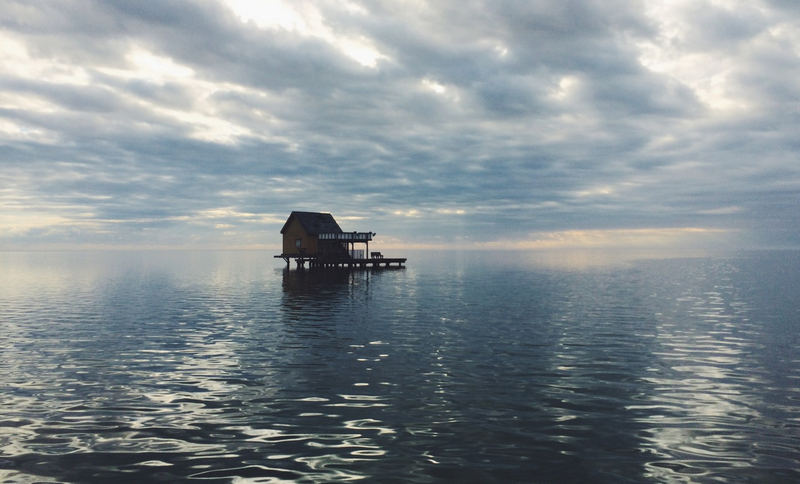
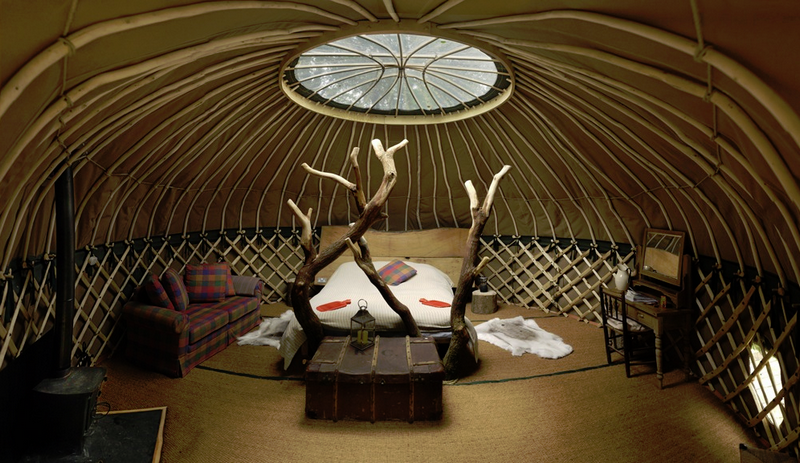
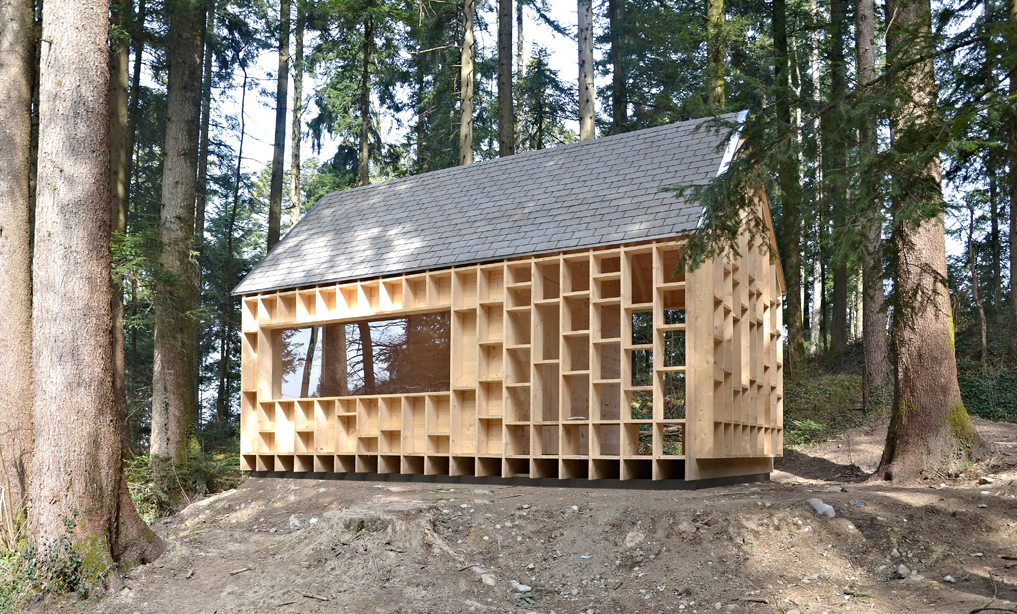
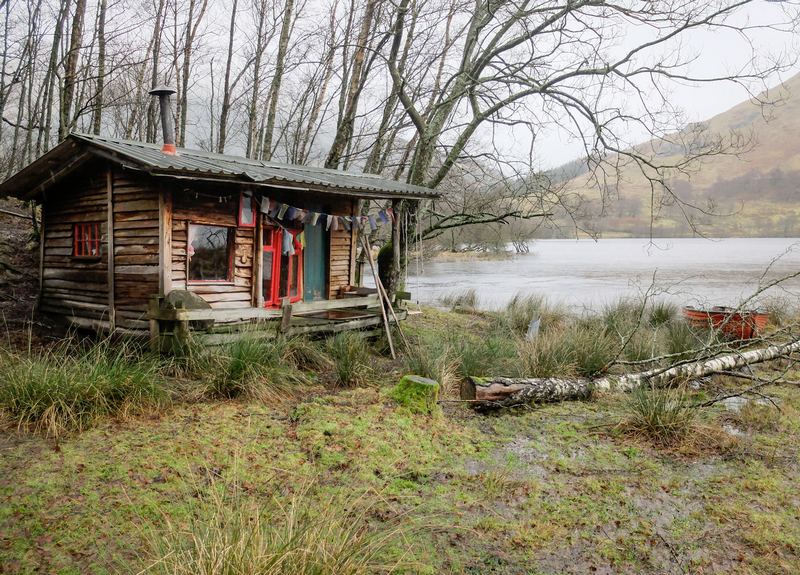
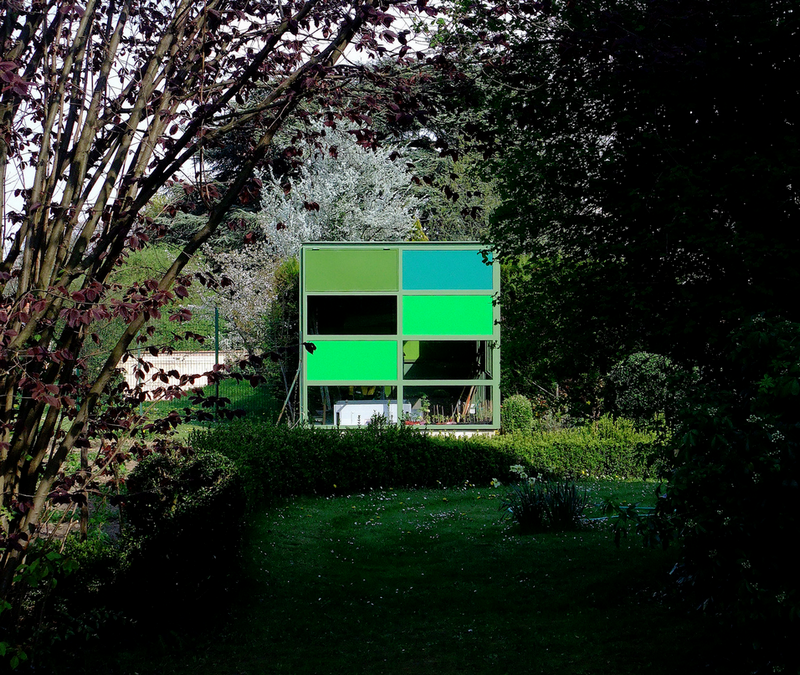


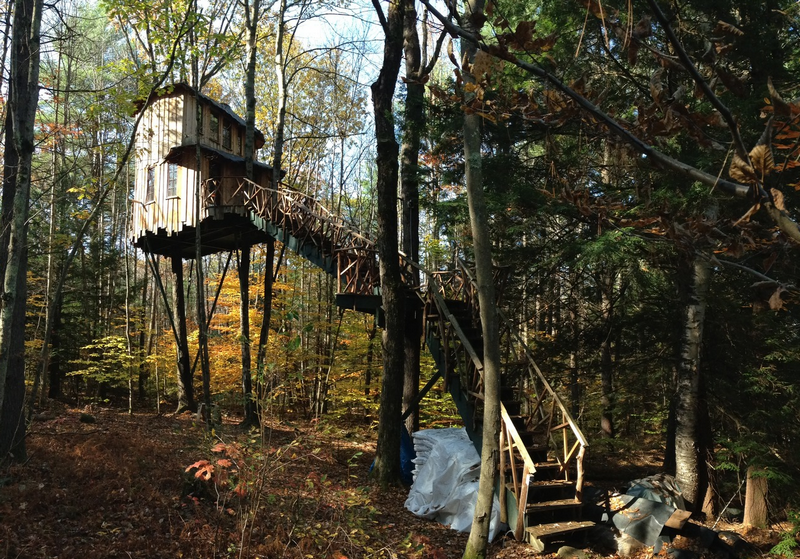
If you liked these rustic cabins, you will also like viewing our collection of log and timber frame homes…
What Are the 5 Main Types of Cozy Rustic Cabins?
Nestled amidst serene landscapes and enveloped by the tranquility of nature, cozy rustic cabins epitomize the essence of rustic living. These charming retreats offer an escape from the hustle and bustle of modern life, inviting inhabitants to unwind, reconnect with nature, and embrace the simple pleasures of cabin living.
In this exploration, we delve into five stunning designs of cozy rustic cabins, each exuding its own unique blend of charm, warmth, and timeless appeal.
1. The Classic Log Cabin
What it is: A classic log cabin is a home built with horizontal logs that are stacked and interlocked at the corners. It is one of the oldest types of rustic cabins, known for its sturdy construction and traditional appearance.
Key Features:
- Construction: Made from hand-hewn or milled logs.
- Appearance: Features exposed log walls, visible beams, and often a gabled roof.
- Interior: Typically includes wood-paneled walls, stone fireplaces, and comfortable, inviting furnishings.
- Best for: Rural properties, forested areas, and mountain settings.
| Pros | Cons |
|---|---|
| Very strong and durable if properly maintained. | Requires regular sealing and maintenance of the logs. |
| Offers excellent natural insulation. | Can be more expensive than some other cabin types. |
| Possesses a timeless, traditional aesthetic. |
2. The A-frame Cabin
What it is: An A-frame cabin is characterized by its distinctive triangular shape and steeply pitched roof that often extends to the ground. This design maximizes natural light and offers panoramic views.
Key Features:
- Best for: Mountainous regions, lakeside properties, or areas with dramatic views.
- Construction: Features a prominent, triangular roofline.
- Appearance: Expansive windows are common, capturing surrounding landscapes.
- Interior: Often has open-plan layouts, loft bedrooms, and minimalist designs.
| Pros | Cons |
|---|---|
| Unique and visually striking architectural style. | Slanted walls can reduce usable interior space. |
| Efficient use of space, often compact yet functional. | May require specialized construction techniques. |
| Excellent for maximizing natural light and views. |
3. The Timber Frame Cabin
What it is: A timber frame cabin is built using massive, heavy timbers joined together with traditional mortise-and-tenon joinery, showcasing the natural beauty of the wood.
Key Features:
- Construction: Uses large, exposed wooden beams and traditional joinery.
- Appearance: Features vaulted ceilings and exposed timber framework as a design element.
- Interior: Offers spacious, open-concept layouts with stone hearths and handcrafted details.
- Best for: Those seeking rugged elegance and a focus on craftsmanship.
| Pros | Cons |
|---|---|
| Exceptional structural integrity and durability. | Can be more costly due to specialized craftsmanship and materials. |
| Creates a grand, open, and sophisticated interior aesthetic. | Requires skilled builders experienced in timber framing. |
| Highlights the natural beauty of wood. |
4. The Cottage-style Cabin
What it is: A cottage-style cabin combines the charm of a traditional cottage with the rustic appeal of a cabin, creating a cozy and elegant retreat.
Key Features:
- Construction: Often includes sloping roofs, quaint dormer windows, and inviting porches.
- Appearance: Characterized by a picturesque and charming exterior.
- Interior: Features wood-paneled walls, built-in shelving, and vintage furnishings for a warm atmosphere.
- Best for: Peaceful escapes in the countryside or by the water.
| Pros | Cons |
|---|---|
| Offers a warm, inviting, and nostalgic ambiance. | May require more detailed exterior maintenance due to varied architectural elements. |
| Versatile in design, blending well with various landscapes. | Can sometimes feel less “rugged” than other cabin types. |
| Provides a comfortable and homey feel. |
5. The Modern Rustic Cabin
What it is: A modern rustic cabin blends contemporary design principles with traditional rustic elements, offering a fresh and stylish interpretation of cabin living.
Key Features:
- Construction: Combines clean lines and minimalist interiors with natural materials like wood and stone.
- Appearance: Large windows are common, framing breathtaking views and integrating indoor and outdoor spaces.
- Interior: Features sleek finishes, functional layouts, and a sophisticated yet natural feel.
- Best for: Those seeking a harmonious connection with nature without sacrificing modern comforts and style.
| Pros | Cons |
|---|---|
| Achieves a stylish and functional aesthetic. | Can be more expensive due to custom design and high-quality materials. |
| Seamlessly integrates indoor and outdoor living. | May require careful design to avoid feeling too sterile or cold. |
| Offers contemporary amenities within a natural setting. |
How to Choose the Right Rustic Cabin Style
Choosing the right rustic cabin style depends on how you plan to use it, where it will be built, and your budget.
- Use:
- Weekend or holiday stays often suit smaller A‑frame or cottage‑style cabins.
- Full‑time living is usually more comfortable in classic log or timber frame cabins with more space.
- Location and climate:
- Mountain and snowy areas benefit from steep roofs, strong insulation, and reliable heating.
- Lakeside or forest settings work well with large windows and outdoor decks.
- Budget and maintenance:
- Simpler designs with basic finishes usually cost less and are easier to maintain.
- High‑end timber frame and modern rustic cabins can be more expensive and may need specialized work.
If you match the style to your climate, lifestyle, and budget, you will end up with a rustic cabin that is both beautiful and practical.
Wrapping It Up
Cozy rustic cabins stand as timeless symbols of tranquility and simplicity, offering a retreat from the chaos of modern life and a return to the embrace of nature’s beauty.
As we conclude our exploration of five stunning designs of these idyllic sanctuaries, it becomes evident that each cabin style possesses its own unique charm, character, and allure. From the classic log cabin to the modern rustic retreat, these designs exemplify the enduring appeal of rustic living and the innate desire to seek solace in the natural world.
Whether nestled in the mountains, tucked away in the woods, or perched on the edge of a lake, these cabins offer a sanctuary for relaxation, reflection, and rejuvenation. With their timeless charm, rustic elegance, and innate connection to the natural world, cozy rustic cabins remind us of the importance of slowing down, embracing simplicity, and finding solace in the beauty of our surroundings.
Frequently Asked Questions About Rustic Cabins
1. How can you find a cozy rustic cabin to rent for a weekend getaway?
Many vacation rental websites, such as Airbnb or VRBO, offer a wide selection of cozy rustic cabins available for short-term rentals. You can search for cabins based on location, amenities, and price range, making it easy to find the perfect retreat for your weekend getaway.
2. Are cozy rustic cabins suitable for year-round living, or are they only meant for seasonal use?
Yes, many rustic cabins are suitable for year-round living if they have good insulation, heating, and proper foundations. In colder climates, you will need strong wall and roof insulation, double-glazed windows, and a reliable heating system such as a wood stove, gas heater, or electric heat. Always check local building codes to make sure your cabin meets safety and energy standards.
3. What are some essential amenities to look for in a cozy rustic cabin?
Essential amenities in a cozy rustic cabin include reliable heating, indoor plumbing, a basic kitchen, and comfortable sleeping areas. Depending on personal preferences and intended use, additional amenities such as a fireplace, hot tub, or outdoor seating area may also be desirable.
4. How can you maintain a cozy rustic cabin to ensure its longevity and comfort?
Regular maintenance is key to preserving the longevity and comfort of a cozy rustic cabin. This may include tasks such as cleaning gutters, inspecting for leaks or damage, sealing gaps and cracks, and servicing heating and cooling systems. It is also essential to follow any manufacturer’s recommendations for the maintenance and care of appliances, furnishings, and building materials.
5. How much does a rustic cabin typically cost?
The cost of a rustic cabin can vary widely. Small, DIY-built rustic cabins might start from around $20,000 to $50,000 for basic structures. Professionally built, larger log or timber frame cabins can range from $100,000 to $500,000 or more, depending on materials, location, and finishes. Factors like foundation type, utility connections, and interior amenities significantly impact the final price.
6. What is the typical size range for a rustic cabin?
Rustic cabins come in various sizes, but many fall within a range of 300 to 1,500 square feet. Smaller cabins (under 800 sq ft) are often used as tiny homes or weekend retreats, while larger ones can serve as comfortable full-time residences. The size often depends on the intended use and the number of occupants.